
Calamus
across time
Tradition & Ritual
what it offers
Scientific & Medicine
the old stories
Legends & Myths
from the bear
Bear Originals
Cautions & Contraindications
Calamus warrants genuine attention where caution is concerned. The primary concern centers on beta-asarone, a compound found in higher concentrations in Asian and European varieties of the plant. Animal studies have raised questions about beta-asarone at high doses over extended periods, which led the FDA to ban calamus as a food additive in the United States in 1968. It is important to note that the North American variety (Acorus americanus) is generally considered to contain negligible amounts of this compound, and many herbalists work specifically with this variety for that reason — but sourcing and variety identification matter here.
Calamus is not recommended during pregnancy or while breastfeeding. It should be approached with care by anyone with a history of liver concerns. It may interact with sedative medications and should not be combined with them without professional guidance. Long-term, high-dose use is not advisable with any variety.
See also our dedicated FAQ on calamus safety for more context. As with all herbs, working with a qualified herbalist or healthcare provider is the wisest path, especially if you have existing health conditions or are taking medications.
in the apothecary
Products w/ Calamus
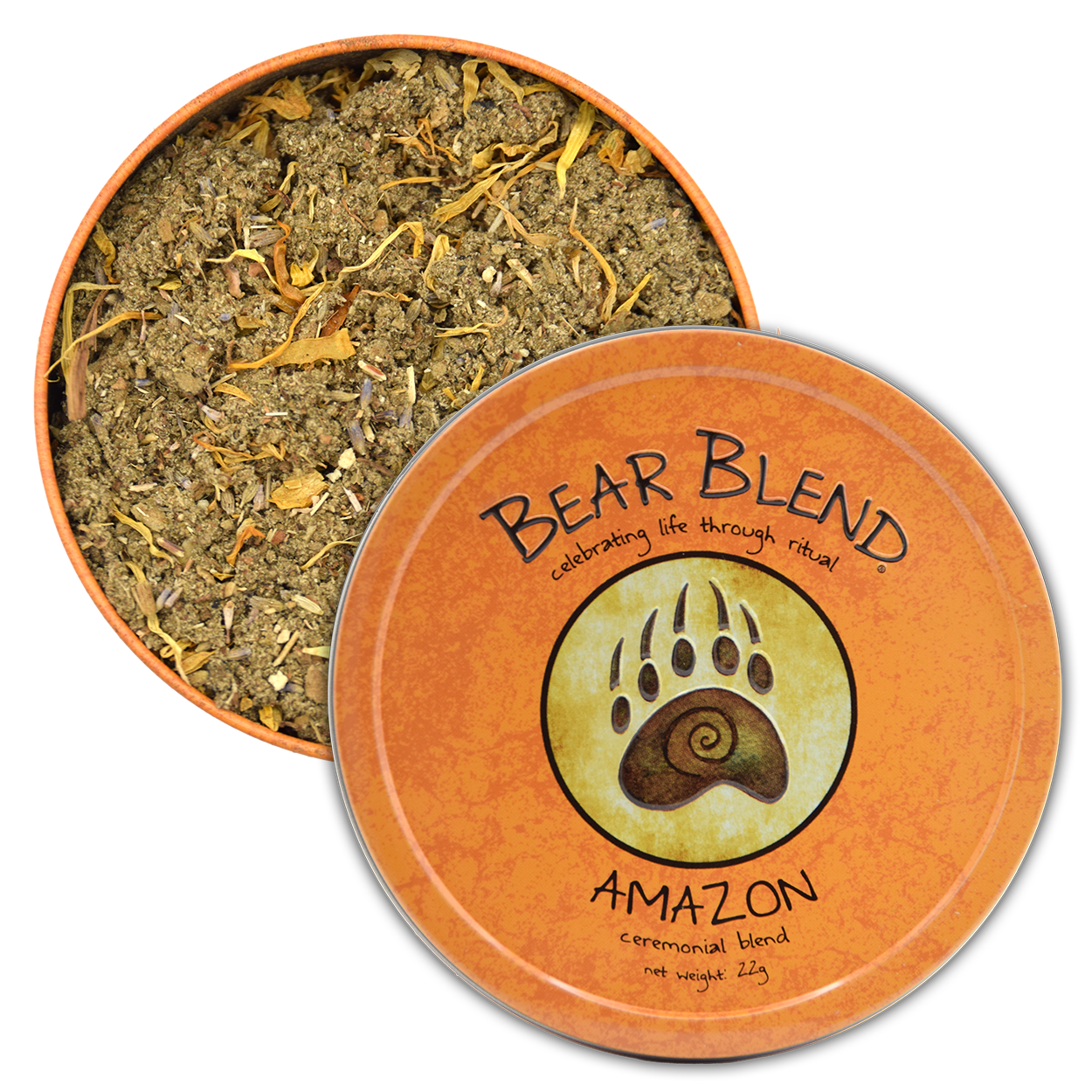
Amazon Herbal Ceremonial Blend
The Amazon blend is activating and flavorful, with hints of clove and vanilla. Having a me...
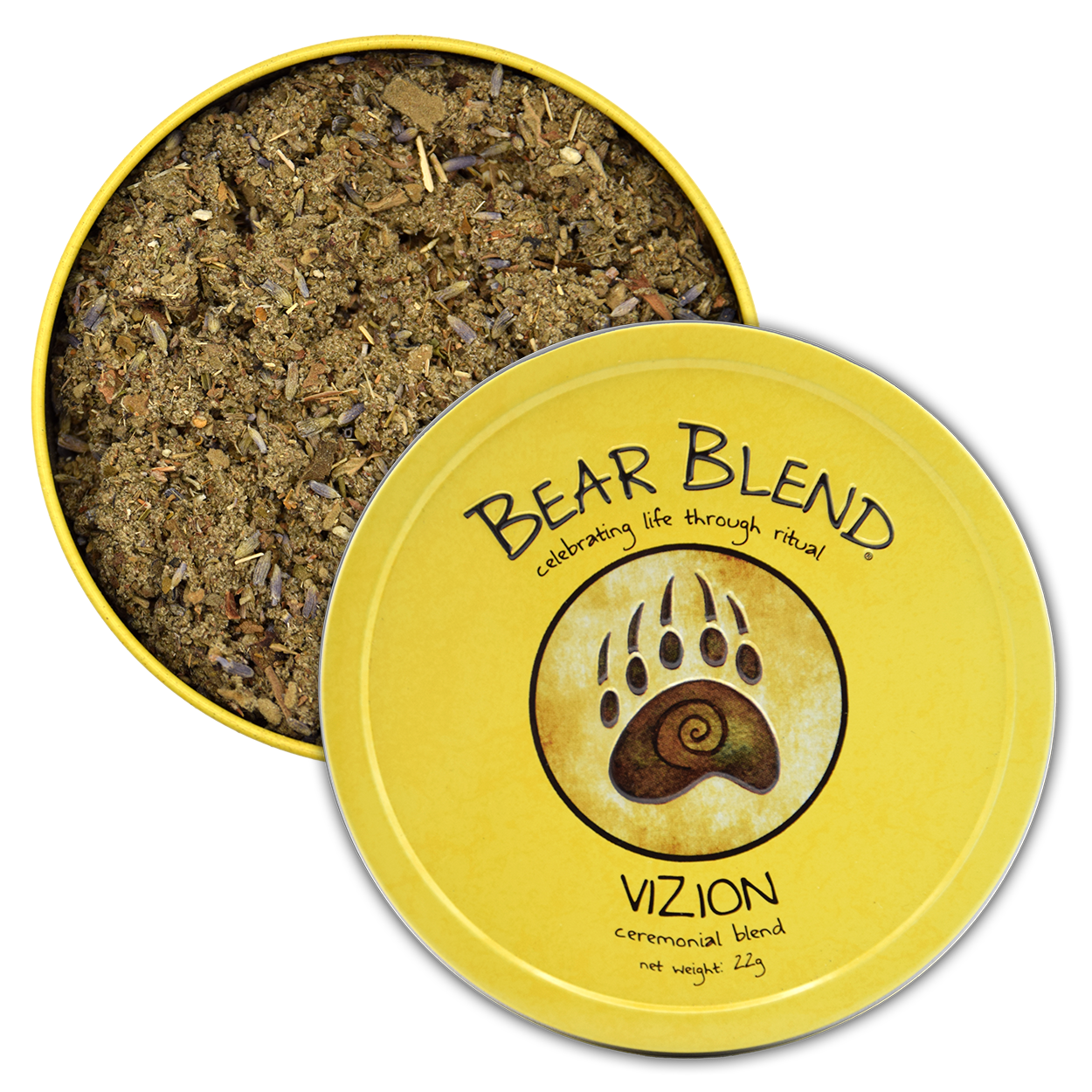
Vizion Herbal Ceremonial Blend
Best known as our daytime blend, the Vizion Ceremonial Blend’s active herbs bring clarity...
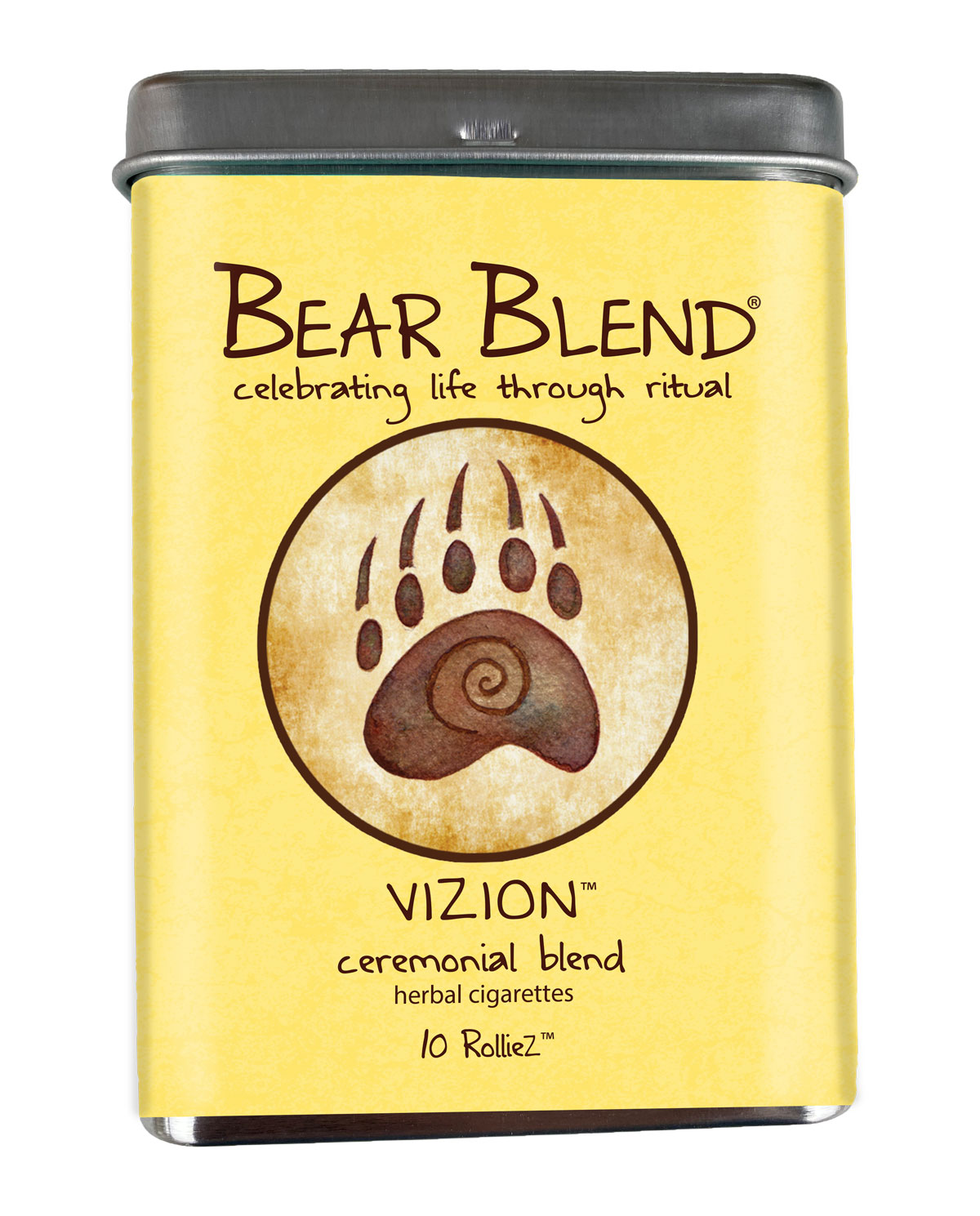
Vizion Rolliez
Roll into the day with Vizion Rolliez — pre-rolled herbal smokes built for clarity, presen...
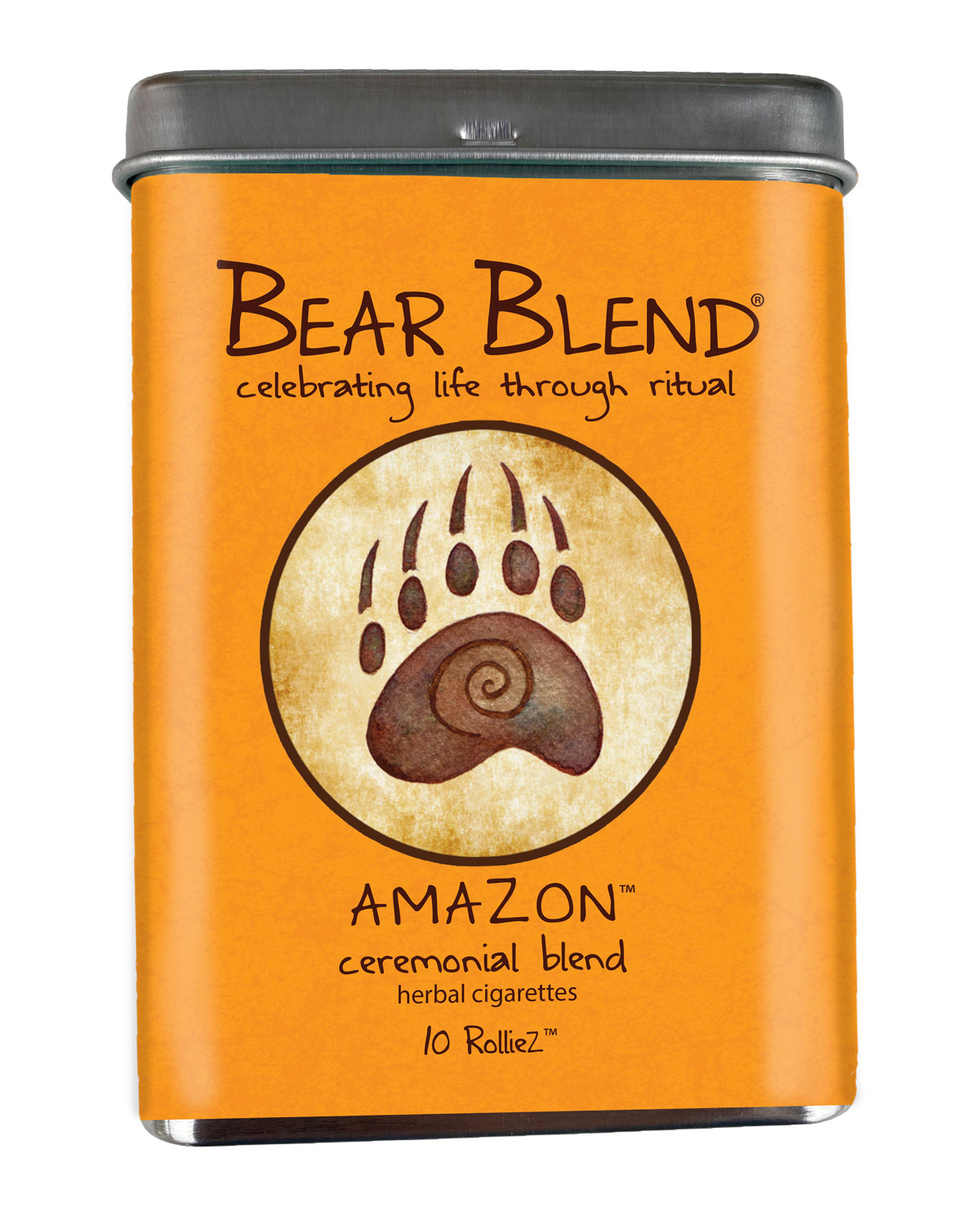
Amazon Rolliez
The Amazon blend is activating and flavorful, with hints of clove and vanilla. Having a me...
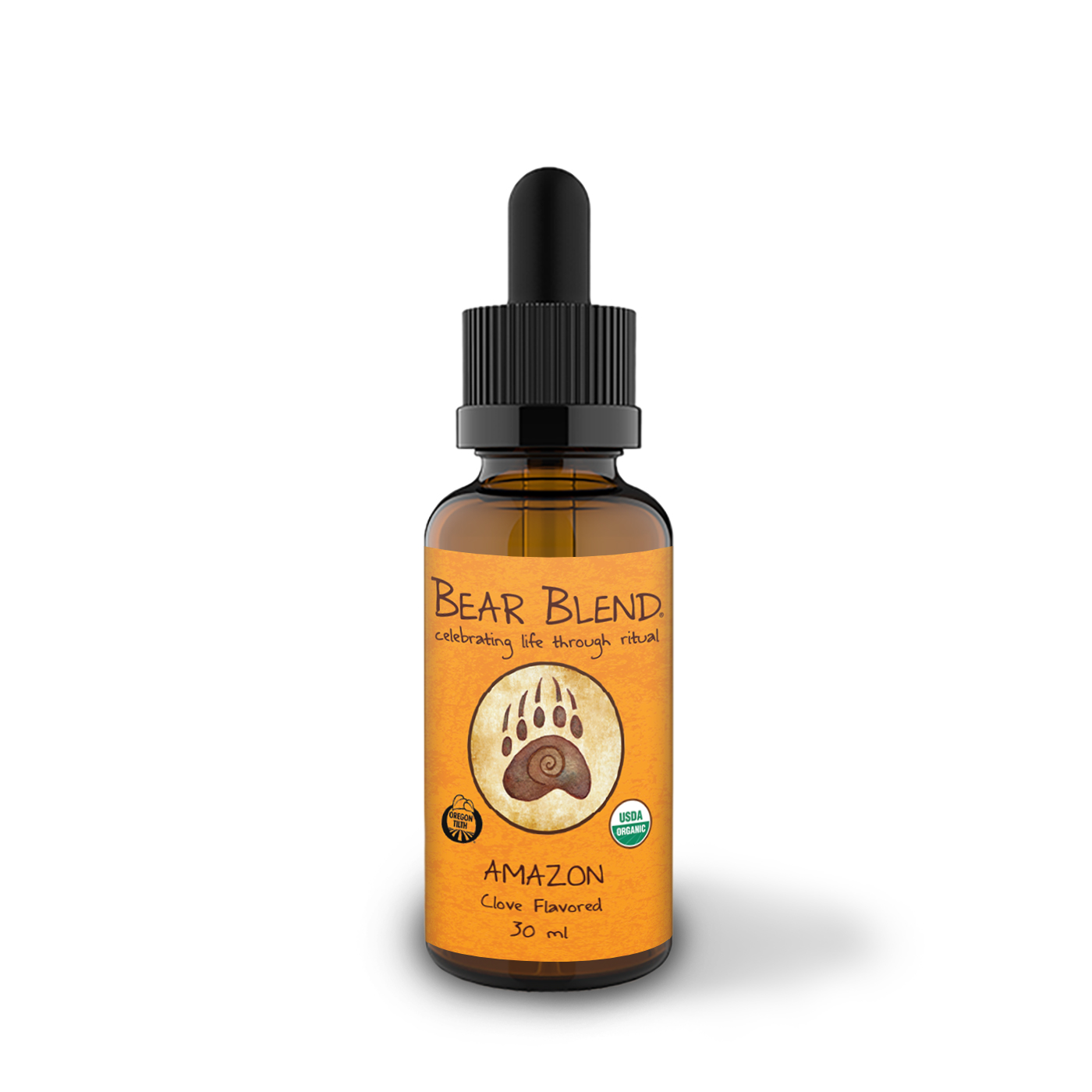
Amazon Liquid Herbz (Clove)
Clove Flavored Liquid Each bottle comes with 30 milliliters of Amazon Liquid Herbz. The Am...
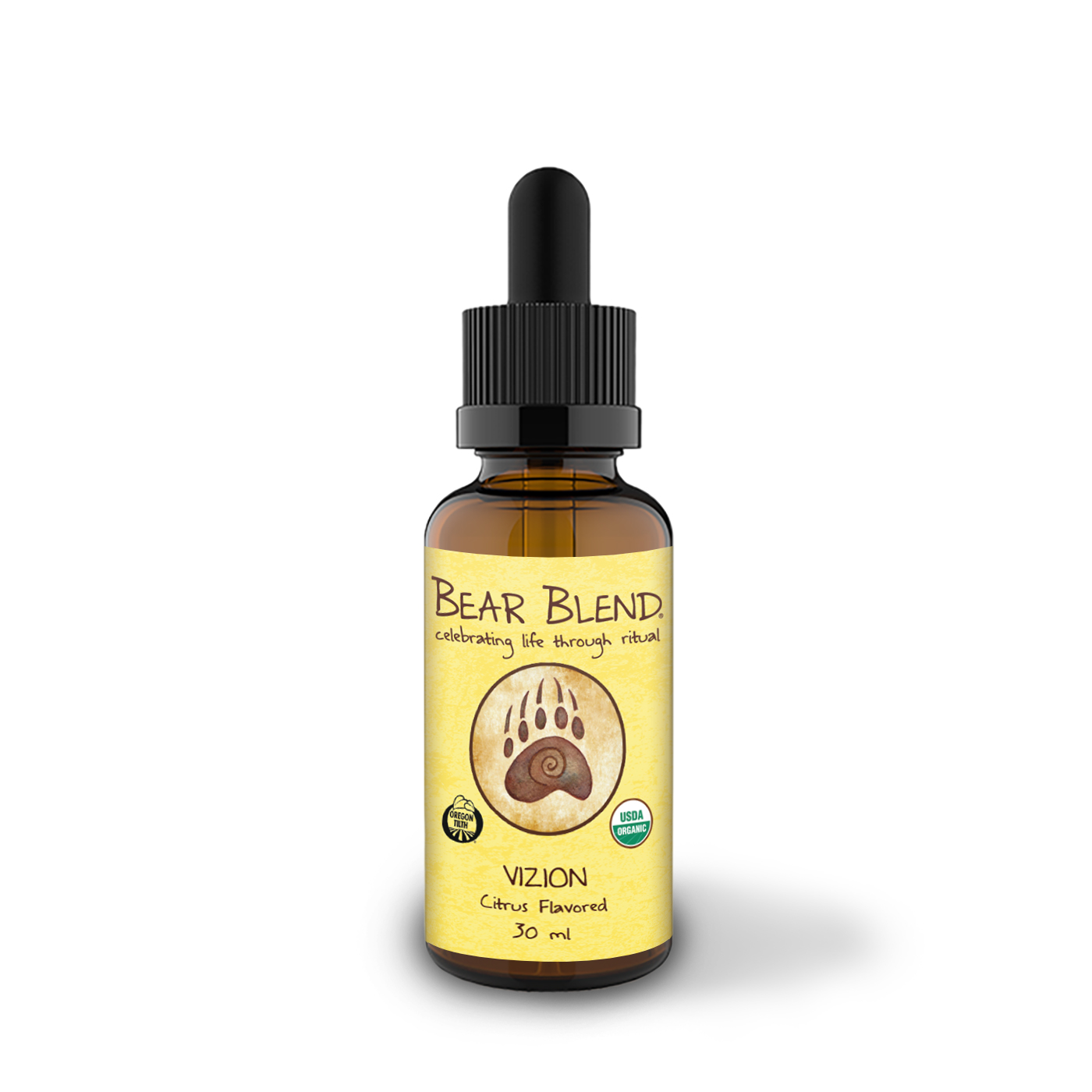
Vizion Liquid Herbz (Citrus)
Citrus Flavored Liquid Each bottle comes with 30 milliliters of Vizion Liquid Herbz. Best...
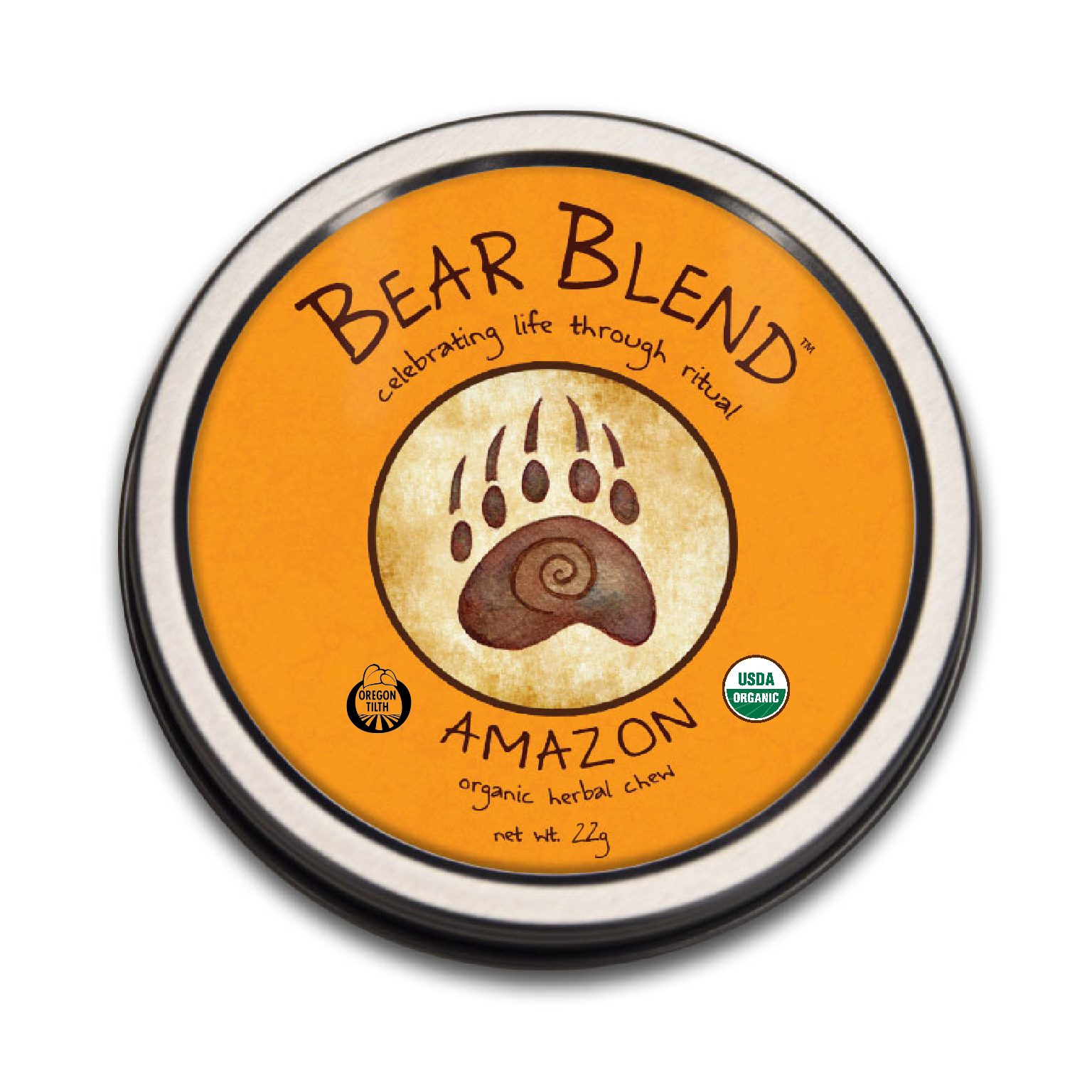
Amazon Herbal Chew
The Amazon blend is activating and flavorful, with clove and a hint of vanilla. Having a m...
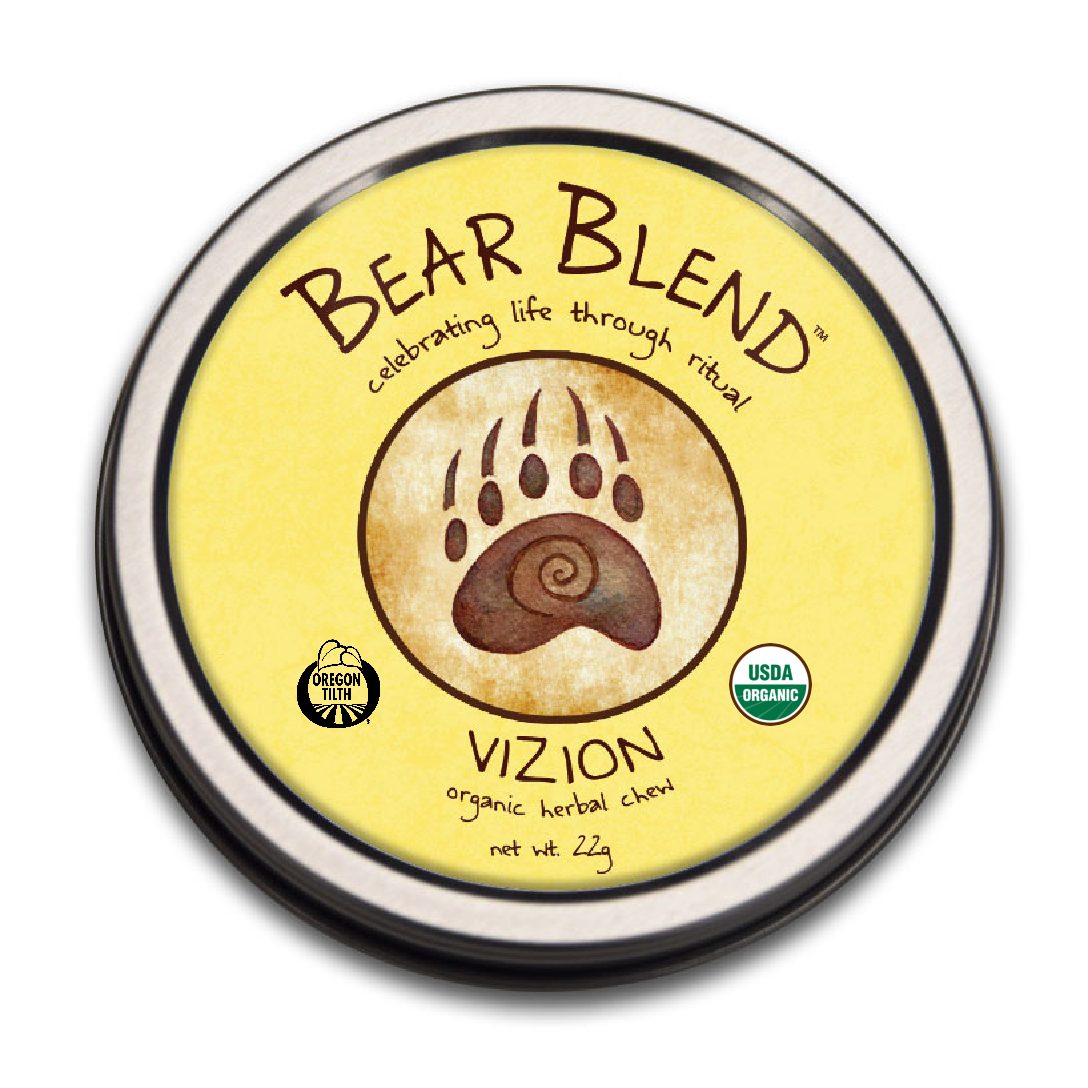
Vizion Herbal Chew
Best known as our daytime blend, the Vizion Ceremonial Blend’s active herbs bring clarity...
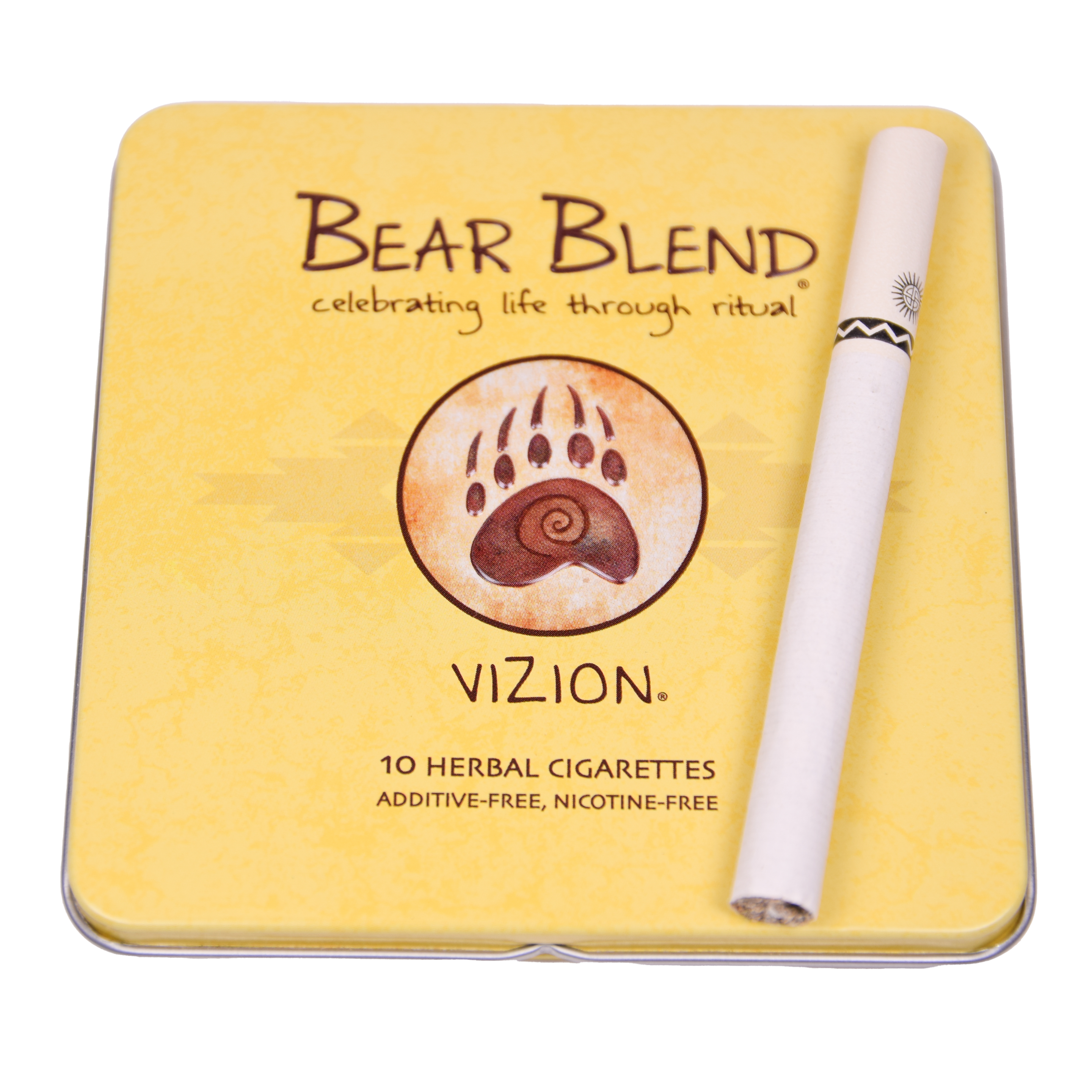
Vizion Herbal Cigarettes
Experience the familiar ritual of smoking, completely reimagined. Vizion is our earthy, br...
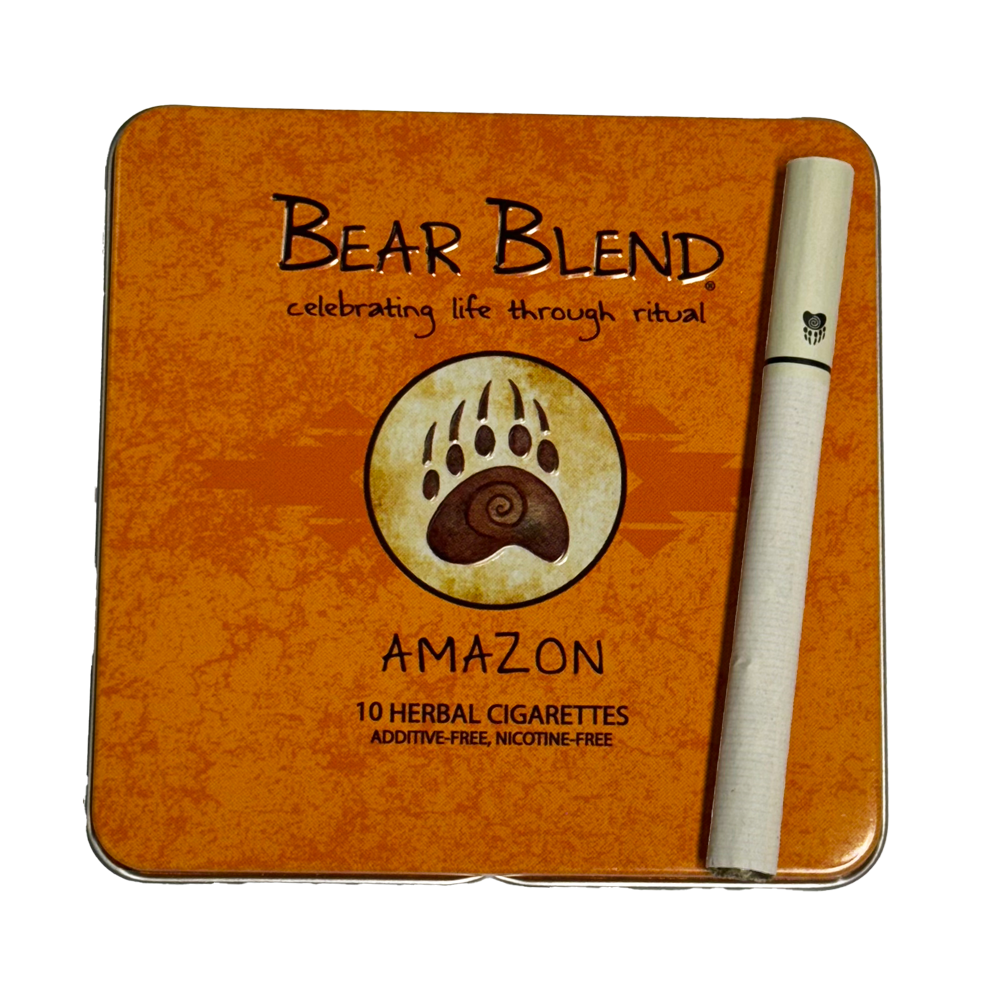
Amazon Herbal Cigarettes
Experience the familiar ritual of smoking, completely reimagined. Amazon is our rich, full...
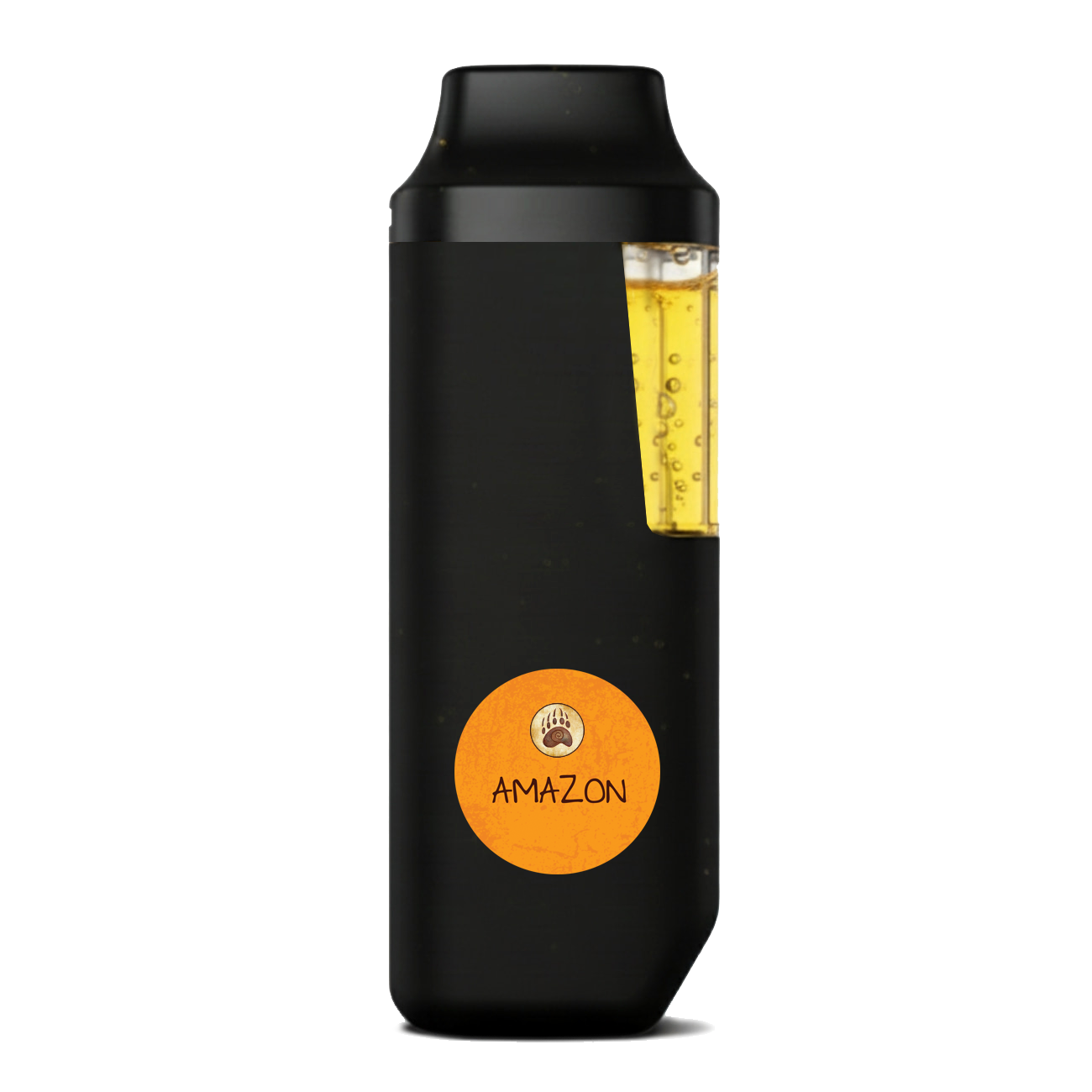
Bear Blend Amazon Herbal Diffuser — 2ml Disposable (Clove)
A prefilled 2 mL disposable diffuser featuring the Amazon blend — an activating, clove-for...
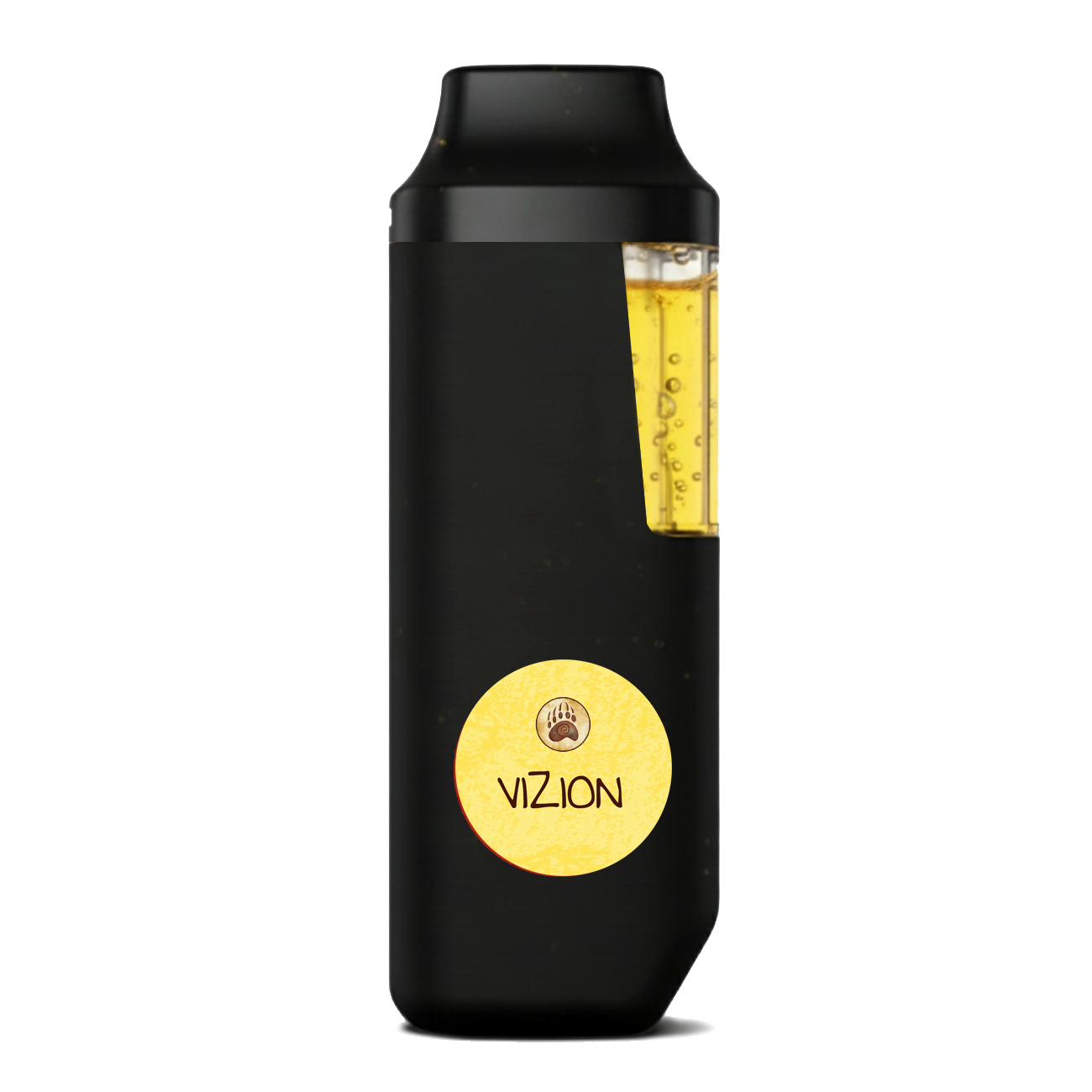
Bear Blend Vizion Herbal Diffuser — 2ml Disposable (Citrus)
A prefilled 2 mL disposable diffuser featuring the Vizion blend — our daytime blend — eart...
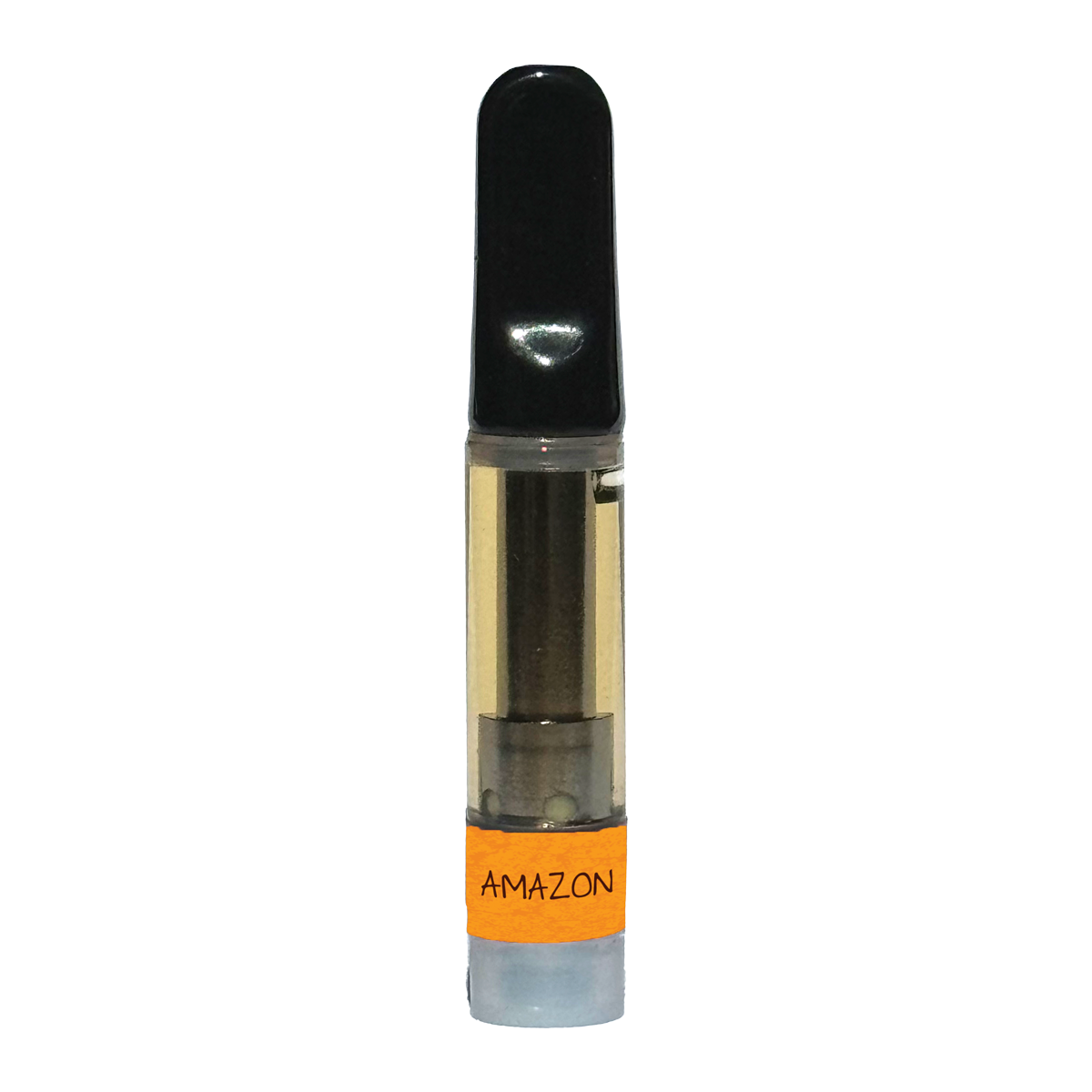
Bear Blend Amazon Herbal Diffuser Cartridge — 1ml (Clove)
A 1 mL refillable 510-thread diffuser cartridge featuring the Amazon blend — an activating...
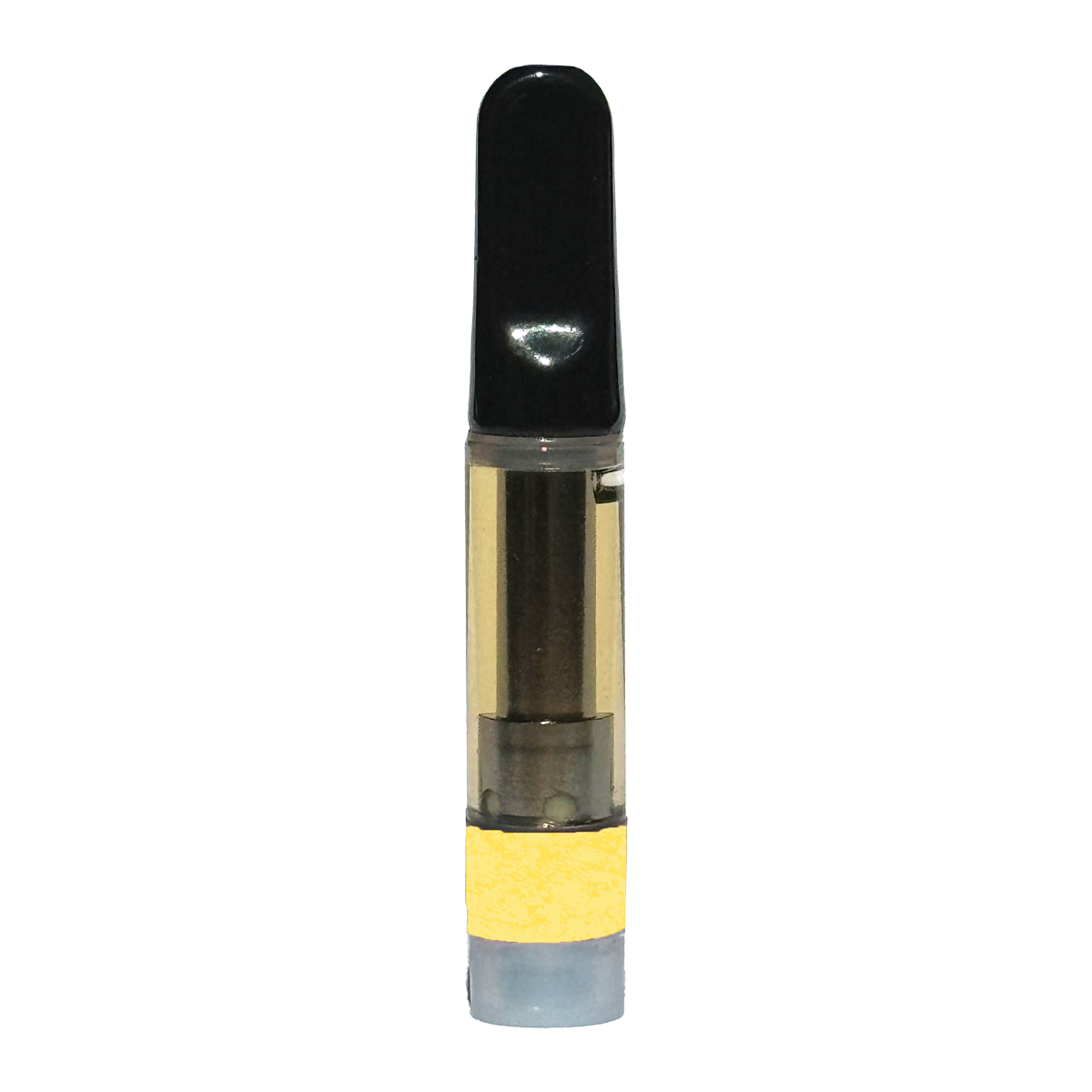
Bear Blend Vizion Herbal Diffuser Cartridge — 1ml (Citrus)
A 1 mL refillable 510-thread diffuser cartridge featuring the Vizion blend — our daytime b...
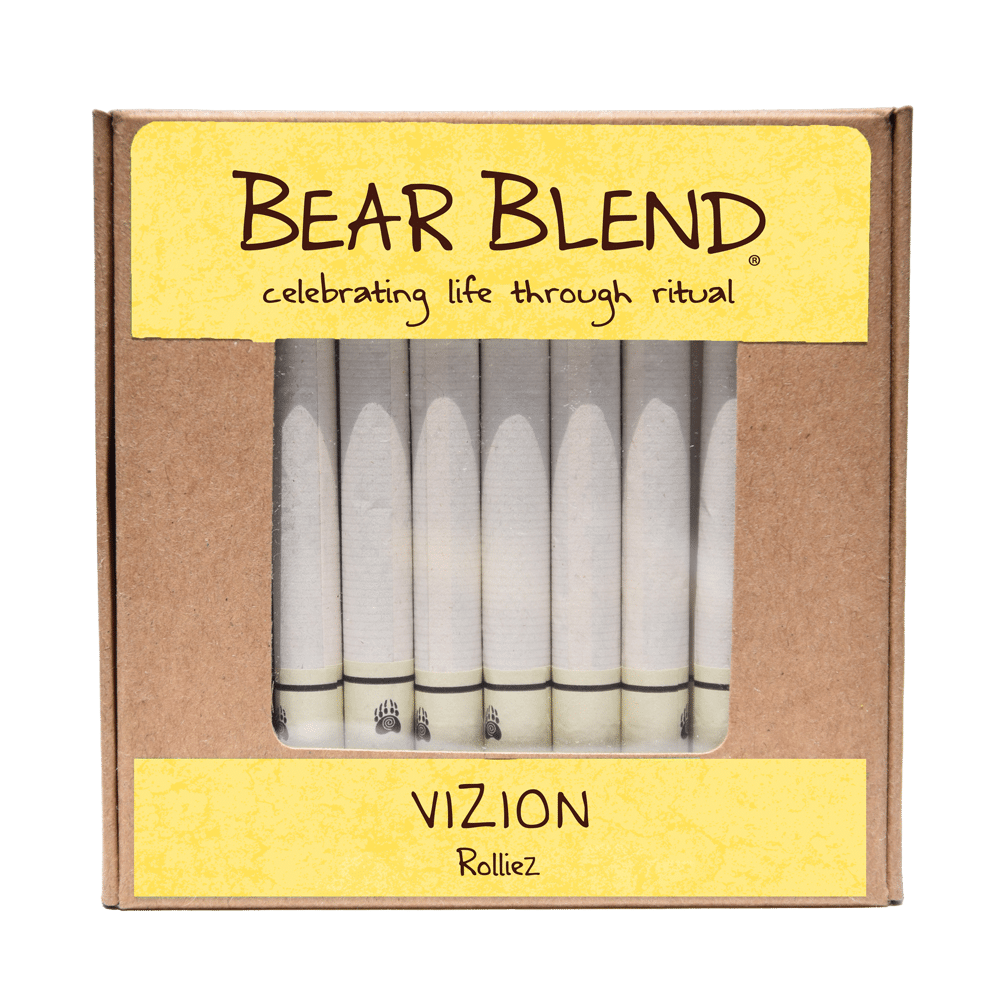
Vizion Herbal Cigarettes 50 Pack
Experience the familiar ritual of smoking, completely reimagined. Vizion is our earthy, br...
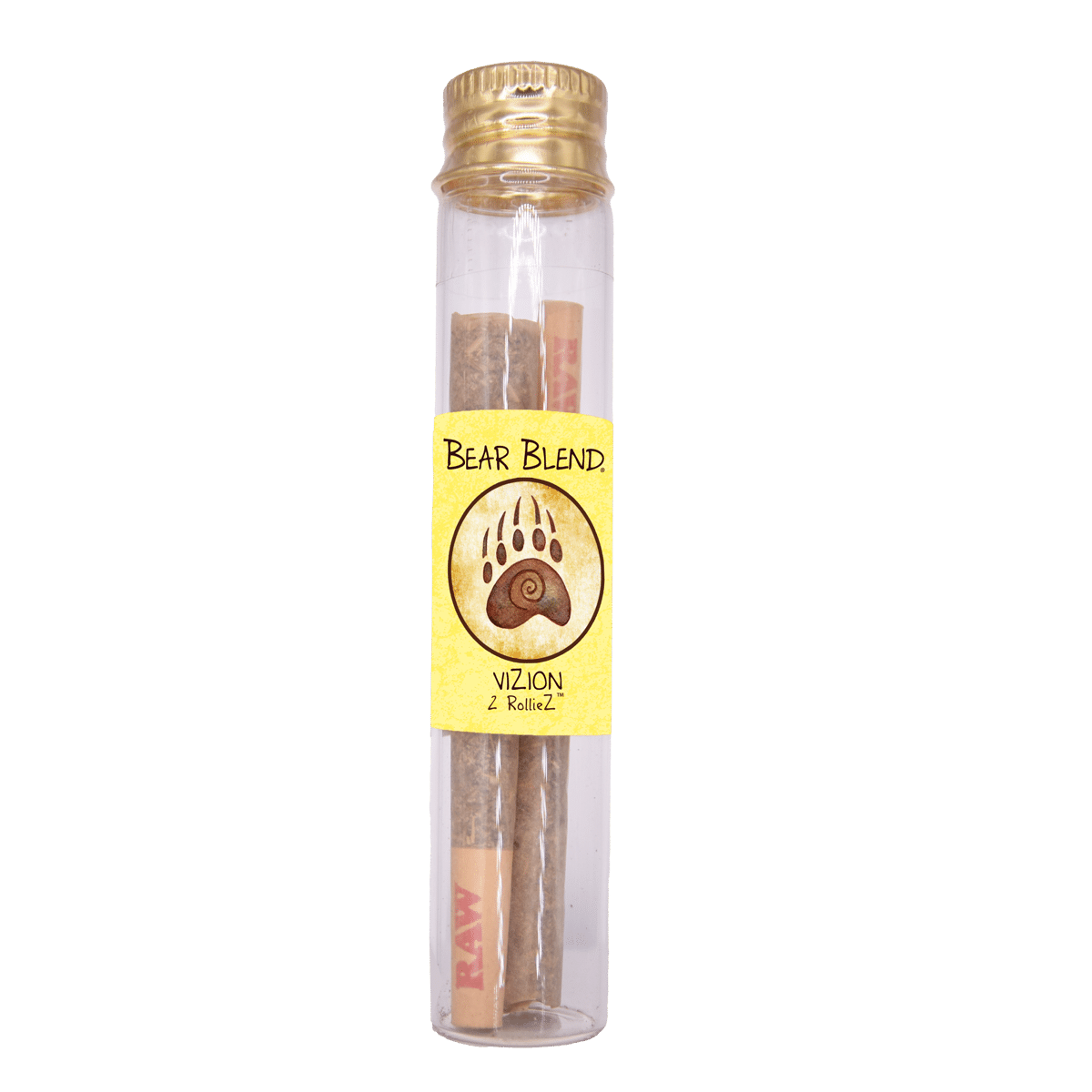
Tube of Two Vizion Rolliez
Best known as our daytime blend, the Vizion Ceremonial Blend’s active herbs bring clarity...
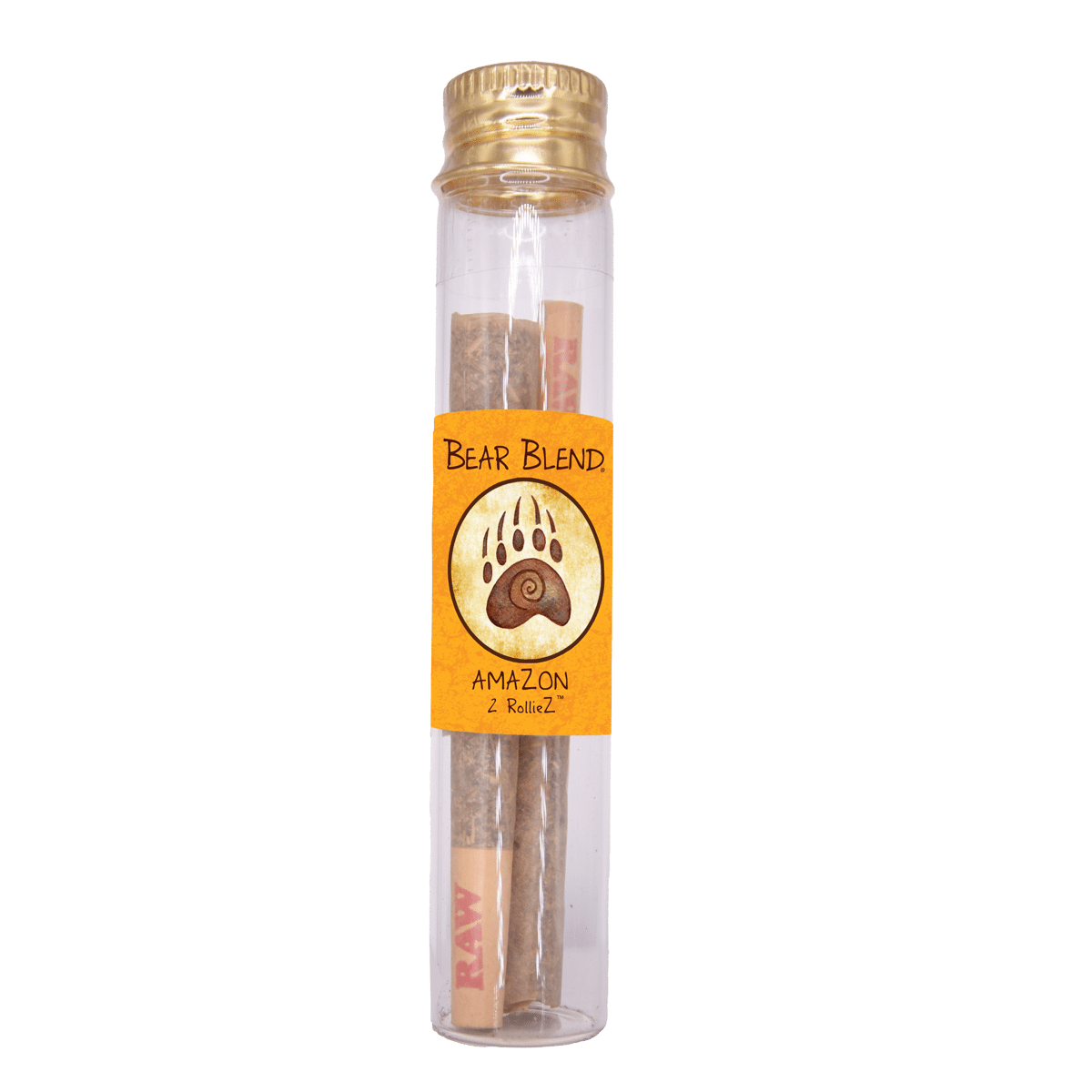
Tube of Two Amazon Rolliez
The Amazon blend is activating and flavorful, with hints of clove and vanilla. Having a me...
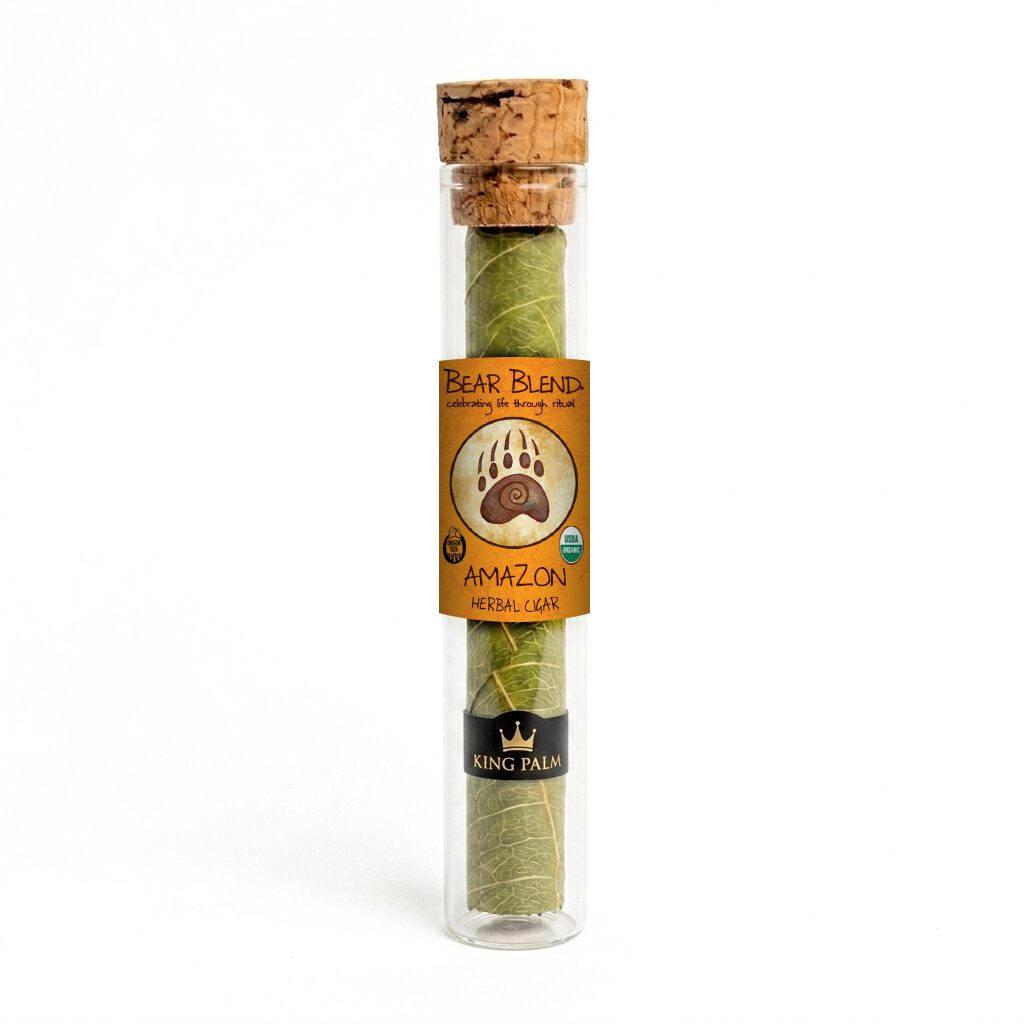
Amazon Herbal Cigars
A slow-burning clove flavored ceremonial smoke — Bear Blend's proprietary herbal Amaz...
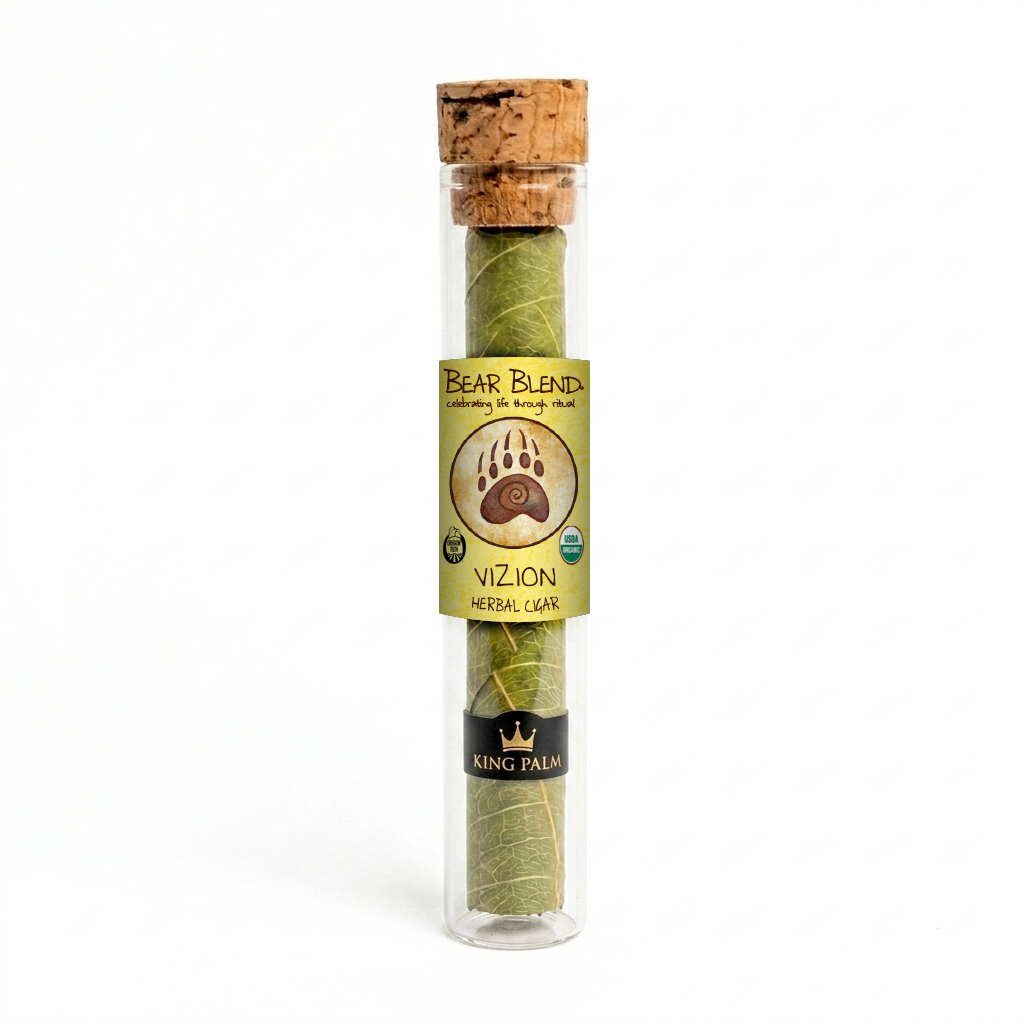
Vizion Herbal Cigars
A slow-burning, XL herbal ceremony — three grams of organic botanical blend, wrapped in a...
of