
Passionflower
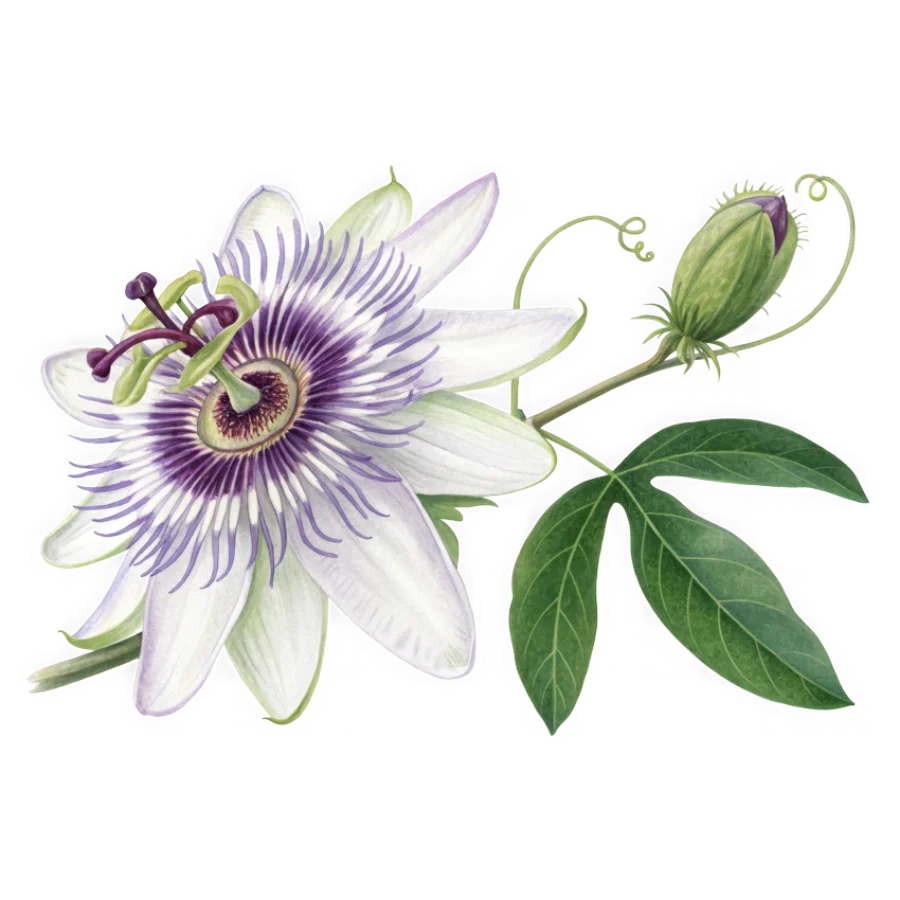
across time
Tradition & Ritual
what it offers
Scientific & Medicine
the old stories
Legends & Myths
from the bear
Bear Originals
Cautions & Contraindications
Passionflower is generally considered well-tolerated by healthy adults when used in typical amounts, and has a long history of use without widespread reports of serious adverse effects. That said, a few considerations are worth holding:
- Sedative interactions: Because passionflower has calming and potentially sedative properties, combining it with pharmaceutical sedatives, anti-anxiety medications, or sleep aids could amplify those effects. If you take medications in these categories, a conversation with your healthcare provider before adding passionflower to your routine is the sensible move.
- Pregnancy and breastfeeding: Passionflower has historically been used to stimulate uterine contractions in some folk traditions, which means it is generally advised against during pregnancy. Those who are breastfeeding should also exercise caution, as safety data in this population is limited.
- Surgery: Because it may affect the central nervous system and interact with anesthesia, it's typically recommended to discontinue use of passionflower at least two weeks before a scheduled surgical procedure.
- Allergic reactions: Rare but reported. Anyone with known sensitivities to plants in the Passifloraceae family should approach with appropriate care.
As with any herb, the wise practice is to start gently, pay attention to how your body responds, and consult a qualified health professional if you have underlying conditions or take regular medications.
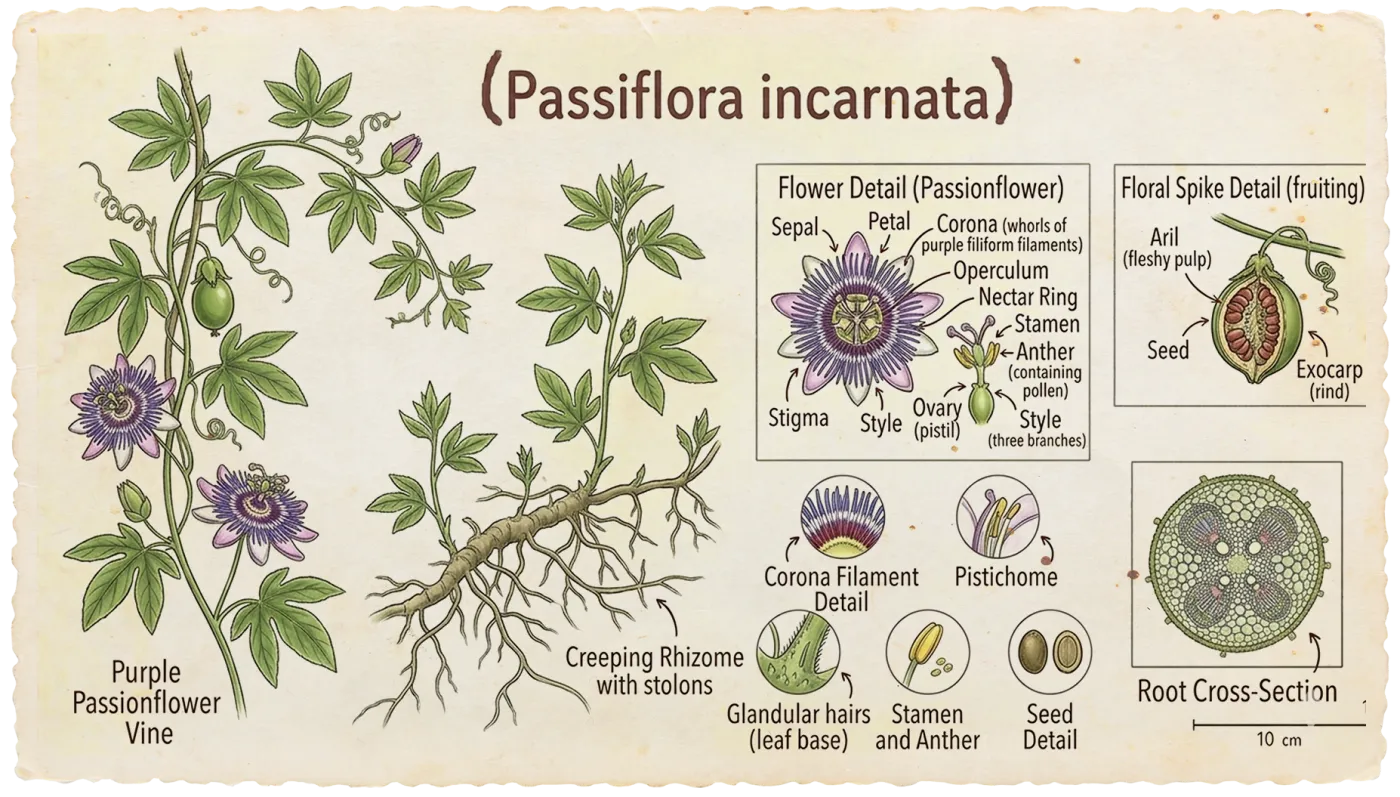
in the apothecary
Products w/ Passionflower
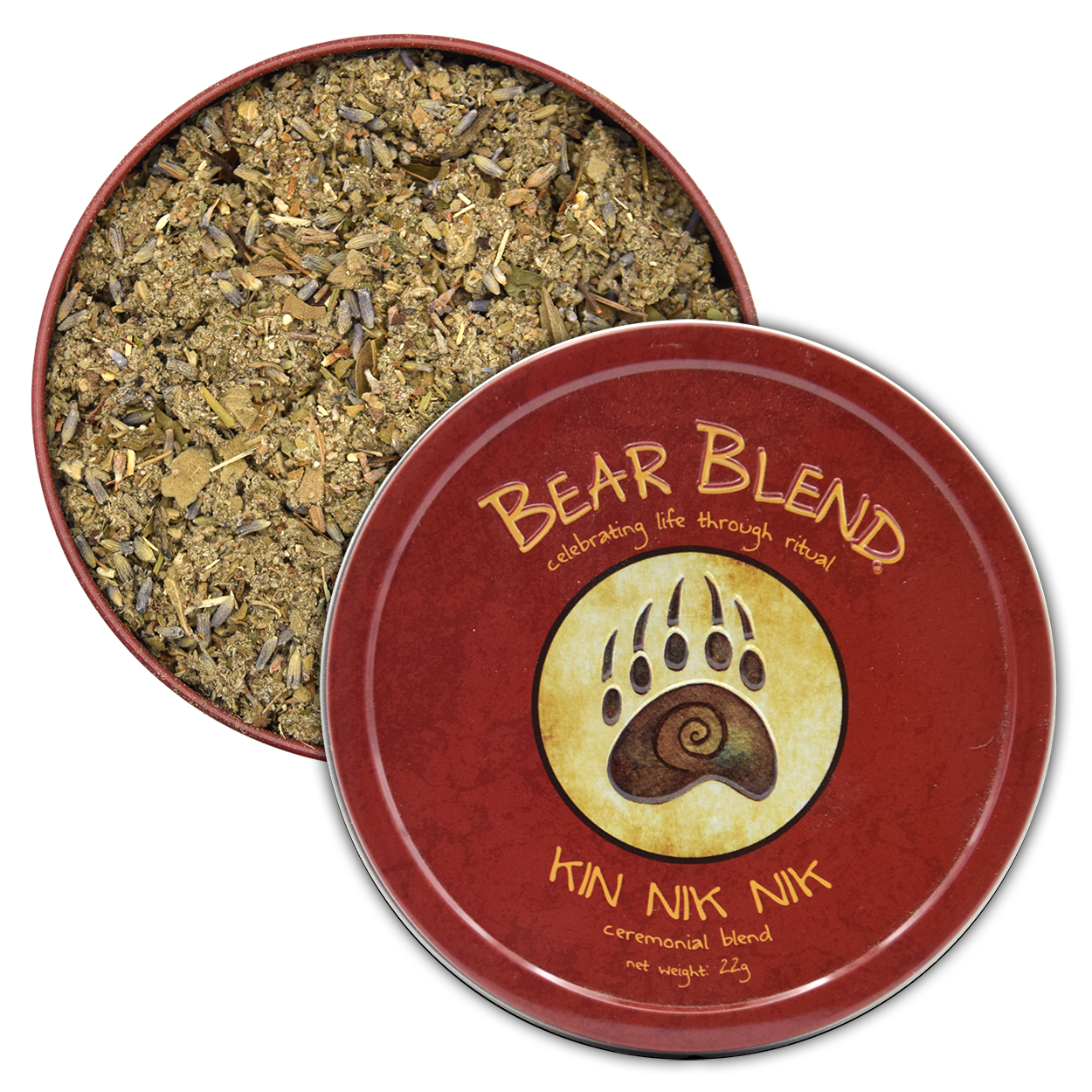
Kin Nik Nik Herbal Ceremonial Blend
The Kin Nik Nik blend is peaceful and cerebral, with a hint of lavender. Intended to help...
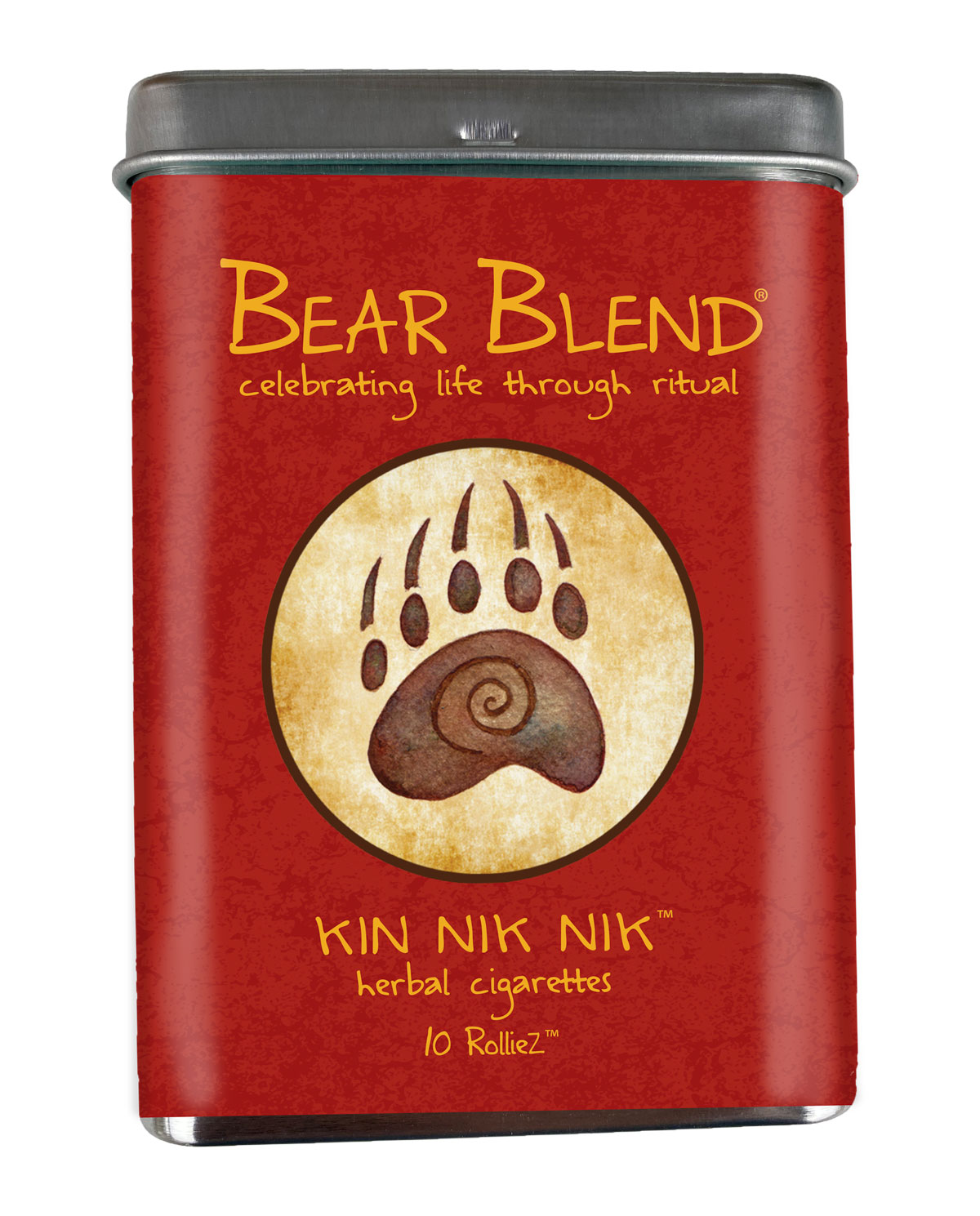
Kin Nik Nik Rolliez
The Kin Nik Nik blend is peaceful and cerebral, with a hint of lavender. Intended to help...
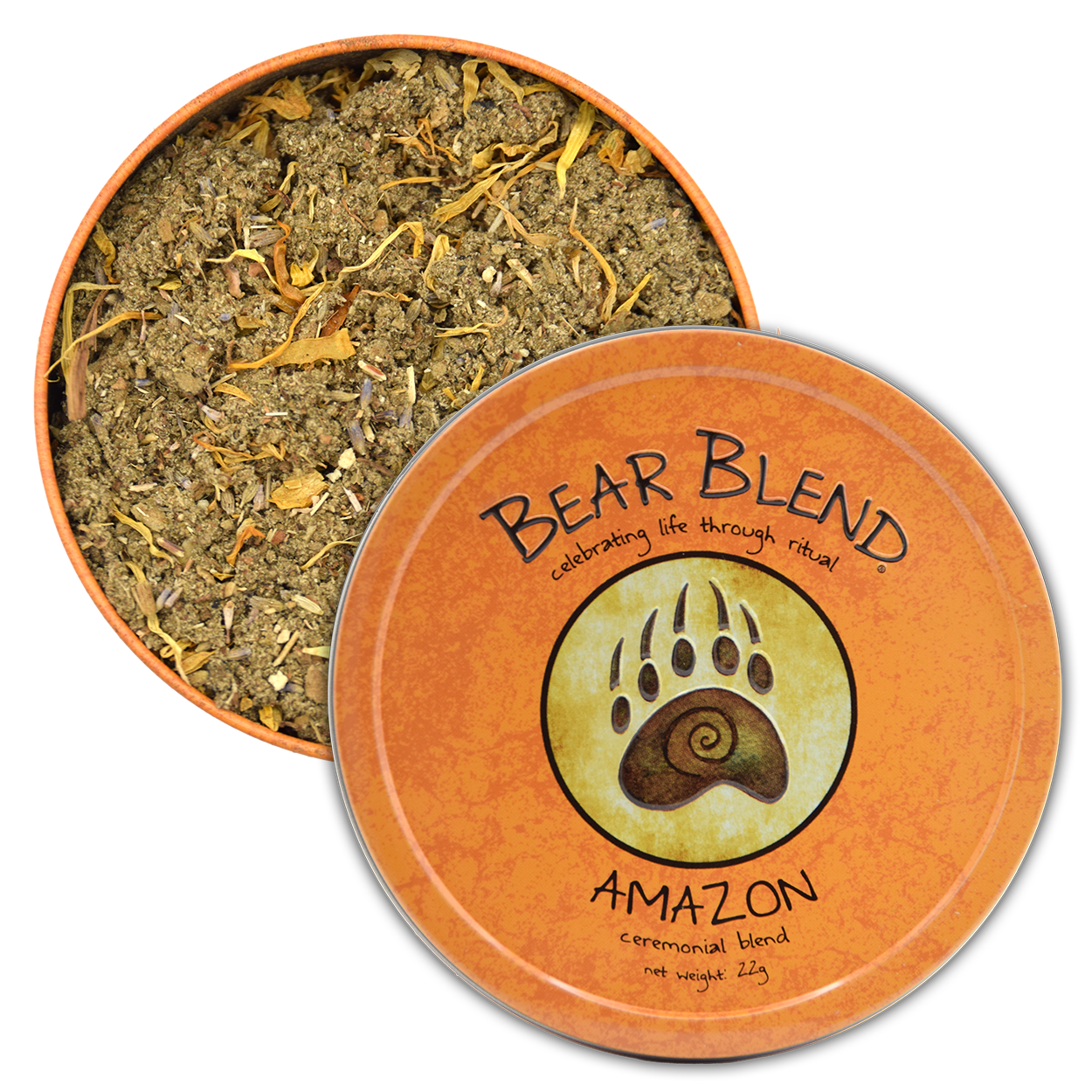
Amazon Herbal Ceremonial Blend
The Amazon blend is activating and flavorful, with hints of clove and vanilla. Having a me...
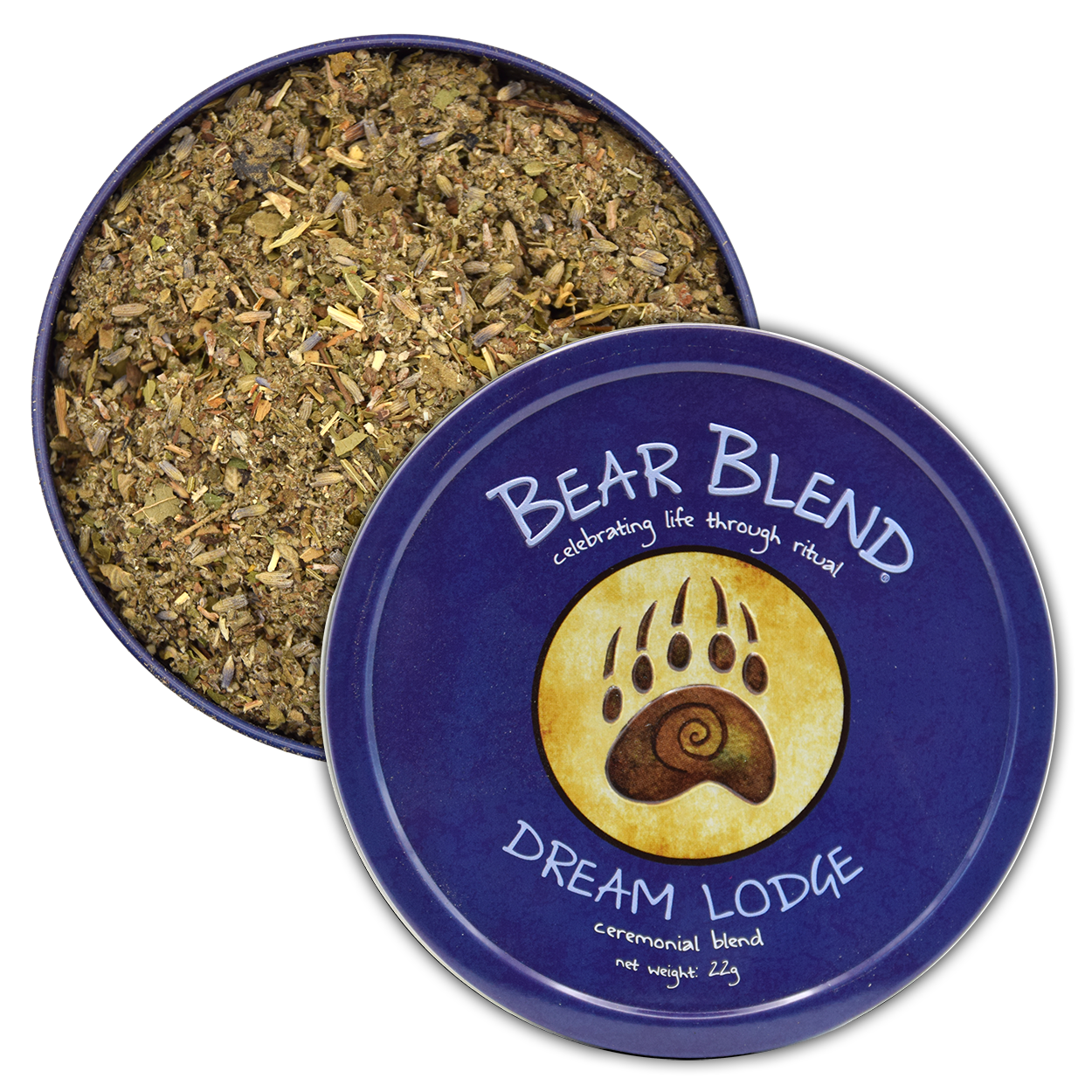
Dream Lodge Herbal Ceremonial Blend
Dream Lodge contains herbs such as wormwood and valerian to create calming and dream-enhan...
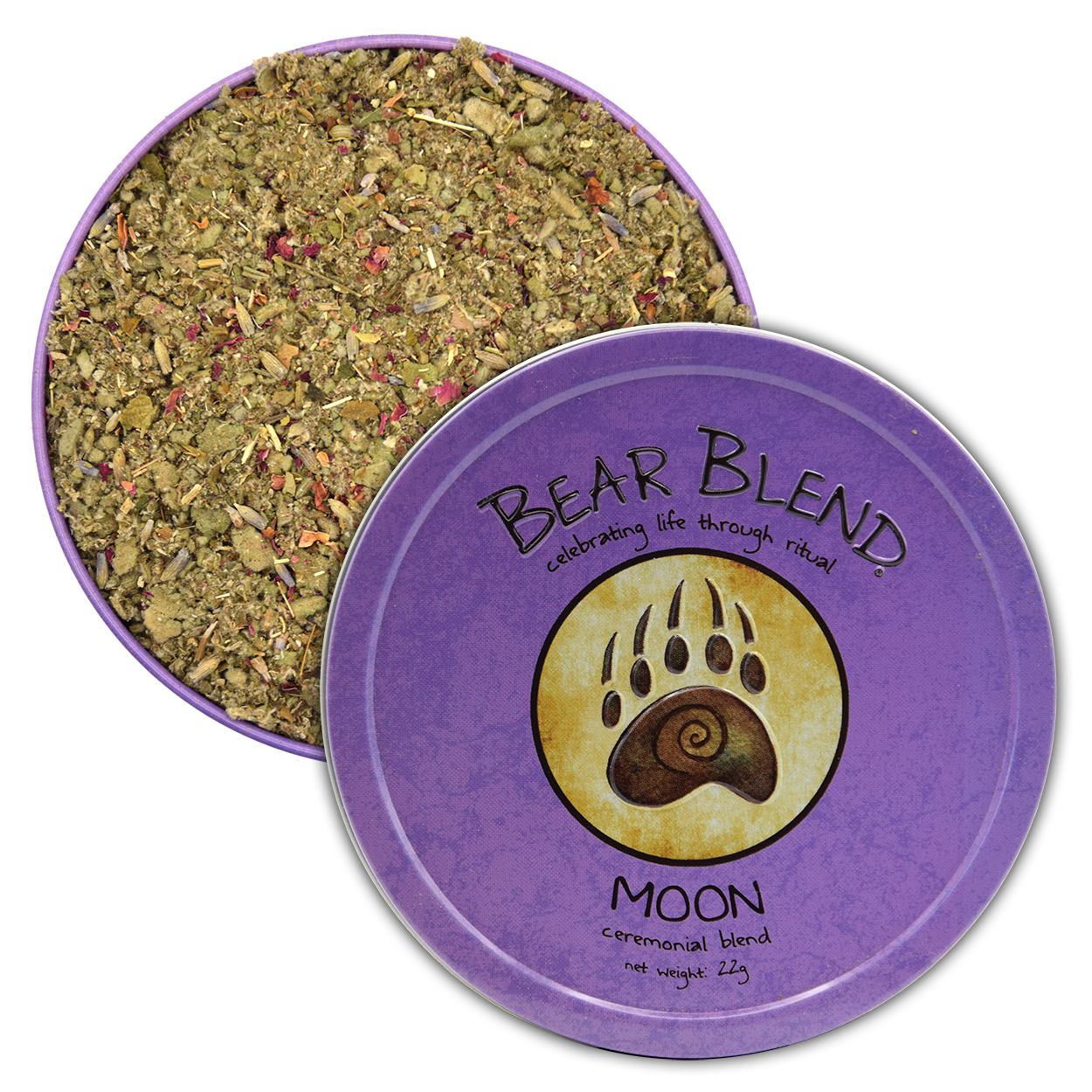
Moon Herbal Ceremonial Blend
The Moon Ceremonial Blend is our most magical blend. With a medium effect, the Moon brings...
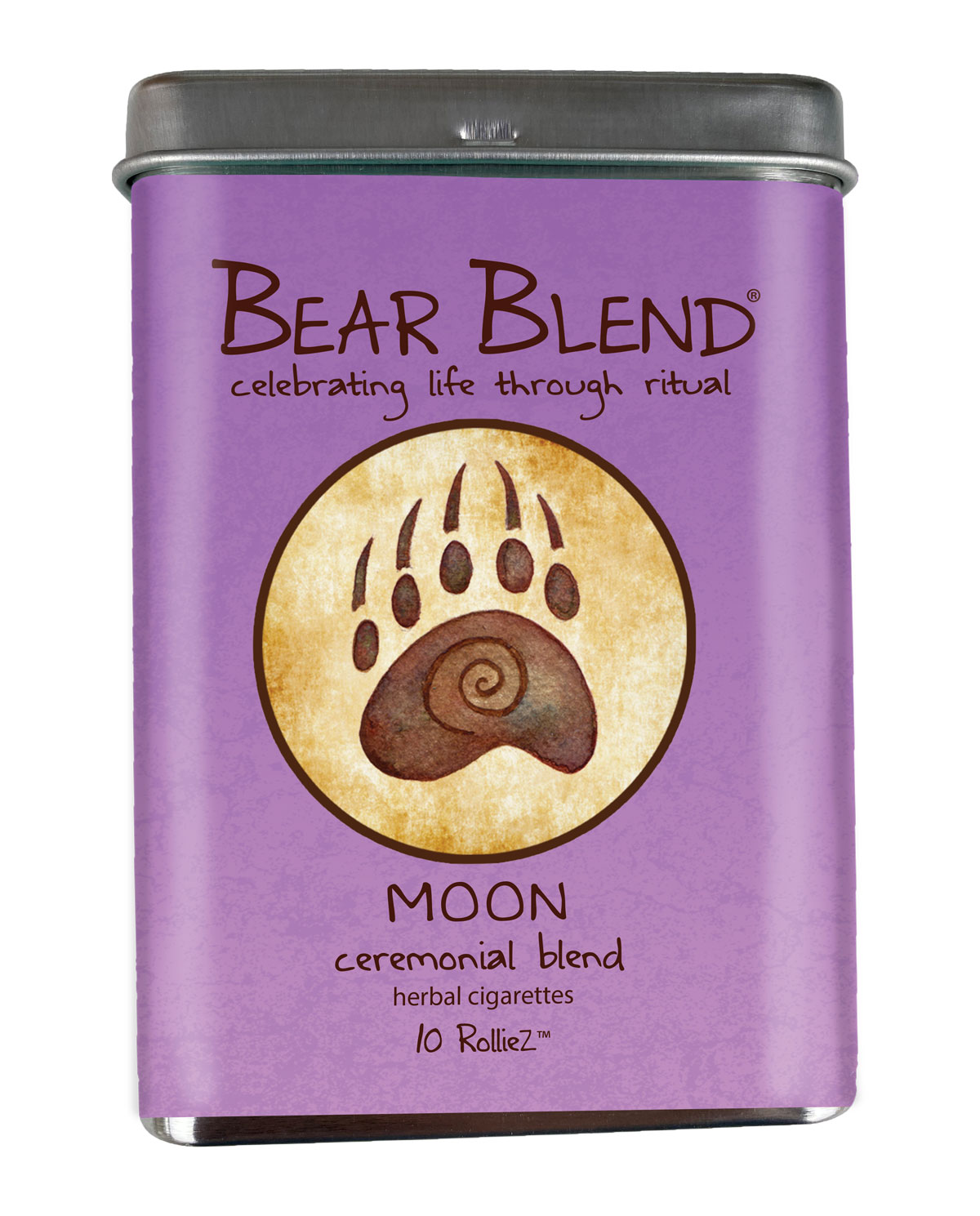
Moon Rolliez
The Moon Ceremonial Blend is our most magical formulation, designed to bring balance and d...
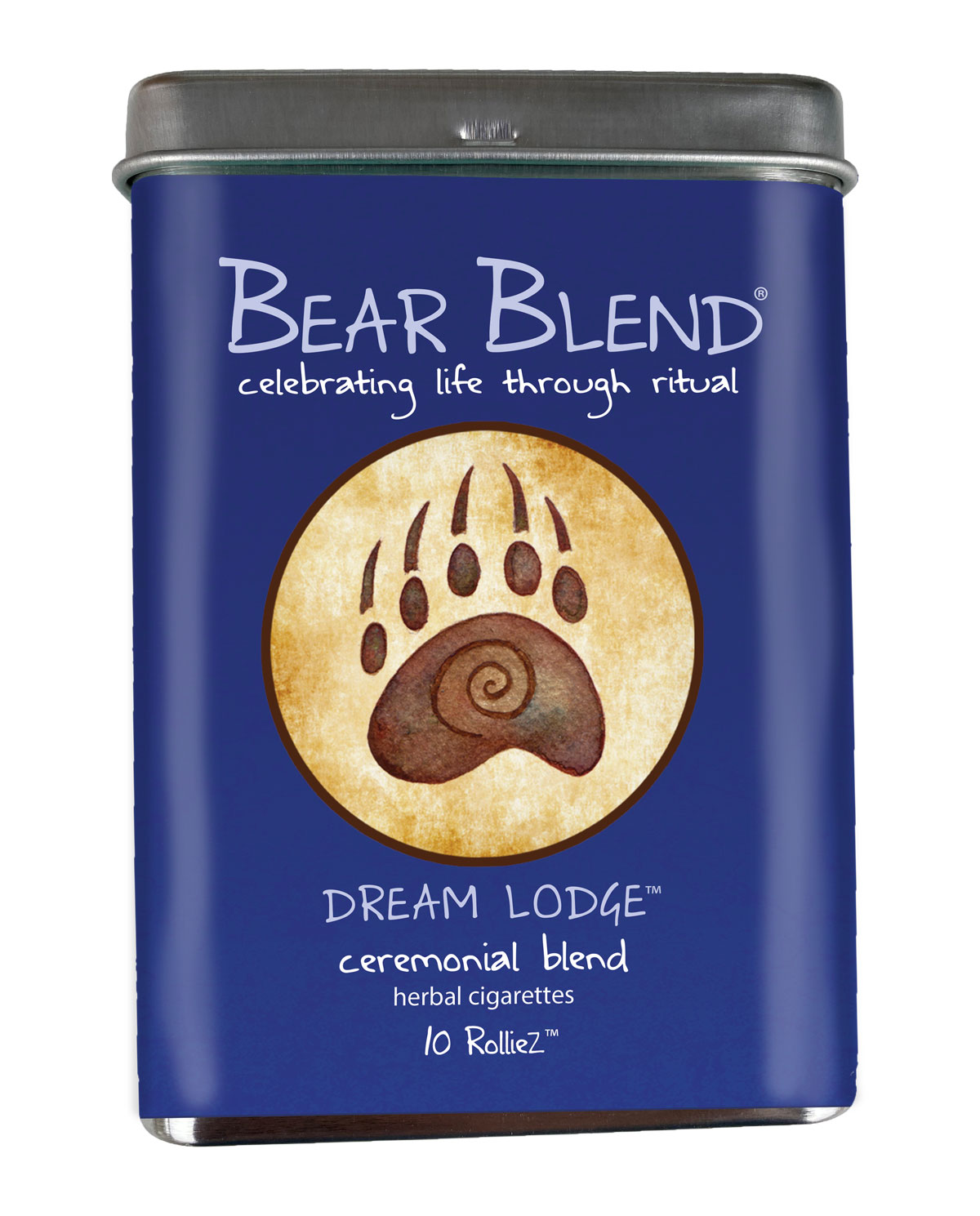
Dream Lodge Rolliez
Dream Lodge contains herbs such as wormwood and valerian to create calming and dream-enhan...
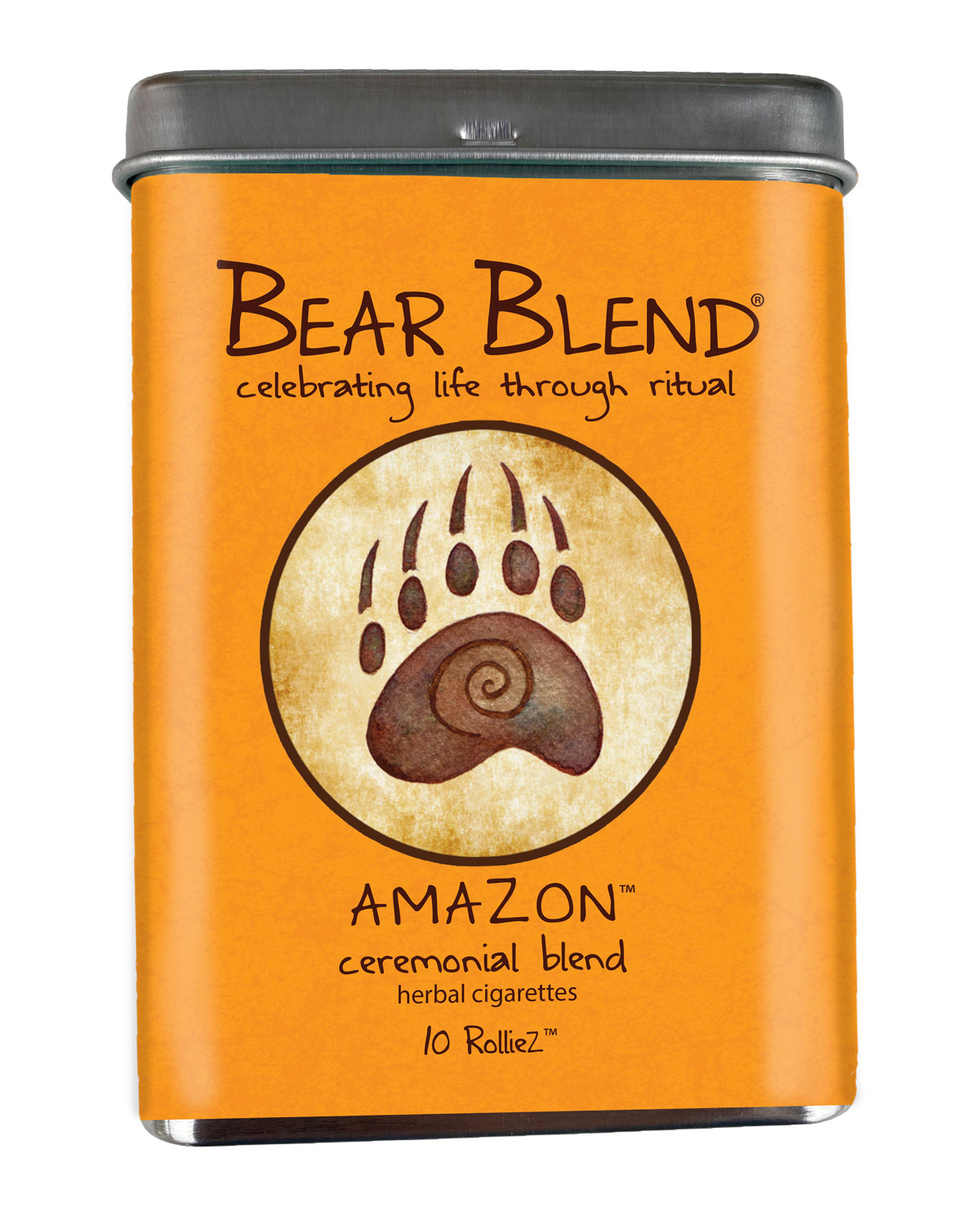
Amazon Rolliez
The Amazon blend is activating and flavorful, with hints of clove and vanilla. Having a me...
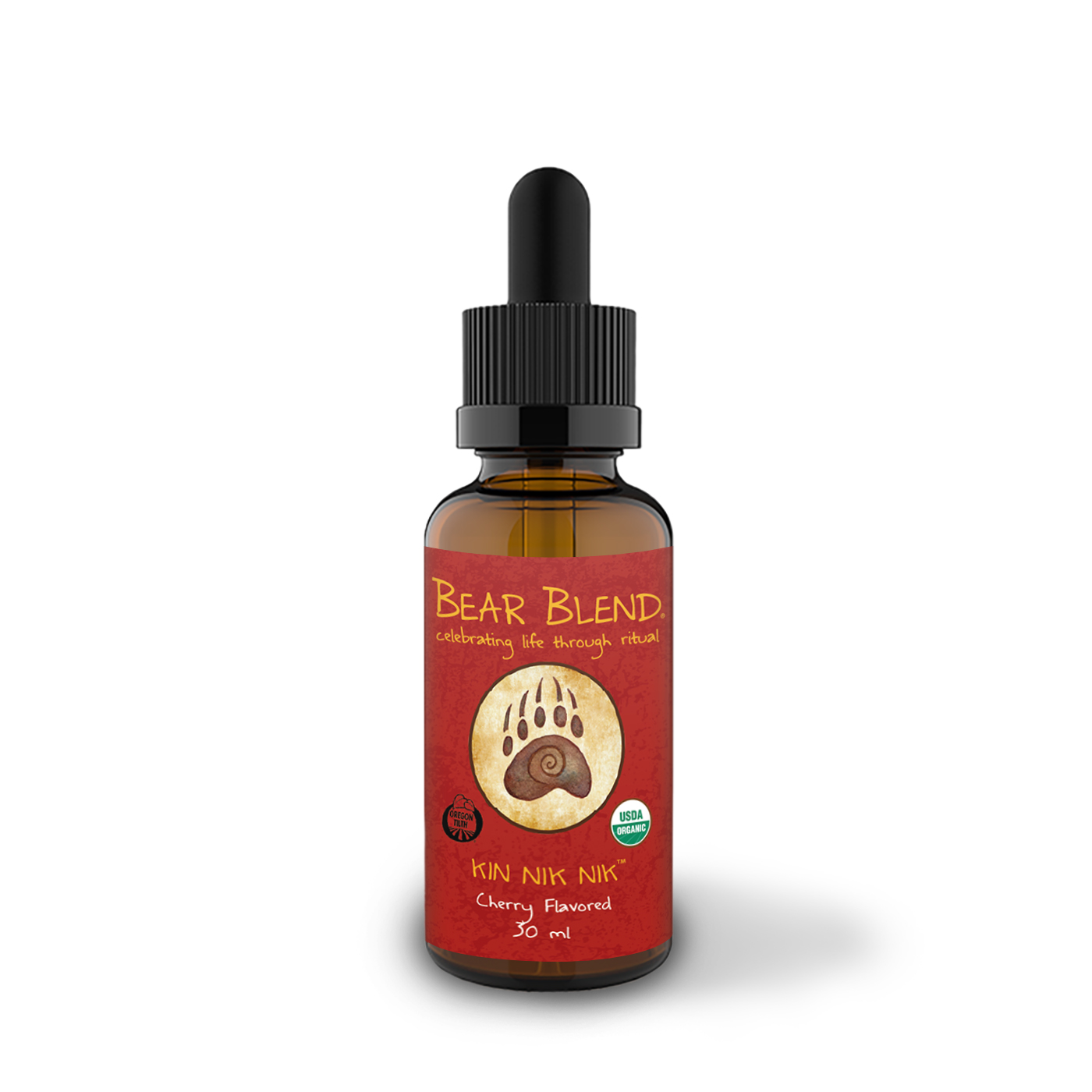
Kin Nik Nik Liquid Herbz (Cherry)
Cherry Flavored Liquid Each bottle comes with 30 milliliters of Kin Nik Nik Liquid Herbz....
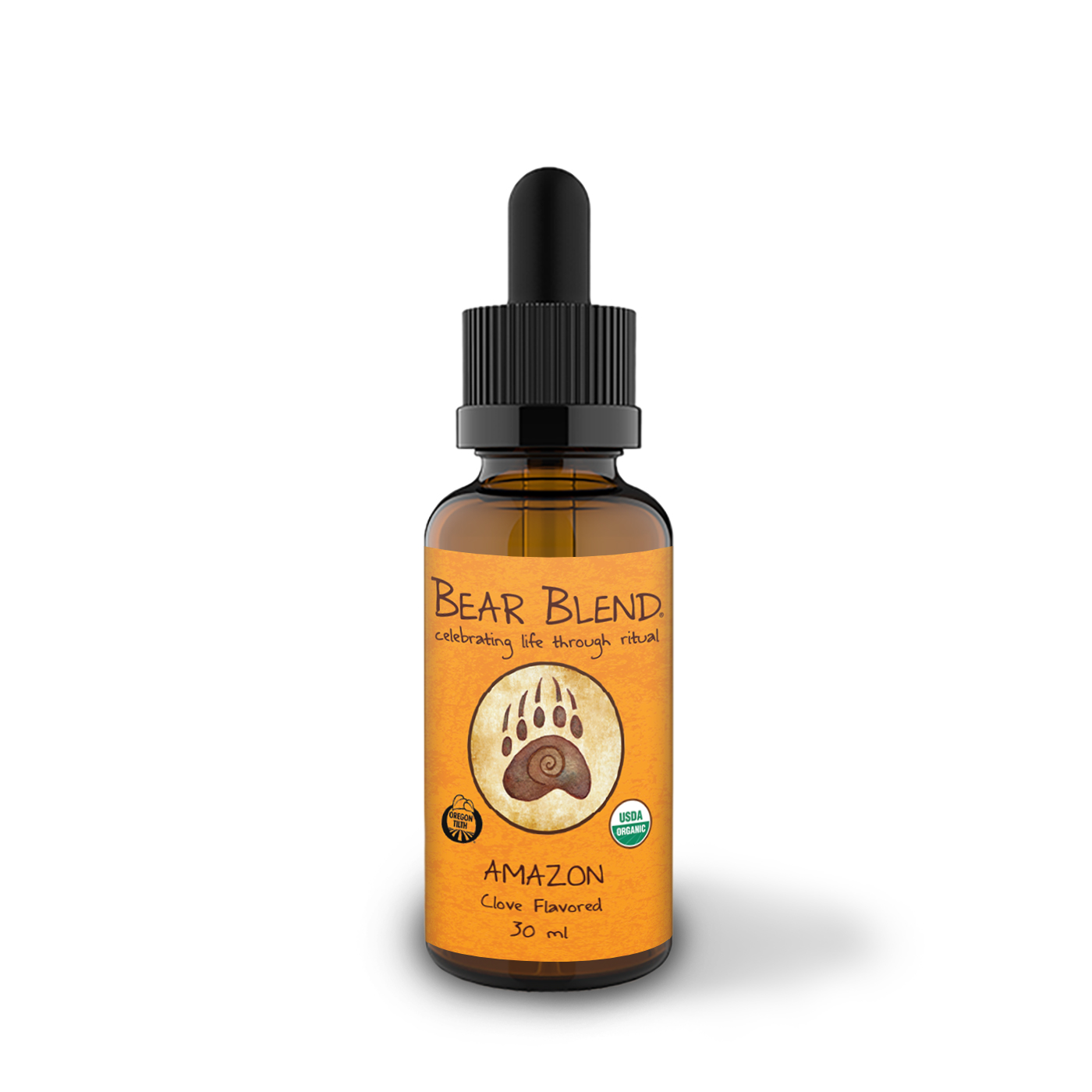
Amazon Liquid Herbz (Clove)
Clove Flavored Liquid Each bottle comes with 30 milliliters of Amazon Liquid Herbz. The Am...
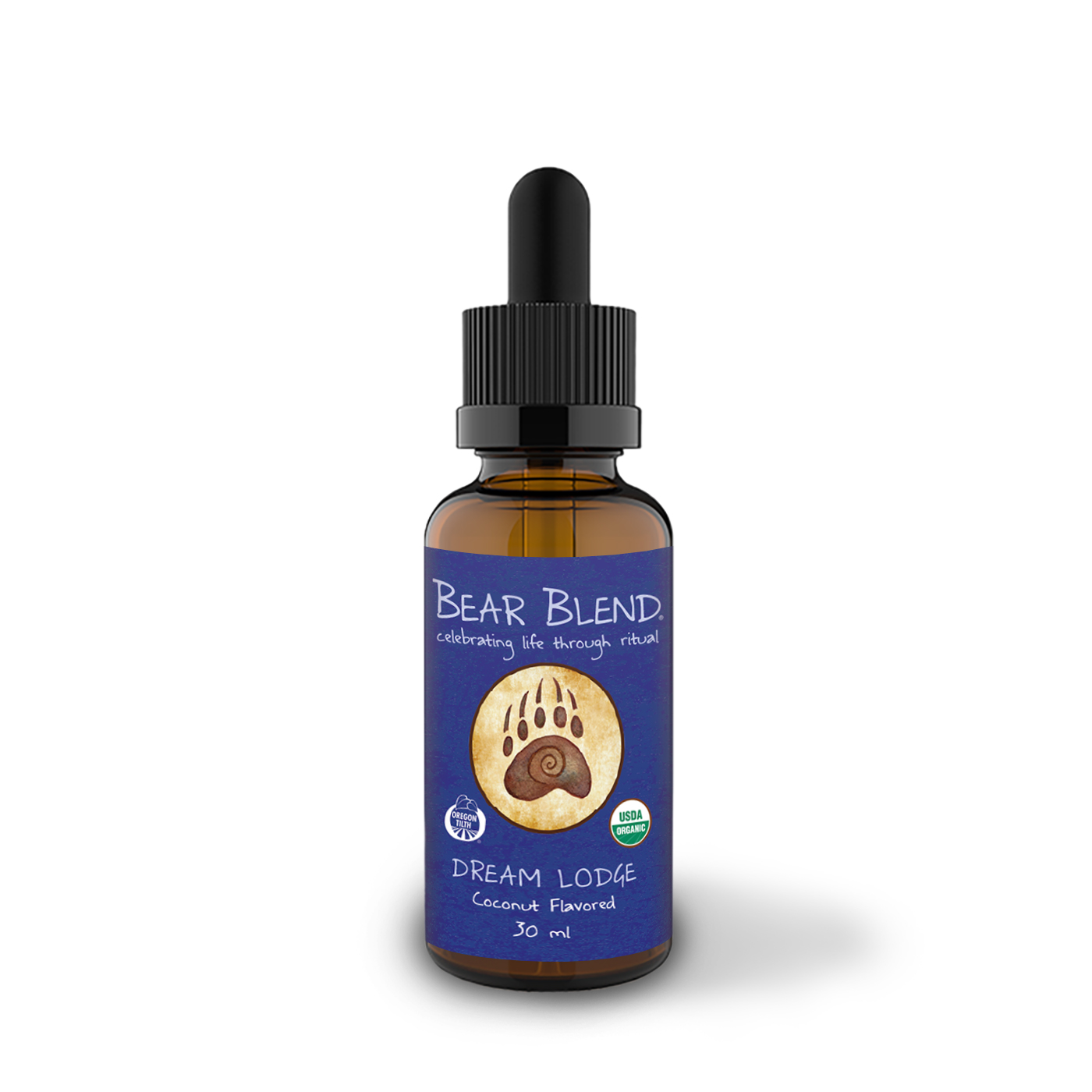
Dream Lodge Liquid Herbz (Coconut)
Coconut Flavored Liquid Herbz Each bottle comes with 30 milliliters of Dream Lodge Liquid...
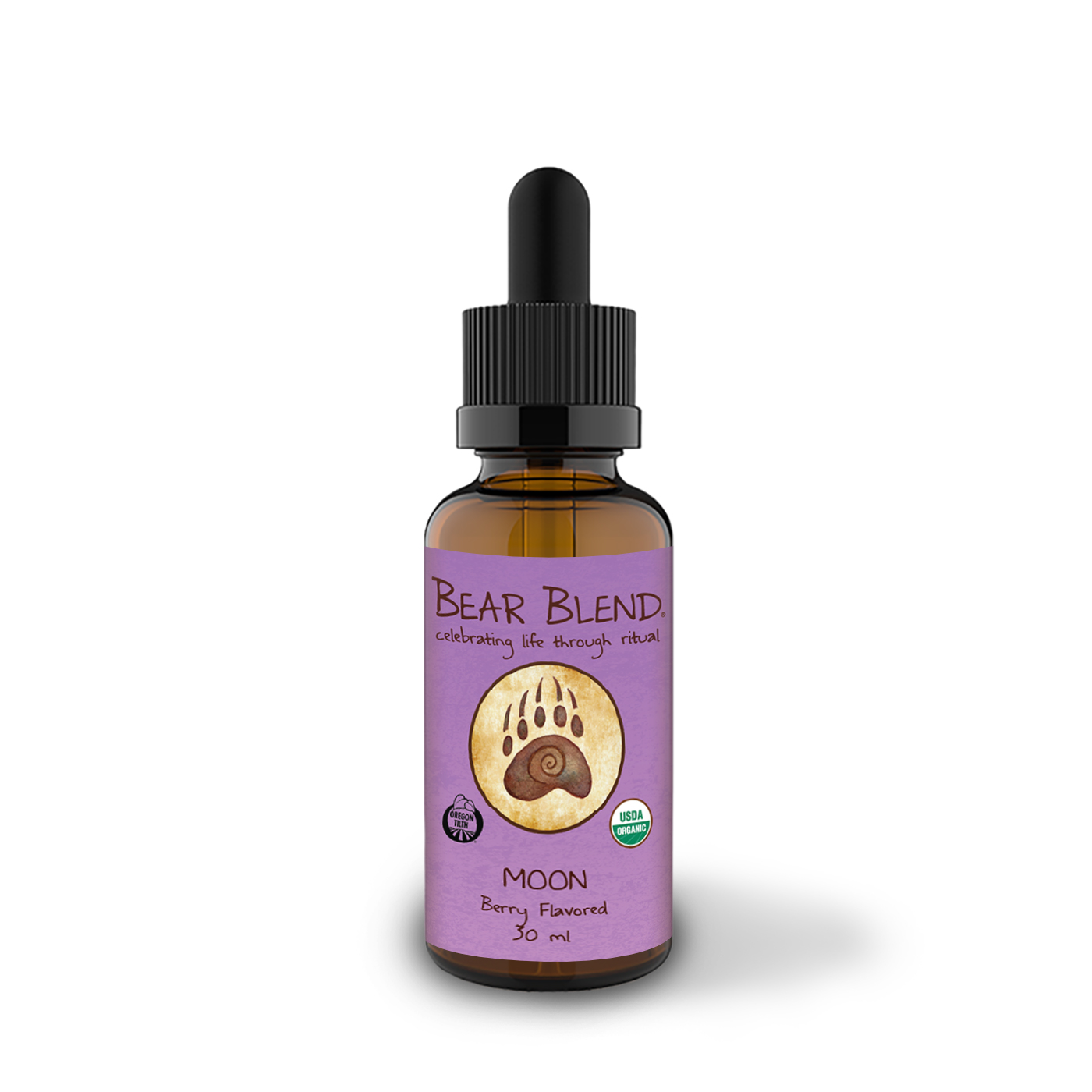
Moon Liquid Herbz (Berry)
Berry Blend Flavored Liquid Each bottle comes with 30 milliliters of Moon Liquid Herbz. Th...
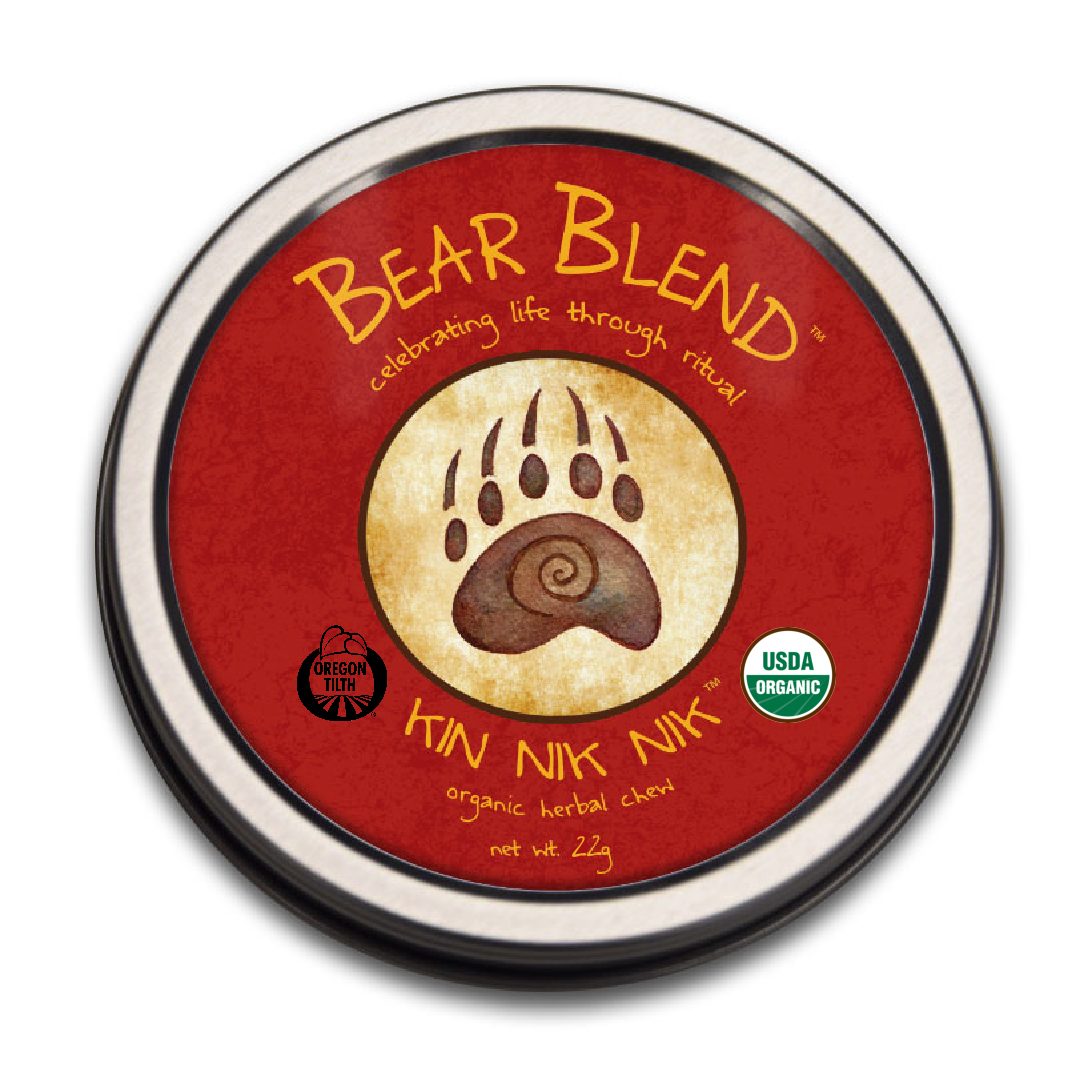
Kin Nik Nik Herbal Chew
The Kin Nik Nik blend is peaceful and cerebral, with a hint of lavender. Intended to help...
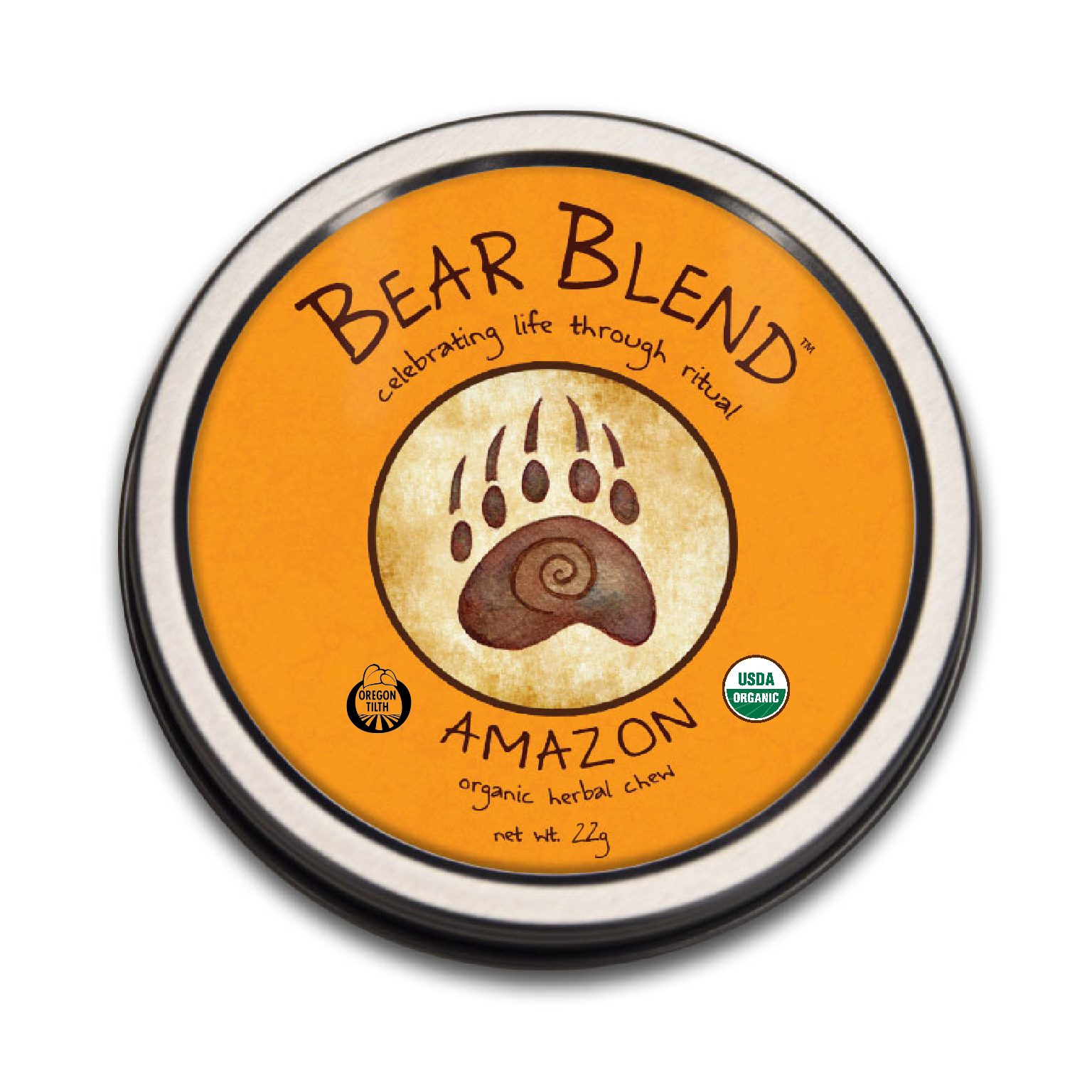
Amazon Herbal Chew
The Amazon blend is activating and flavorful, with clove and a hint of vanilla. Having a m...
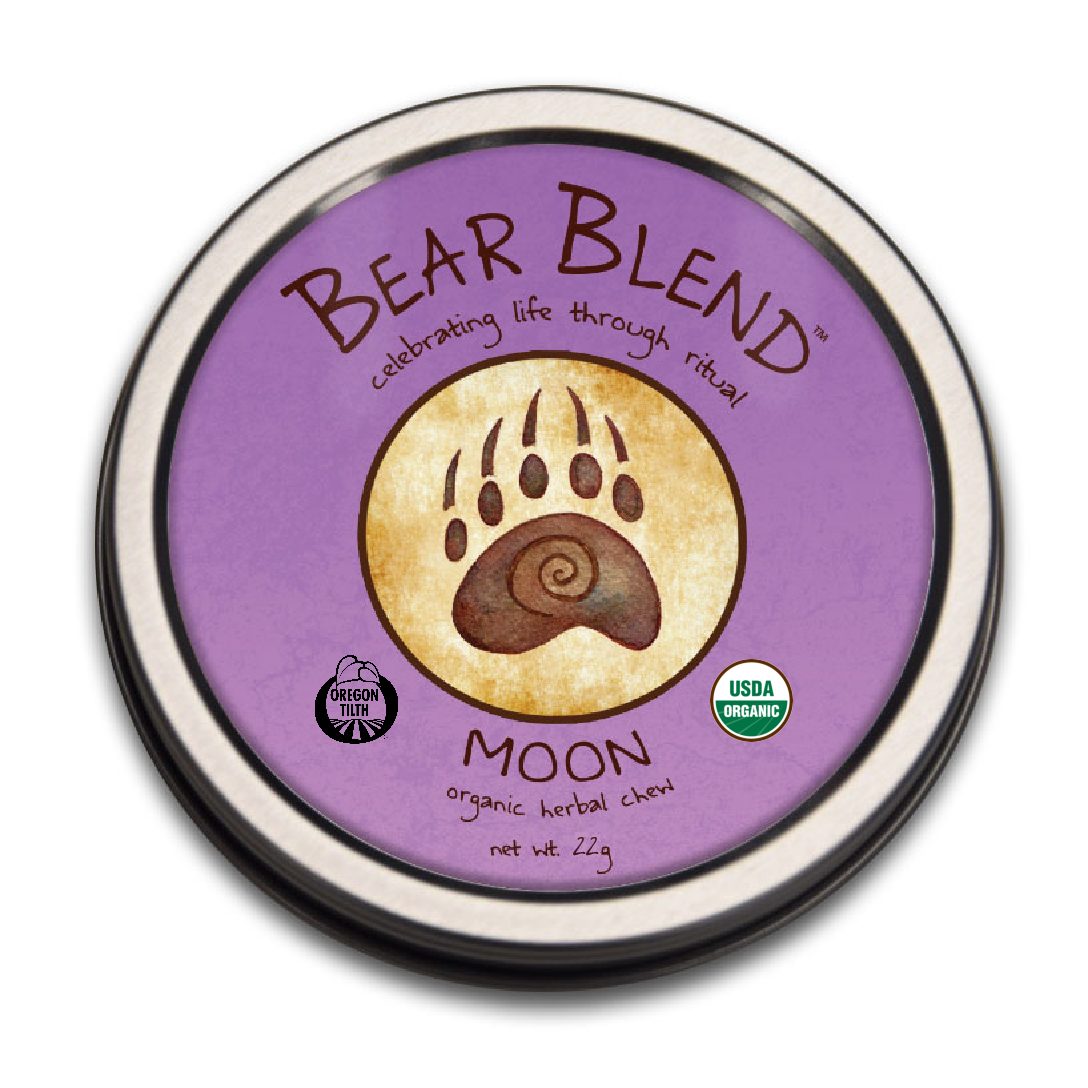
Moon Herbal Chew
The Moon Ceremonial Blend is our most magical blend. With a medium effect, the Moon brings...
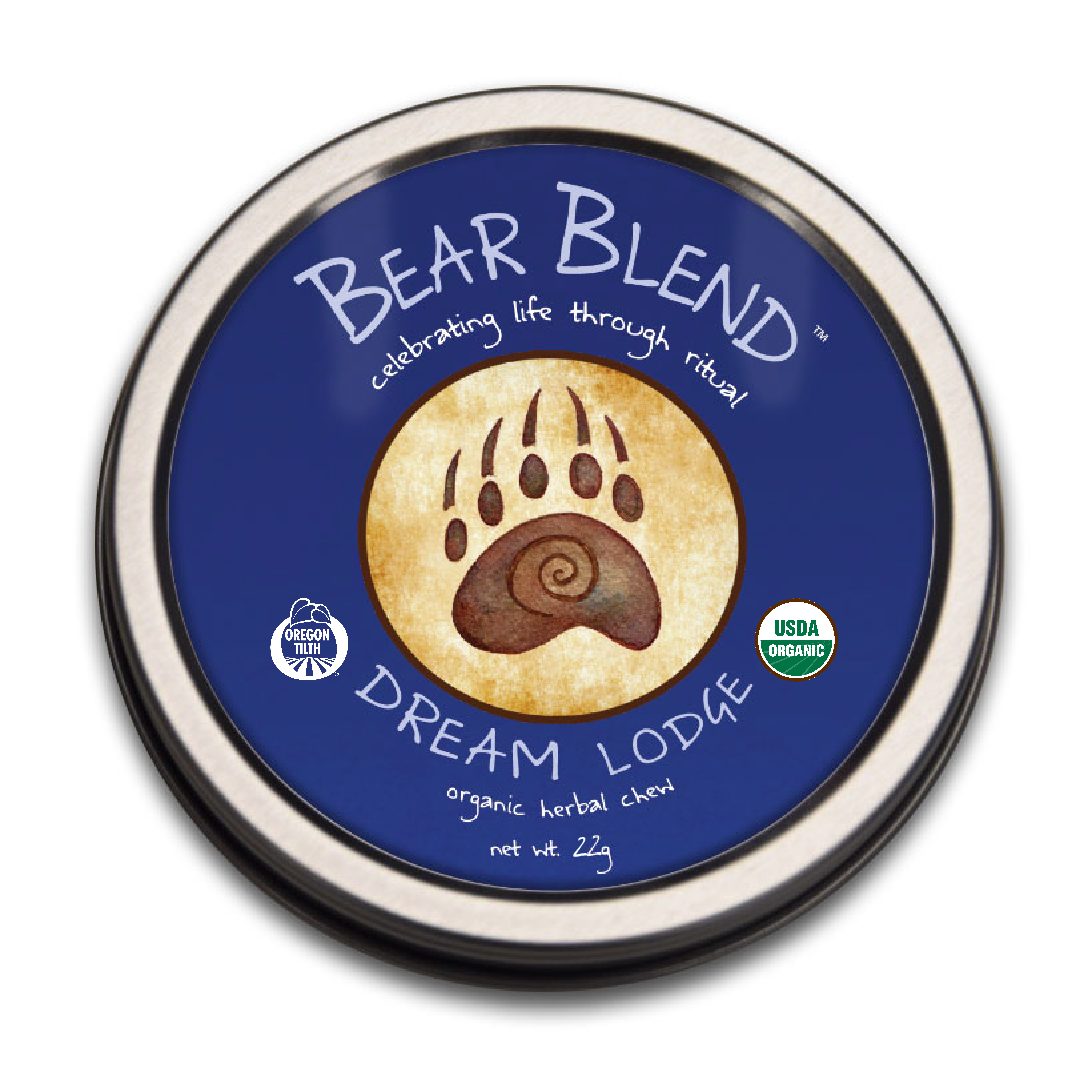
Dream Lodge Herbal Chew
Dream Lodge is a powerful blend with hops and valerian. It is calming and dream enhancing...
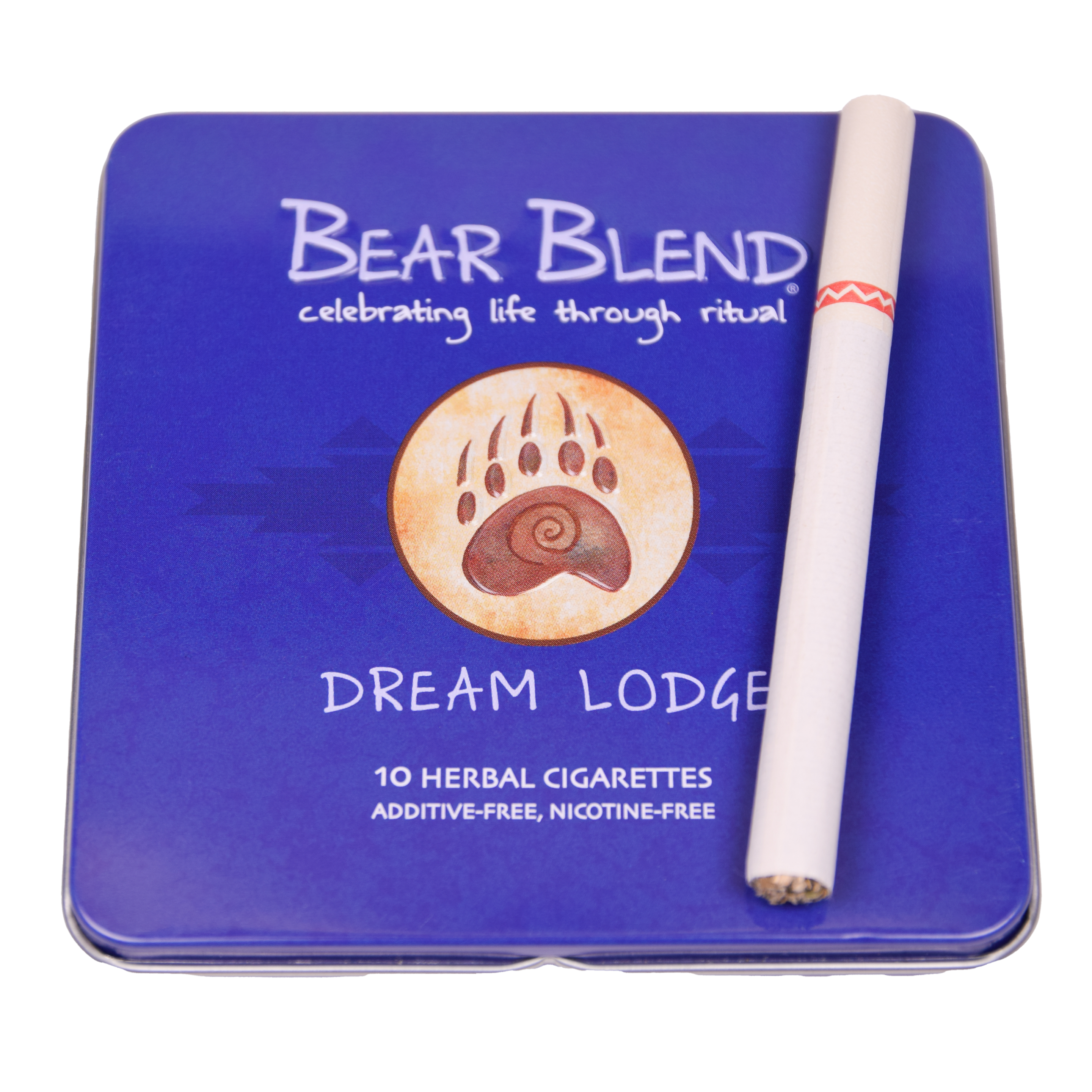
Dream Lodge Herbal Cigarettes
Experience the familiar ritual of smoking, completely reimagined. Dream Lodge is one of ou...
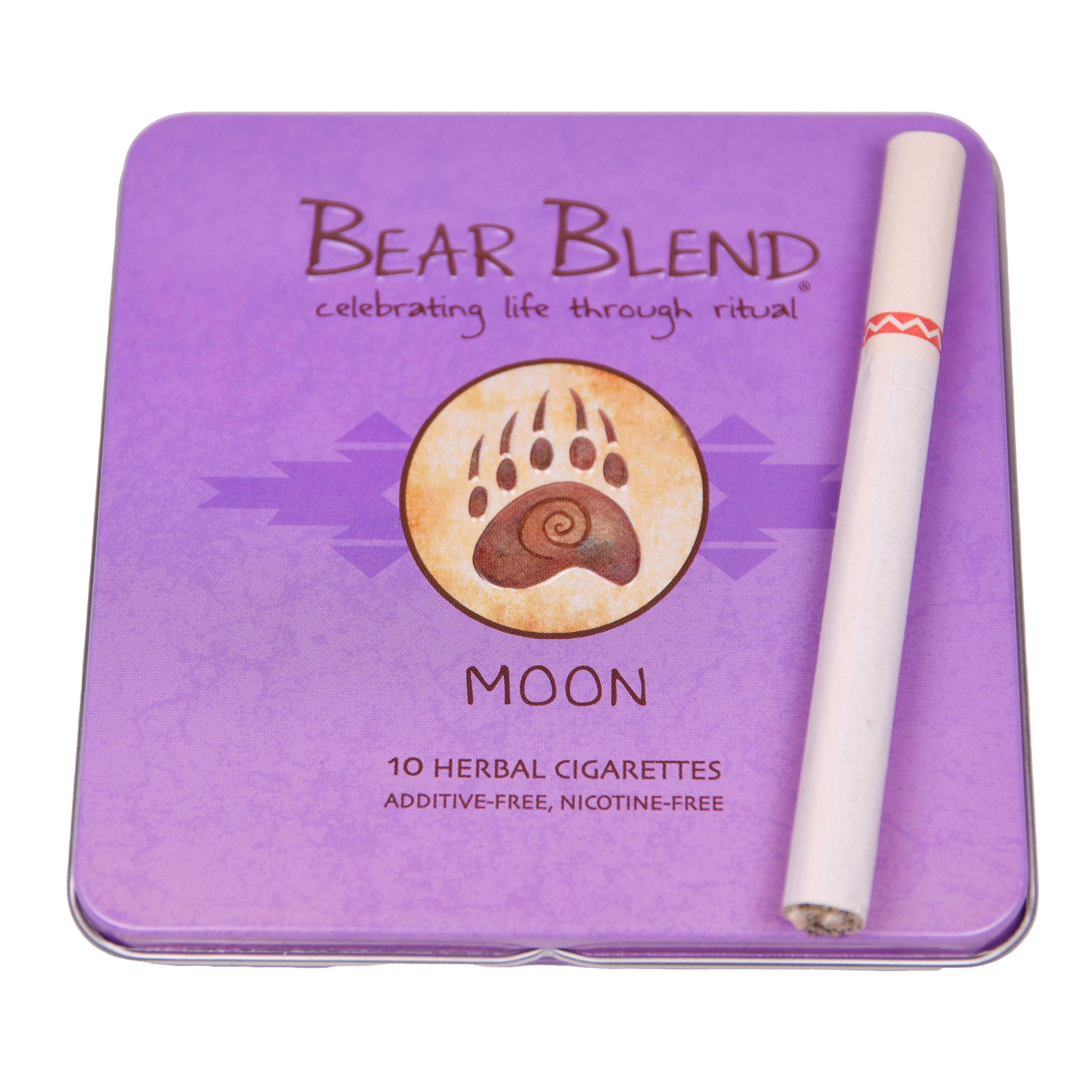
Moon Herbal Cigarettes
Experience the familiar ritual of smoking, completely reimagined. Moon is a soft, floral c...
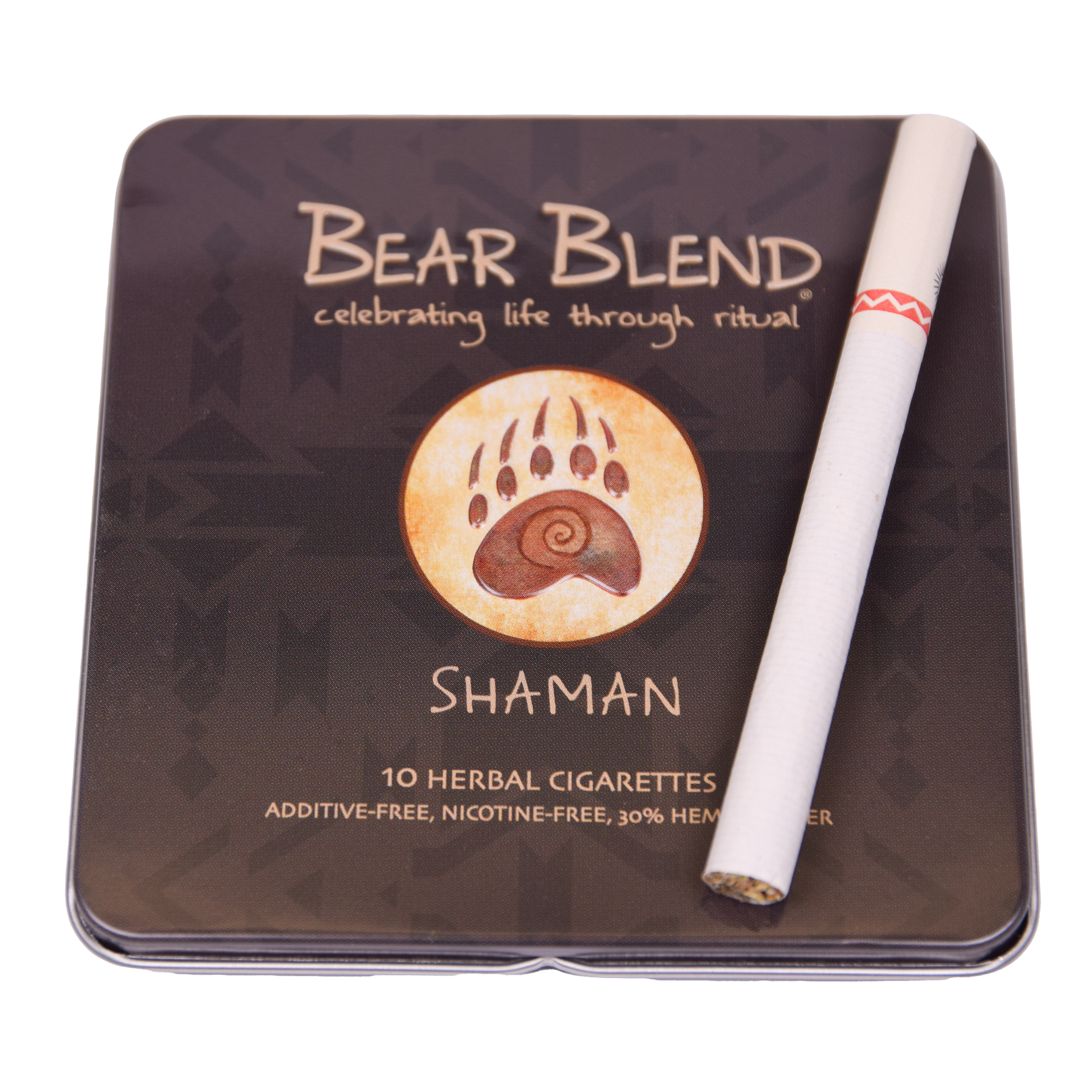
Shaman Herbal Cigarettes
Each tin comes with 10 Shaman Cigarettes, which contains 30% hemp flower.Shaman is an arom...
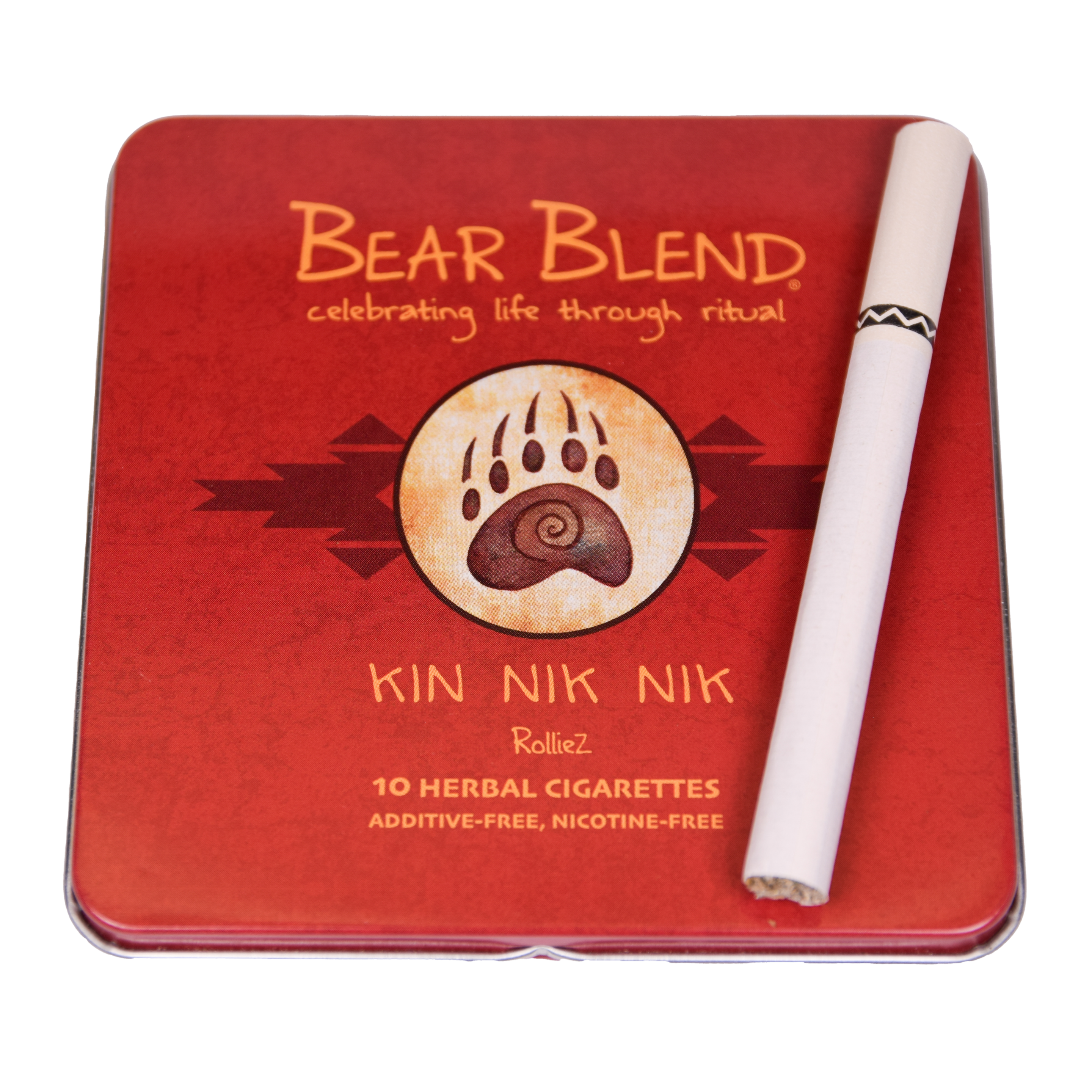
Kin Nik Nik Herbal Cigarettes
Experience the familiar ritual of smoking, completely reimagined. Kin Nik Nik is a smooth,...
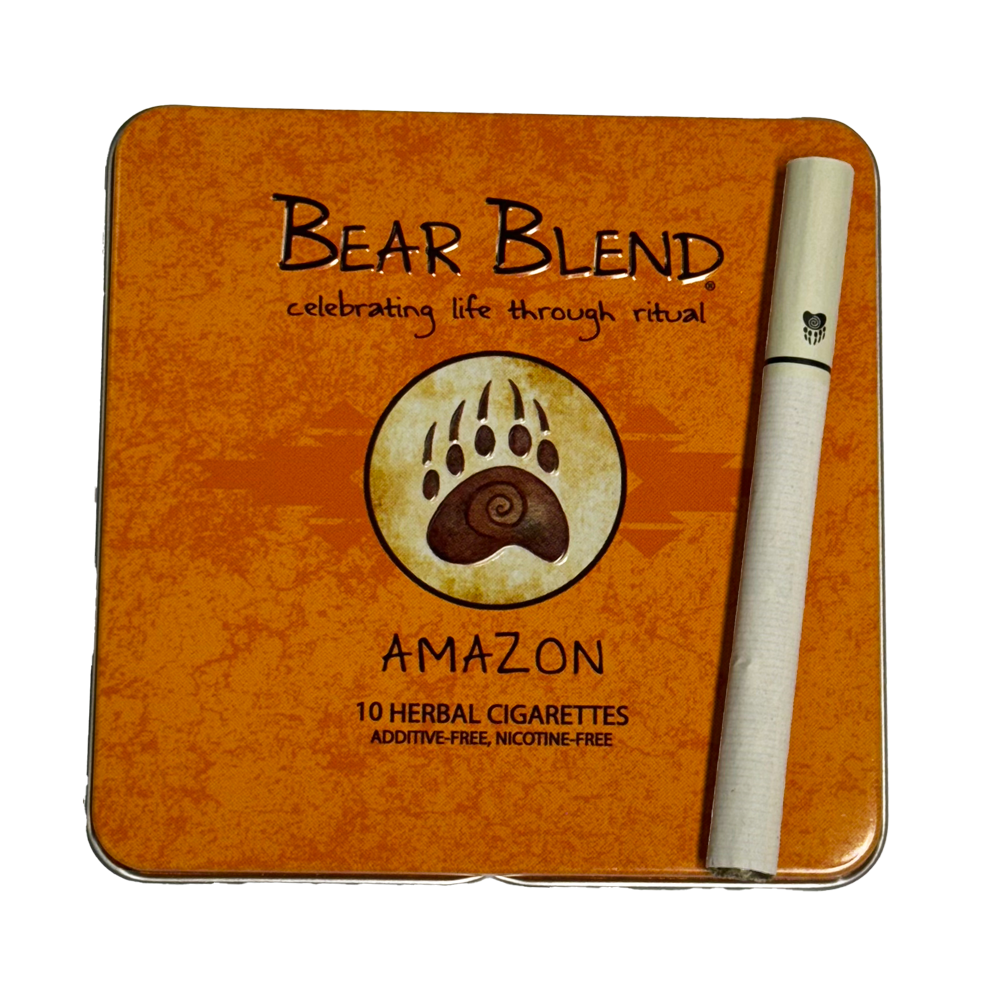
Amazon Herbal Cigarettes
Experience the familiar ritual of smoking, completely reimagined. Amazon is our rich, full...
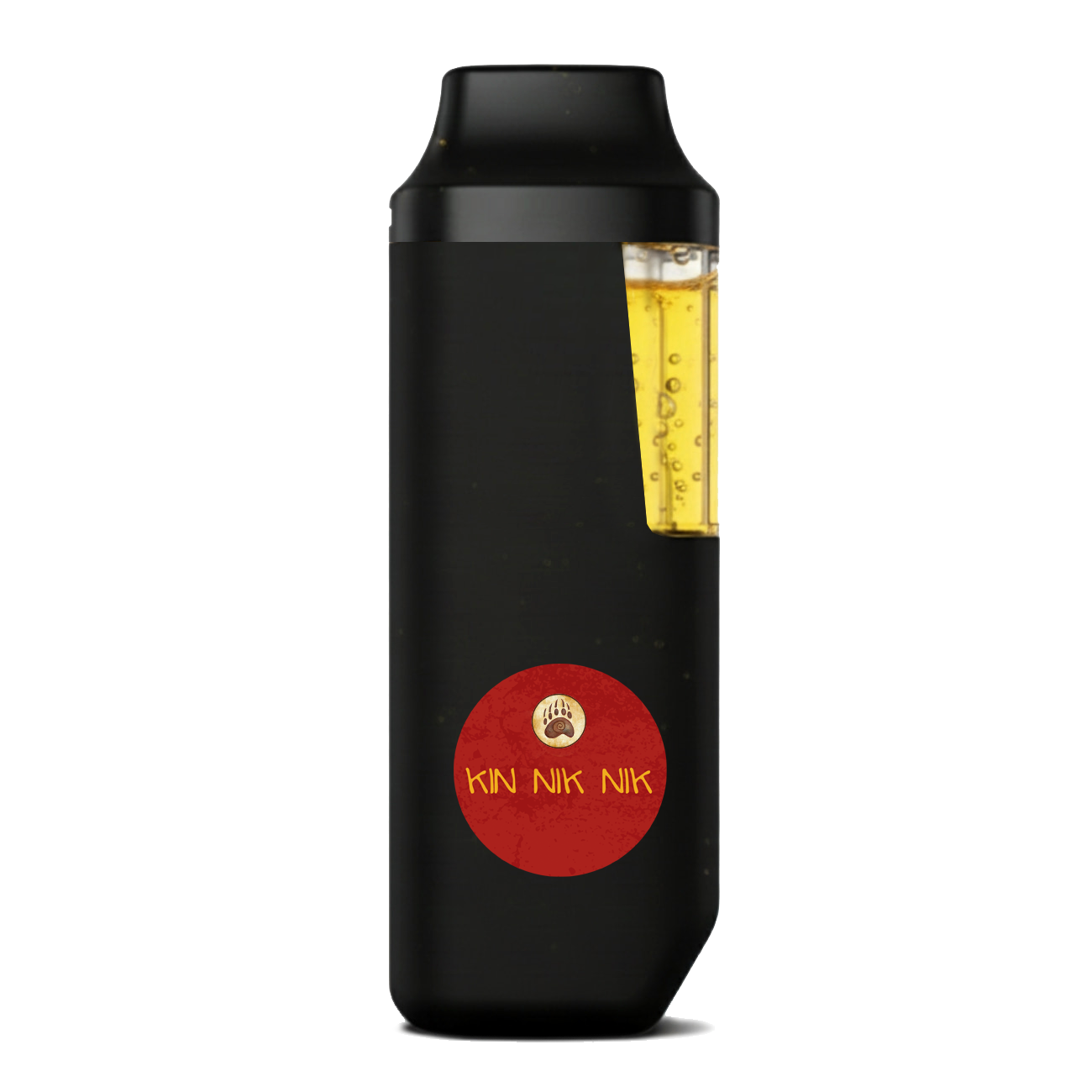
Bear Blend Kin Nik Nik Herbal Diffuser — 2ml Disposable (Cherry)
A prefilled 2 mL disposable diffuser featuring the Kin Nik Nik blend — a smooth, aromatic...
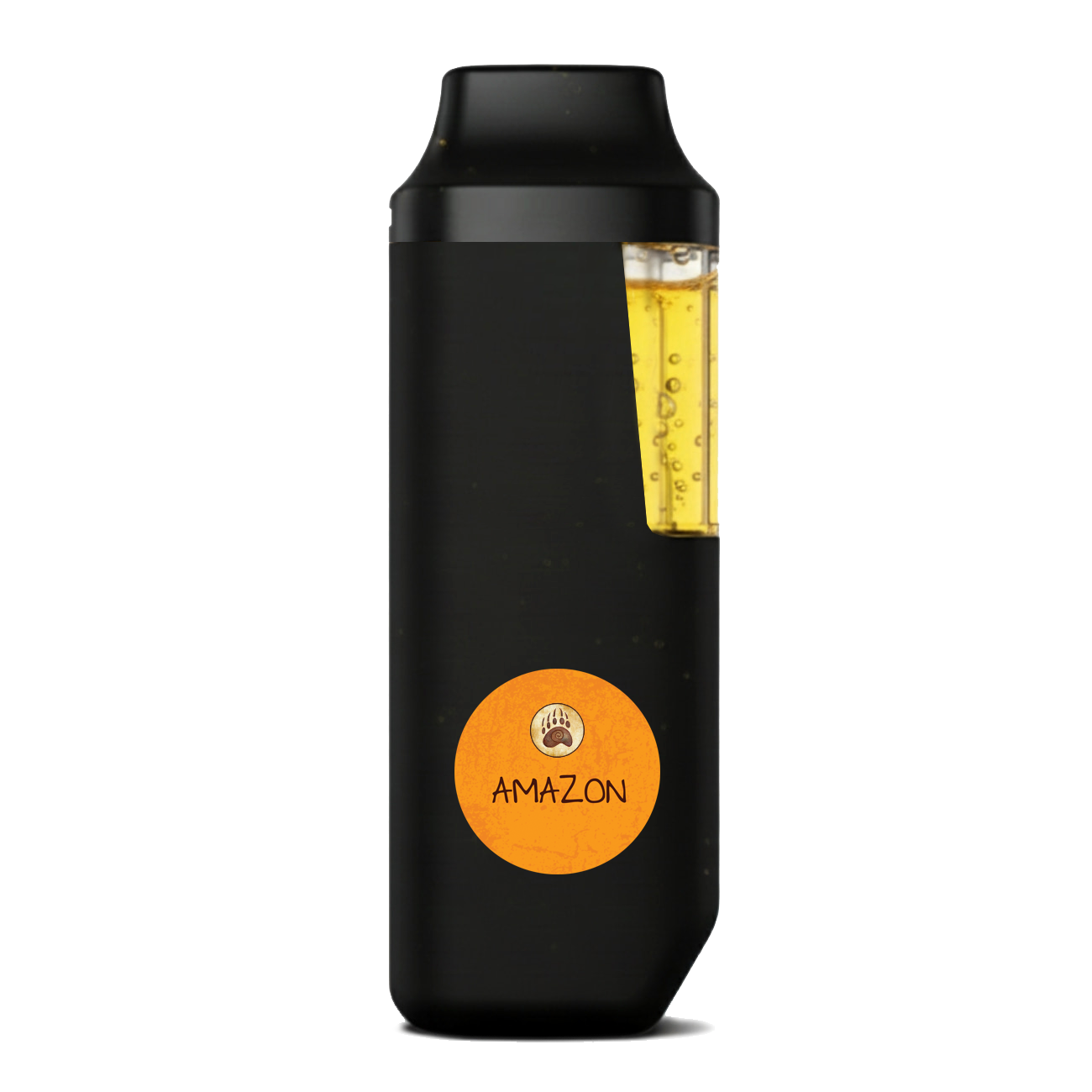
Bear Blend Amazon Herbal Diffuser — 2ml Disposable (Clove)
A prefilled 2 mL disposable diffuser featuring the Amazon blend — an activating, clove-for...
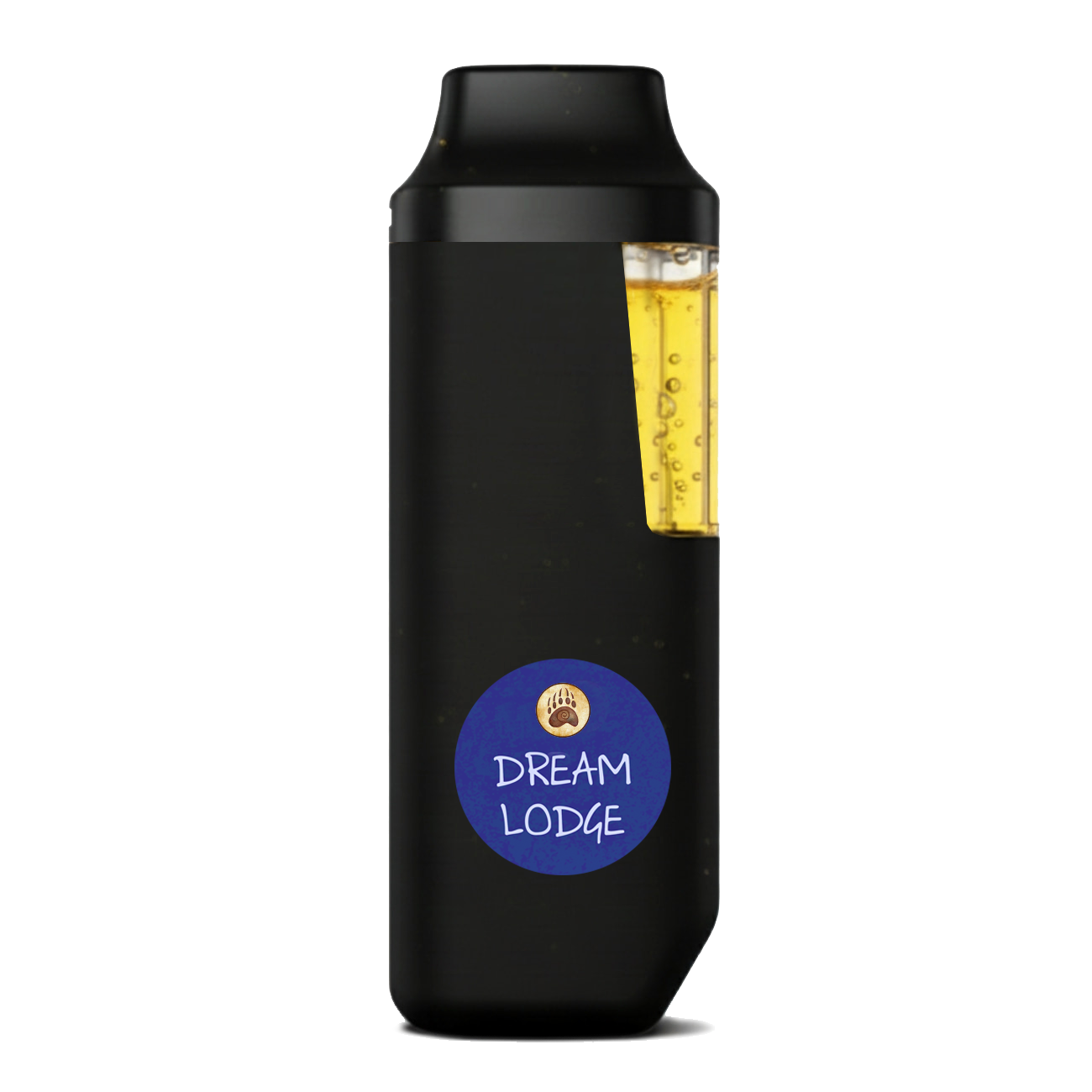
Bear Blend Dream Lodge Herbal Diffuser — 2ml Disposable (Coconut)
A prefilled 2 mL disposable diffuser featuring the Dream Lodge blend — a deep, calming eve...
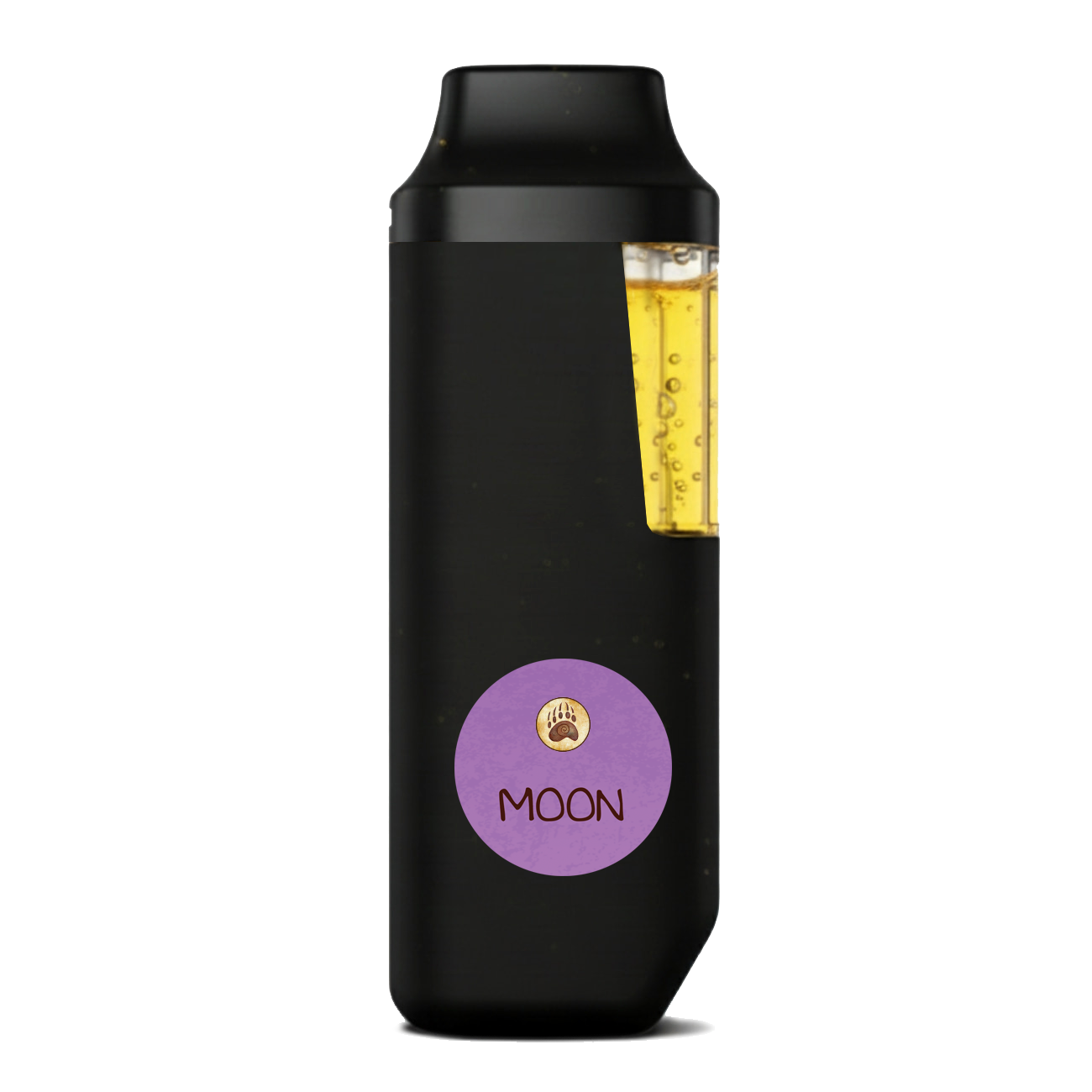
Bear Blend Moon Herbal Diffuser — 2ml Disposable (Berry)
A prefilled 2 mL disposable diffuser featuring the Moon blend — our most ceremonial blend,...
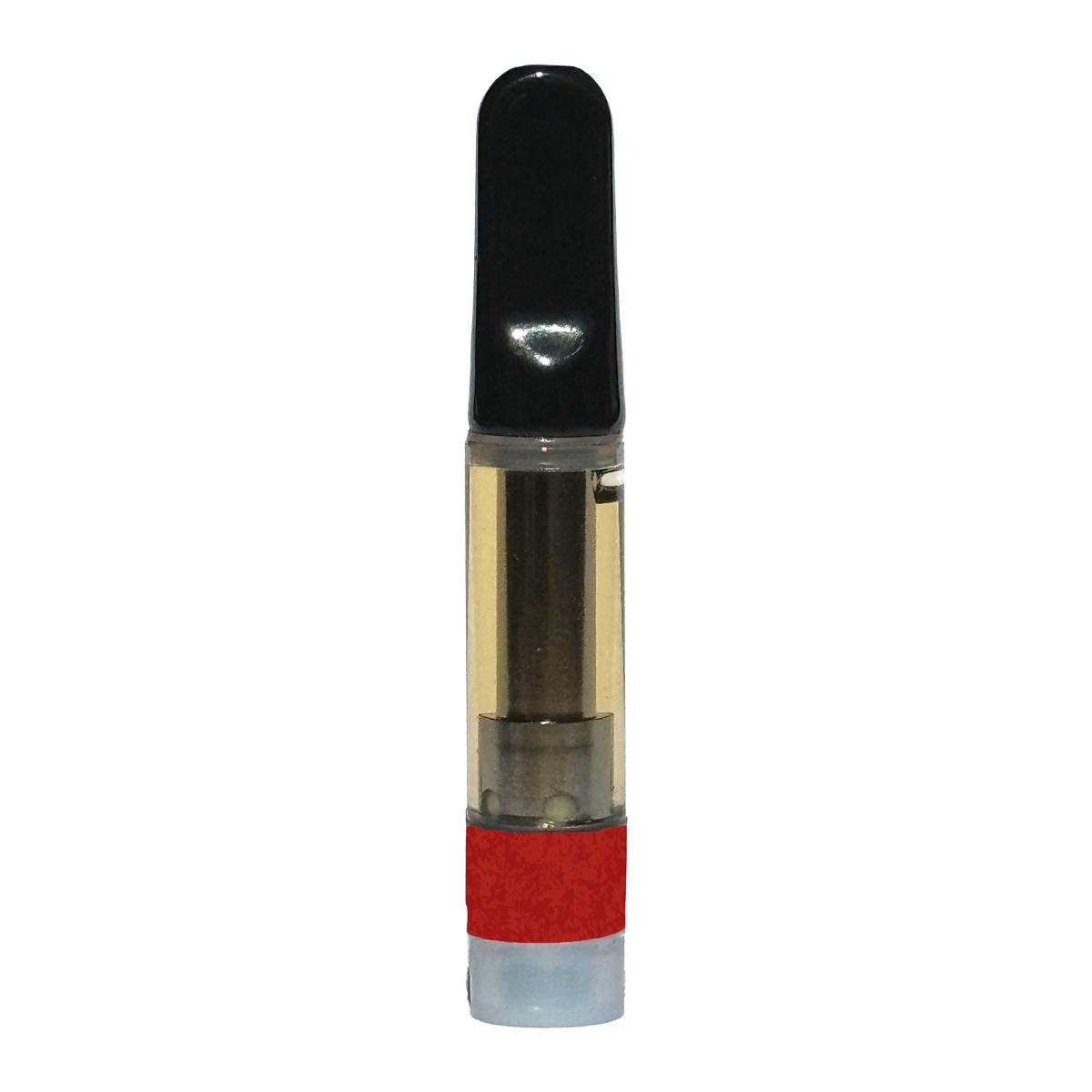
Bear Blend Kin Nik Nik Herbal Diffuser Cartridge — 1ml (Cherry)
A 1 mL refillable 510-thread diffuser cartridge featuring the Kin Nik Nik blend — a smooth...
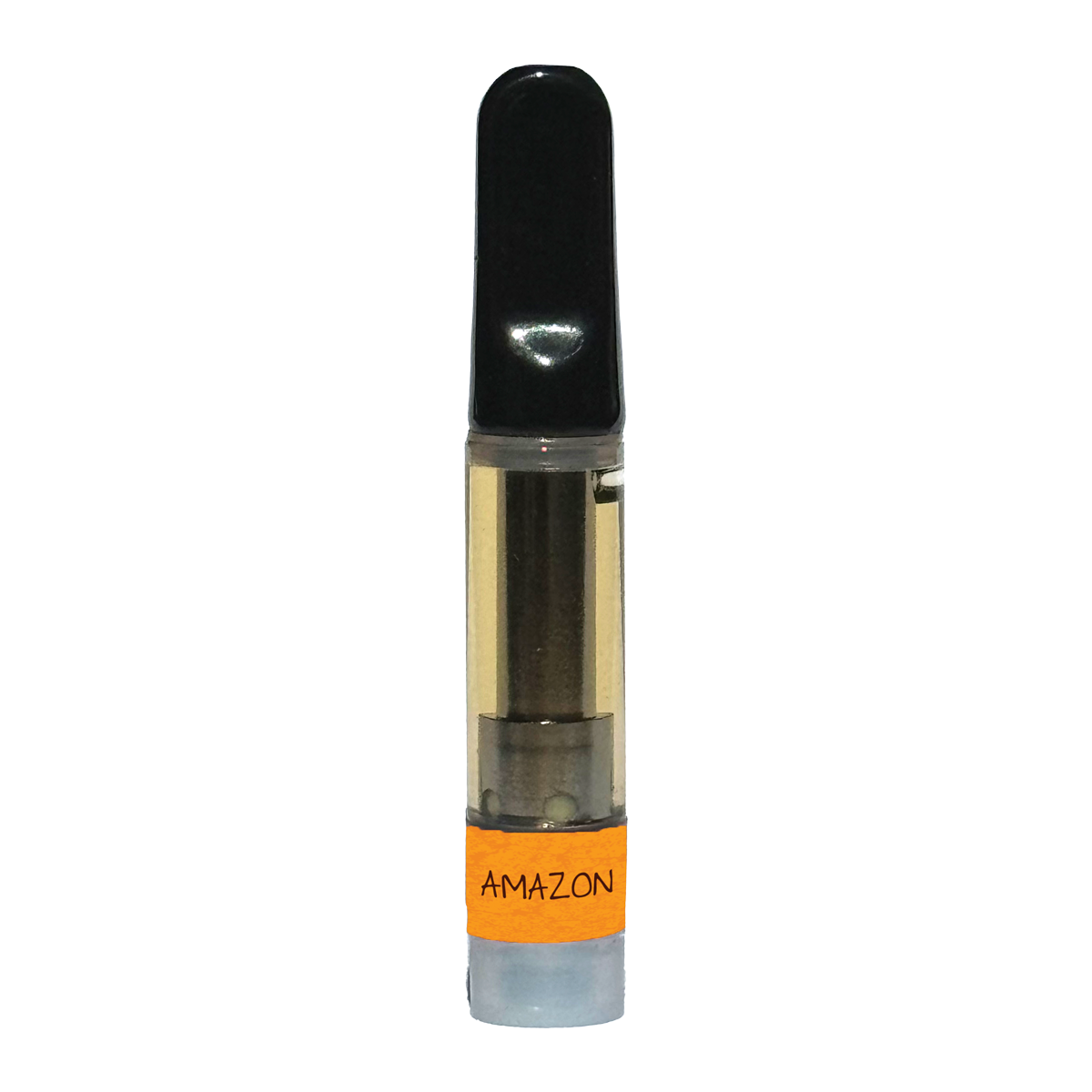
Bear Blend Amazon Herbal Diffuser Cartridge — 1ml (Clove)
A 1 mL refillable 510-thread diffuser cartridge featuring the Amazon blend — an activating...
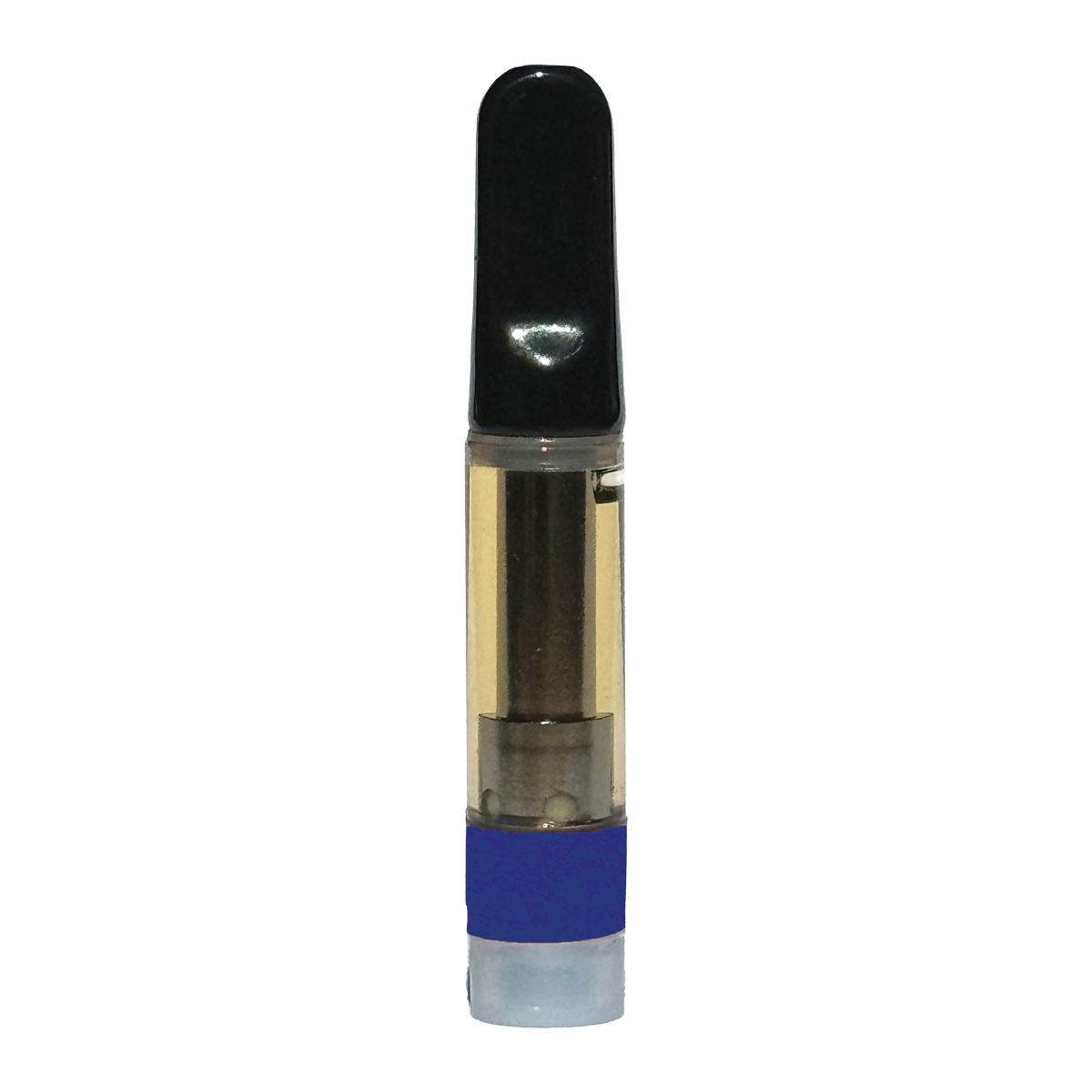
Bear Blend Dream Lodge Herbal Diffuser Cartridge — 1ml (Coconut)
A 1 mL refillable 510-thread diffuser cartridge featuring the Dream Lodge blend — a deep,...
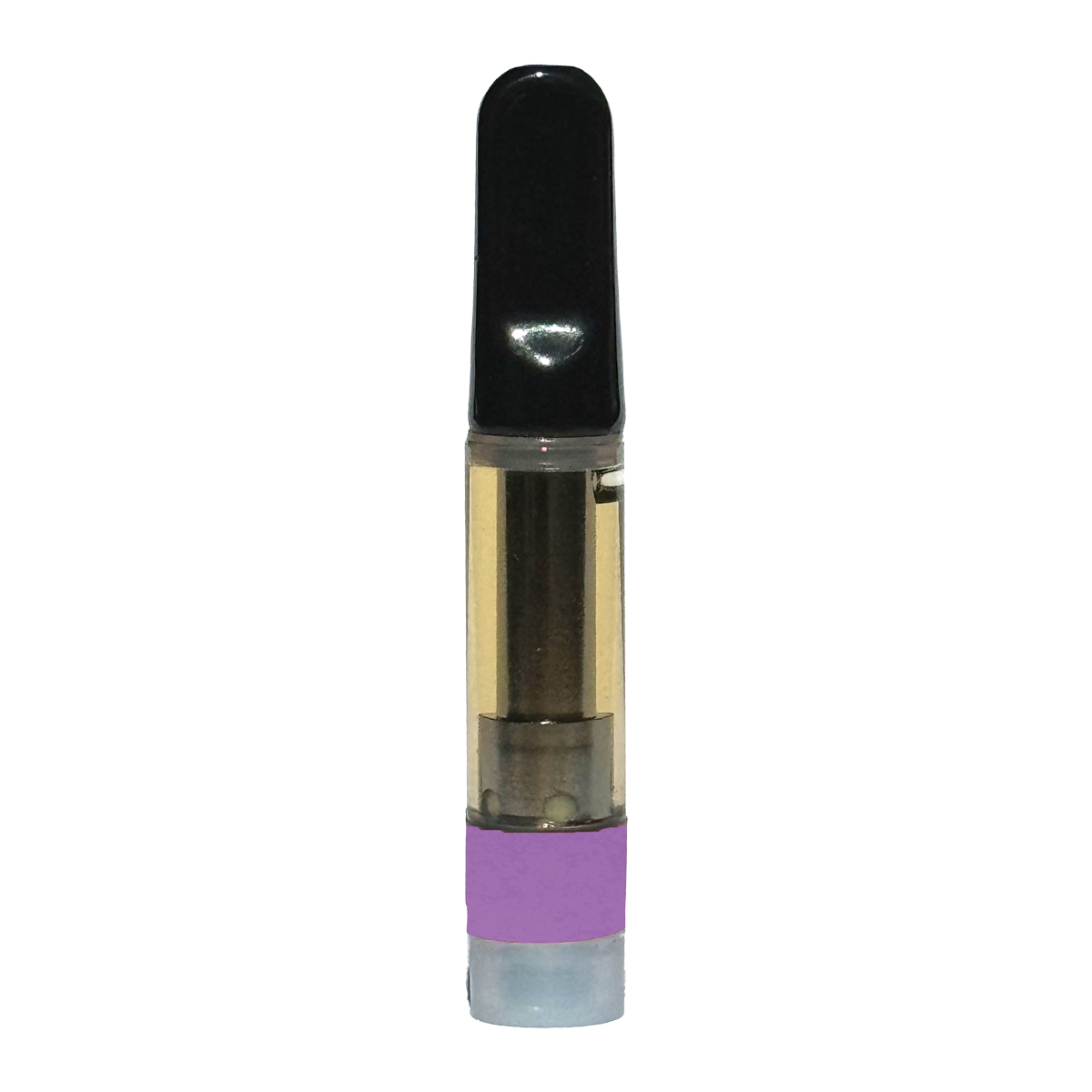
Bear Blend Moon Herbal Diffuser Cartridge — 1ml (Berry)
A 1 mL refillable 510-thread diffuser cartridge featuring the Moon blend — our most ceremo...
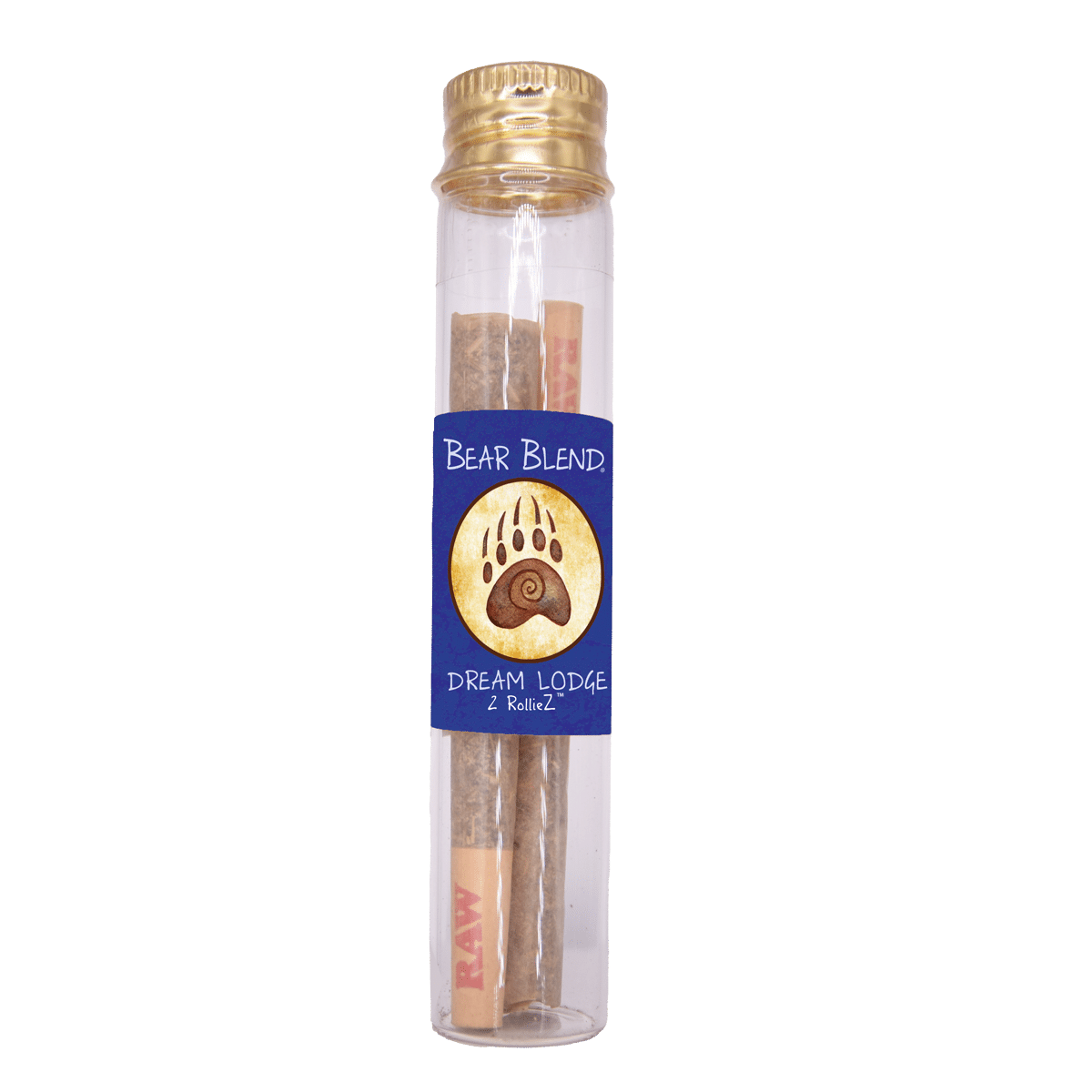
Tube of Two Dream Lodge Rolliez
Dream Lodge contains herbs such as wormwood and valerian to create calming and dream-enhan...
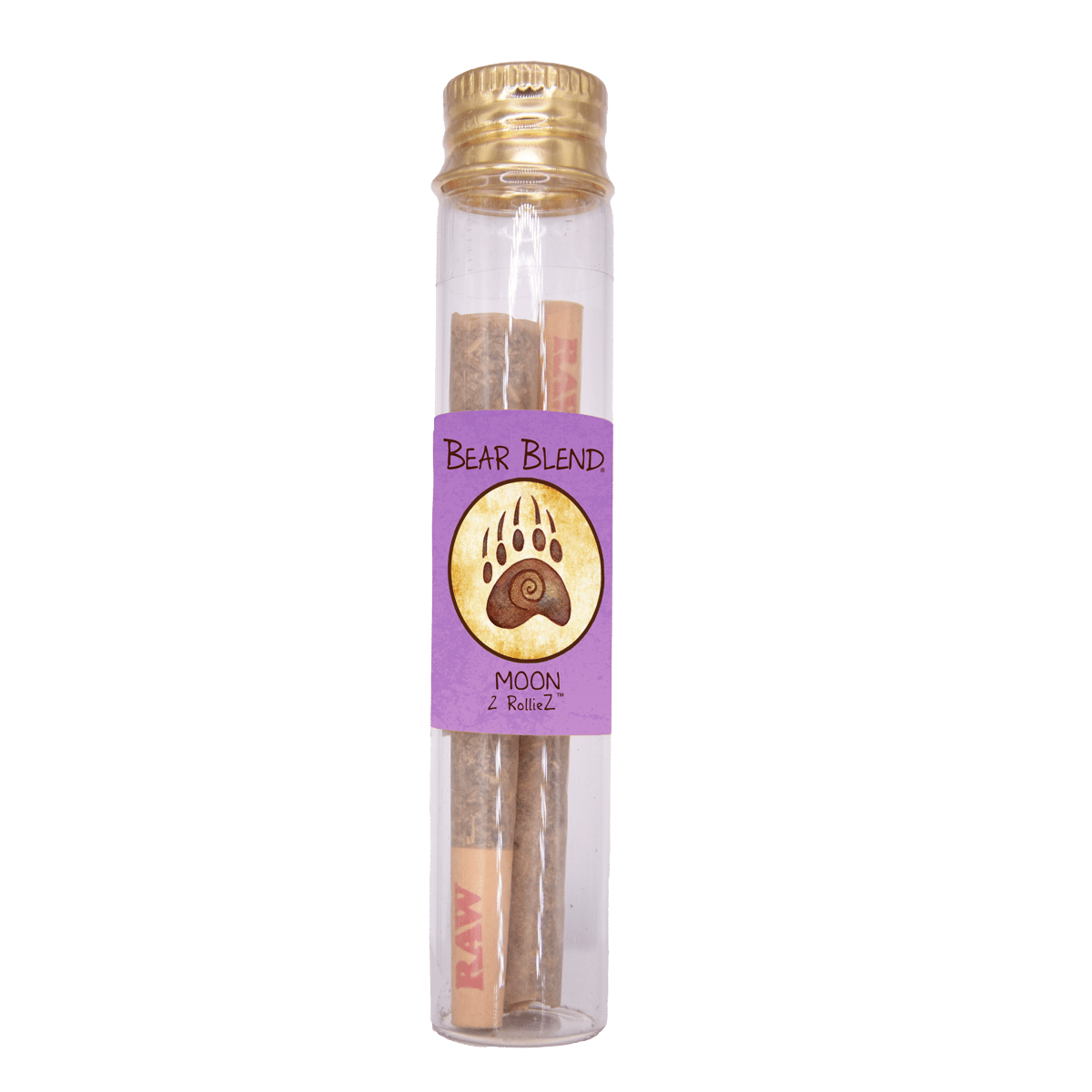
Tube of Two Moon Rolliez
The Moon Ceremonial Blend is our most magical blend. With a medium effect, the Moon brings...
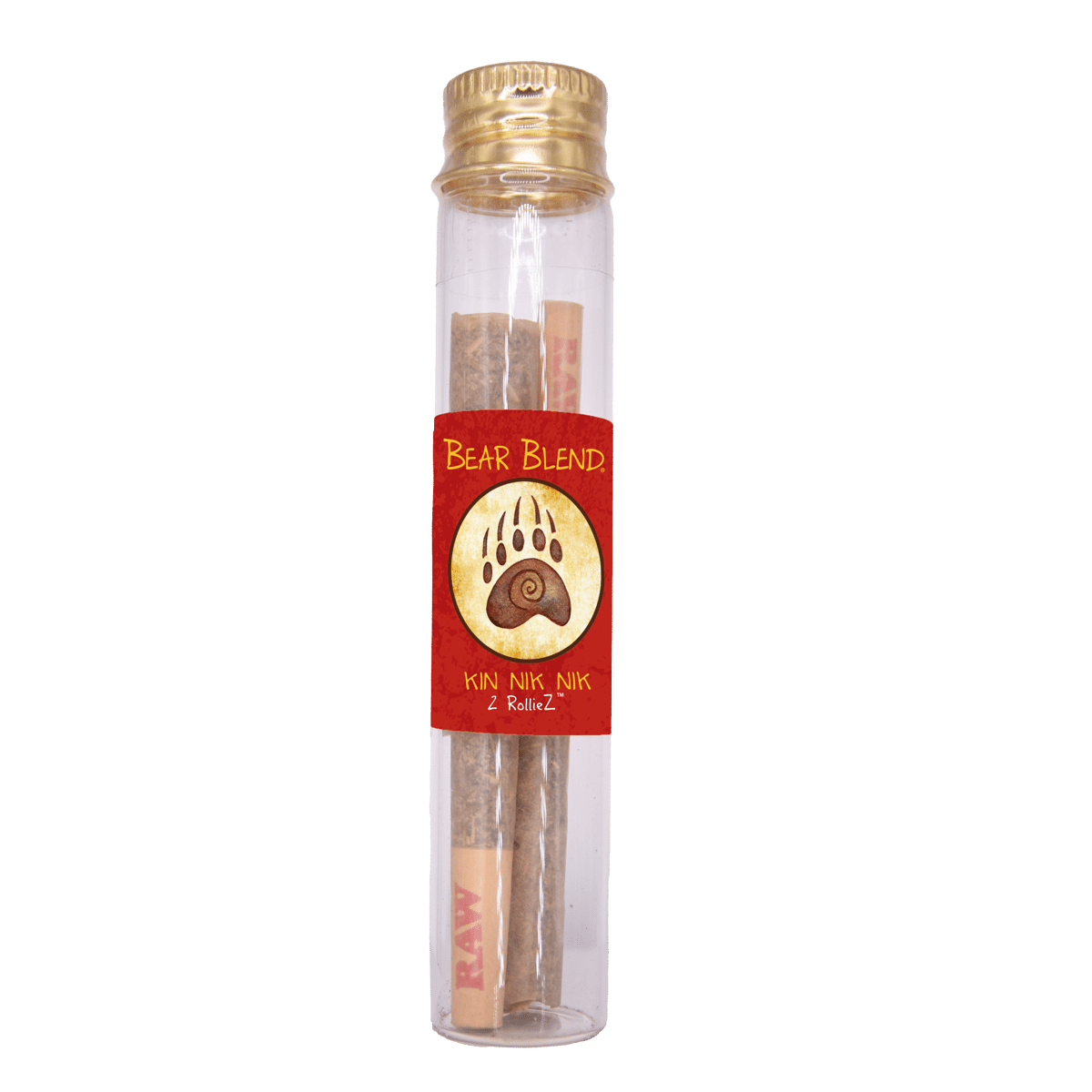
Tube of Two Kin Nik Nik Rolliez
The Kin Nik Nik blend is peaceful and cerebral, with a hint of lavender. Intended to help...
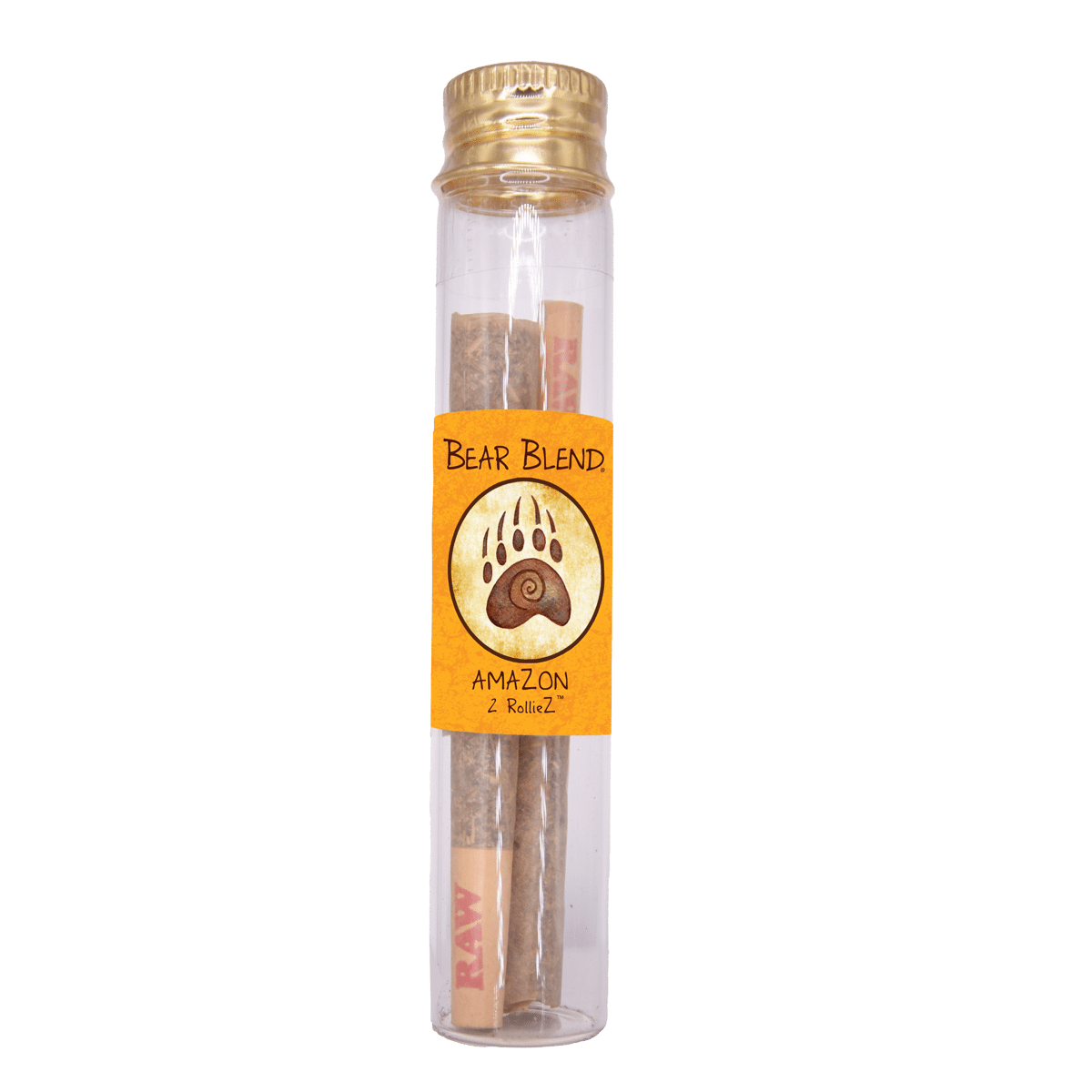
Tube of Two Amazon Rolliez
The Amazon blend is activating and flavorful, with hints of clove and vanilla. Having a me...
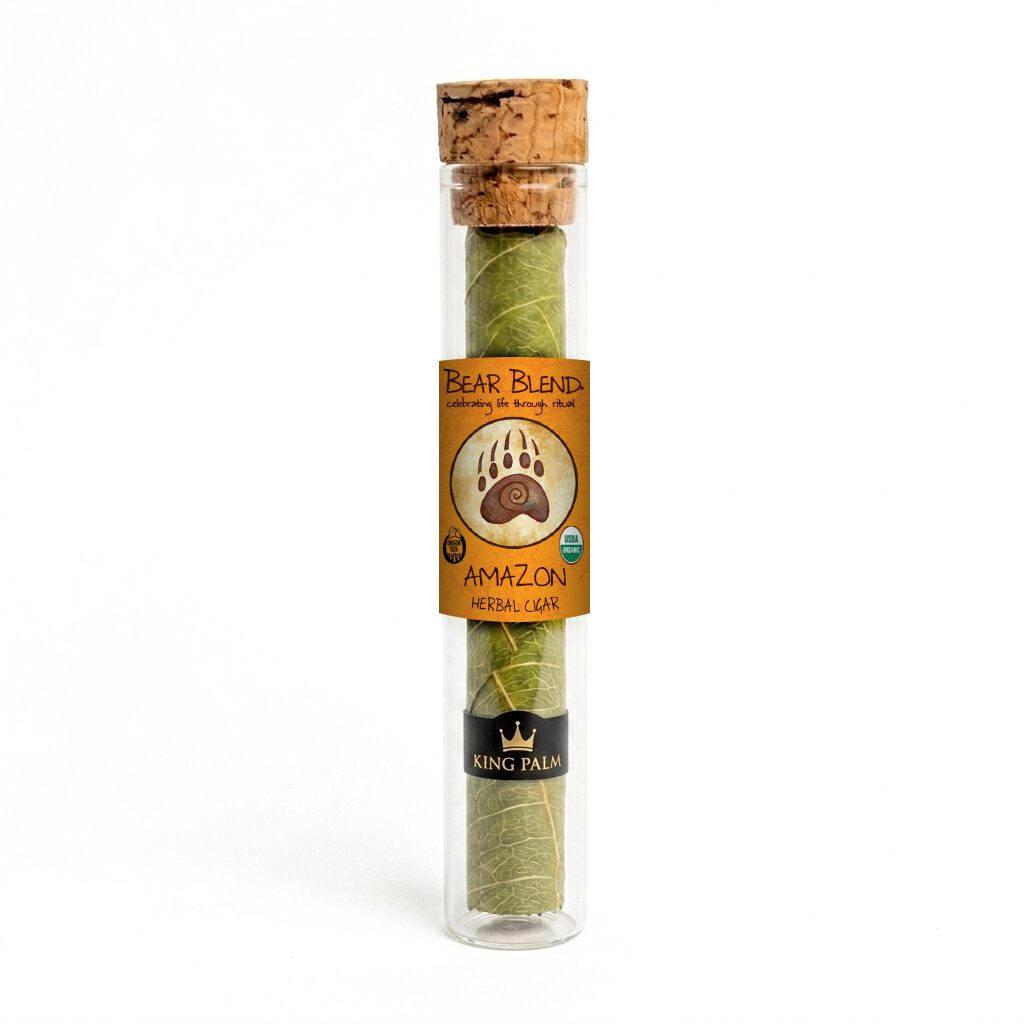
Amazon Herbal Cigars
A slow-burning clove flavored ceremonial smoke — Bear Blend's proprietary herbal Amaz...
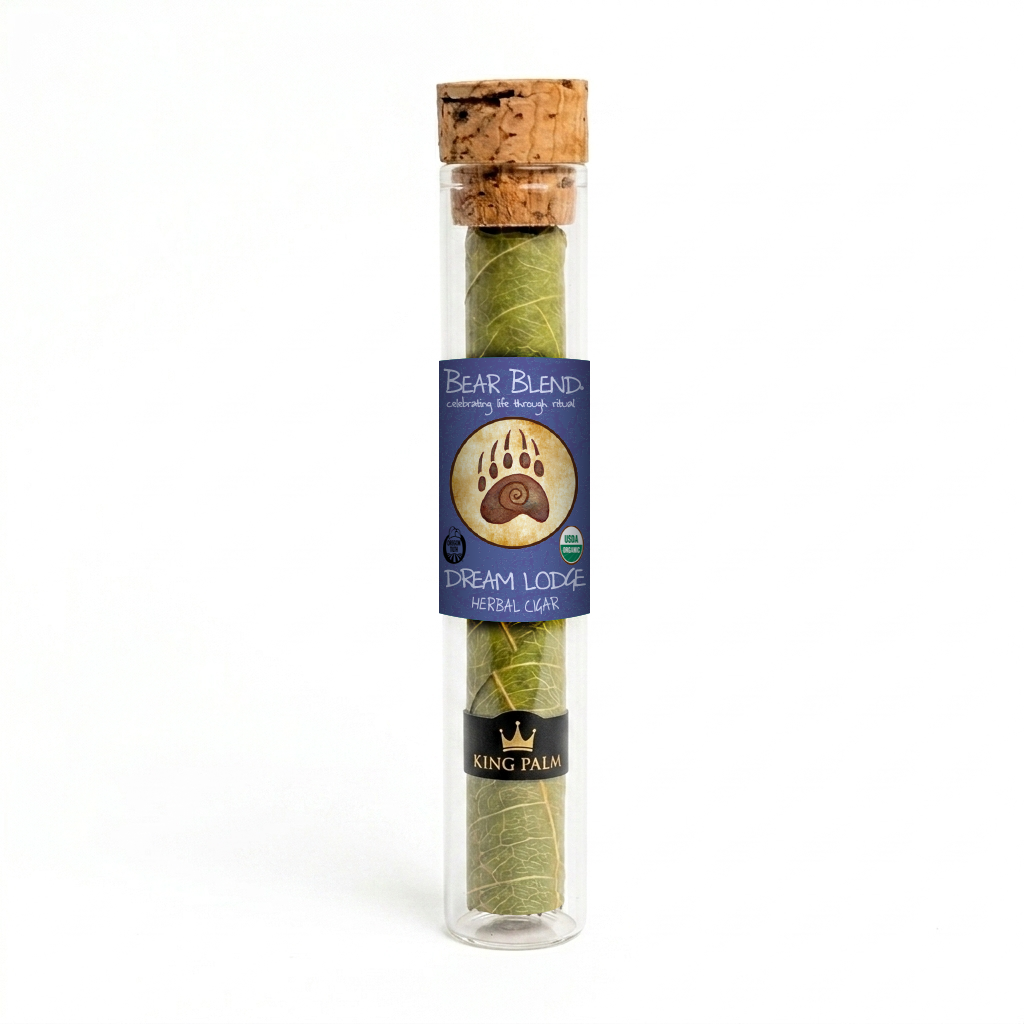
Dream Lodge Herbal Cigars
A slow, ceremonial smoke — Bear Blend's proprietary herbal blend wrapped in a natural...
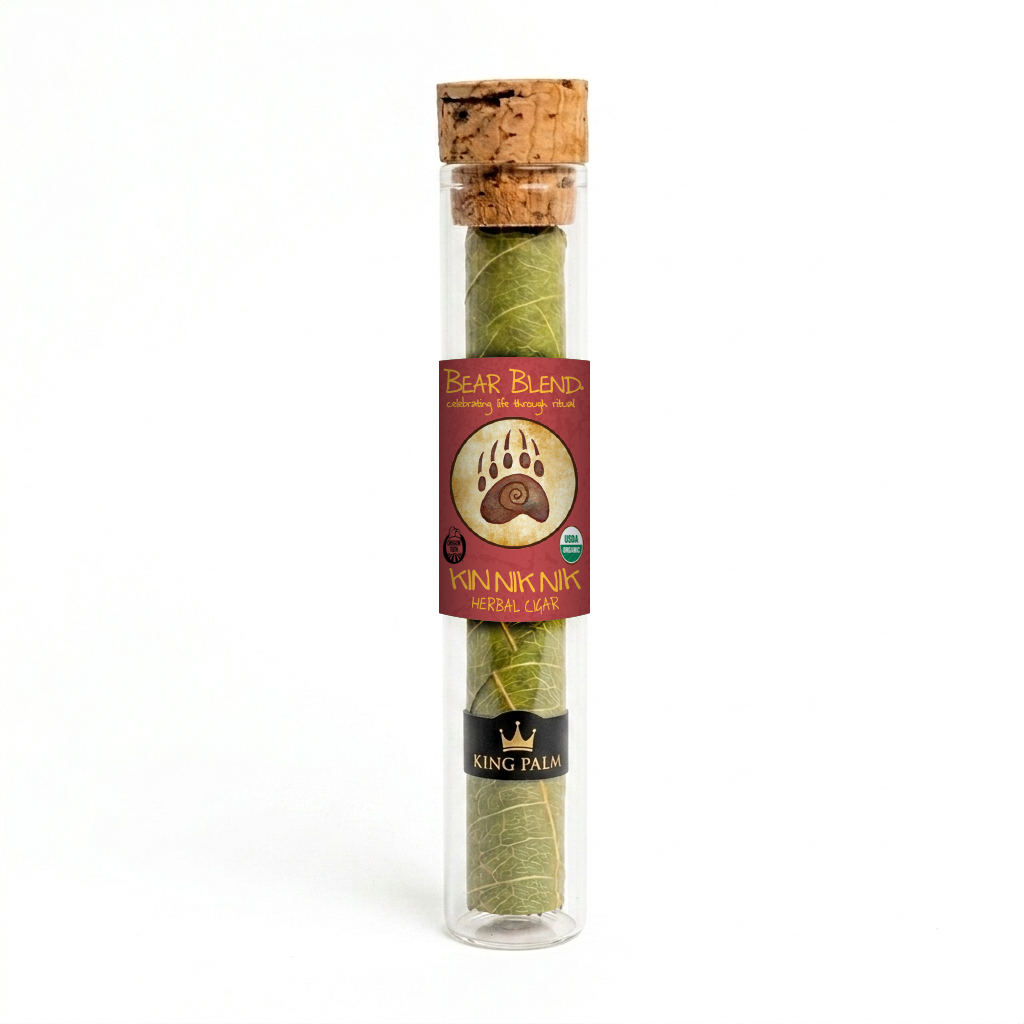
Kin Nik Nik Herbal Cigars
A slow, ceremonial burn — the Kin Nik Nik blend, rolled large in a King Palm leaf for a ri...
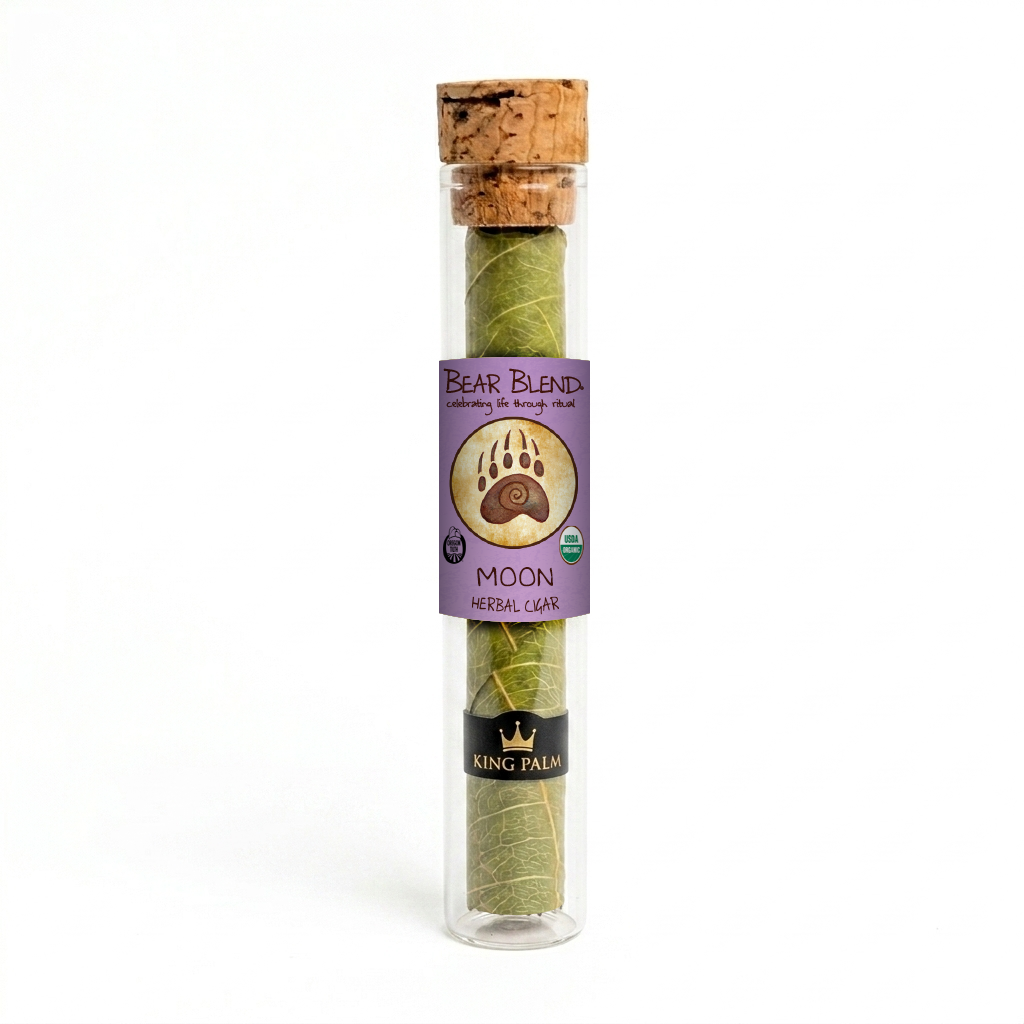
Moon Herbal Cigars
An XL slow-burn ceremony in a single roll — the Moon blend in its most unhurried, expansiv...
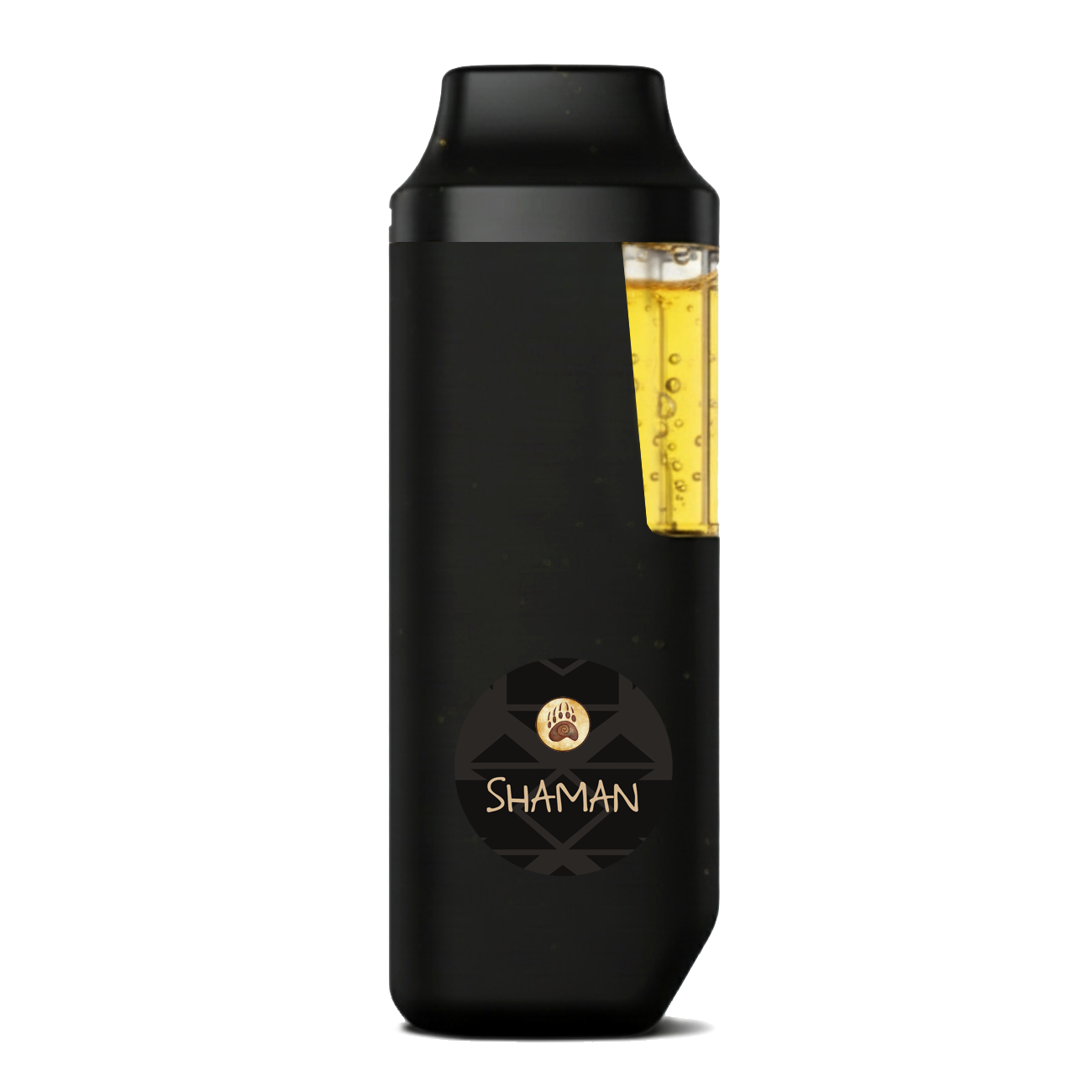
Bear Blend Shaman Herbal Diffuser — 2ml Disposable
The Shaman blend, distilled into a single breath — botanical ceremony in your pocket, read...
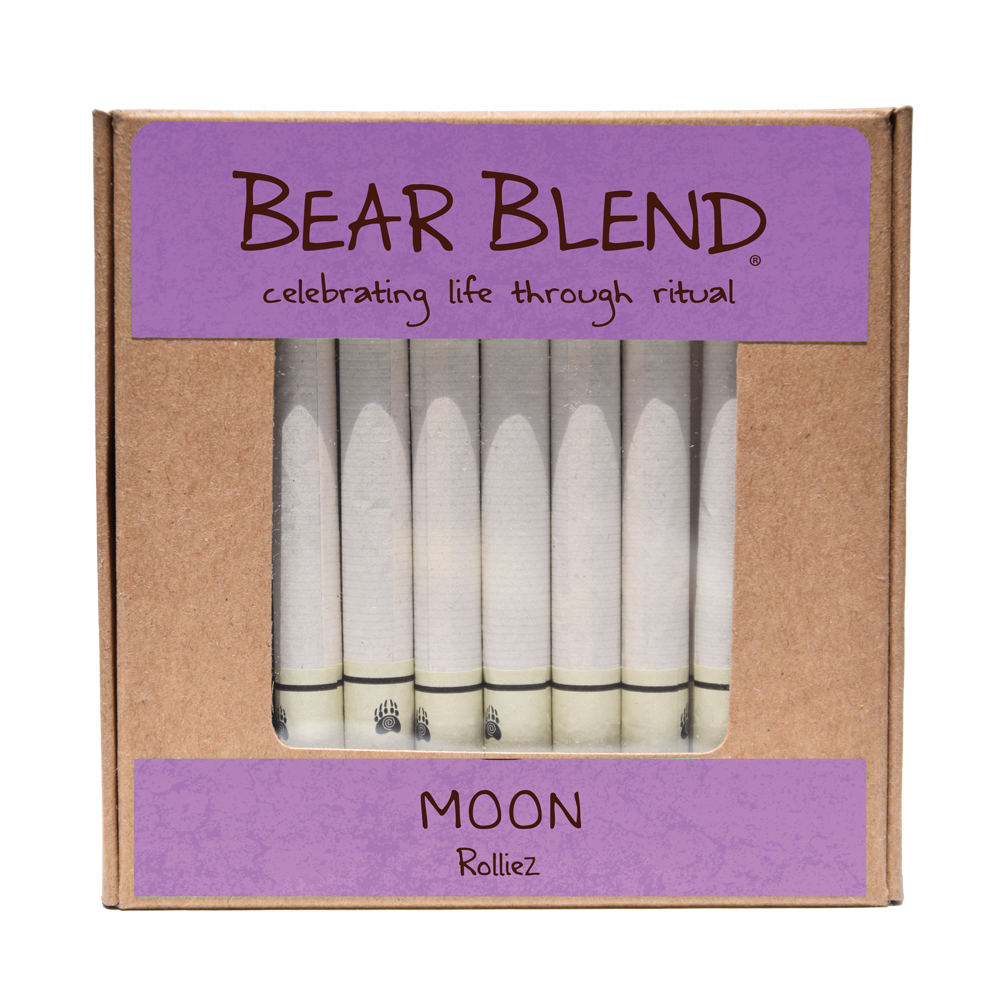
Moon Cigarettes 50 Pack
Fifty rolls of moon herbal cigarettes — the Moon blend's rose-and-lavender magic, rea...
of