
Uva Ursi
across time
Tradition & Ritual
what it offers
Scientific & Medicine
the old stories
Legends & Myths
from the bear
Bear Originals
Cautions & Contraindications
For short-term use only. Avoid during pregnancy, nursing, and with kidney conditions; prolonged use is not advised due to tannin content.
in the apothecary
Products w/ Uva Ursi
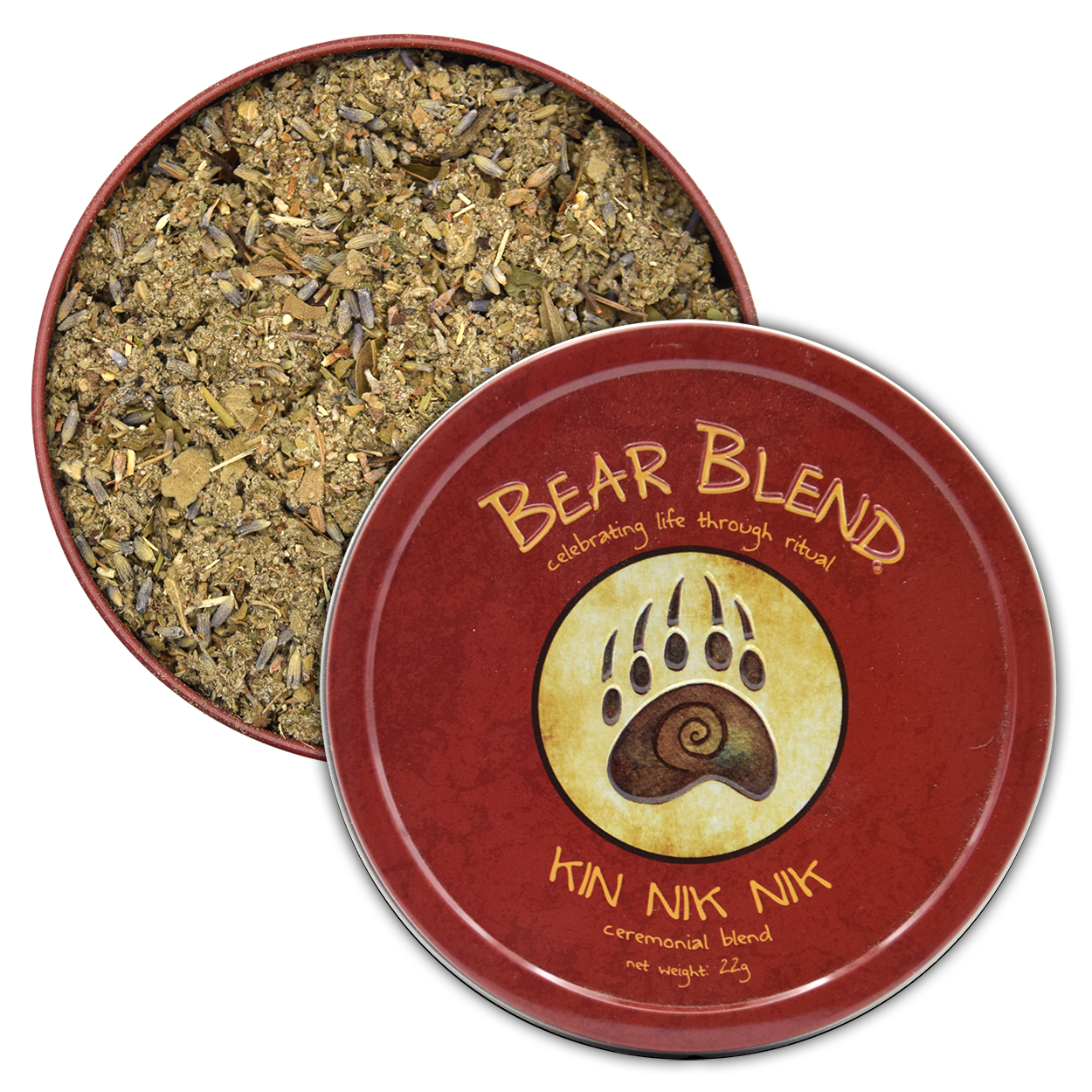
Kin Nik Nik Herbal Ceremonial Blend
The Kin Nik Nik blend is peaceful and cerebral, with a hint of lavender. Intended to help...
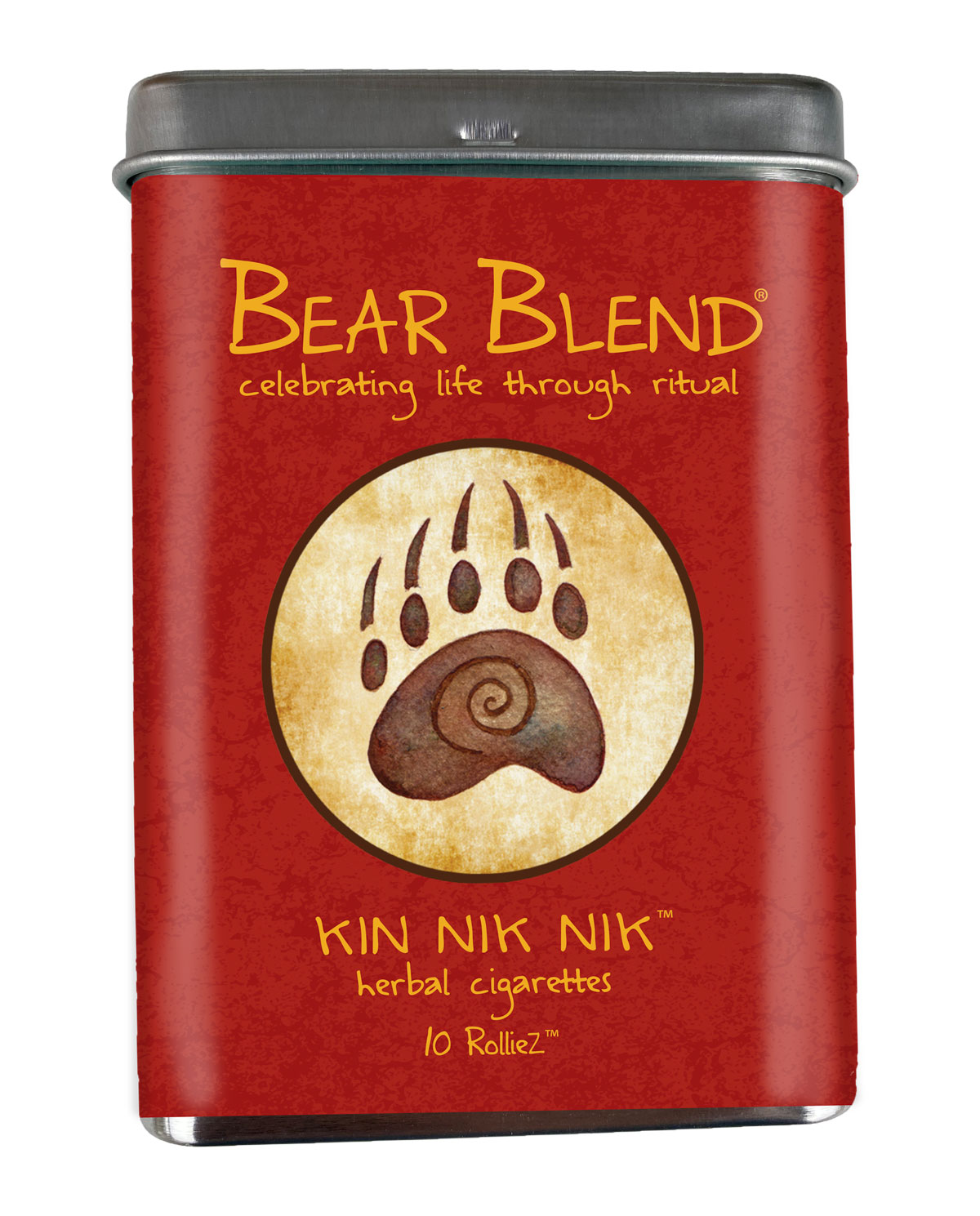
Kin Nik Nik Rolliez
The Kin Nik Nik blend is peaceful and cerebral, with a hint of lavender. Intended to help...
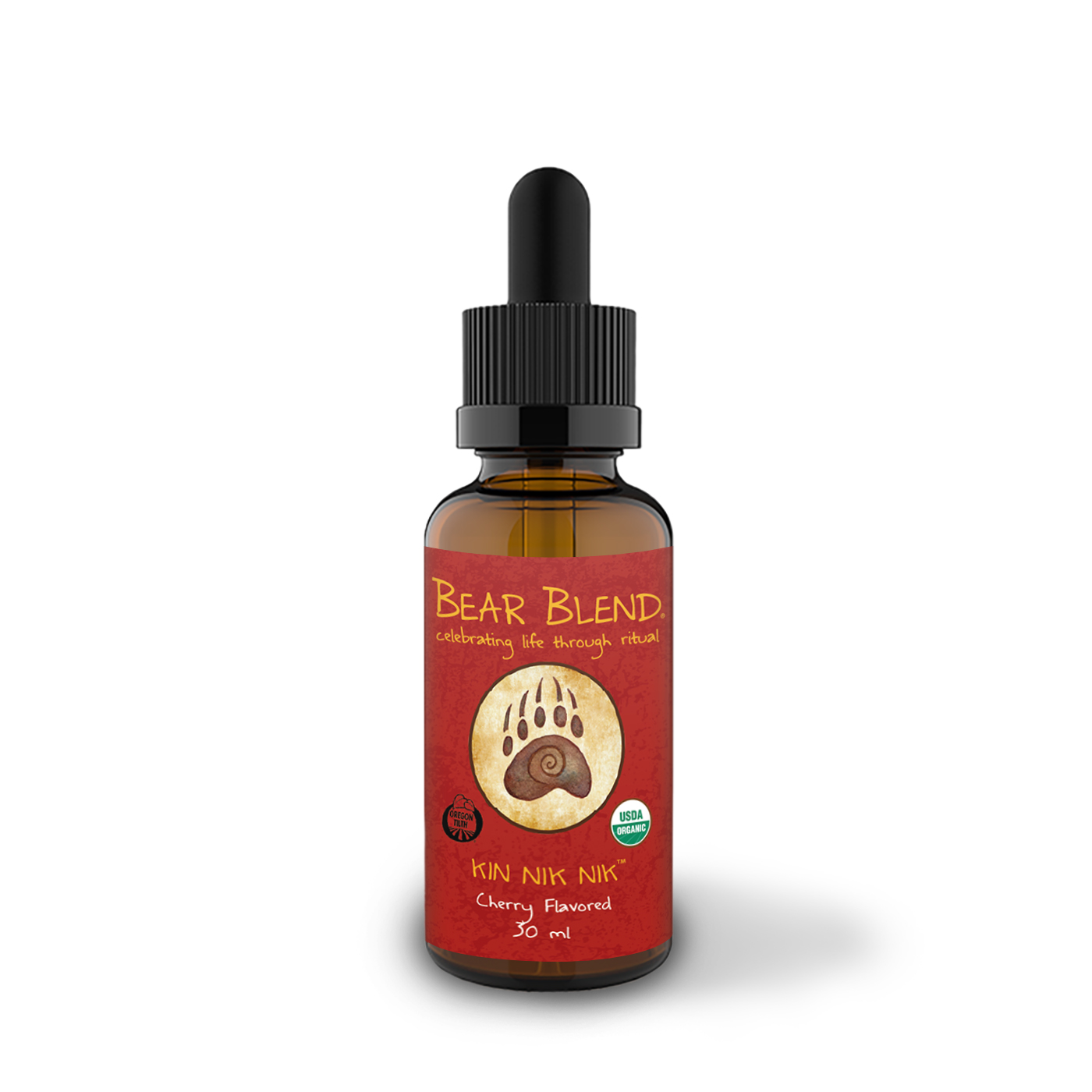
Kin Nik Nik Liquid Herbz (Cherry)
Cherry Flavored Liquid Each bottle comes with 30 milliliters of Kin Nik Nik Liquid Herbz....
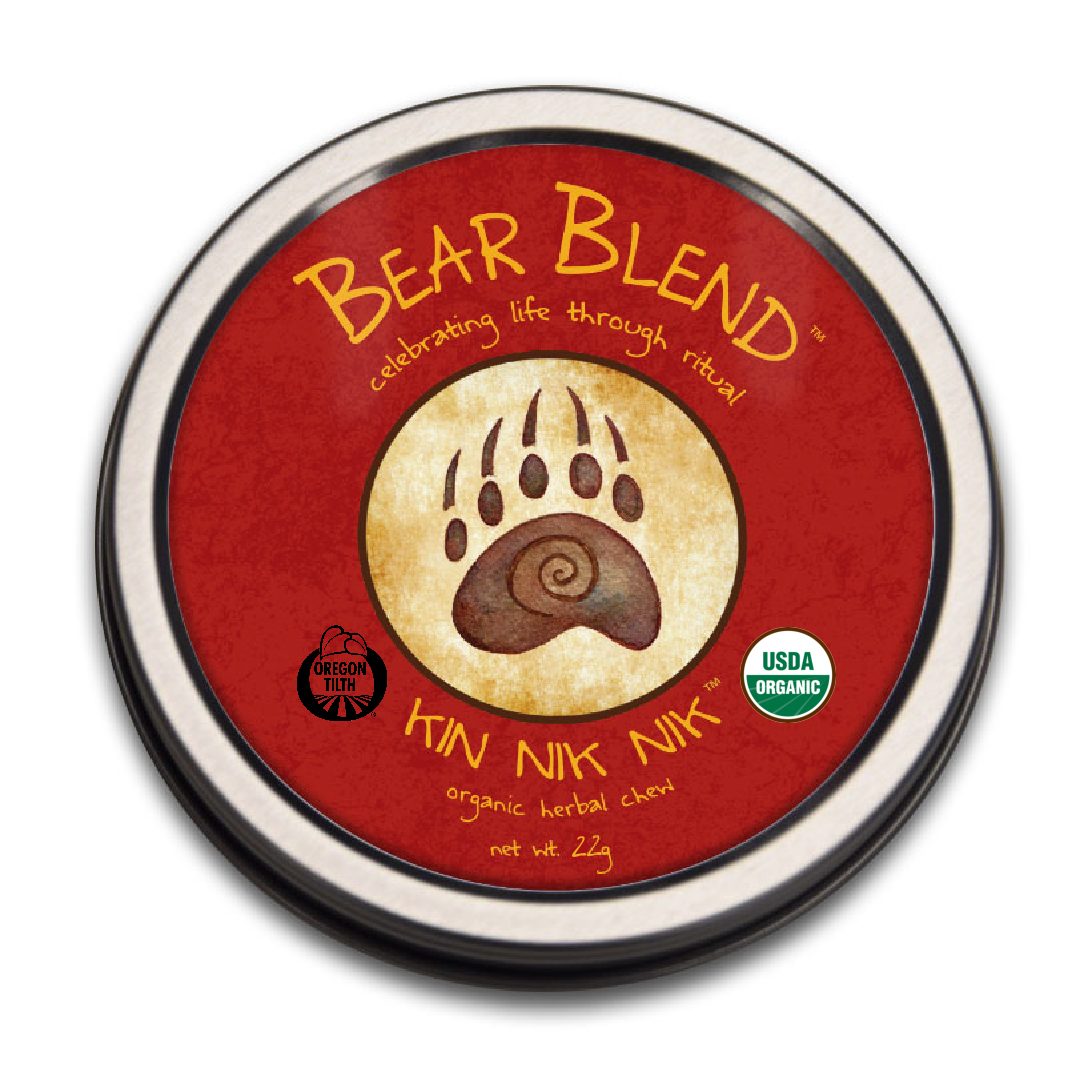
Kin Nik Nik Herbal Chew
The Kin Nik Nik blend is peaceful and cerebral, with a hint of lavender. Intended to help...
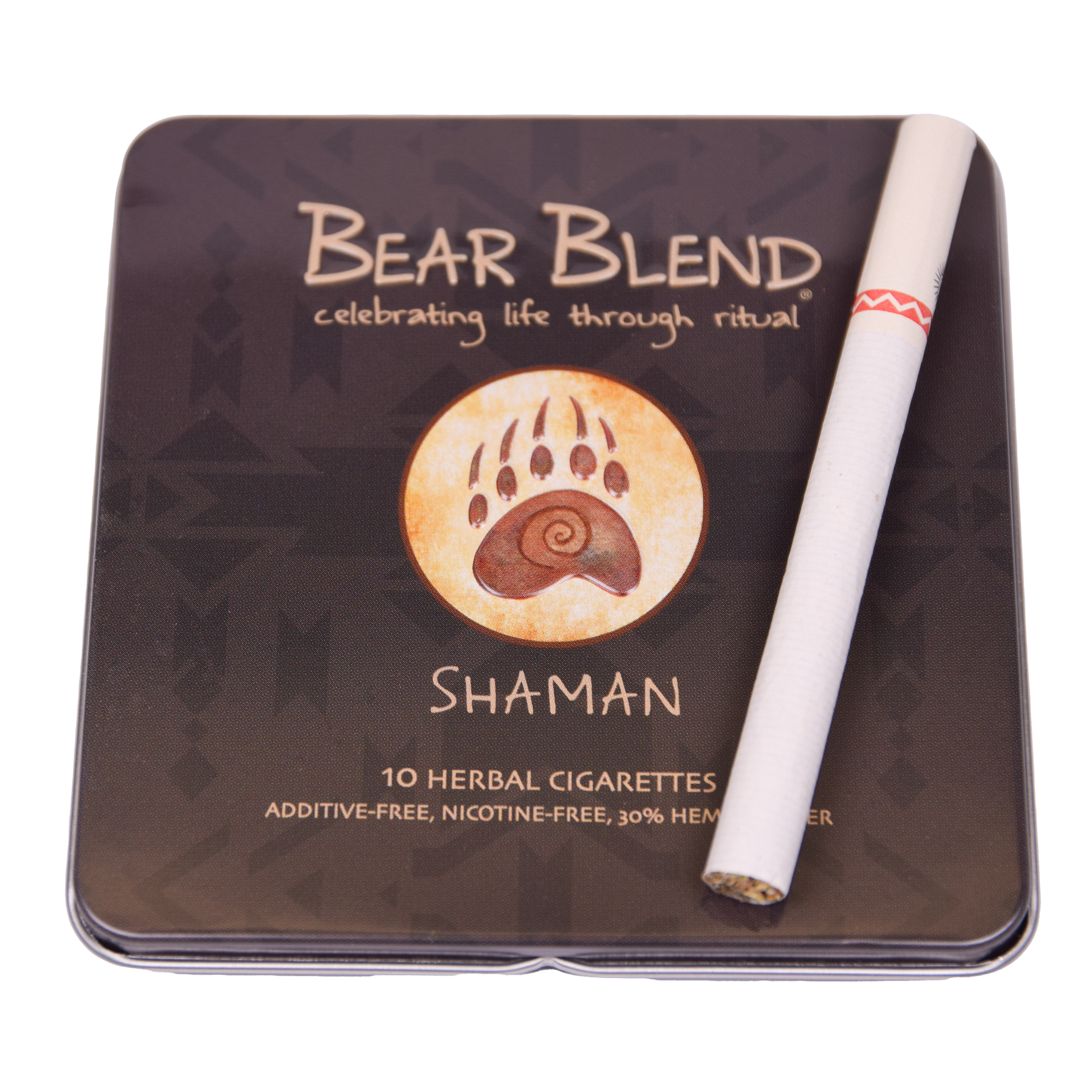
Shaman Herbal Cigarettes
Each tin comes with 10 Shaman Cigarettes, which contains 30% hemp flower.Shaman is an arom...
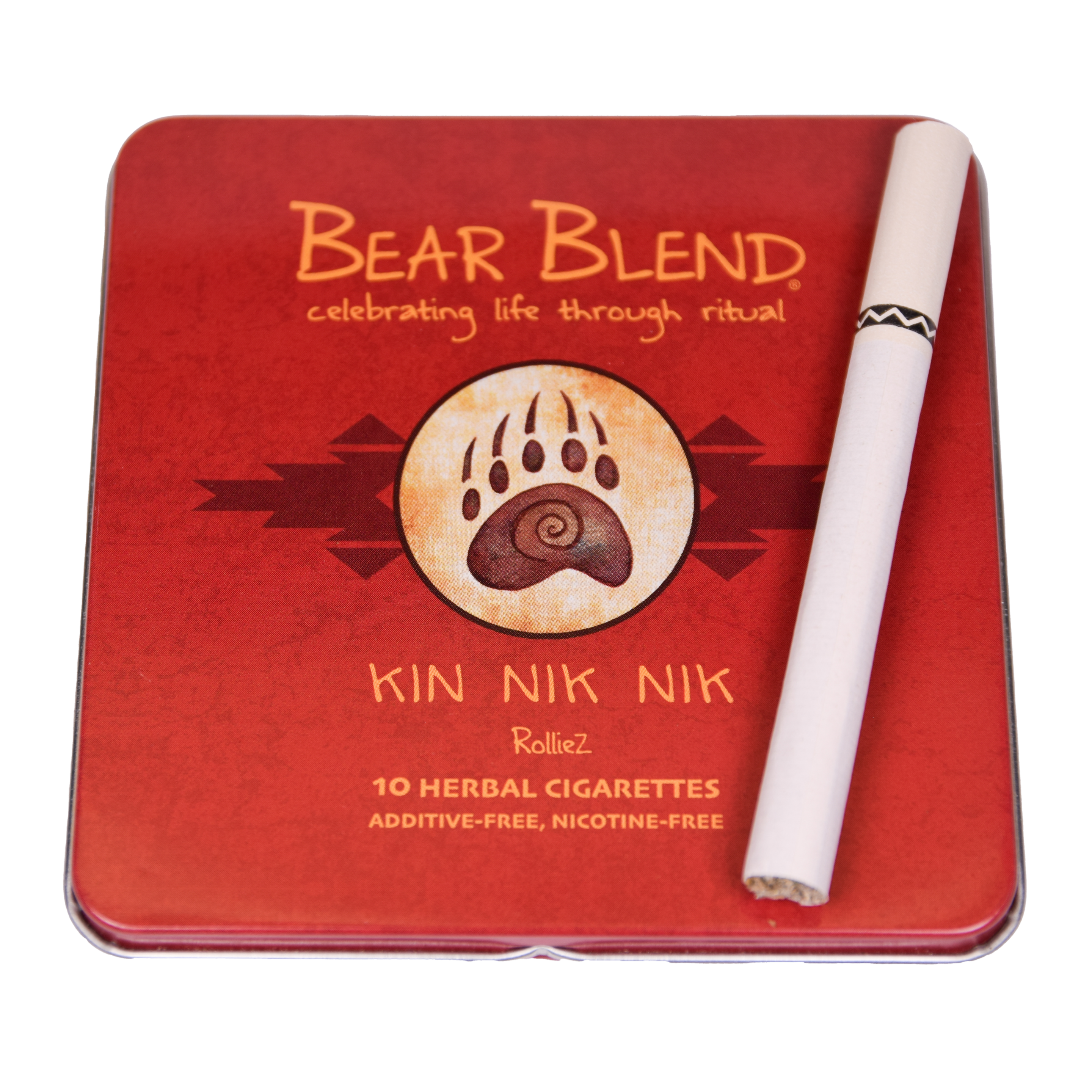
Kin Nik Nik Herbal Cigarettes
Experience the familiar ritual of smoking, completely reimagined. Kin Nik Nik is a smooth,...
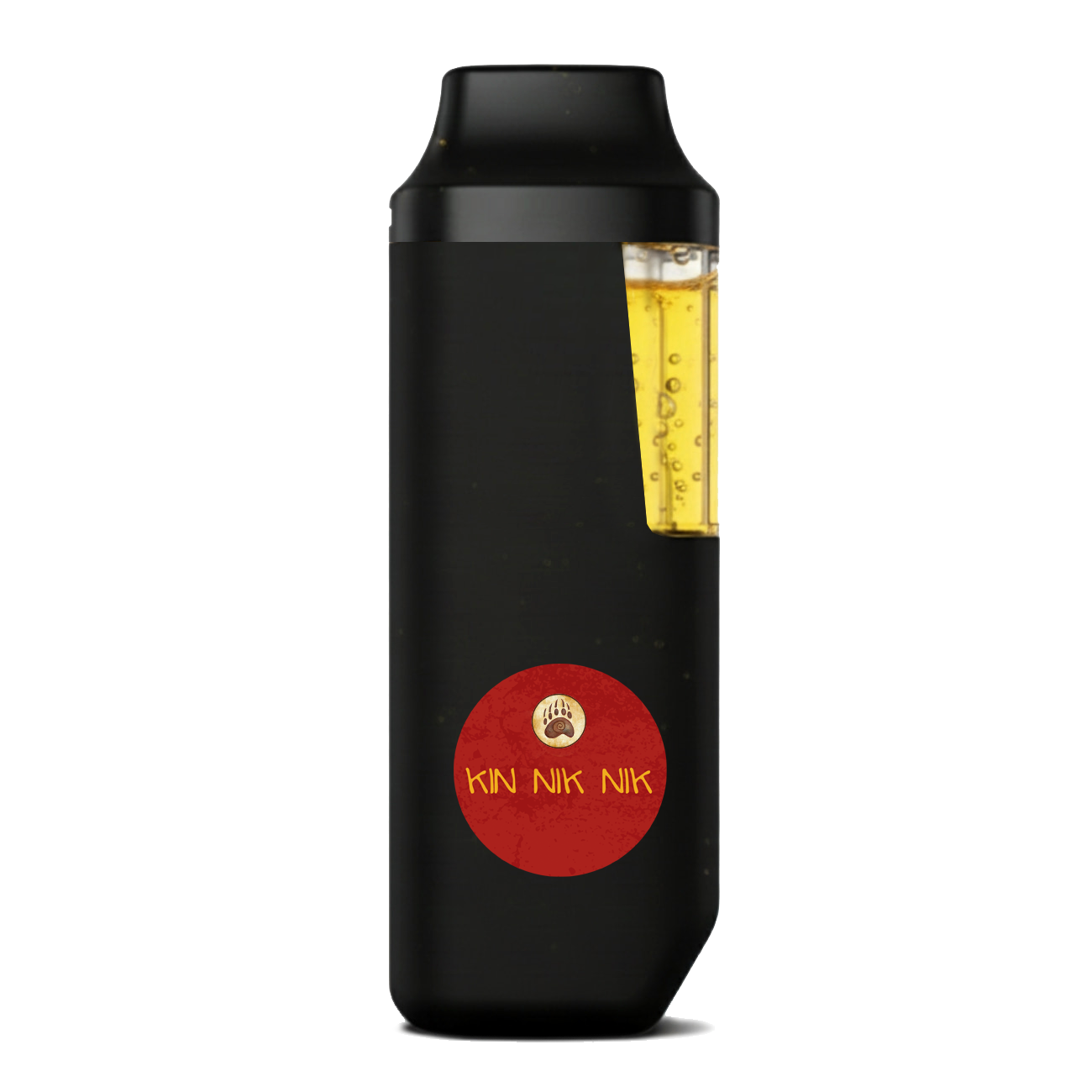
Bear Blend Kin Nik Nik Herbal Diffuser — 2ml Disposable (Cherry)
A prefilled 2 mL disposable diffuser featuring the Kin Nik Nik blend — a smooth, aromatic...
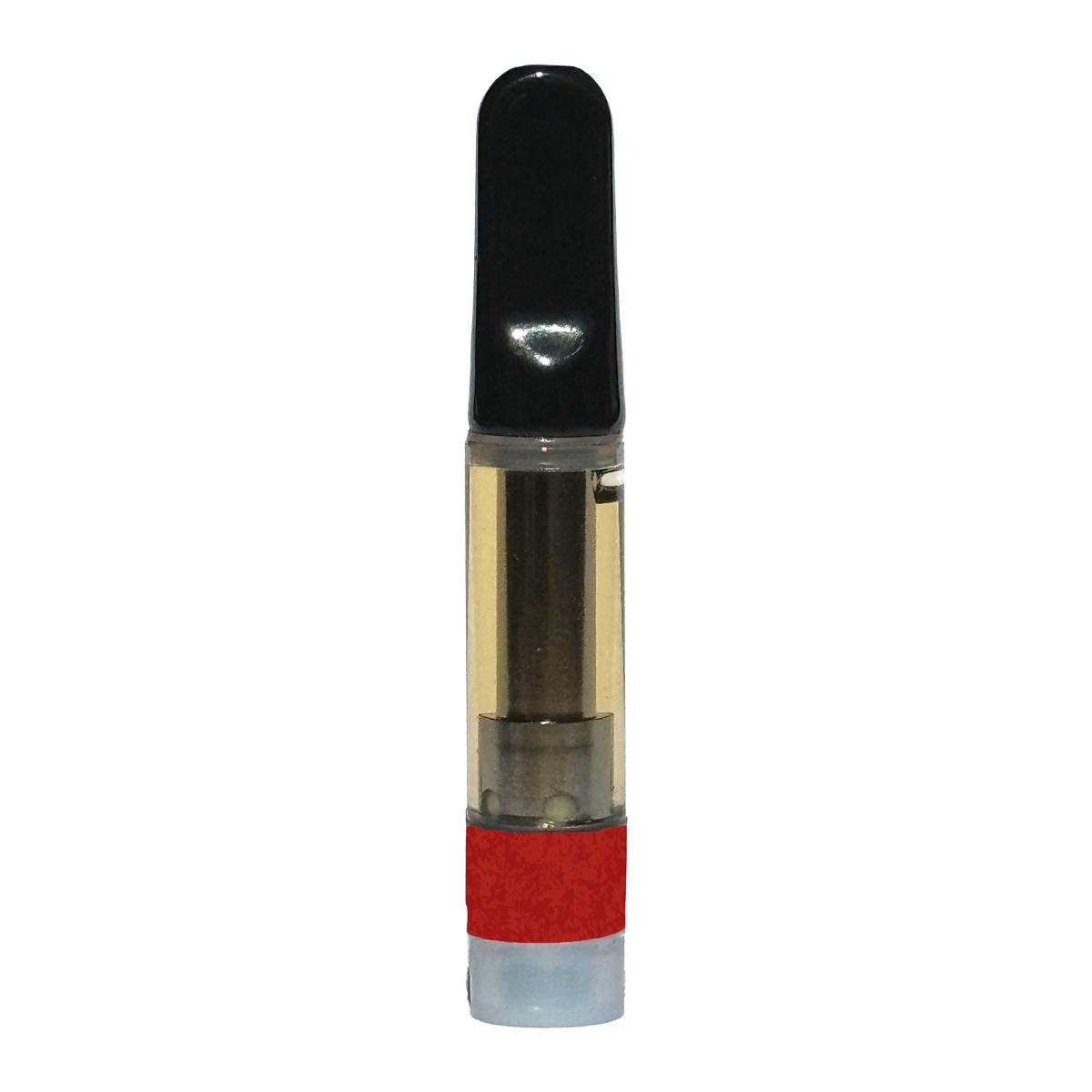
Bear Blend Kin Nik Nik Herbal Diffuser Cartridge — 1ml (Cherry)
A 1 mL refillable 510-thread diffuser cartridge featuring the Kin Nik Nik blend — a smooth...
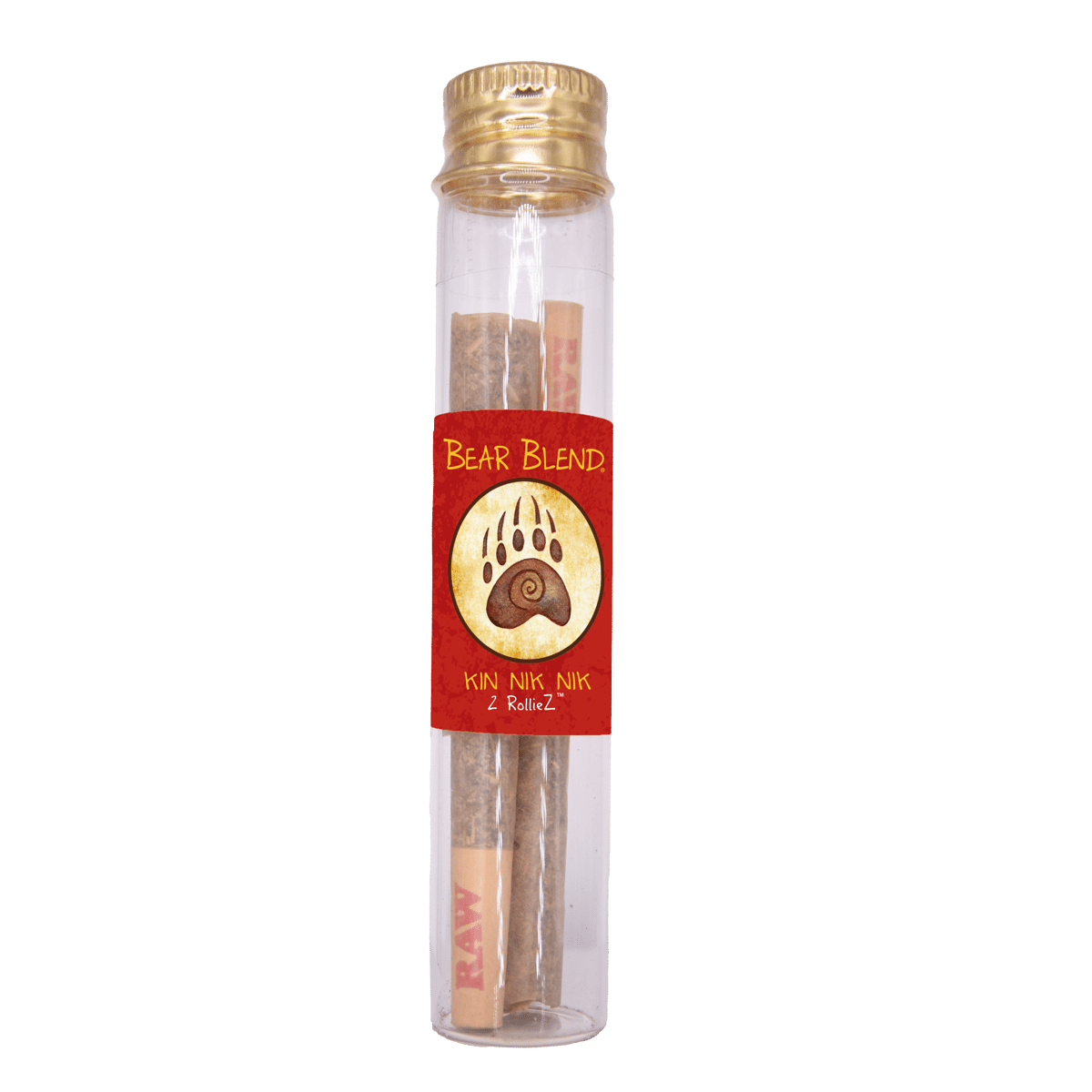
Tube of Two Kin Nik Nik Rolliez
The Kin Nik Nik blend is peaceful and cerebral, with a hint of lavender. Intended to help...
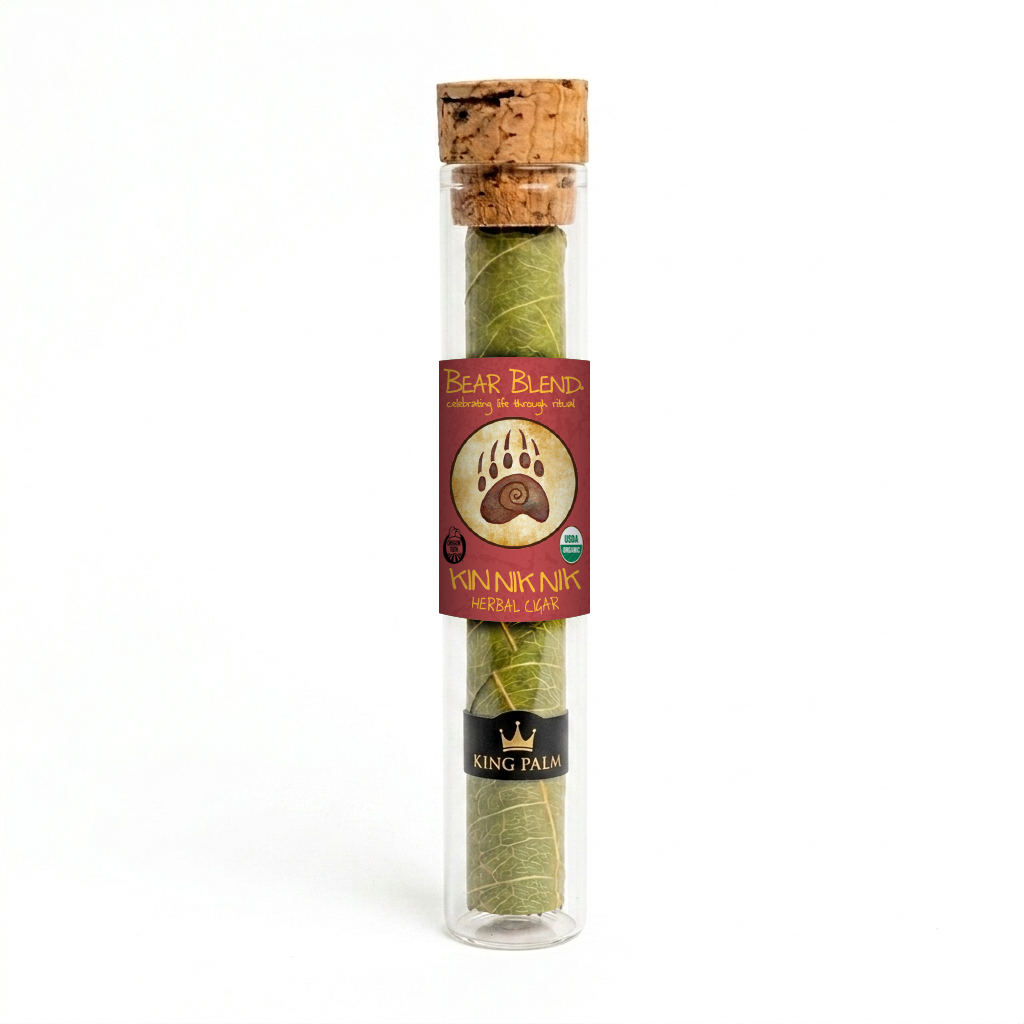
Kin Nik Nik Herbal Cigars
A slow, ceremonial burn — the Kin Nik Nik blend, rolled large in a King Palm leaf for a ri...
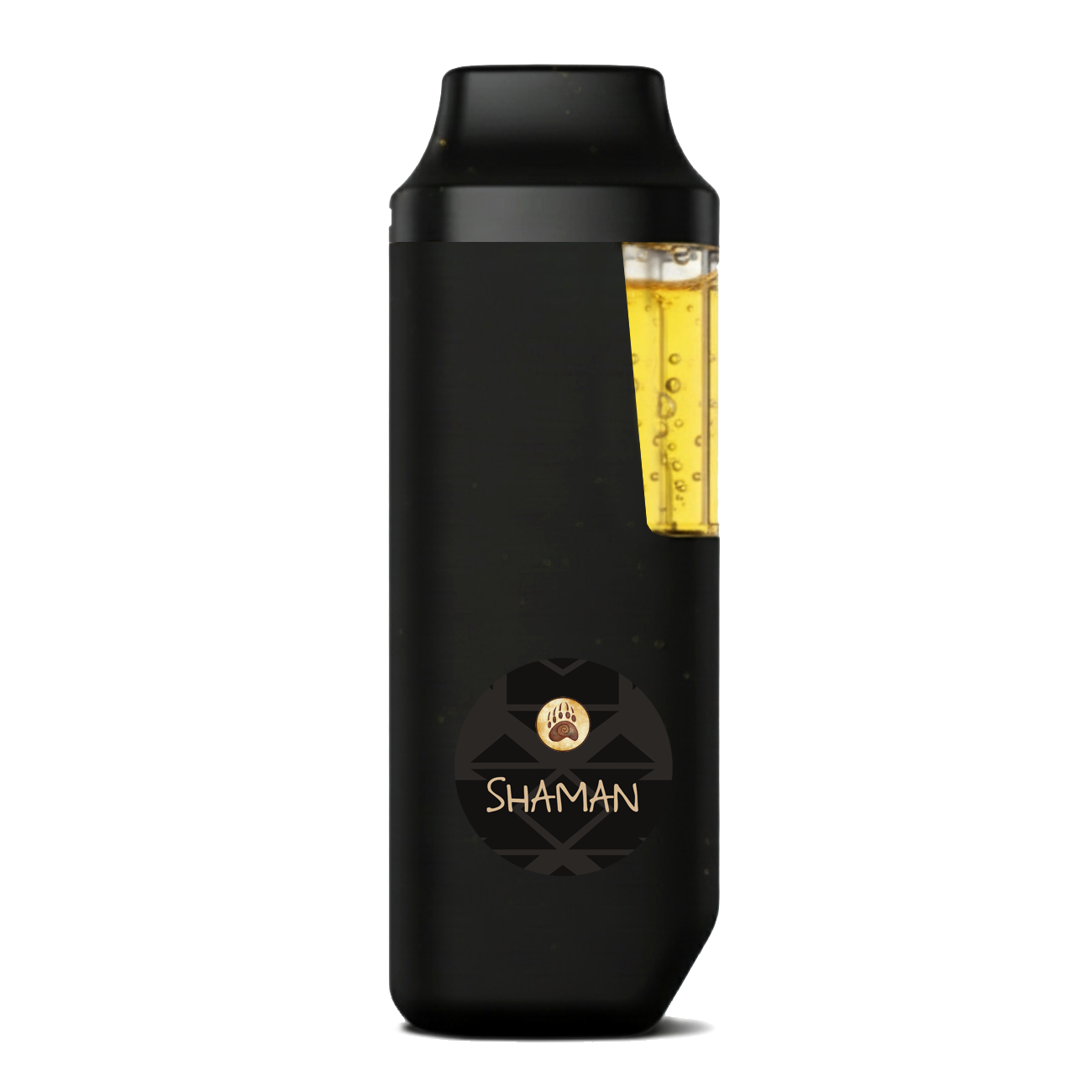
Bear Blend Shaman Herbal Diffuser — 2ml Disposable
The Shaman blend, distilled into a single breath — botanical ceremony in your pocket, read...
of