
Wormwood
across time
Tradition & Ritual
what it offers
Scientific & Medicine
the old stories
Legends & Myths
from the bear
Bear Originals
Cautions & Contraindications
Contains thujone — avoid during pregnancy and nursing. Use only in small amounts; large or prolonged doses can be toxic and cause nervous-system effects. Avoid with seizure disorders.
in the apothecary
Products w/ Wormwood
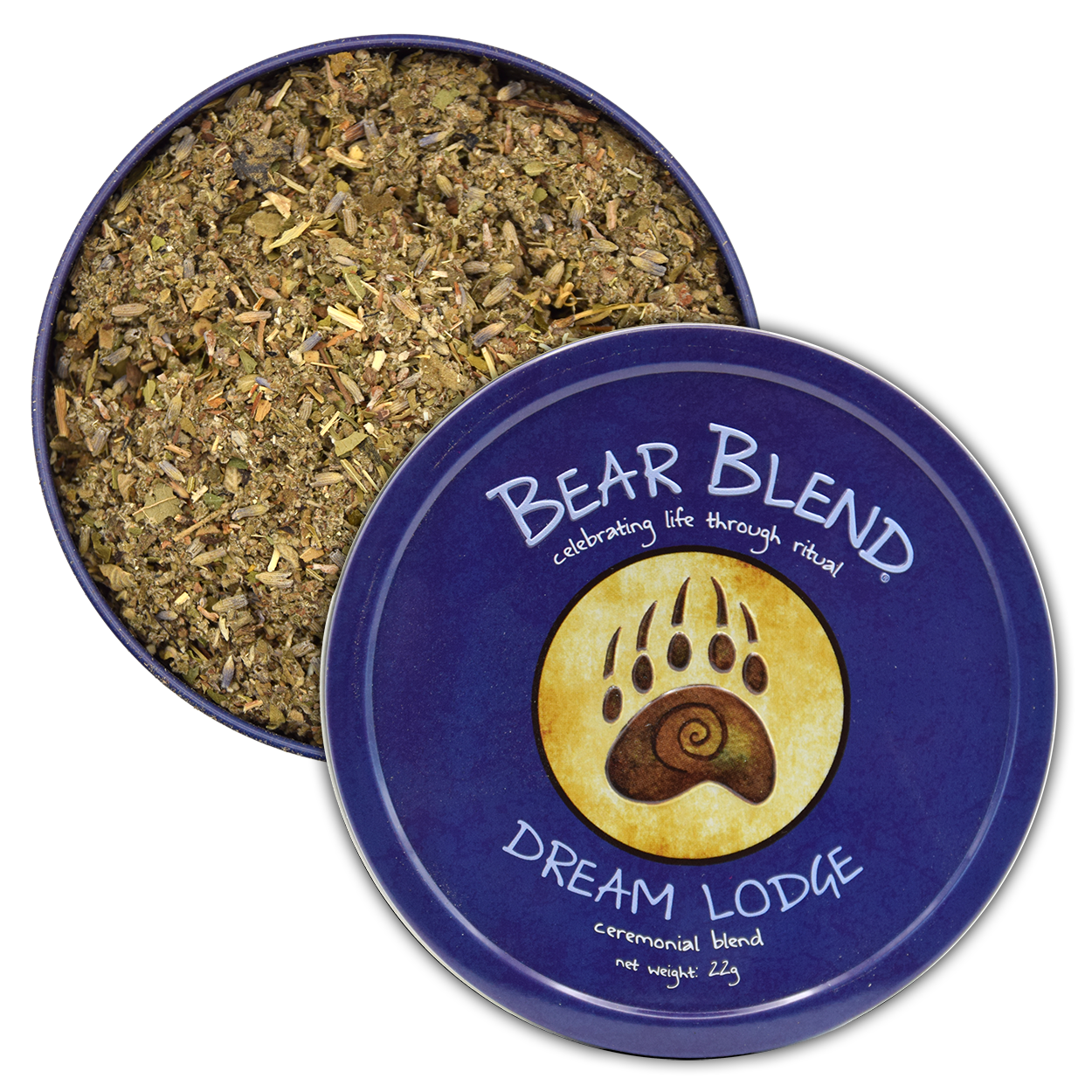
Dream Lodge Herbal Ceremonial Blend
Dream Lodge contains herbs such as wormwood and valerian to create calming and dream-enhan...
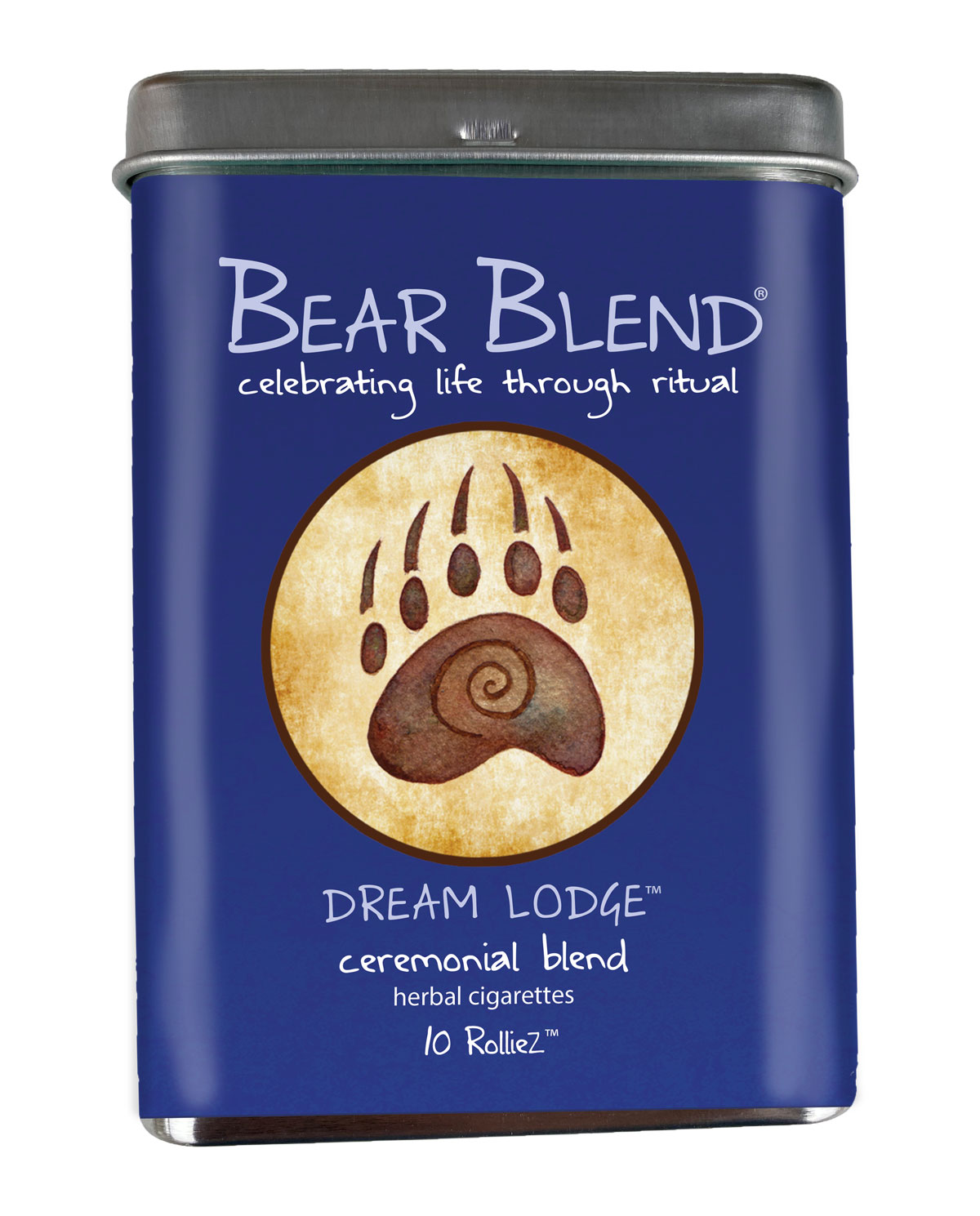
Dream Lodge Rolliez
Dream Lodge contains herbs such as wormwood and valerian to create calming and dream-enhan...
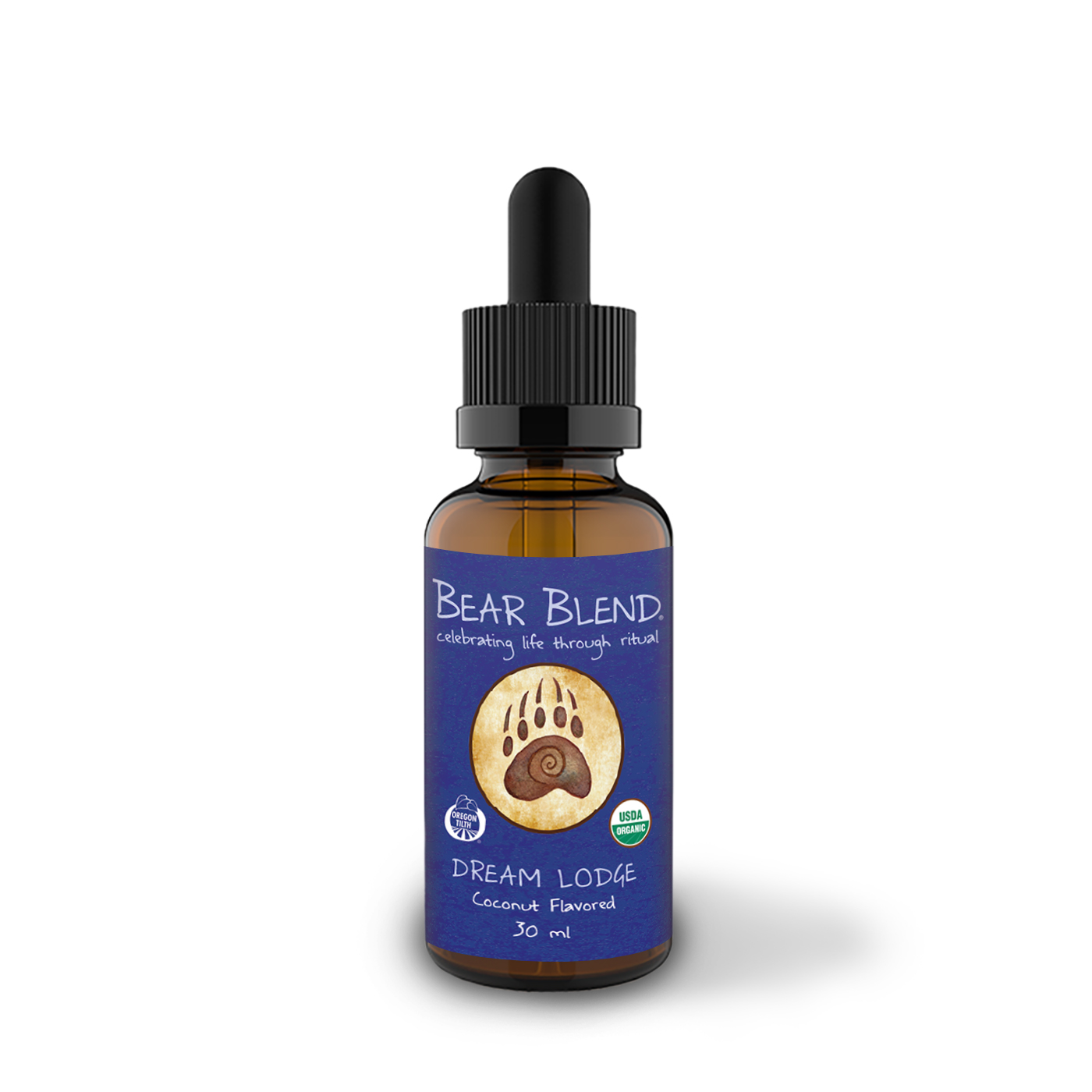
Dream Lodge Liquid Herbz (Coconut)
Coconut Flavored Liquid Herbz Each bottle comes with 30 milliliters of Dream Lodge Liquid...
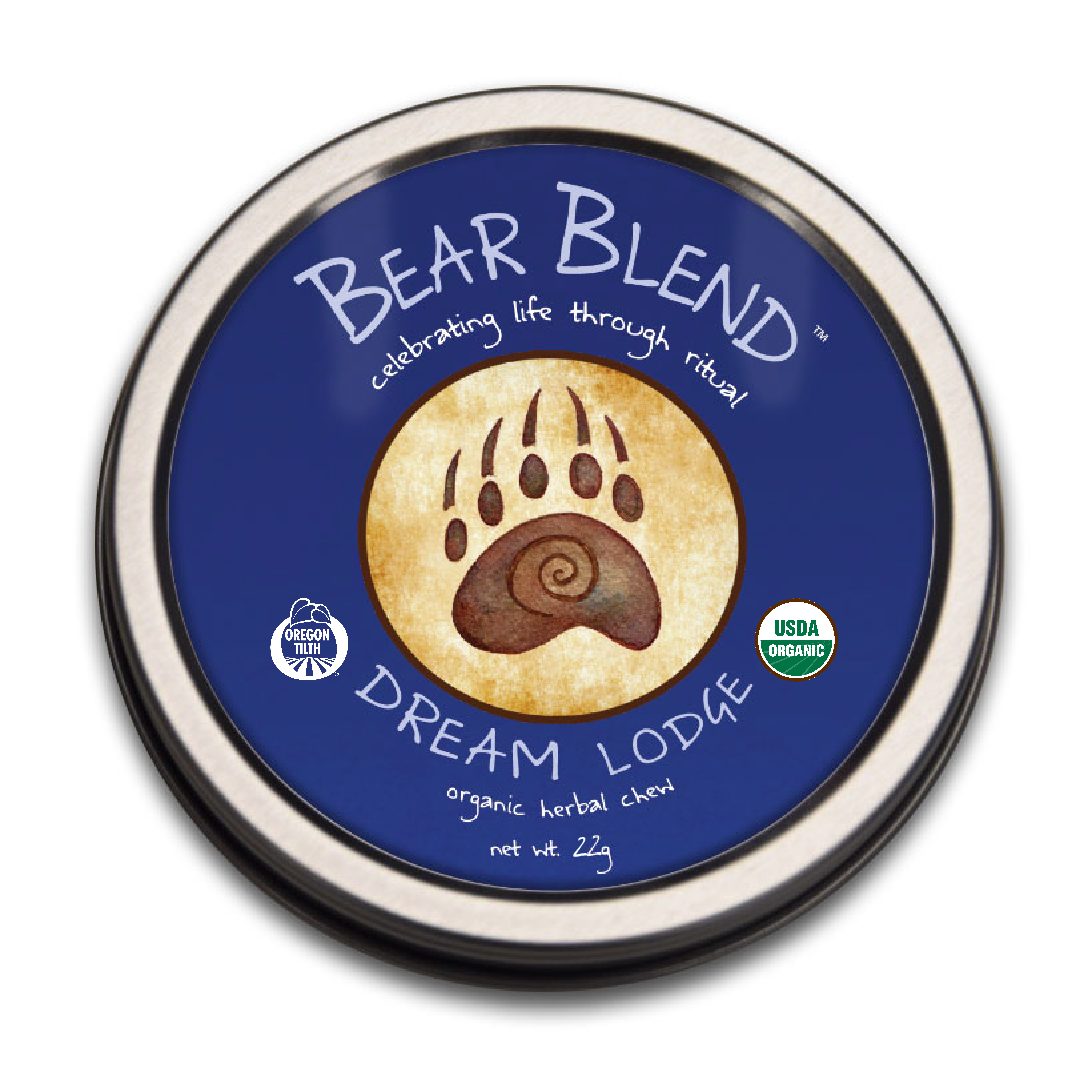
Dream Lodge Herbal Chew
Dream Lodge is a powerful blend with hops and valerian. It is calming and dream enhancing...
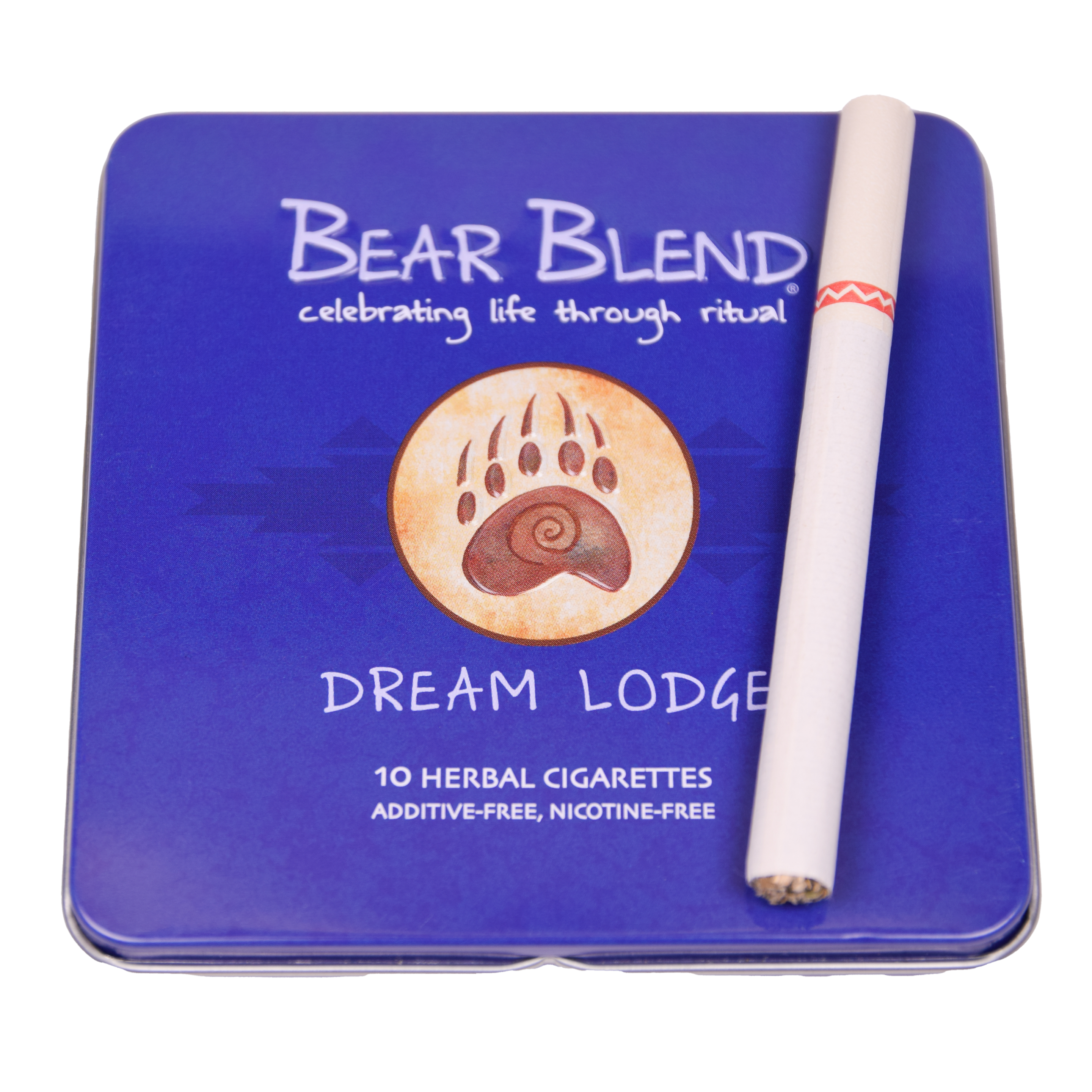
Dream Lodge Herbal Cigarettes
Experience the familiar ritual of smoking, completely reimagined. Dream Lodge is one of ou...
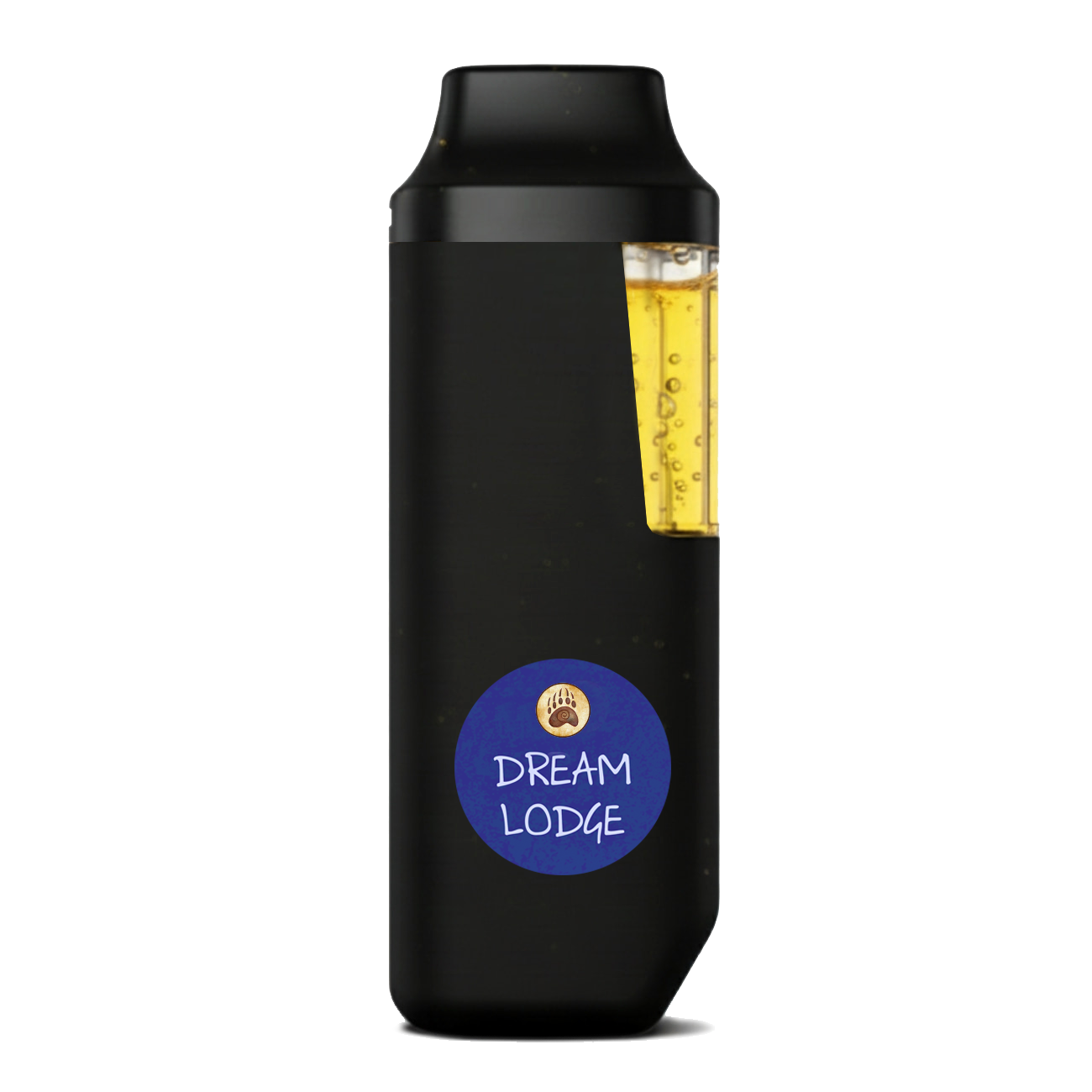
Bear Blend Dream Lodge Herbal Diffuser — 2ml Disposable (Coconut)
A prefilled 2 mL disposable diffuser featuring the Dream Lodge blend — a deep, calming eve...
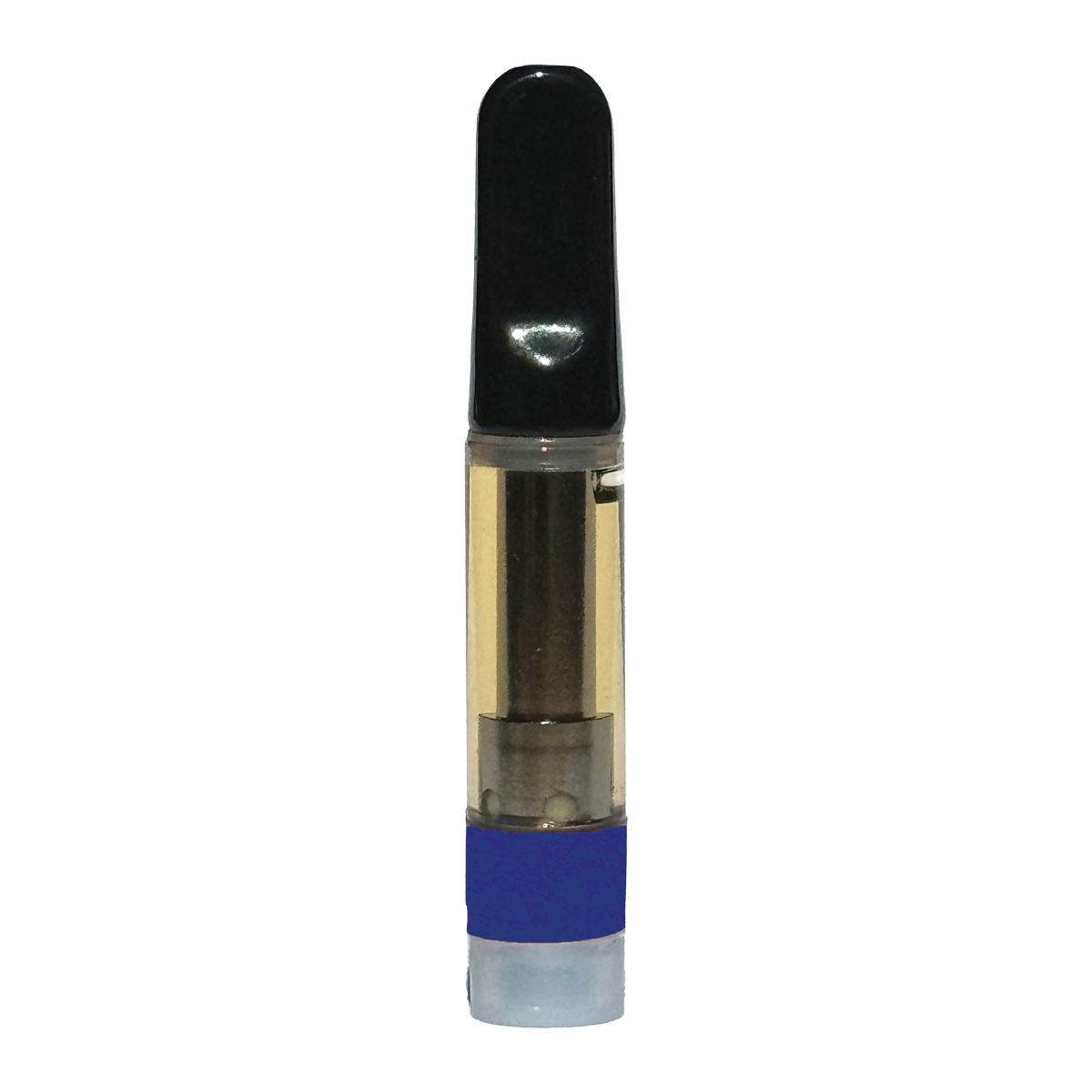
Bear Blend Dream Lodge Herbal Diffuser Cartridge — 1ml (Coconut)
A 1 mL refillable 510-thread diffuser cartridge featuring the Dream Lodge blend — a deep,...
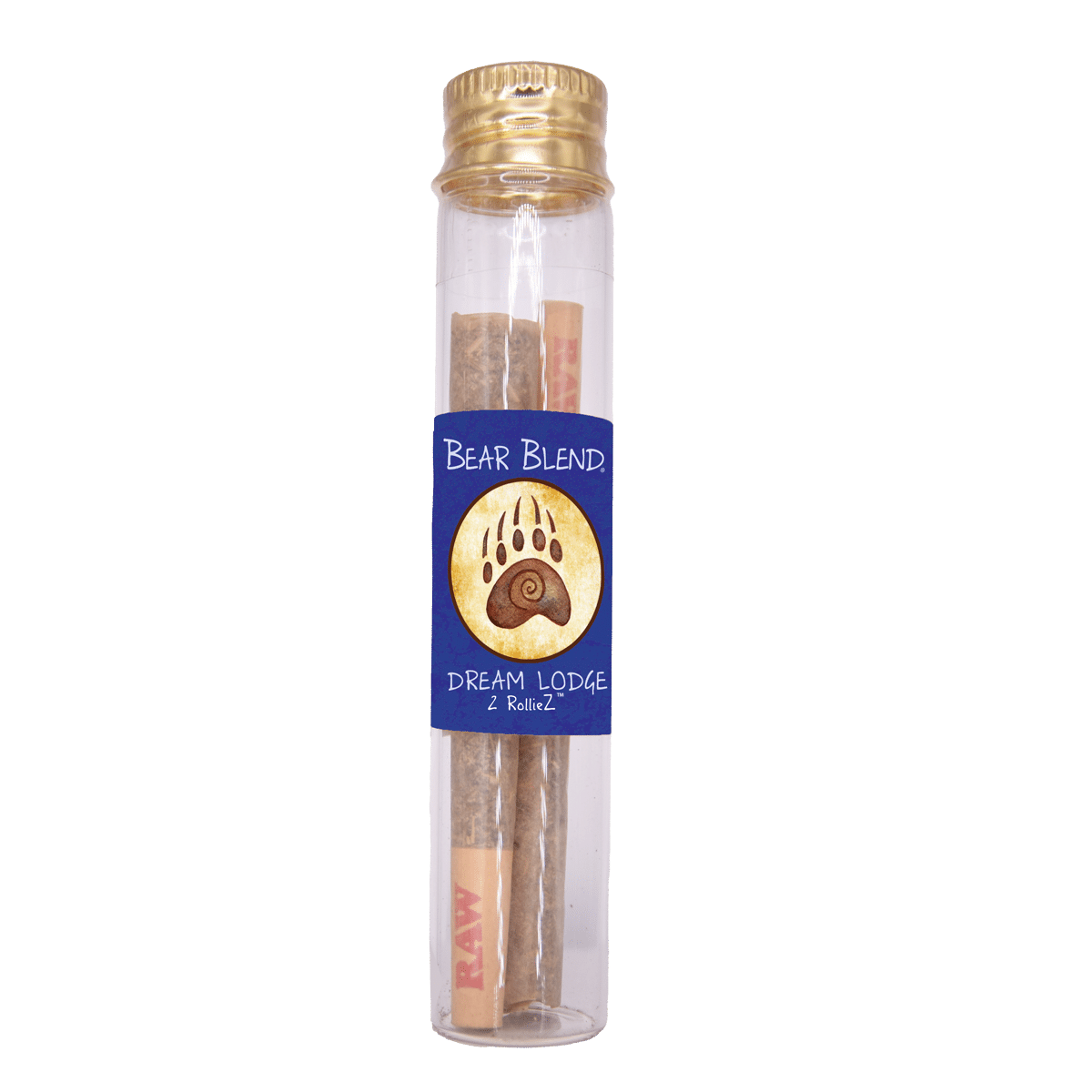
Tube of Two Dream Lodge Rolliez
Dream Lodge contains herbs such as wormwood and valerian to create calming and dream-enhan...
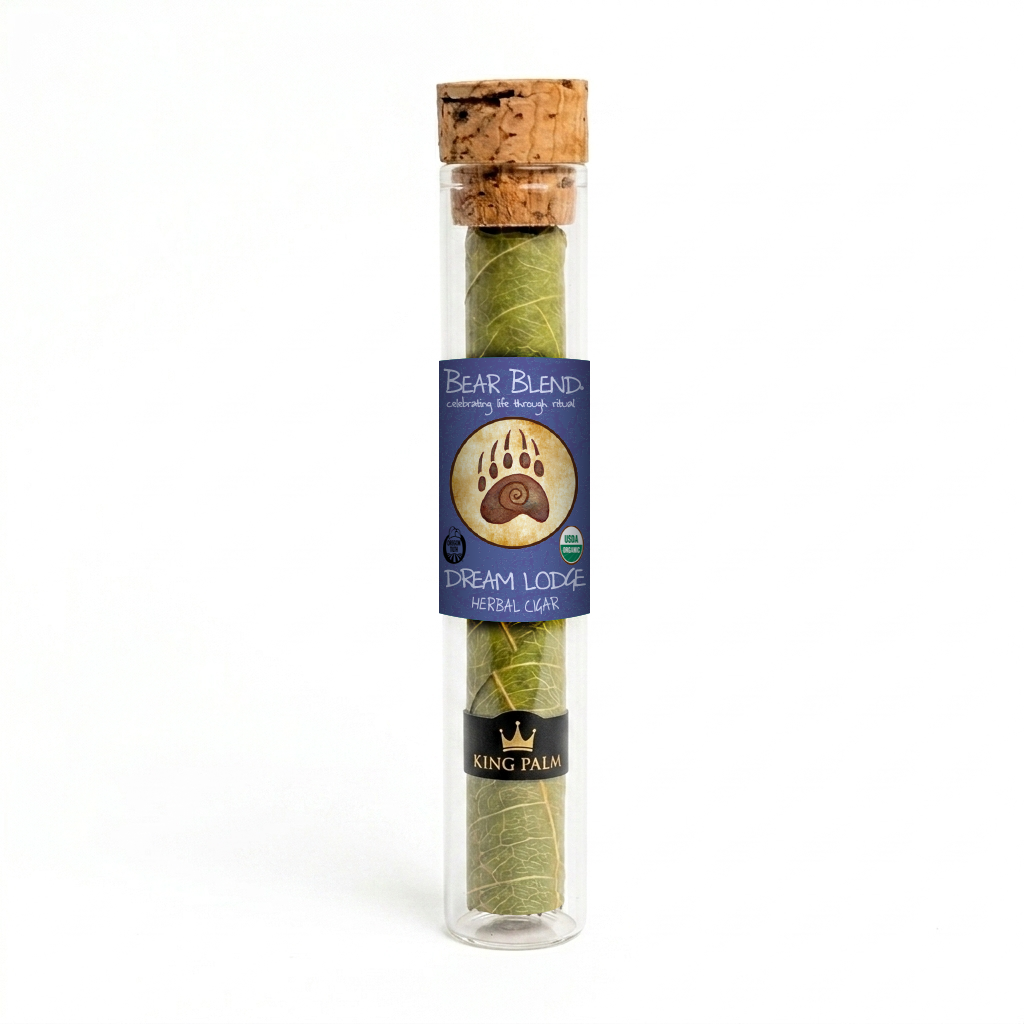
Dream Lodge Herbal Cigars
A slow, ceremonial smoke — Bear Blend's proprietary herbal blend wrapped in a natural...
of