
Tim Hunt
October 23, 2026
The plants growing along a fence, the flowers drying on a windowsill, the herbs tucked away in an old jar: the Halloween season has a way of making us look at the world of herbs a little differently.
For centuries, people across different cultures have woven herbs into their traditions, folklore and everyday lives. Some were believed to offer protection, keeping unwanted spirits at bay. Others were associated with love, courage, or dreams.
This Halloween, we're exploring the witchy folklore behind the herbs in Bear Blend's Moon Collection.
So light a candle, settle in, and let's take a closer look.
Mugwort: An Herb on the Side of the Door
Few herbs feel as naturally suited to Halloween folklore as mugwort.
Artemisia vulgaris, or mugwort has a long history of traditional use and a particularly interesting place in European folk traditions. It was associated with protection, strength and travel, and some traditions called for the herb to be hung in homes or placed near entrances to guard against unwanted influences.
Its reputation wasn't always so reassuring. During the period of European witchcraft persecutions, mugwort became associated with witches, sorcery and supposed magical ointments. Some believed that is was mugwort that granted the witches their ability to fly.
That contradiction makes mugwort especially interesting. A plant could be treated as a protective ally in one context and regarded with suspicion in another.
Mullein: The Witch's Candle
Mullein is a plant with a name that practically begs for a Halloween story.
The tall, dried flower stalks of common mullein (Verbascum thapsus) have long attracted attention, and the plant is associated in European folklore with the name "witch's candle."
Accounts of traditional European plant lore connect mullein with protection and witchcraft. In some traditions, it was believed to offer protection against harmful supernatural forces. The plant's tall stalk and distinctive appearance helped make it an enduring part of the folklore surrounding witches and old-fashioned herbal charms.
Mullein often grows in disturbed ground, along roadsides and at the edges of cultivated spaces. It appears where one landscape gives way to another. The places between the familiar and the unknown.
St. John's Wort: The Devil's Flight
St. John's wort (Hypericum perforatum) has one of the most striking names in European folk magic: fuga daemonum, commonly translated as "flight of demons" or "devil's flight."
The plant has been associated with protection against evil spirits and misfortune for centuries. In some European traditions, people gathered it around midsummer and hung it in or around their homes as a protective charm.
Its associations with midsummer are particularly well documented. The medieval garden research published by the Metropolitan Museum of Art describes St. John's wort as one of the important plants of midsummer traditions. Historical accounts connect it with protective amulets, house decorations and customs surrounding cleansing and protection from the supernatural.
The calendar may have changed, but the fascination with plants and the unseen world continues.
Red Raspberry Leaf: Sweetness With Thorns
In some European folk traditions, thorny plants were associated with boundaries and protection. Raspberry canes, with their combination of fruit and sharp thorns, lend themselves naturally to stories about keeping unwanted things at a distance.
The raspberry plant offers a useful image for thinking about protection: something can be generous and nourishing while still having boundaries.
Motherwort: The Lionhearted Herb
Not all old herbal traditions were about fighting off monsters. Some were about finding steadiness in ordinary life.
Motherwort's botanical name, Leonurus cardiaca, carries a reference to the lion and the heart. Its common name also connects it with motherhood and traditional herbal practices.
Motherwort developed a place in European household lore, where it was associated with the protection of mothers and families. Rather than the dramatic magic of a witch's candle or a demon-repelling charm, motherwort represents something quieter: courage, care and the strength to look after yourself and others.
Damiana: Love, Attraction and the Language of Desire
Damiana (Turnera diffusa) brings a different energy entirely.
Native to parts of Mexico, Central America and the Caribbean, damiana has a history of traditional use, including associations with sensuality and sexual health. Its place in contemporary magical practice often centers on love, attraction, passion and creativity.
For a Halloween-themed exploration of herbal symbolism, damiana opens the door to a different side of folklore: not every charm was about keeping something away. Some were intended to welcome something in.
Damiana has been used to attract love, friendship, confidence and connection through rituals and symbolic objects throughout human history.
Catnip: Luck, Affection and Cats
Catnip (Nepeta cataria) is best known for its effect on domestic cats, but it also appears in contemporary folk magic traditions.
Some practitioners associate it with friendship, affection, luck and happiness. It may be included in sachets or other symbolic objects intended to invite good fortune or strengthen relationships.
Catnip is also sometimes connected with Bastet the Egyptian goddess of of home, domesticity, cats, fertility, and childbirth in contemporary spiritual practice.
What These Herbs Have in Common
The herbs in Moon blend have very different histories. Some appear in European protective charms. Others are associated with traditional herbalism, contemporary magical practice or living religious traditions.
What they do share is a long relationship with people: the ways plants have been cultivated, gathered, used, described and woven into stories.
That history can be a good reason to slow down and pay closer attention to the natural world around us. And you don't have to own a spell book to appreciate the herbs or to create meaning through ceremony.
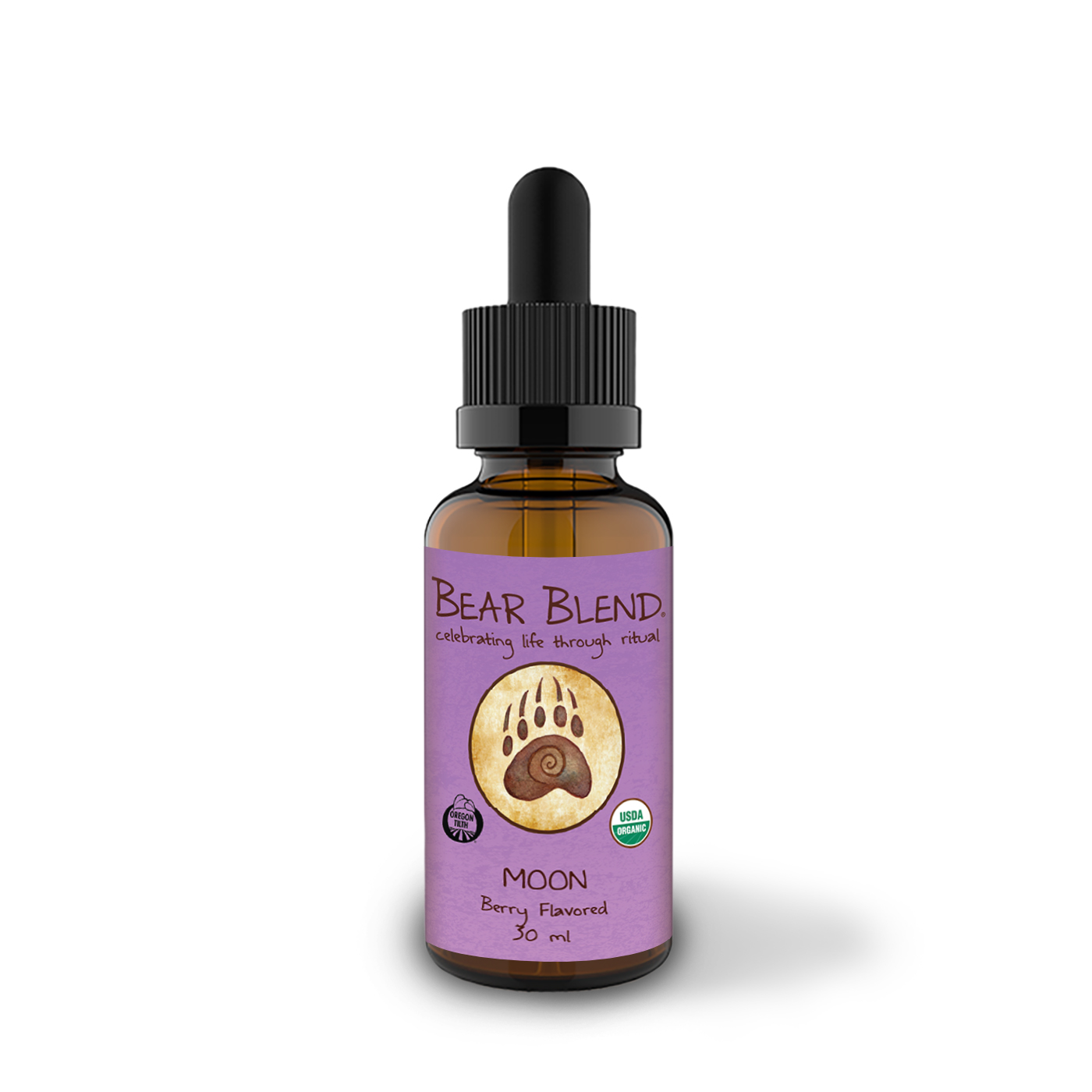
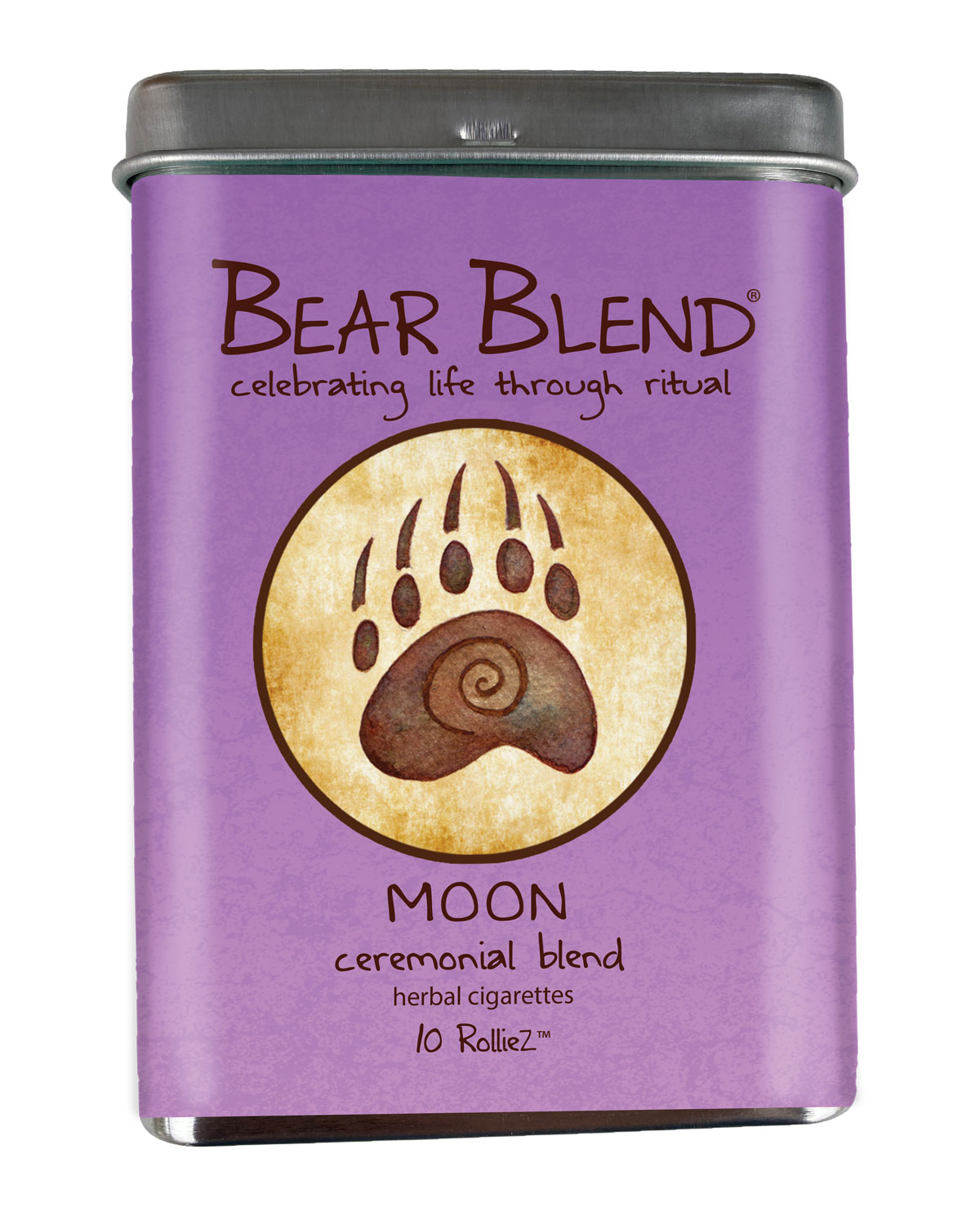
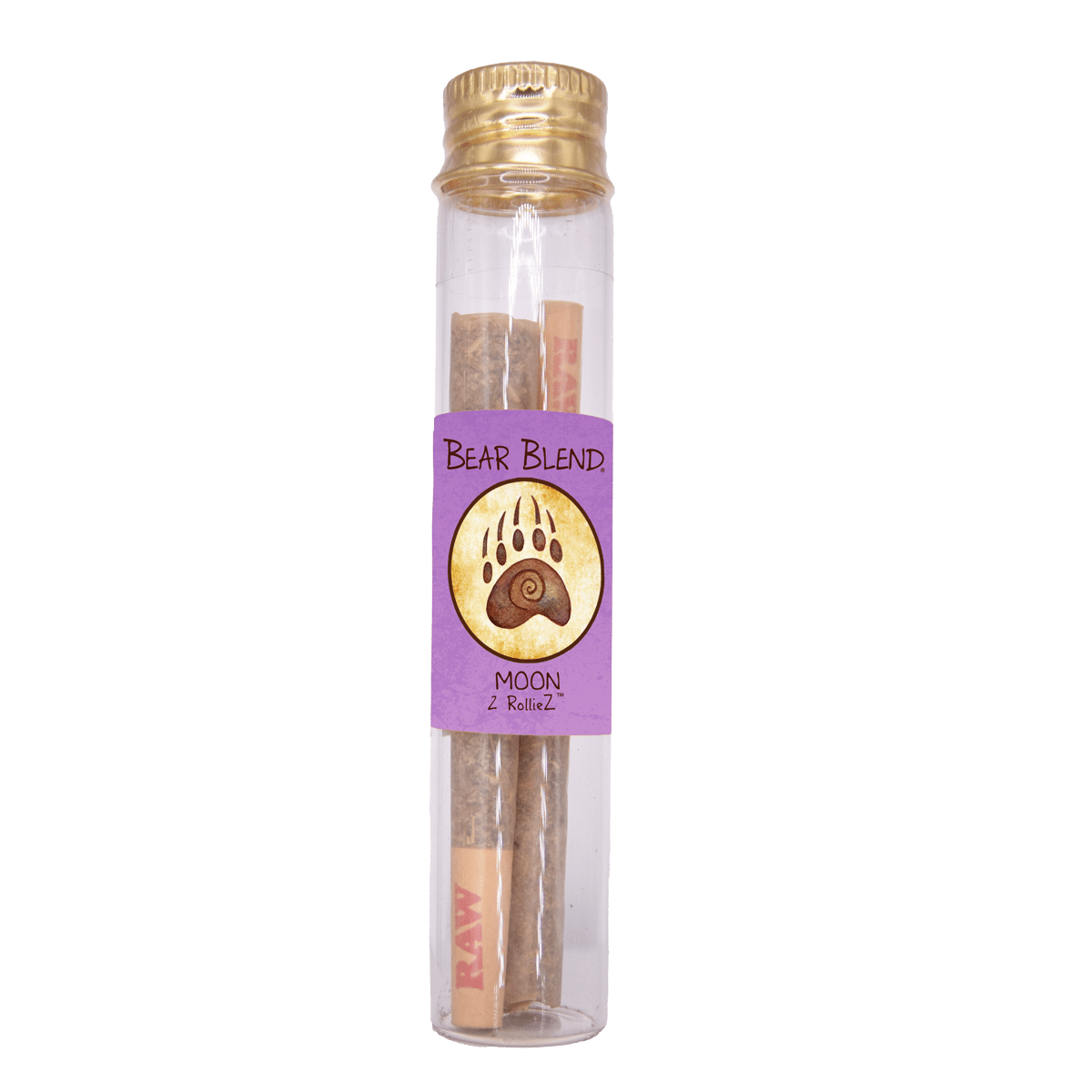
Meet the Moon Collection
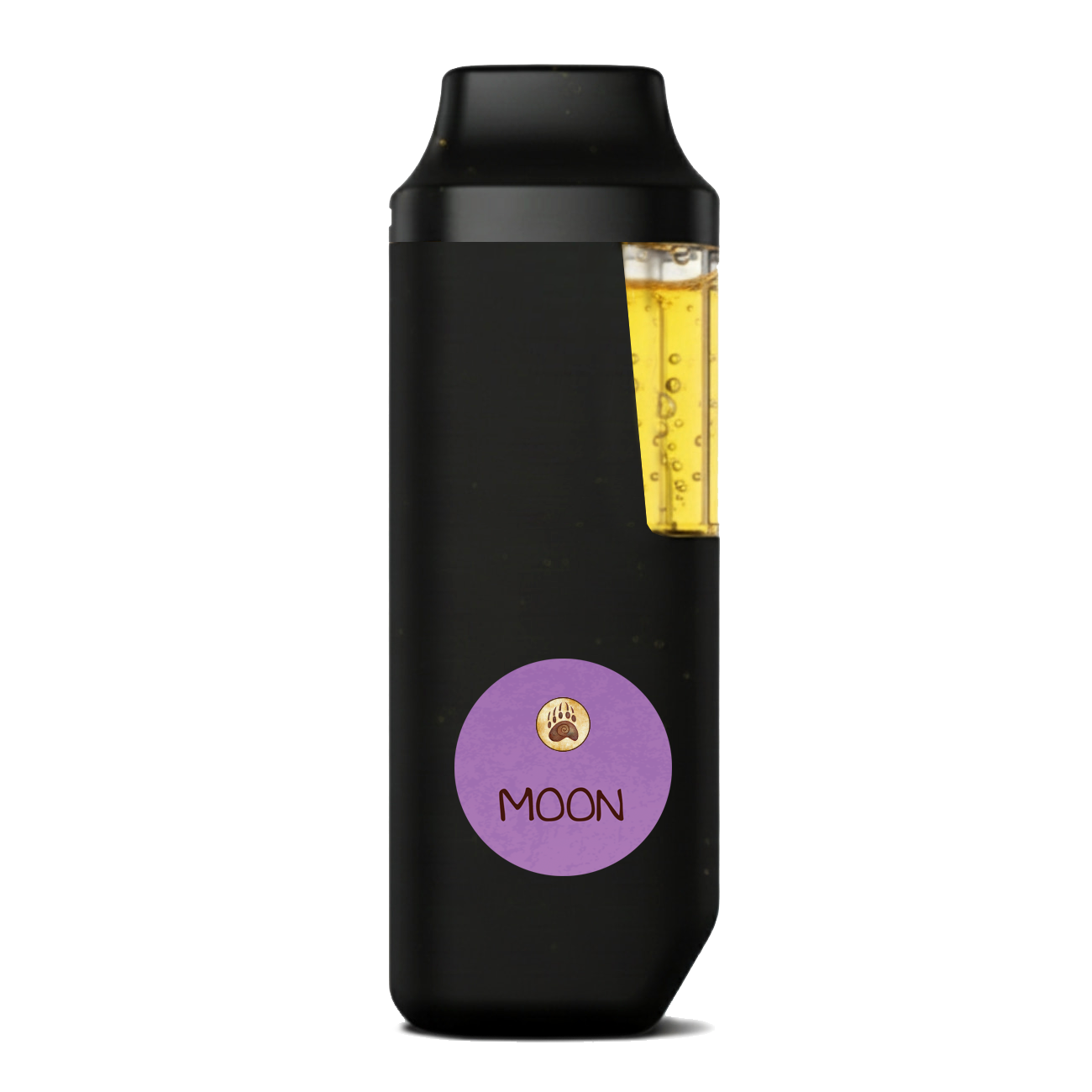
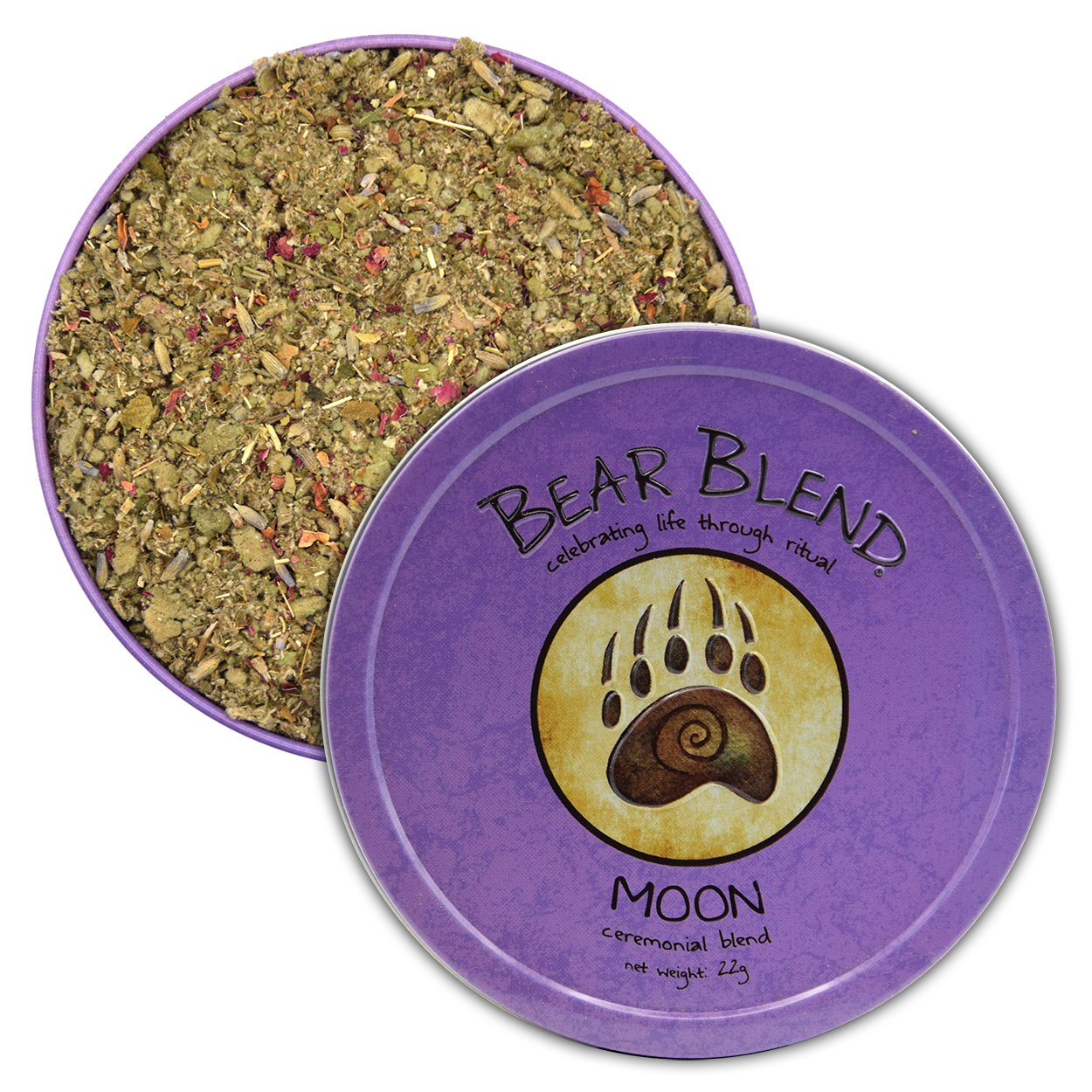
At Bear Blend, Moon brings together a selection of botanicals inspired by the character of the blend, including red raspberry leaf, mullein, rose petals, mugwort, lavender, damiana, passionflower, motherwort, catnip, St. John's wort and holy basil.
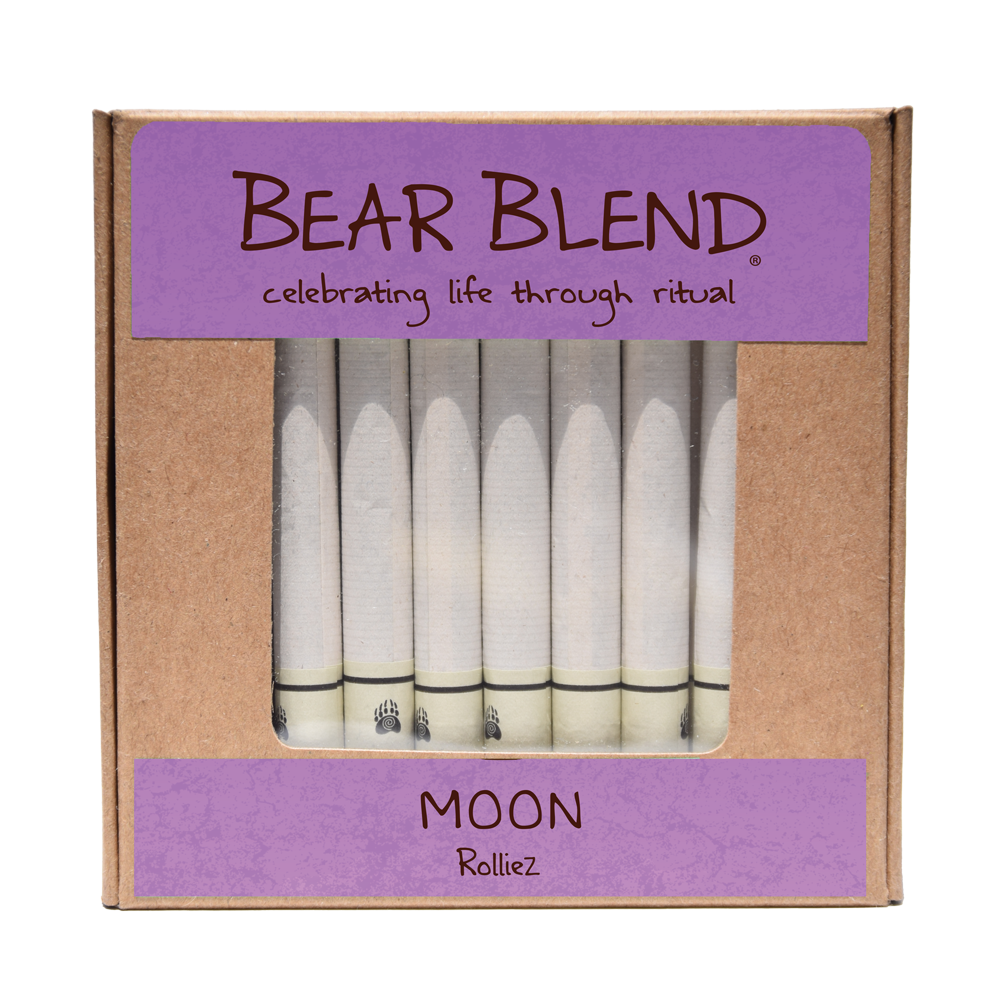
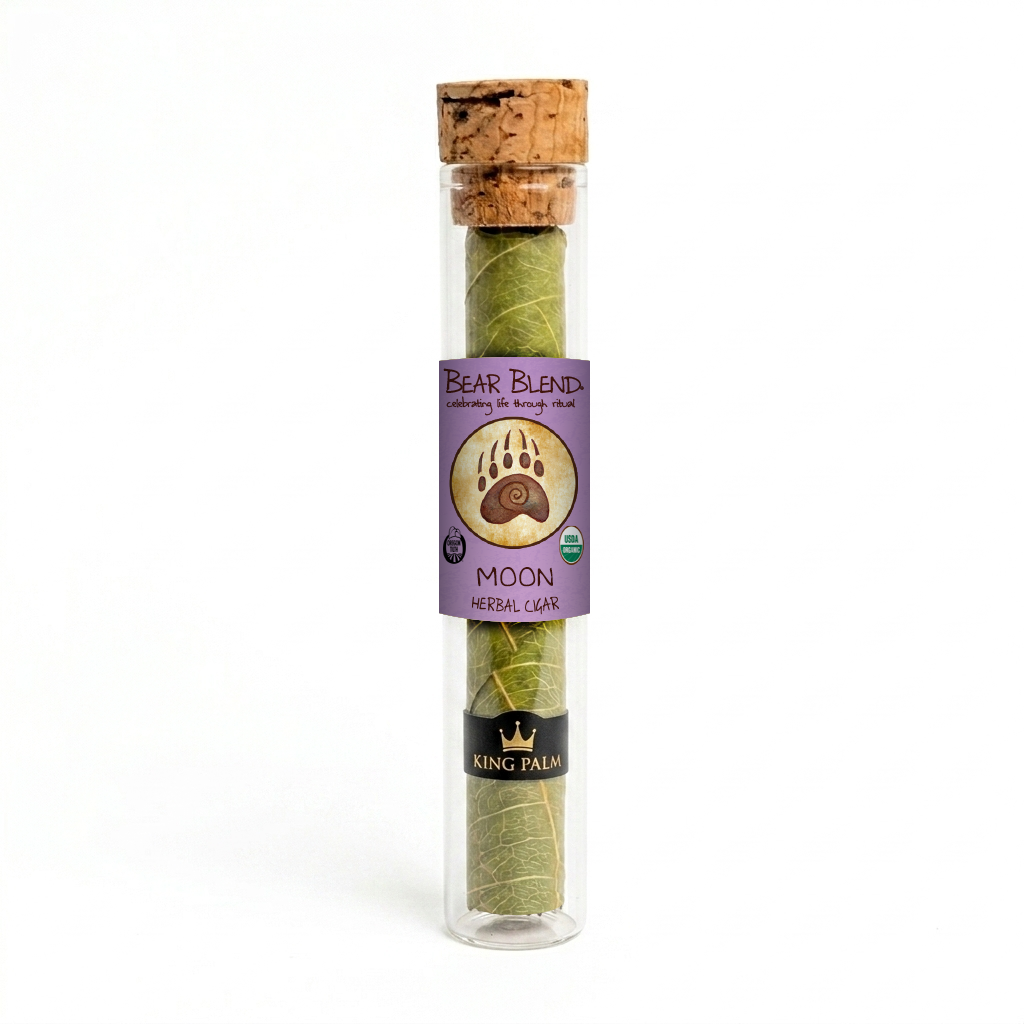
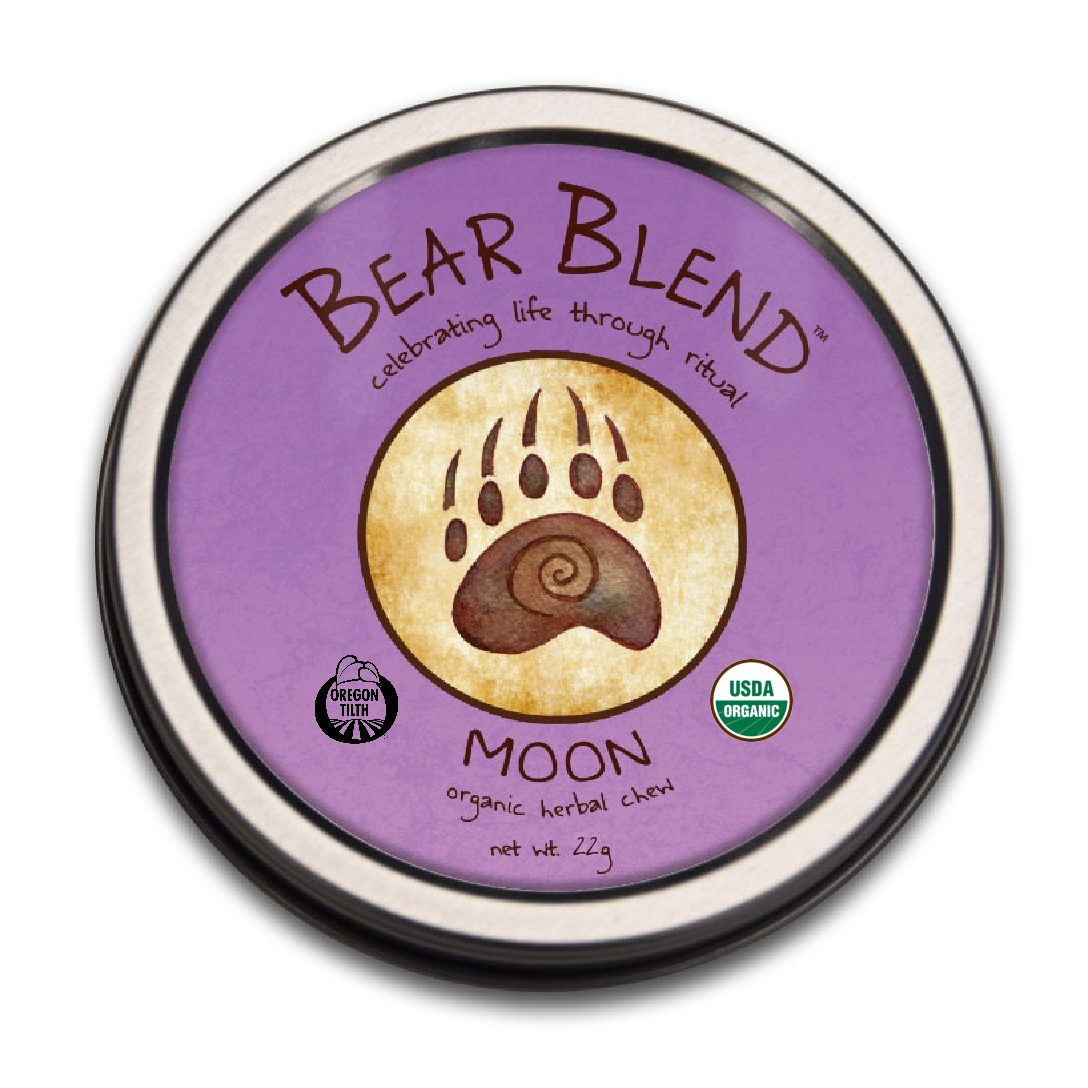
The Moon Ceremonial Blend has a floral character with hints of rose and lavender. The wider Moon Collection offers several product formats built around the same blend, so you can explore the collection and find the format that suits your interests.
This Halloween, add Moon to your ceremony.
Whether you're discovering these plants for the first time or already have a favorite, we invite you to explore their stories, learn something new and make a little room for a slower moment in your day.
Explore the Moon Collection: https://bearblend.com/collections/moon
Discover Moon Blend: https://bearblend.com/product/moon

Written by


Start the conversation
Leave a comment