Here’s a fun new word you can use at that upcoming office holiday party: zoopharmacognosy (zoo-far-ma-cog-na-si). The word comes from the Greek words zoon(animal), pharmakon(‘drugs/medicine) and gnosis (knowledge). Or to put it in simple terms, “Animal medicine knowledge”.
The term describes the ways in which animals use plants, minerals and other natural materials in ways to medicate themselves. This behavior goes beyond ordinary feeding.
Does an animal seek out a particular plant only under certain circumstances?
Does it prepare or consume the plant differently?
Does the behavior appear when the animal is injured, or sick?
Chimpanzees, for example, have been observed swallowing rough, bristly leaves whole. Scientists believe that the leaves may help dislodge intestinal parasites. Other animals consume particular plants after becoming infected with parasites or use specific plant materials to protect themselves from insects.
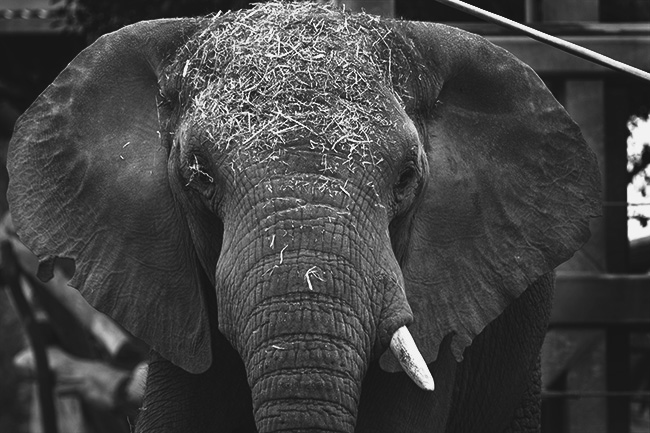
Elephants have attracted similar interest because of their extensive knowledge of the vegetation around them and their ability to select from an enormous variety of plant species.
For generations, people living alongside elephants have watched their feeding habits closely. Some of these observations have become part of local knowledge, passed from one generation to the next.
In 2026, researchers published a fascinating study in Scientific Reports examining reports of elephant using plants for medication around Mount Elgon, along the border of Kenya and Uganda. The researchers worked with experienced members of the local Sabaot community, including elders, wildlife scouts and a retired ranger. These individuals had spent years observing elephants and their interactions with the surrounding vegetation.
The findings documented reports involving 35 plant species belonging to 23 botanical families, along with four types of soil, minerals or clay that elephants were believed to use for medicinal purposes.
Even more interesting, the researchers found that 34 of the 39 natural resources identified by local informants also had traditional medicinal uses among people in the region. Some of the accounts involved mother elephants reportedly administering particular plants to their calves. Others described elephants seeking out plants associated with specific ailments or consuming them in unusual ways.
The relationship between elephants and human botanical knowledge is not limited to this one study.
In parts of East Africa. Pregnant elephants have reportedly been observed eating Cordia goetzei leaves in the period before giving birth. Women in some local communities have also traditionally used the plant in connection with labor.
In Tanzania, elephants were observed crushing leaves, soaking them in water held in their trunks, discarding the leaves and drinking the remaining ‘tea’. The practice was associated with treating digestive complaints, and the WaTongwe people of Tanzania reportedly adopted a similar preparation.
The idea that animals possess an innate understanding of medicinal plants is much older than modern scientific research. Pliny the Elder recorded an extraordinary account involving elephants. He wrote that elephants which accidentally swallowed chameleons hidden among foliage would consume olive leaves afterward. The ancient naturalist believed the olive helped counteract the harmful effects of the chameleons.
Humans have spent thousands of years learning about the botanical world. We have observed plants, experimented with preparations, shared knowledge and developed traditions that connect particular species with food, medicine and ceremony.
Yet we sometimes forget that we are not the only creatures navigating this botanical landscape.
Animals have their own relationships with plants, shaped by generations of experience, memory and the knowledge passed between members of their species. The possibility that some of this knowledge overlaps with traditional human medicine invites us to look at the natural world with a little more curiosity.
We may never know exactly how much humans learned about medicinal plants by watching elephants. The evidence is still developing.
But perhaps we don't need to know every answer to appreciate the connection.
The next time you walk through a forest or encounter an unfamiliar plant, consider the possibility that another creature has known it for generations. Somewhere in the landscape, an animal may have already discovered its leaves, tasted its fruit or remembered where it grows.
Nature has always been full of teachers. Sometimes, we simply need to slow down enough to notice them.



Start the conversation
Leave a comment