

Tim Hunt
October 19, 2026
Anxiety is hardly a modern problem.
In the United States today, an estimated 19.1% of adults experience an anxiety disorder in a given year. That is nearly one in five adults. Anxiety disorders can affect work, relationships, sleep and everyday life, and for many people, finding ways to slow down an overactive mind has become an important part of taking care of themselves.
Modern medicine has given us many ways to understand and treat anxiety. But long before anxiety had a clinical definition, people were turning to plants.
Herbs have been part of traditional approaches to rest, relaxation, sleep and emotional well-being for thousands of years. Ancient physicians documented plants that were used to calm the body and mind, and many of those plants are still familiar to us today.
Plants have always been part of the conversation
Herbal medicine developed long before modern clinical trials. Physicians and herbalists observed plants, experimented with preparations and passed their knowledge from one generation to the next.
Valerian, for example, has been used medicinally since at least ancient Greece and Rome. Hippocrates wrote about its medicinal applications, and the Roman physician Galen later recommended valerian for sleep. Centuries later, valerian was being used for nervousness and related complaints, and during World War II it was even used in England as an herbal aid for the stress associated with air raids.
Passionflower has its own fascinating history. Native to the southeastern United States and Central and South America, Passiflora incarnata was traditionally used as a sedative. Sixteenth-century Spanish explorers encountered passionflower in South America, after which the plant made its way into European herbal medicine.
And then there is lavender.
Today, lavender is almost synonymous with relaxation. Its scent has become a familiar part of baths, massage, aromatherapy and bedtime routines. The plant has a much older story, too. Ancient Greek and Roman writers documented lavender, and the Greek physician Dioscorides included it in his first-century work De Materia Medica, one of the most influential herbal texts of the ancient world.
Lavender: the familiar calming herb
Lavender may be the easiest herb to associate with relaxation.
The name itself comes from the Latin lavare, meaning "to wash," reflecting its long association with bathing and cleanliness. Over time, lavender became valued for its distinctive fragrance and was incorporated into perfumes, baths and various forms of traditional herbal practice.
Modern researchers have taken an interest in something people have been experiencing for generations: whether lavender can actually influence feelings of anxiety.
A 2019 systematic review and meta-analysis examined dozens of clinical studies involving lavender and anxiety. The researchers found evidence suggesting that lavender inhalation may reduce anxiety, while other forms of lavender, including a standardized oral lavender preparation, also showed potential benefits.
Another meta-analysis of randomized controlled trials found that lavender aromatherapy was associated with reductions in anxiety and several physiological measures associated with stress.
Passionflower: an old calming tradition
Passionflower has an especially interesting relationship with anxiety.
Traditional herbal medicine has used Passiflora incarnata as a sedative and for sleep and nervousness. In North American herbal traditions, passionflower has also been prepared as a tea.
In a small 2001 randomized trial, 36 people with generalized anxiety disorder were given either passionflower extract or the prescription medication oxazepam for four weeks. Both groups improved, and the researchers did not find a significant difference between the two treatments at the end of the study.
And more broadly, the National Center for Complementary and Integrative Health says that a small amount of research suggests passionflower may help reduce anxiety, but that the evidence is not yet definitive.
Still, there is something compelling about a plant with such a long history of being used to help people settle down that researchers are now investigating many of those same traditional applications.
Valerian: a traditional herb for winding down
Valerian is another plant with a remarkably long history.
The roots of Valeriana officinalis have been used since ancient Greece and Rome. Hippocrates described the plant, and Galen recommended it for insomnia. By the 16th century, valerian was being used for nervousness, trembling, headaches and heart palpitations.
Today, valerian is commonly associated with sleep and relaxation.
Making space to slow down
Anxiety doesn't always arrive at a convenient time.
Sometimes it's the racing thoughts at the end of a long day. Sometimes it's that feeling that your mind hasn't caught up with your body yet. And sometimes you simply need a little space between everything that happened today and everything that's waiting for you tomorrow.
That's one reason herbal traditions are so interesting.
For generations, people have turned to plants such as lavender, passionflower and valerian when they wanted to create a quieter moment. You can make a cup of tea. Spend a few minutes outside. Take a bath. Read a book. Sit quietly. Put your phone away. Or create a small ritual that signals to your mind that it's time to slow down.
That's the idea behind Bear Blend.
If you're drawn to individual herbs, Bear Blend offers lavender, passionflower and valerian so you can explore these plants on their own and learn what each one brings to your experience.
But if you'd rather start with a blend, we've already brought different herbs together with different moods and moments in mind.
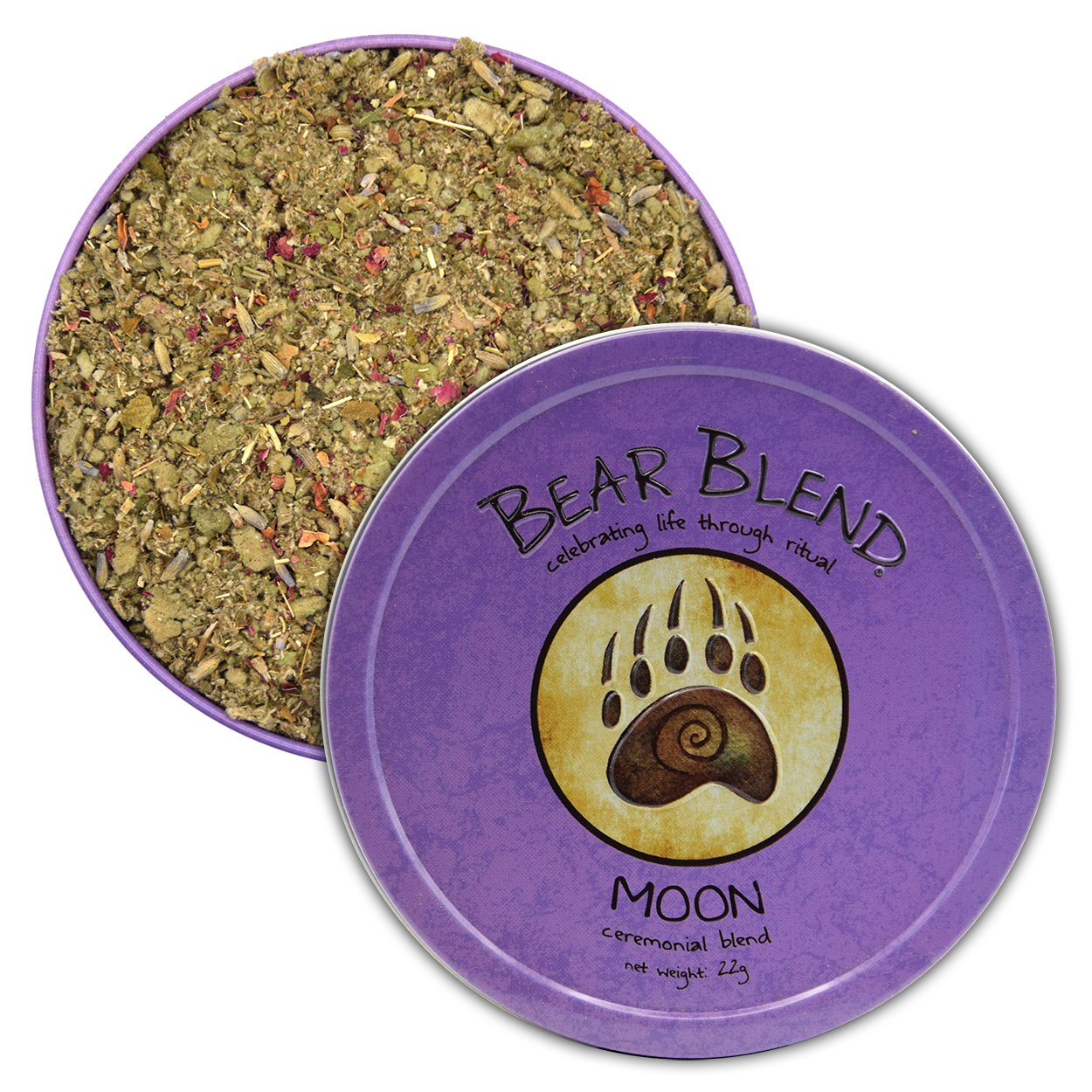
Moon is made for those quieter parts of the day, the time when you want to step away from the noise, slow your pace and make a little room for reflection. It's a natural fit for an evening ceremony, a few minutes of meditation or simply winding down after a busy day.
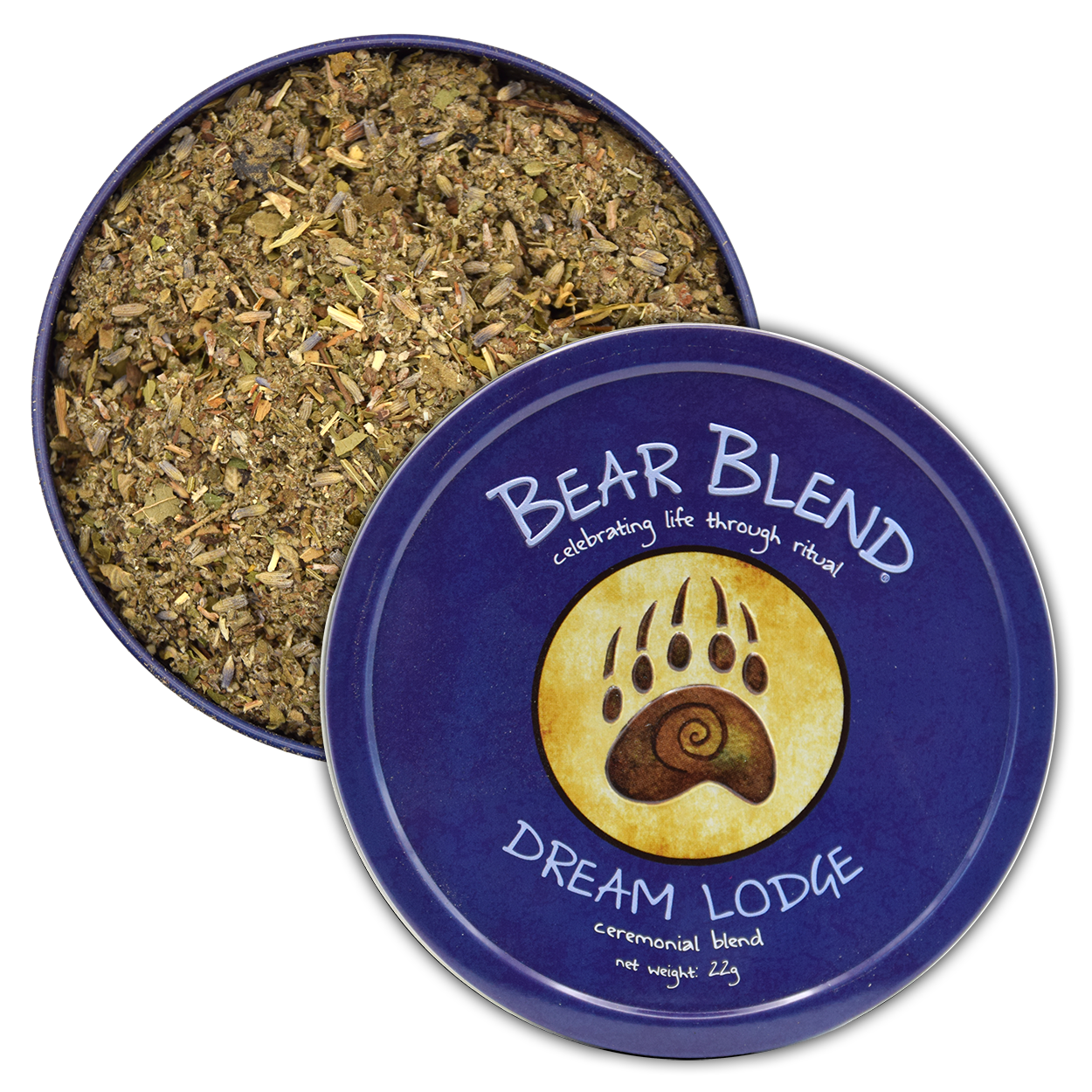
Dream Lodge takes that idea a little further into the night. It's intended for those moments when the day is over and you're ready to settle into a slower, quieter headspace.
An invitation to pause.
A reason to step outside.
A few quiet minutes before bed.
A familiar plant in your hands.
A moment when you aren't rushing toward the next thing.
That's the ceremony.
Explore the herbs, blends and traditions behind Bear Blend at BearBlend.com and find something that fits your own way of slowing down.
Written by
Tim Hunt


Start the conversation
Leave a comment