
Tim Hunt
August 31, 2026
It is 1550 B.C., and you have a stomachache.
The hot Egyptian sun makes you feel worse as it climbs higher into the sky. Too much barley beer and ox meat at yesterday's Wepet Renpet celebration, perhaps?
Living in the ancient city of Thebes, you seek the counsel of one of the city's many physicians. Dressed in clean white linen and a traditional wig, the physician has his assistant bring him an enormous papyrus filled with hundreds of magical formulas and medical prescriptions passed down through generations. After consulting the more than 65-foot-long scroll, the physician places a small green herb on your tongue.
The effect is immediate.
A bolt of energy, as if from the storm god Set himself! A sudden sensation of cool, clean freshness!
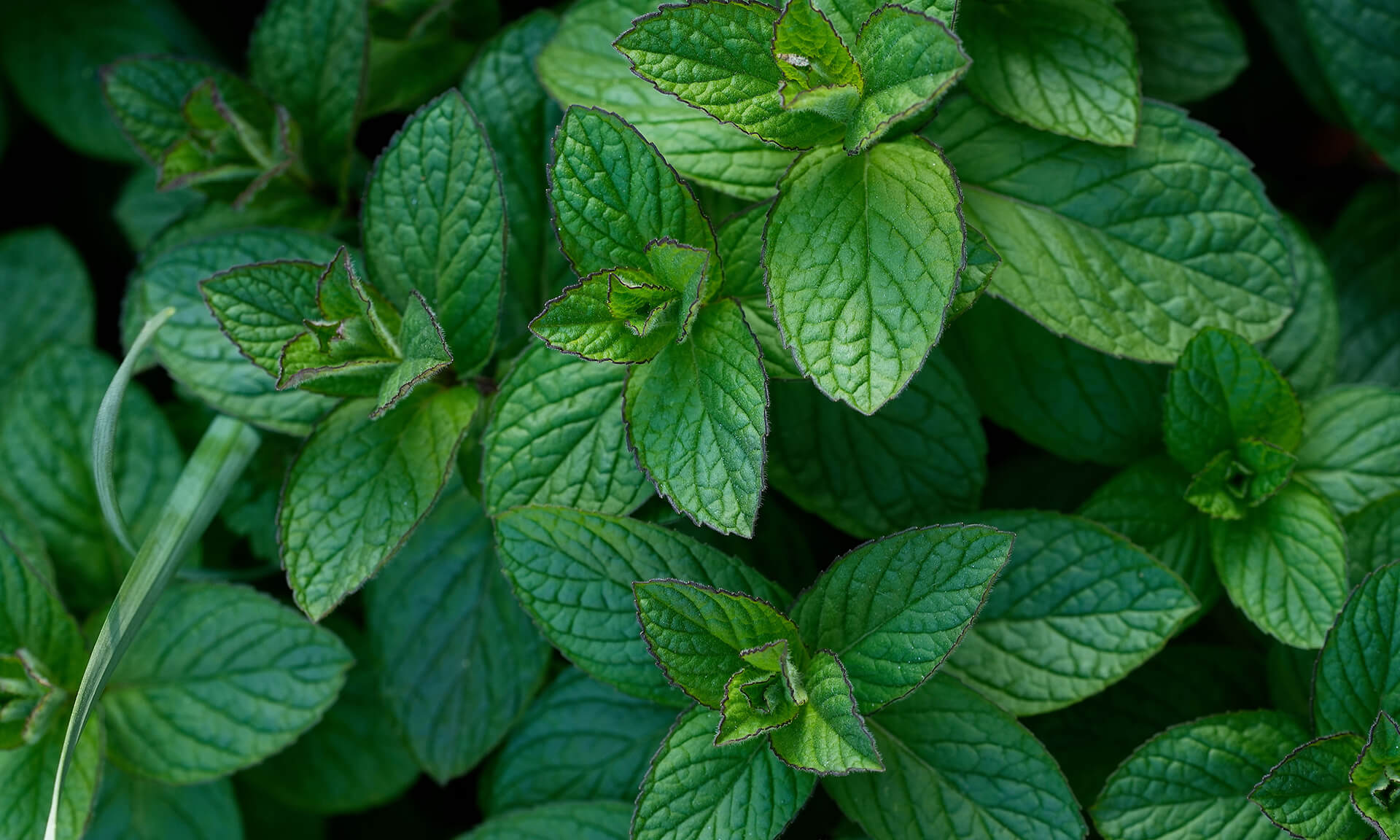
What you've just experienced may sound like something from a fantasy, but the herb is real. Known today as mint, it was already being used thousands of years ago for food, fragrance and traditional medicine.
One of the oldest surviving records of Egyptian medicine, the Ebers Papyrus, contains numerous remedies for digestive complaints, Thousands of years before peppermint became a household staple, mint was already being used by physicians, priests, cooks and healers around the world. From the ancient Egyptians to the American Civil War, follow the surprisingly fascinating journey of this unmistakably cool and aromatic herb.and mint is among the herbs it recommends.
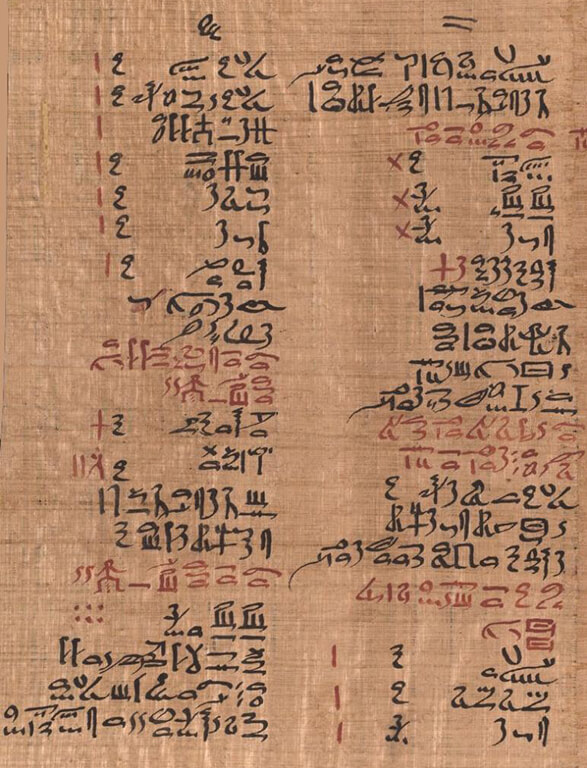
The Ebers Papyrus
Mint had already been part of human life for thousands of years. Long before anyone had given mint its current name, people were growing, gathering and experimenting with the plant for food, fragrance and traditional medicine.
According to Greek mythology, Μίνθη or Minthe was a water nymph who became the lover of Hades, god of the underworld. Persephone, Hades' wife, discovered the affair and, in a fit of jealousy, transformed Minthe into a plant.
The ancient Greek geographer Strabo recorded the story while describing Mount Minthe near Pylos, writing that Minthe "became the concubine of Hades" before being transformed into garden mint.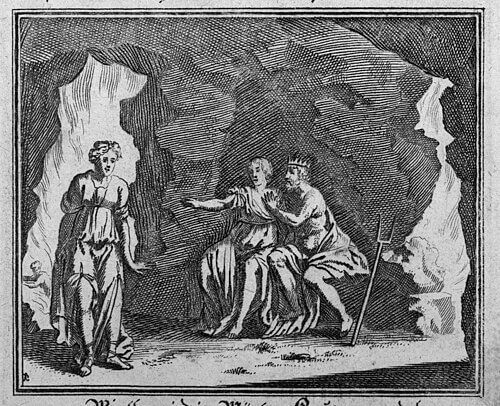
The transformation of Minthe into a mint plant
The myth may help explain some of mint's associations in ancient Greece where the herb was used as an aphrodisiac.
Mint's reputation as a useful household herb only grew from there.
Mint appears in the Hebrew Bible and is also mentioned in the New Testament. In Luke 11:42, Jesus criticizes the Pharisees for carefully tithing "mint and rue and all manner of herbs" while neglecting justice and the love of God. The passage is an interesting glimpse into how ordinary garden herbs could have enough value to be measured, cultivated and counted.
The Romans had their own uses for it. Pliny the Elder wrote about mint as a stimulating herb and described its effects on the mind and appetite. Mint was also used to flavor food and wine and to freshen the air.
In India, mint became part of traditional Ayurvedic practice, where different mint species and preparations were used for digestive complaints and respiratory ailments.
Writers in later centuries were just as enthusiastic about mint.
In 1597, English herbalist John Gerard described mint as "a marvellous wholesome" herb for the stomach. Physician Tobias Venner wrote in 1620 that mint could "comfort the braine and spirits" and enliven the senses. Seventeenth-century English physician and astrologer Nicholas Culpeper likewise praised mint as a cure for stomach ailments.
Across Europe and the Middle East, mint was similarly valued as a culinary herb, aromatic plant and traditional remedy.
When Europeans arrived in the Americas, they encountered Indigenous peoples who were already using a variety of native mint as food, medicine and material for everyday life. Several species of mint are native to North America, and Indigenous communities developed their own uses for them. Later European settlers also adopted local plants and incorporated familiar herbs into their own traditions.
Mint continued to follow people wherever they went. Historical accounts from the colonial period describe its use for digestive complaints and other common ailments. By the 19th century, peppermint had become a familiar ingredient in American medicine.
Peppermint, Mentha × piperita, is a hybrid of water mint and spearmint. Unlike the mint mentioned in ancient texts, peppermint itself is a comparatively recent arrival. It was described in England in the late 17th century and became increasingly important in European herbal medicine and commerce.
Its cooling sensation comes largely from menthol, the compound responsible for peppermint's unmistakable aroma and the familiar cold feeling it produces when it comes into contact with the skin and mouth.
By the American Civil War, peppermint preparations had found a place in military medicine. Peppermint oil and related preparations appeared in Union Army medical supplies, and physicians used peppermint preparations for a range of complaints, including digestive discomfort and nausea. Its strong flavor also made it useful for masking the taste of less pleasant medicines.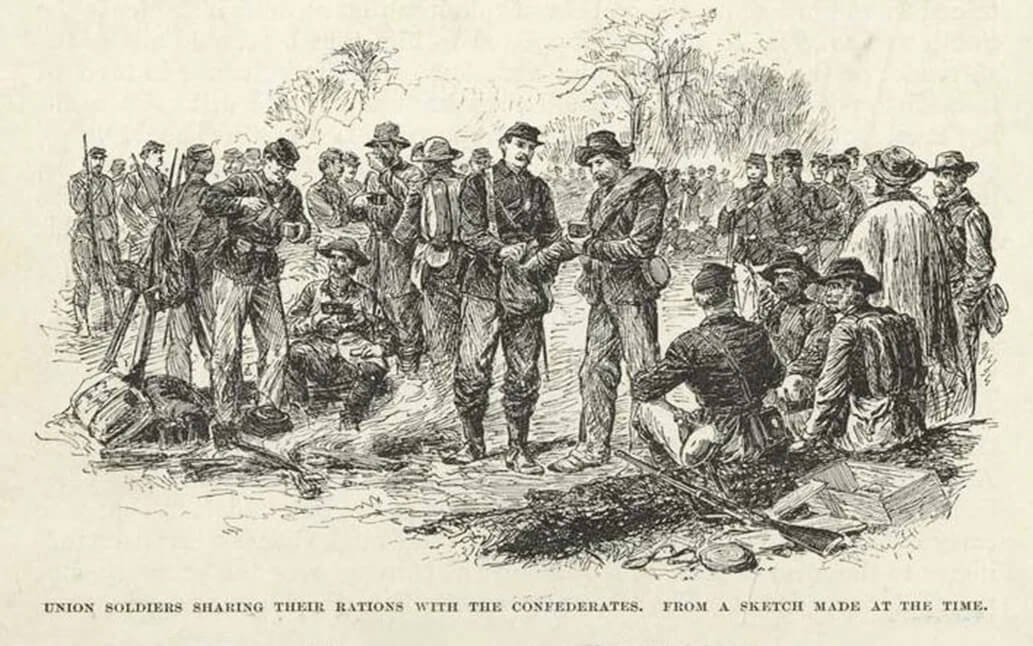
The herb's story continues today! Peppermint remains a common ingredient in foods, teas, oral care products, cosmetics and topical preparations. Researchers have also studied peppermint and its compounds for a variety of potential effects, including their sensory and gastrointestinal properties.
Throughout history people have continuously found reasons to keep the plant around.
It has been food, medicine, perfume, flavoring, garden plant and household staple. Its varieties have traveled across continents, acquired new names and found new uses. And through all of those changes, one characteristic has remained remarkably recognizable: that unmistakable rush of cool, aromatic freshness.
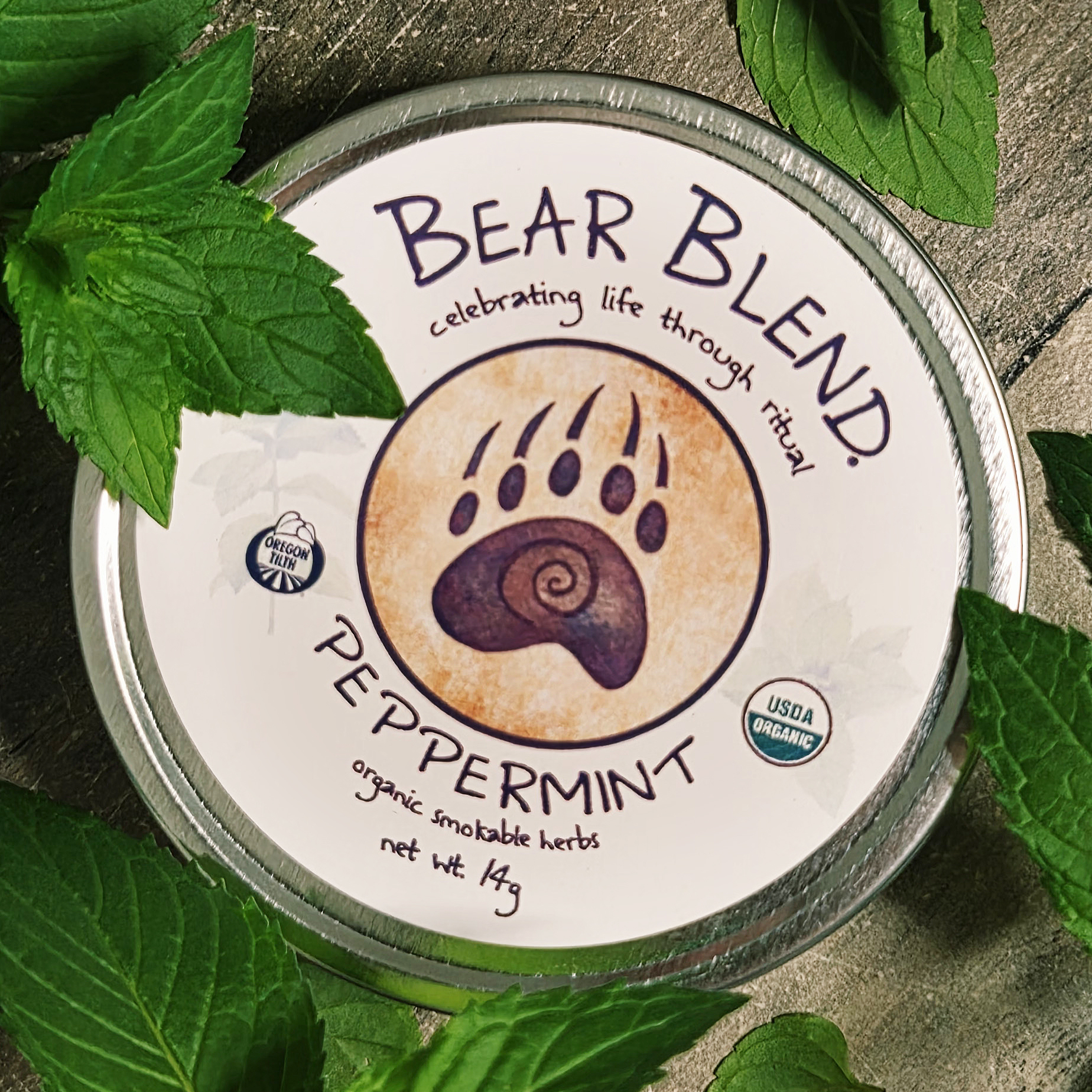
Today, peppermint remains one of the most recognizable members of the mint family. Its distinctive aroma and cooling character have made it a familiar ingredient in kitchens, gardens and botanical traditions around the world. But dried peppermint leaf has a character of its own, and exploring an herb doesn't always have to begin with a cup of tea or a topical.
For those curious about experiencing peppermint in a different form, our organic peppermint is available as a single smokable herb, either on its own or combined with other herbs. The experience is simple: pure peppermint leaf with its naturally distinctive aroma and character. If you'd rather experiment with a ready-made combination, our Mintz ceremonial blend brings peppermint together with other herbs, while our guide to blending herbs is a good place to start if you want to create your own combination. As with any plant material that is burned and inhaled, smoking carries respiratory considerations, and peppermint is no exception. Our interest is in giving an old and remarkably versatile herb another way to be experienced.

Written by
Start the conversation
Leave a comment