
Tim Hunt
August 27, 2026
Clear your evening. The Moon has plans
There are nights when the moon feels less like something in the sky and more like something calling your attention.
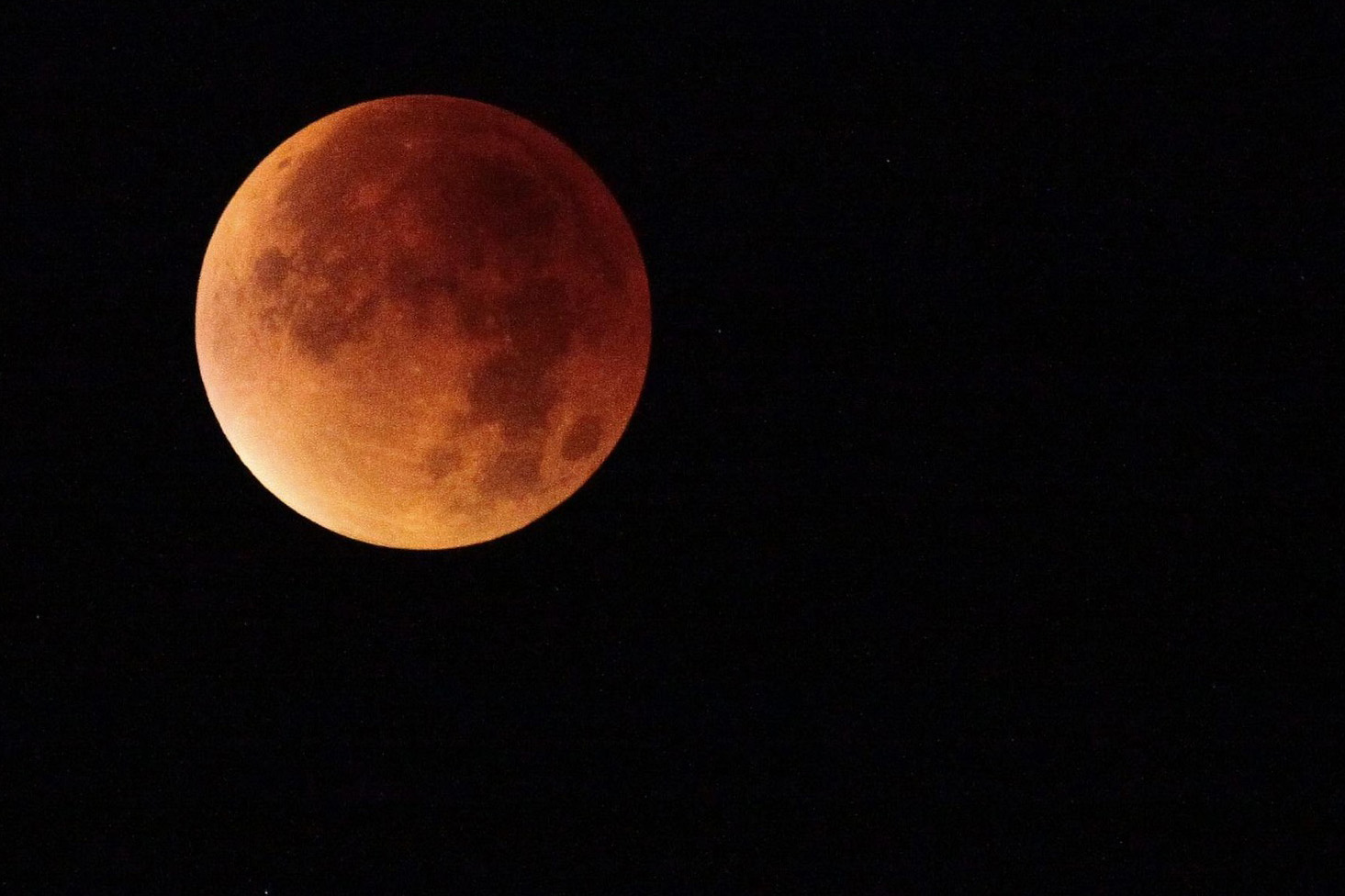
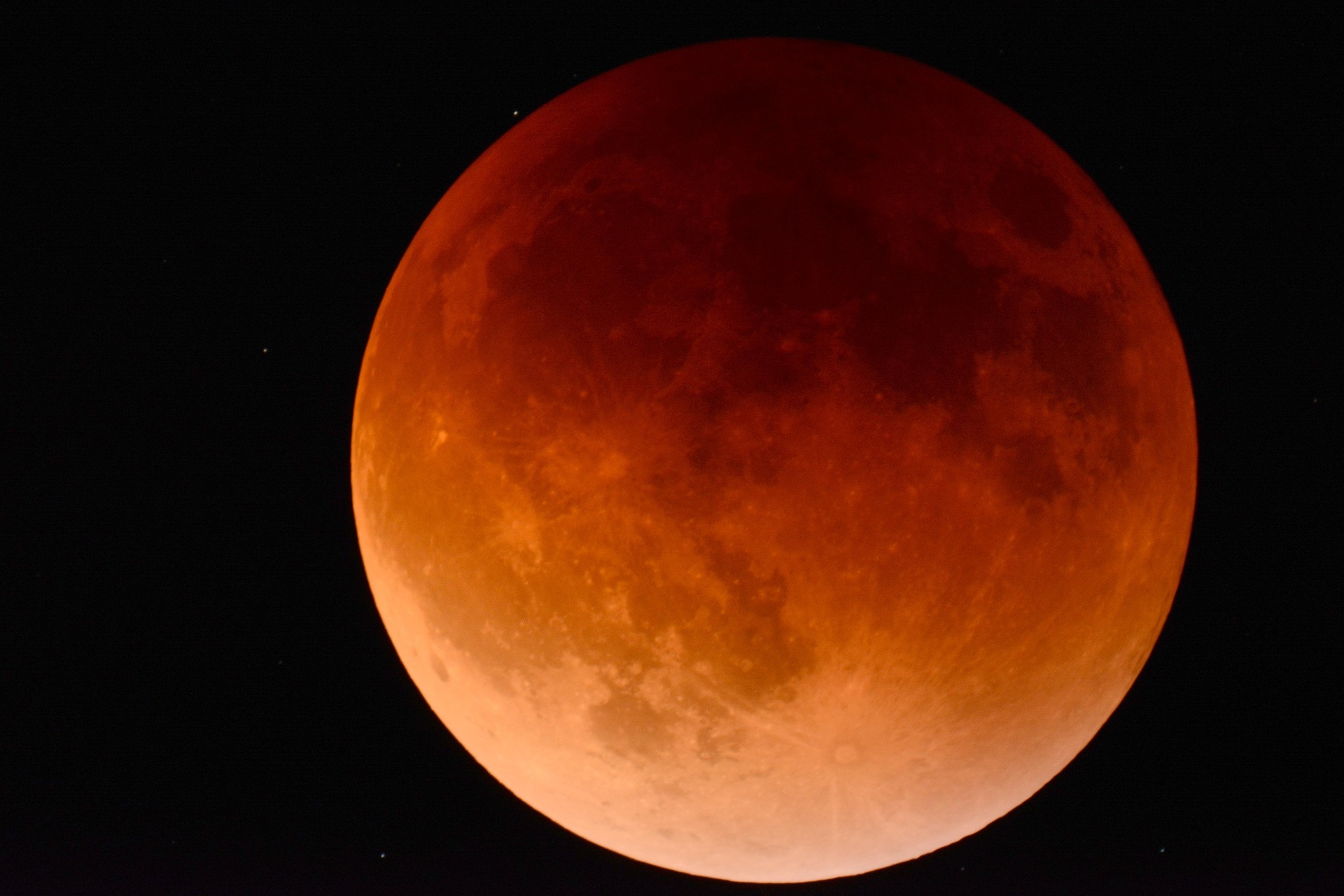
This August 27–28, 2026, this year's August full moon, the Sturgeon Moon, will cross into Earth's shadow during a spectacular partial lunar eclipse. At maximum eclipse, roughly 96% of the Moon will be inside Earth's darkest shadow.
For a few hours, the Moon will transform from a brilliant full moon into something much stranger: darkened, shadowed, and potentially glowing with an eerie red or copper hue.
It's the kind of celestial event that makes you understand why humans have been obsessed with the Moon for thousands of years.

The Mayan Dresden Codex recording lunar and solar eclipses
Full Moon Energy Meets Eclipse Mysticism
Long before modern astronomy explained why the Moon changes appearance, people looked to it as a source of mystery. The Moon's cycle was an obvious natural rhythm. It waxed, became full, waned, disappeared, and returned again. Its changing face offered a visible metaphor for cycles of growth, fullness, decline, darkness, and renewal.
The full moon has traditionally been associated with completion, abundance, reflection, and release.
Eclipses add another symbolic layer: disruption, transformation, endings, and new beginnings.
Put them together and you've got one hell of a night for a ritual.

The Indian demon Rahu eating the moon during a lunar eclipse.
You could keep it simple.
Step outside.
Watch the Moon.
Take a few deep breaths.
Write down something you're ready to let go of.
Set an intention for what's next.
Maybe burn some herbs or incense. Make a tea. Put on some music. Or just sit quietly and let the sky put things into perspective.
There's no right way to experience a full moon.
That's the point.
While beliefs and traditions vary a cross time and cultures one recurring theme is hard to miss:
The Moon changes, and so do we.
It's about the ritual.
Make a Night of It
You don't need an elaborate ceremony.
Because sometimes you don't need to explain the magic.
You just need to step outside and look up.
Find somewhere you can see the sky. Turn off the lights. Put your phone down. Watch the shadow move across the Moon.
If you're someone who enjoys incorporating herbs, fragrance, meditation, or smoke into personal rituals, this is exactly the kind of night that calls for it. The act of tending a flame, watching smoke move through the air, and slowing down around a sensory experience can turn an ordinary moment into something more intentional.
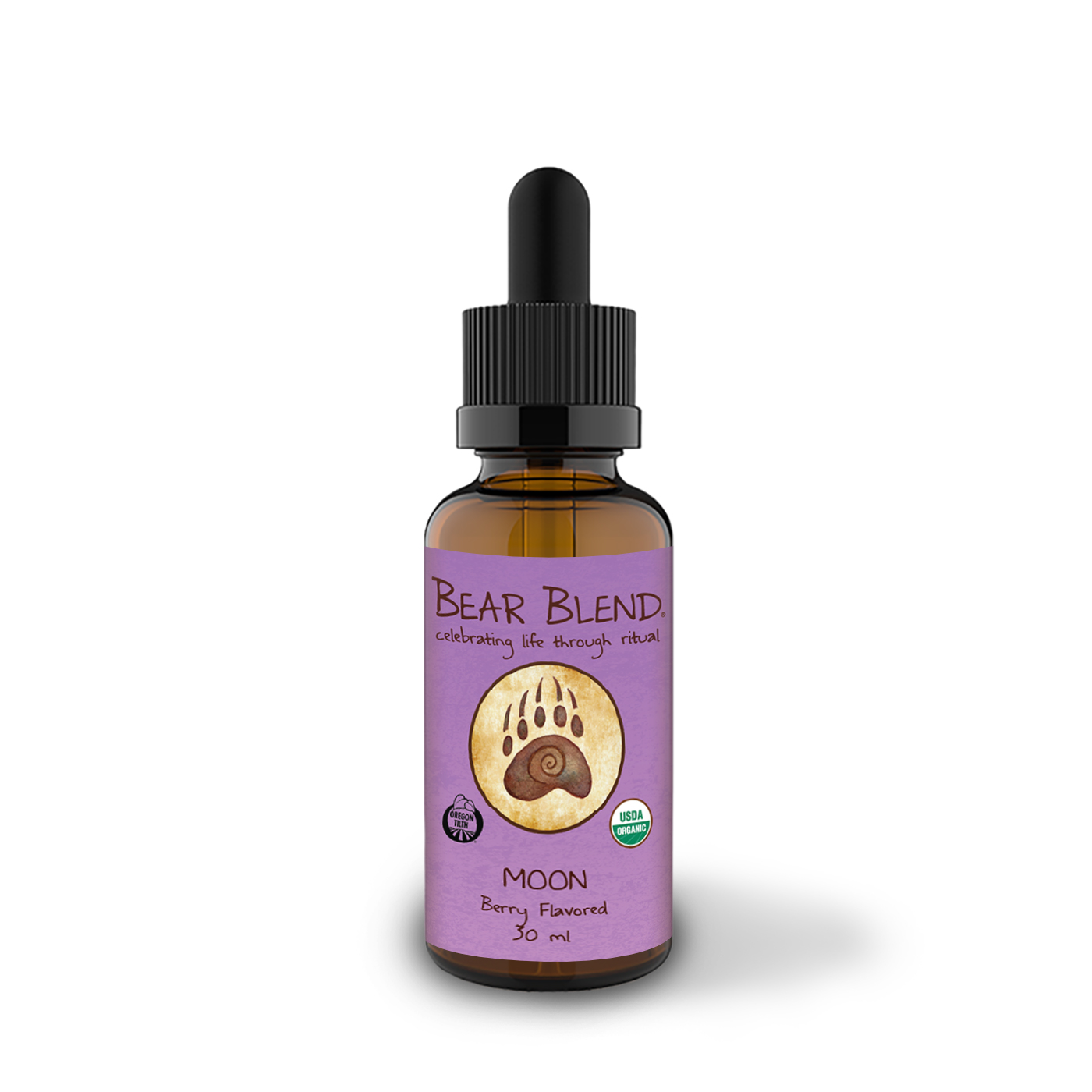
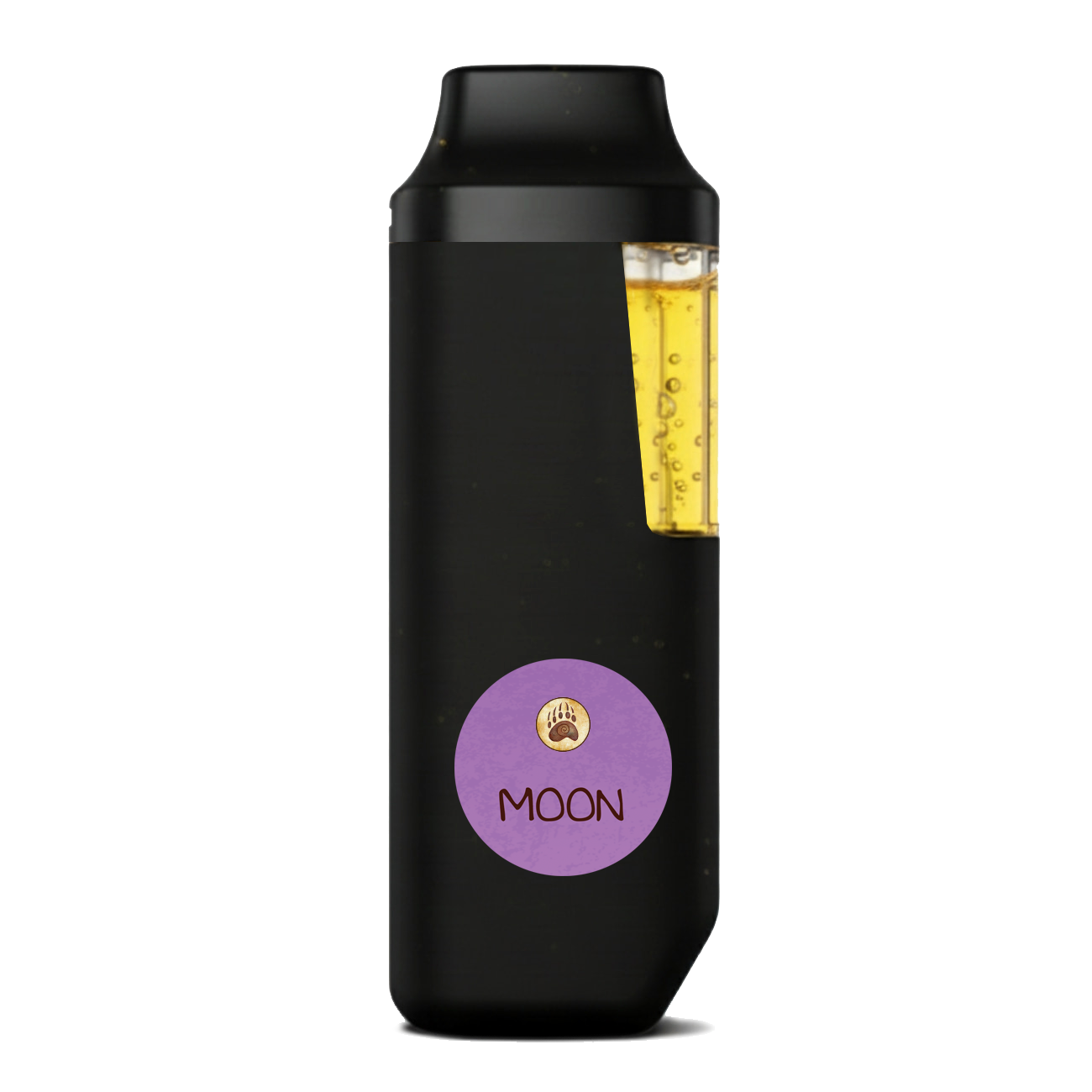
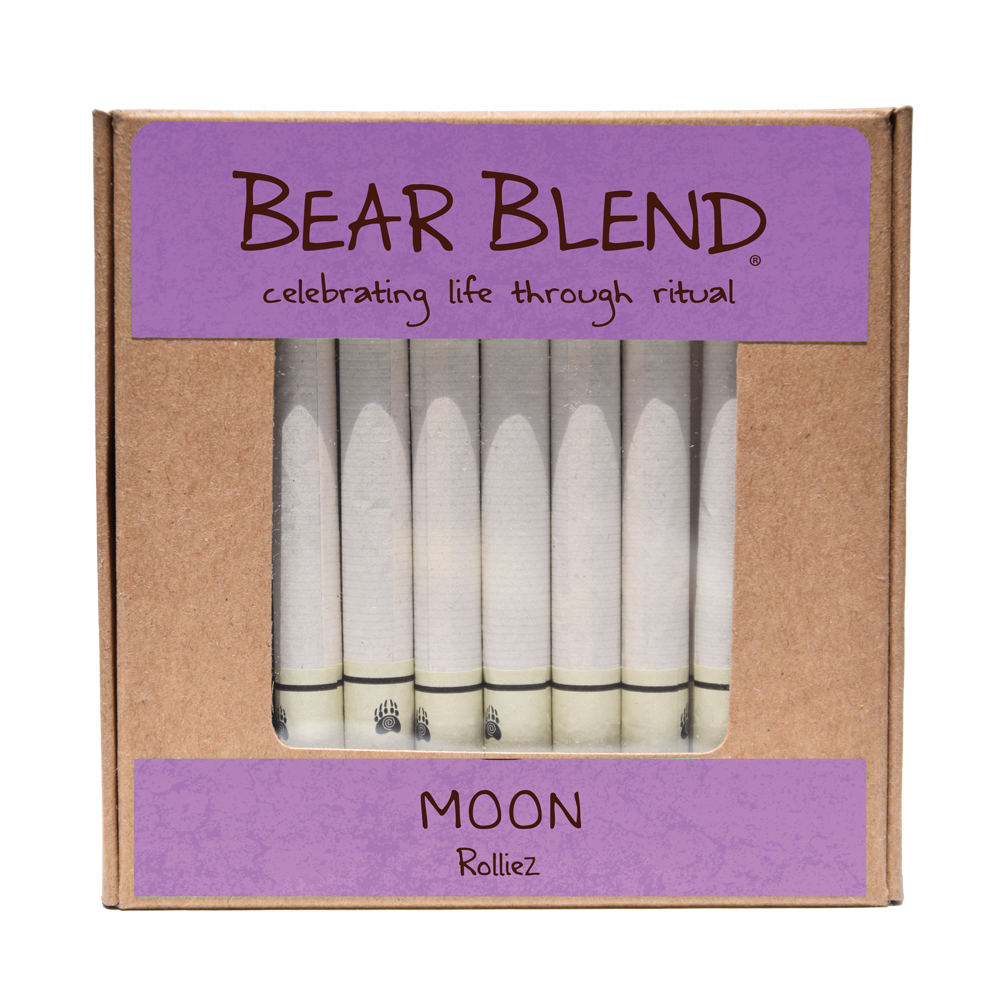
That spirit of ritual is part of what inspired Bear Blend's Moon Herbal Ceremonial Blend.
Moon is Bear Blend's most ceremonial blend, combining botanicals including rose petals, mugwort, lavender, damiana, passionflower, motherwort, St. John's wort, and holy basil. The blend has a medium character with floral notes of rose and lavender.
Explore Moon Herbal Ceremonial Blend
What Is the August 2026 Full Moon?
The August 2026 full moon is known as the Sturgeon Moon. The name comes from the seasonal abundance of lake sturgeon traditionally associated with the Great Lakes and Lake Champlain. The Moon reaches full phase at approximately 12:18 a.m. EDT on August 28, 2026. For observers in the United States, however, the full moon will appear in the sky on the evening of August 27.
What Is a Partial Lunar Eclipse?
A lunar eclipse occurs when Earth passes between the Sun and Moon, causing Earth's shadow to fall across the lunar surface. During a partial lunar eclipse, only part of the Moon enters Earth's darkest shadow, called the umbra. This particular eclipse will be unusually deep. At maximum eclipse, roughly 96% of the Moon will be covered by Earth's umbra, making it look remarkably close to a total lunar eclipse. So, while this is technically a partial lunar eclipse, don't be surprised if the Moon looks almost otherworldly.
How to Watch the August 27–28 Lunar Eclipse
The best part is that you don't need special equipment.
A lunar eclipse can be viewed safely with the naked eye, unlike a solar eclipse. Binoculars or a telescope can reveal additional detail, but they're not necessary.
For the best experience:
1. Find a location with a clear view of the Moon.
2. Get away from bright artificial lights if possible.
3. Give your eyes several minutes to adjust to the darkness.
4. Watch the Moon as Earth's shadow gradually moves across its surface.
5. Stay through maximum eclipse to see the deepest reddish coloration.
6. Bring a camera or phone if you'd like to photograph it.
7. Most importantly, slow down and actually watch.
The eclipse will unfold over several hours, beginning with the subtle penumbral phase before the partial eclipse becomes obvious. Maximum eclipse occurs at approximately 12:12 a.m. EDT on August 28, when around 96% of the Moon will be immersed in Earth's umbral shadow.
For observers on the U.S. West Coast, the timing is particularly convenient. The eclipse will be underway during the evening, with maximum eclipse occurring around 9:12 p.m. PDT on August 27.That means you don't have to stay awake until the middle of the night to experience the most dramatic part.
Just find a comfortable place beneath the sky and look up
The Moon is changing. Maybe it's a good night for you to change something, too.

Written by


Start the conversation
Leave a comment