The Smoke That Forgot Its Roots
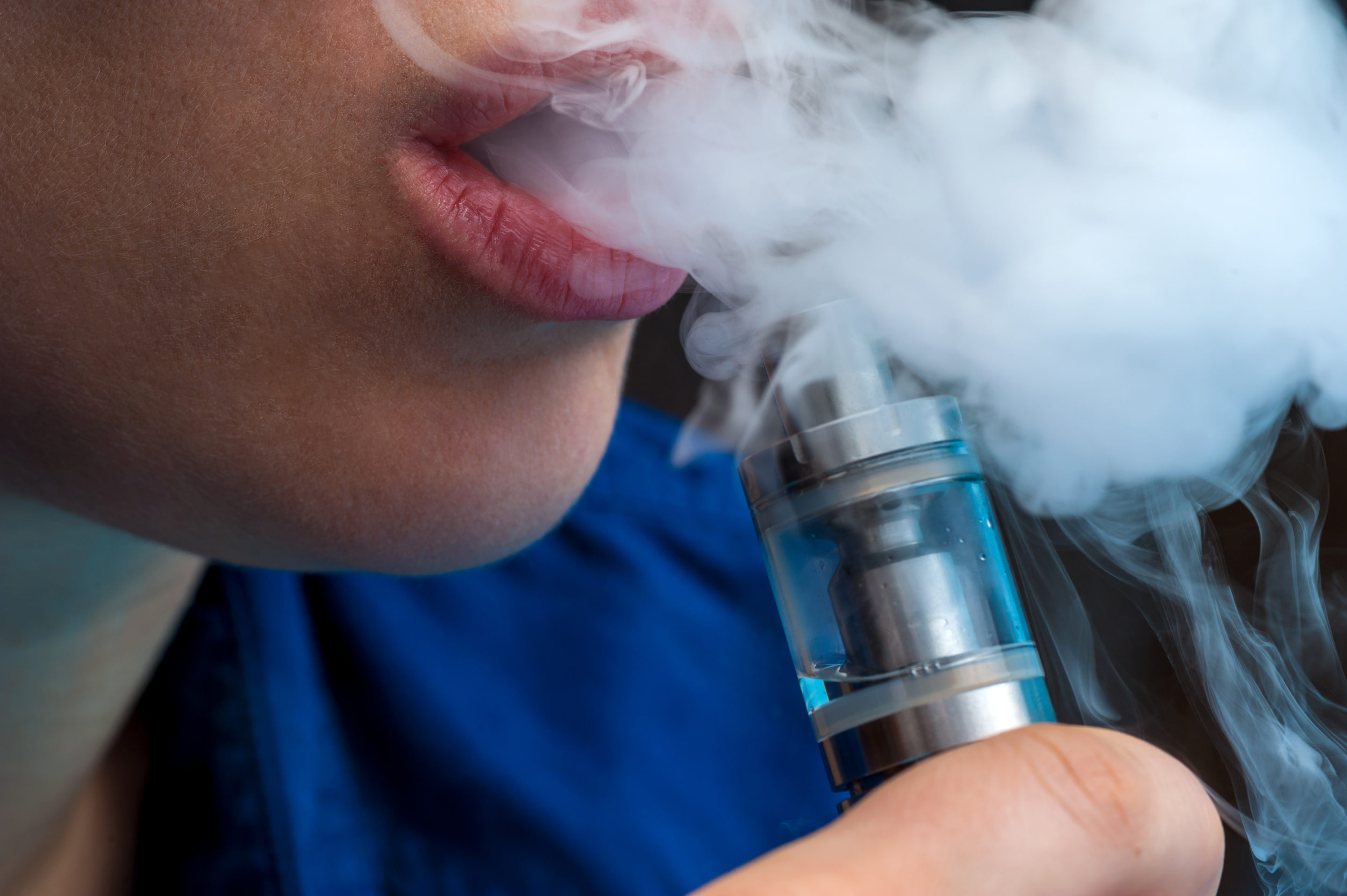
Somewhere between the first mass-marketed e-cigarette and the era of fruit-punch disposables glowing neon in convenience store windows, vaping quietly became one of the most impulsive, unconscious acts a person could perform. A hit between emails. A puff at a red light. A nicotine bump before the meeting. The ritual — that ancient, intentional gesture of bringing smoke to the body and breath — got swapped for a hit count and a battery percentage.
That drift is worth examining. Because the instinct behind reaching for something to smoke is often not addiction at all — it is ceremony trying to happen in a culture that no longer has a container for it.
A Brief, Combustible History of the Vape
The modern e-cigarette was patented in China in 2003 by pharmacist Hon Lik, who developed it as a way to wean himself off tobacco after his father died of lung cancer. It reached European and American markets around 2006 and 2007, marketed initially as a harm-reduction tool — a bridge away from combusted tobacco. That is, in its origins, a worthy impulse.
What happened next is a case study in what markets do to worthy impulses. By the early 2010s, the "vape mod" culture had bloomed into a subculture of its own — cloud competitions, custom hardware, hobbyist forums. By 2018, JUUL had captured roughly 70 percent of the U.S. e-cigarette market, delivering nicotine salts in concentrations that exceeded traditional cigarettes while packaging them in a device that looked like a USB drive. Youth vaping rates climbed sharply. The CDC declared an epidemic. The "harm reduction" framing had, for many users, become its own addiction vector.
Internationally, the story varies. The UK's National Health Service has leaned into vaping as a cessation tool and maintains a cautiously supportive position. Several countries — Thailand, India, Brazil — have outright banned e-cigarettes. Others regulate them loosely or not at all. The global picture is fragmented, unresolved, and ongoing.
What almost no version of the vaping story includes is ceremony. Intentionality. A reason beyond the hit itself.
What Got Lost in the Aerosol
Here is the factoid that reframes the whole conversation: humans have been smoking herbs ceremonially for at least 2,500 years by archaeological record, and likely far longer. The burning of plant matter — frankincense in Egyptian temples, kinnikinnick in Indigenous pipe ceremonies, mullein in European folk medicine — was never casual. It was a technology of attention. Smoke was the medium through which the visible world communicated with the invisible one.
The disposable vape is the structural opposite of that. It is designed for frictionless, on-the-go, eyes-on-your-phone consumption. It is engineered to be invisible as a habit — no prep, no pause, no presence. From a ceremonial standpoint, it is not smoking at all. It is nicotine delivery with smoke aesthetics bolted on.
That distinction matters, because the ritual container is precisely what makes smokable herbs useful as a path away from nicotine dependency. When you slow down and make the act of smoking intentional again, the compulsive edge tends to soften.
Organic Herbal Elixirs: What They Are and What They Are Not
Our Liquid Herbz are herbal vaporizer elixirs — not e-cigarettes, not nicotine products, not synthetic flavoring vehicles. They contain certified-organic botanical extracts and certified-organic, diacetyl-free flavors. Nothing else. No nicotine. No tobacco. No propylene glycol cocktails with a proprietary chemical signature.
Diacetyl is worth naming directly. It is a flavoring compound linked to serious respiratory disease — "popcorn lung" is its colloquial name — and it appears in a startling number of flavored vaping products, often unlisted. Our elixirs are formulated without it, because the integrity of what goes into the body matters as much to us as the integrity of what comes out of the ground.
Conventional Flavored Vape | Bear Blend Liquid Herbz |
|---|
Nicotine (often high-concentration salt form) | No nicotine |
Synthetic flavor compounds, often undisclosed | Certified-organic, diacetyl-free flavors |
Propylene glycol / vegetable glycerin base blends | Certified-organic botanical base |
Designed for compulsive, on-the-go use | Designed for intentional, ceremonial use |
No ritual context | Rooted in plant-medicine tradition |
Using Herbal Elixirs to Step Away from Vaping
If you are trying to exit a nicotine vaping habit, there is a pattern worth considering. Much of what keeps people vaping is not purely chemical — it is behavioral and sensory. The hand-to-mouth gesture. The inhale-exhale rhythm. The brief pause it carves out of the day. These are not trivial. They are, underneath the nicotine layer, gestures toward something genuinely useful: a moment of presence, a breath, a small ceremony.
Herbal elixirs can hold that behavioral container while the body recalibrates. You keep the gesture; you remove the dependency. Some of the herbs in our blends — like the lobelia present in several of our smokable ceremonial blends — have a long folk history as tobacco-transition herbs, though we make no medical claims and always encourage you to bring a qualified practitioner into decisions about your own health.
A few things that tend to help the transition:
Make it deliberate. Designate a time and a place. Sit down. Put your phone away. The less automatic the act, the less it mimics the compulsive loop.
Pair it with breath. Slow the inhale. Slow the exhale. Let the herbs be a breathing practice, not just a flavor hit.
Explore the herb encyclopedia. Understanding what you are actually putting in your body — its history, its tradition, its character — changes the relationship entirely.
Let the elixir be a bridge, not a replacement addiction. The goal is presence, not perpetual puffing.
The Plants Were Here First
Long before the patent filings and the convenience-store display racks and the FDA regulatory hearings, plants were doing what they do: offering themselves as medicine, as ceremony, as companionship for the strange work of being human. The vaping industry took the form of that ancient gesture and emptied it of its content.
We are interested in the content.
Our herbal elixirs are a small attempt to return something to the act of inhaling — intention, organic integrity, and a thread back to a much longer story than any product launch could contain. The plants remember what we keep forgetting. Our job, as always, is to pay attention.


Start the conversation
Leave a comment