

Tim Hunt
October 8, 2026
As Christopher Nolan's The Odyssey returns to IMAX screens, it's worth taking a closer look at one of the more unusual details buried in Homer's epic: a mysterious herb that may have protected Odysseus from a powerful potion.

Homer's poem is filled with fantastical creatures and vengeful gods, but some of its stranger episodes may have roots in the natural world. The most intriguing example comes when Odysseus and his crew arrive at the island of Aeaea, home of the sorceress Circe.
Circe welcomes Odysseus' men into her home and serves them a potion. After they drink it, she strikes them with her wand and transforms them into pigs. Odysseus sets out to confront her, but before he reaches Circe's house, he encounters the god Hermes.
Hermes gives Odysseus an herb called moly and tells him it will protect him from Circe's potion.
The detail is easy to miss in a story packed with monsters and magic. But Homer gives the plant an unusually specific description. Its root is black, its flower is white, and it is difficult for mortals to dig from the earth.
In 1983, neurologists A. Plaitakis and R.C. Duvoisin proposed that Homer's moly could have been Galanthus nivalis, commonly known as the snowdrop. Their theory was based not only on the plant's appearance but also on its chemistry. Snowdrops contain galantamine, a compound that inhibits the enzyme acetylcholinesterase.
Acetylcholinesterase is produced by the plant Datura stramonium, commonly known as jimsonweed or thorn apple. Consuming Datura can produce confusion, delirium, hallucinations, rapid heartbeat, seizures and other dangerous effects. If Circe's potion was imagined as a drug capable of producing the bizarre behavior Homer describes, Datura is not an entirely implausible candidate. This led the scientists to suggest that snowdrop could have served as a natural counteragent to the effects of Datura poisoning.
More than 2,000 years before anyone could isolate an alkaloid or describe the chemistry of neurotransmitters, Homer imagined a mysterious plant capable of protecting a person from a powerful drug.
Plants have always occupied a curious space between the familiar and the mysterious. A flower growing at the edge of a forest can be beautiful, poisonous, medicinal or, in the case of Homer's moly, possibly all three, depending on how much of the story we choose to believe.
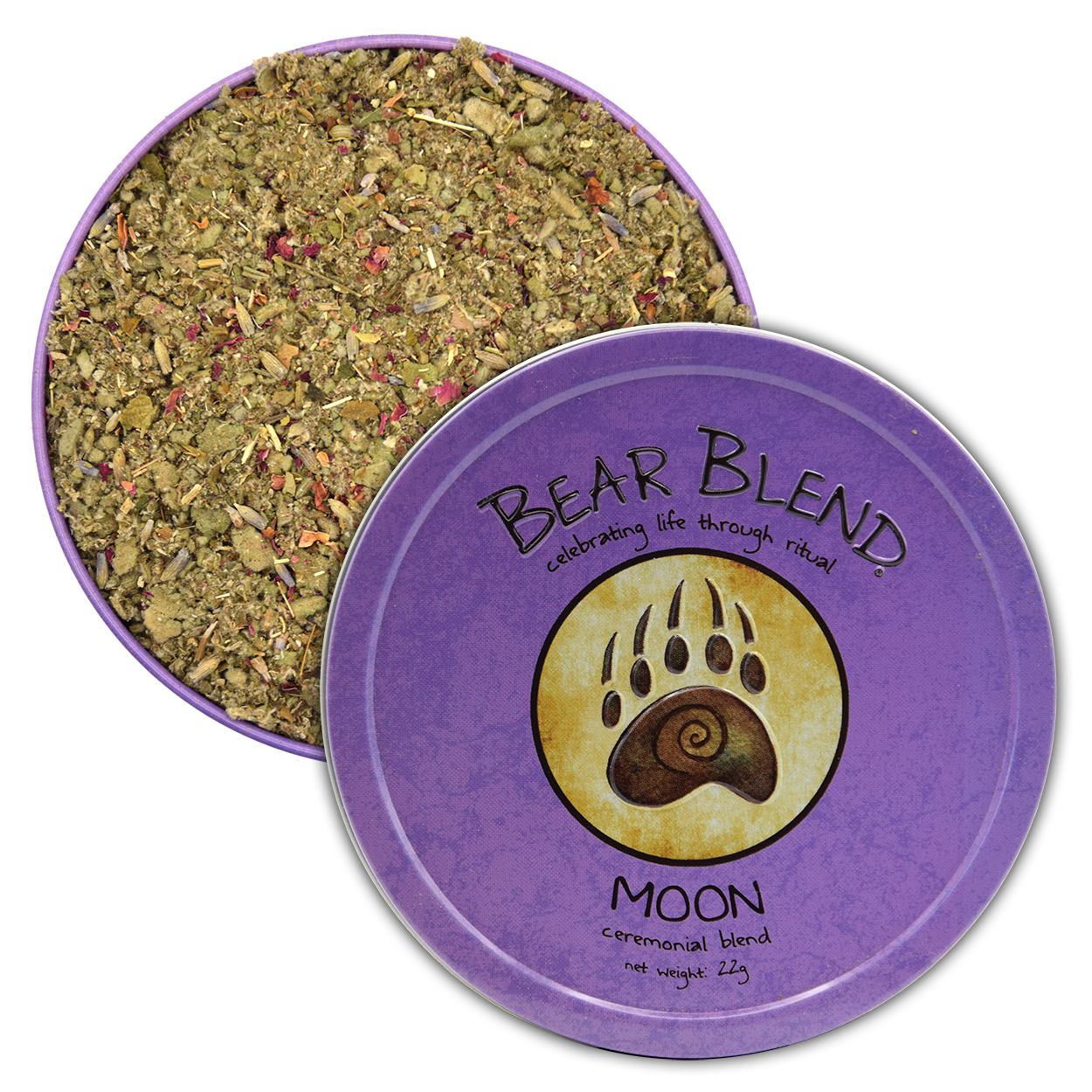
That curiosity is part of what makes exploring herbs so interesting. Bear Blend's ceremonial herbal blends offer a modern way to explore that tradition, with blends ranging from OG Bear Blend and its floral, aromatic character to Moon, Dream Lodge and Vizion. For those who prefer to explore individual plants, Bear Blend also offers single smokable herbs, while the Trifecta provides an easy way to experience several blends. You don't have to know exactly what you're looking for before you begin. Sometimes the most interesting part is simply following your curiosity and seeing where the story leads.

Written by

Start the conversation
Leave a comment