
Rose Petals
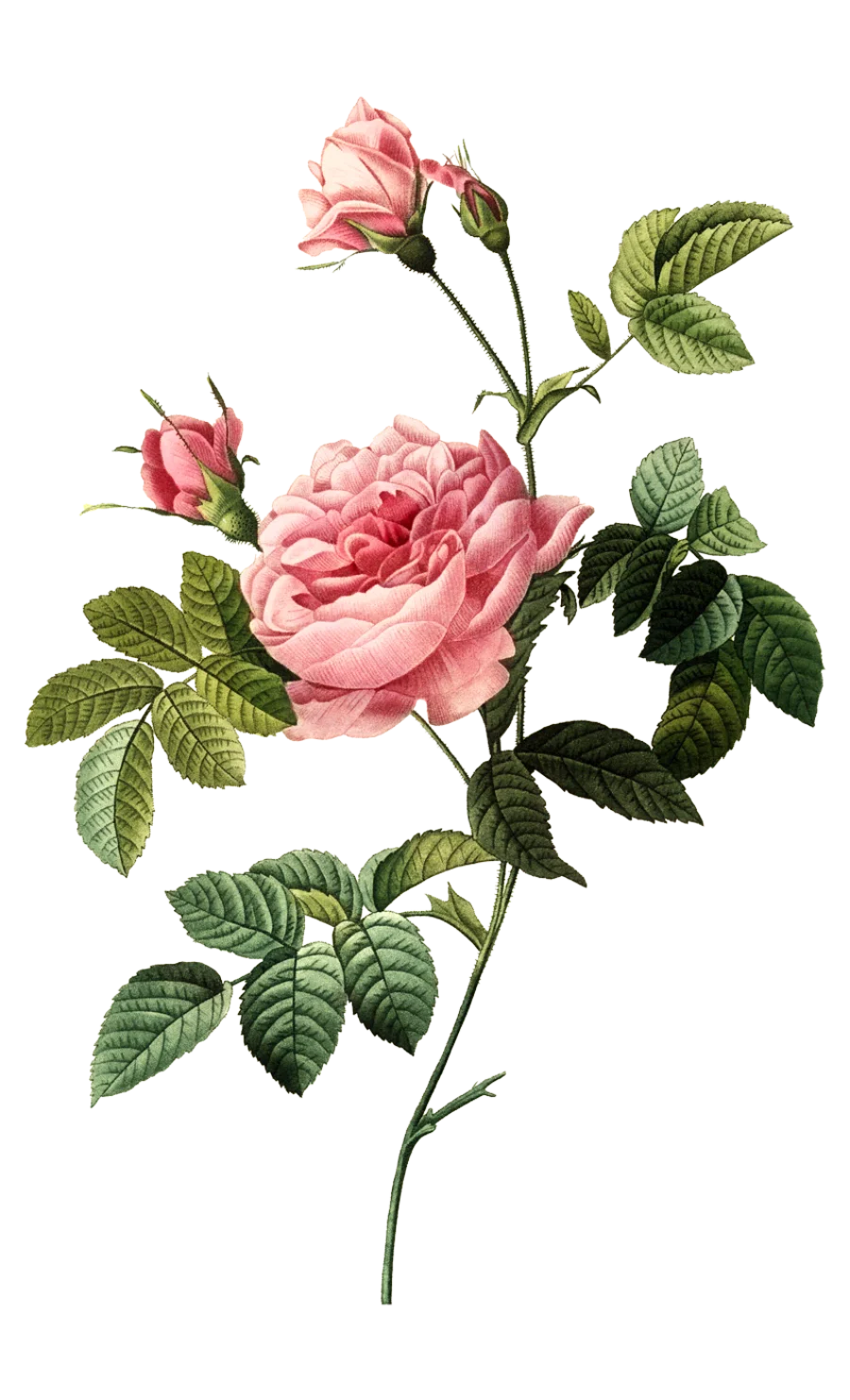
across time
Tradition & Ritual
what it offers
Scientific & Medicine
the old stories
Legends & Myths
from the bear
Bear Originals
Cautions & Contraindications
Rose petals are generally considered very safe and are widely consumed as food, tea, and in cosmetic preparations. There are no well-established serious contraindications for rose petal use in the general population. As with any botanical, individuals with known allergies to plants in the Rosaceae family (which includes roses, apples, peaches, almonds, and related plants) should exercise appropriate caution.
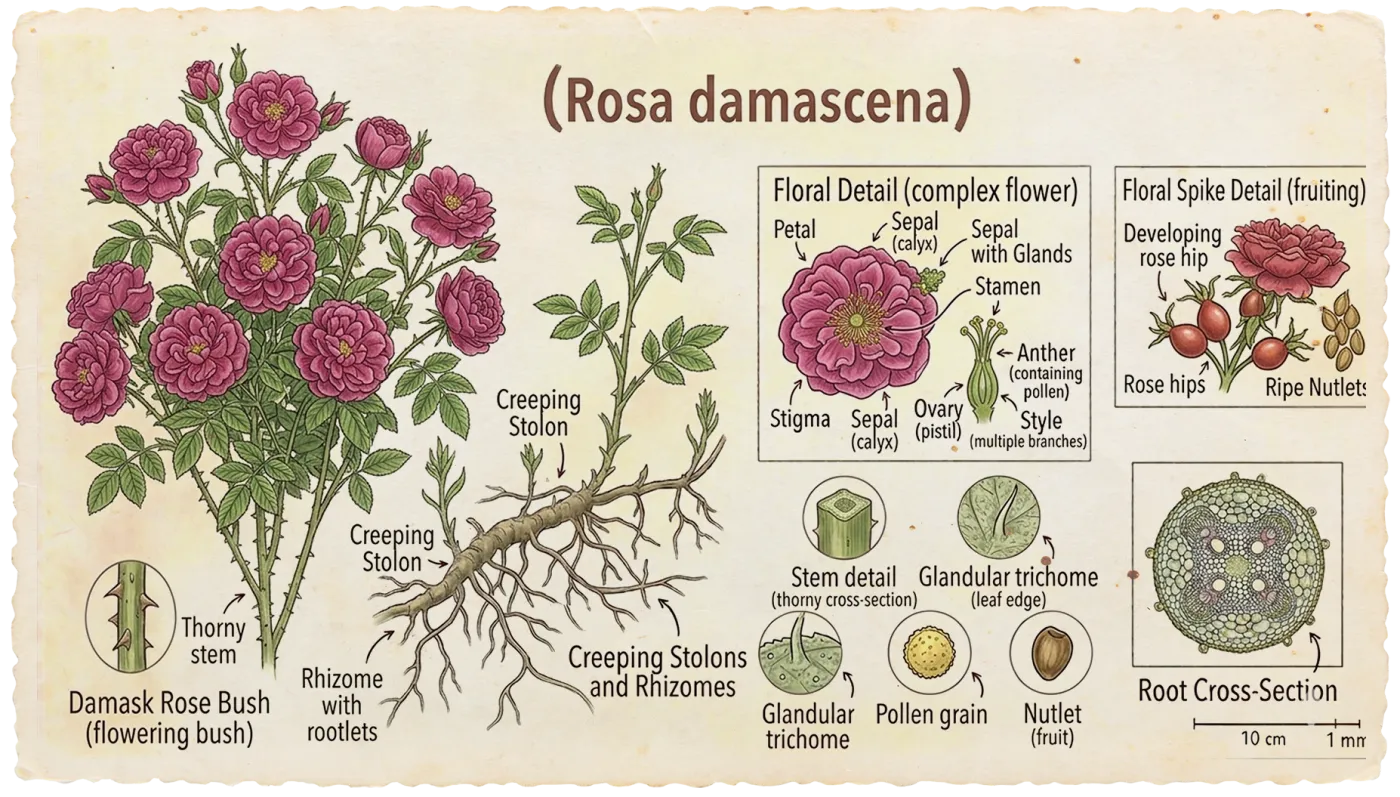
in the apothecary
Products w/ Rose Petals
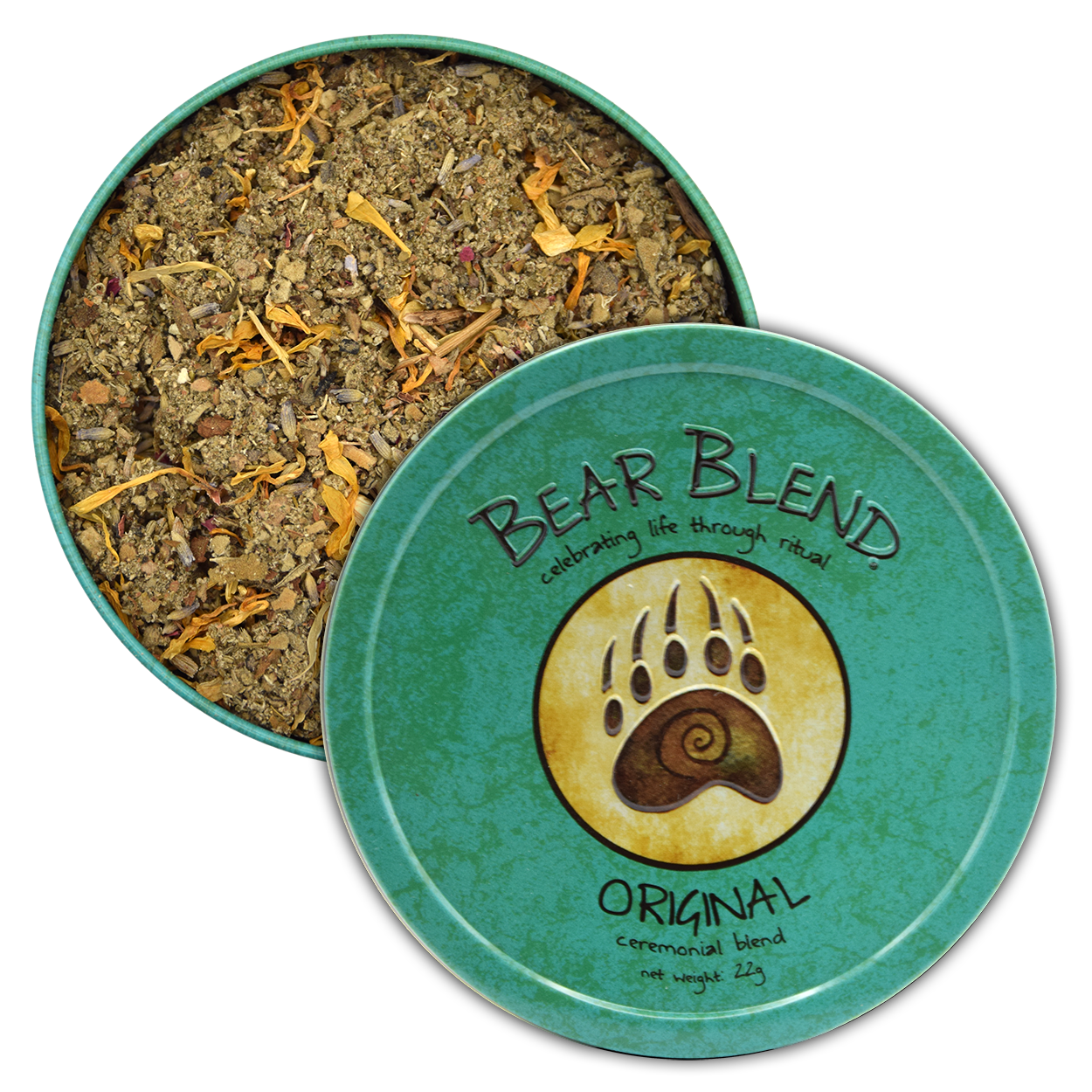
Original Bear Blend Herbal Ceremonial Blend
Created over twenty years ago, the OG Ceremonial Blend is the foundation of Bear Blend. Ou...
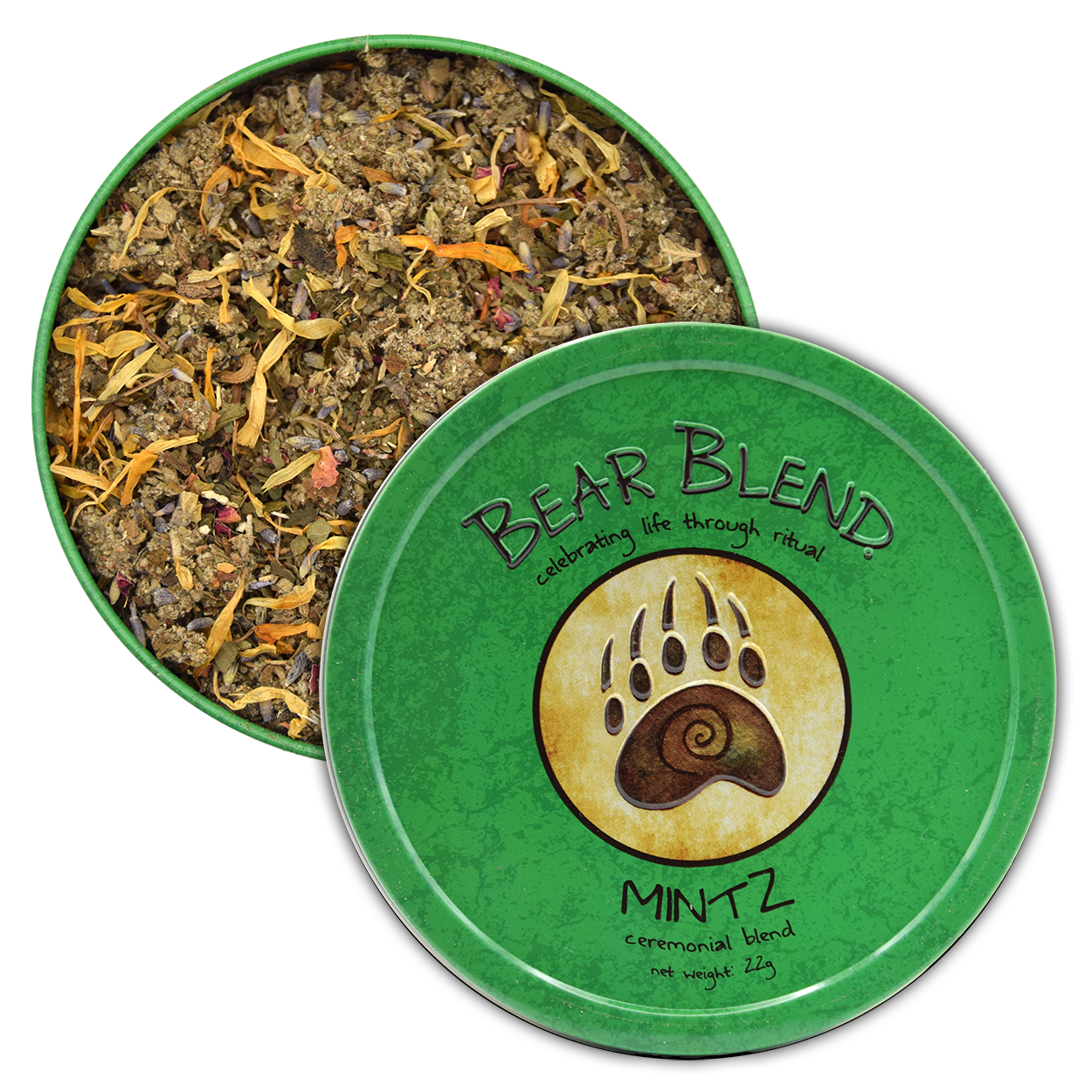
Mintz Herbal Ceremonial Blend
Balancing herbs, mint, and flowers, the Mintz is a refreshing blend that is mild with cool...
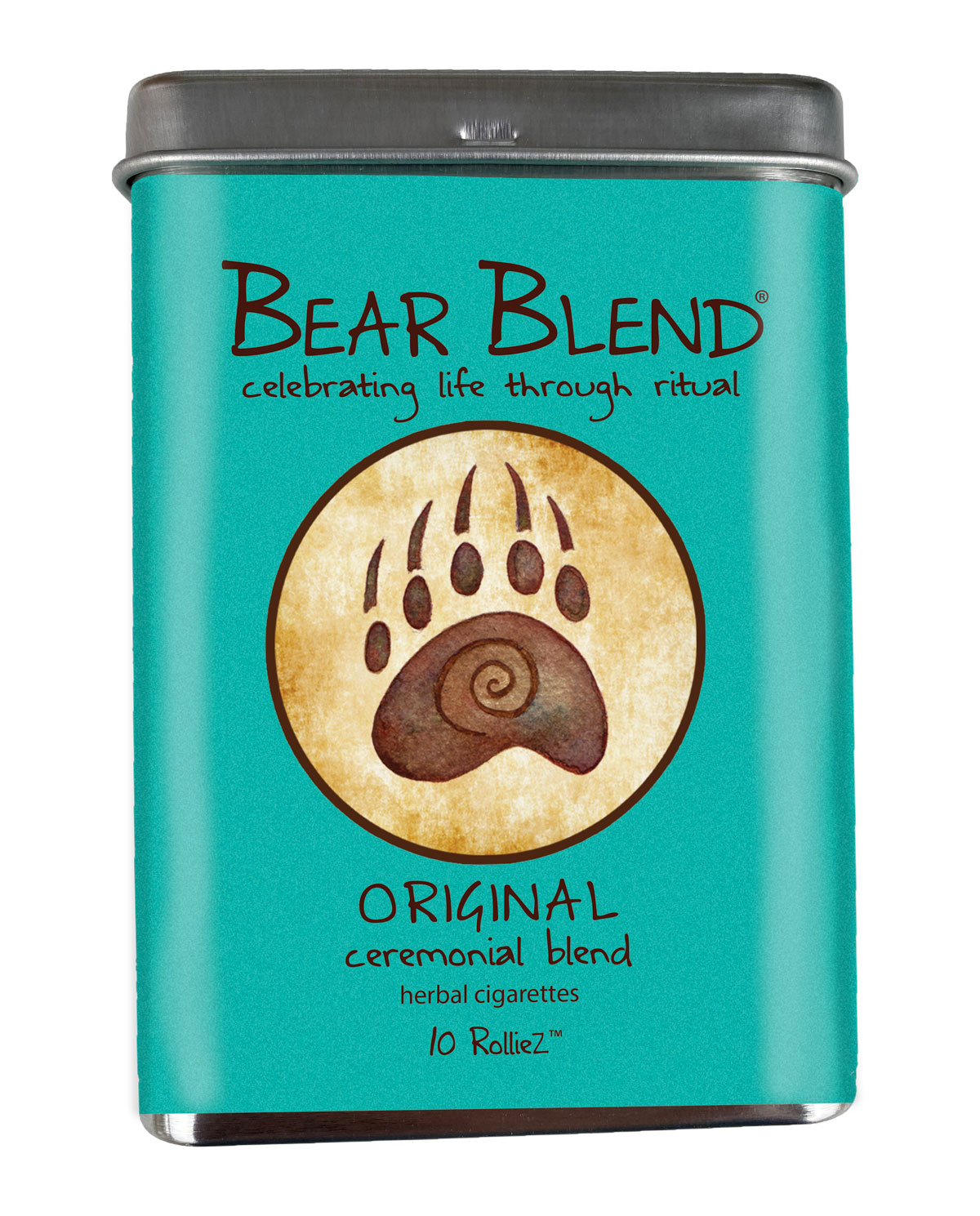
OG Bear Blend Rolliez
Created over twenty years ago, the OG Ceremonial Blend is the foundation of Bear Blend. Ou...
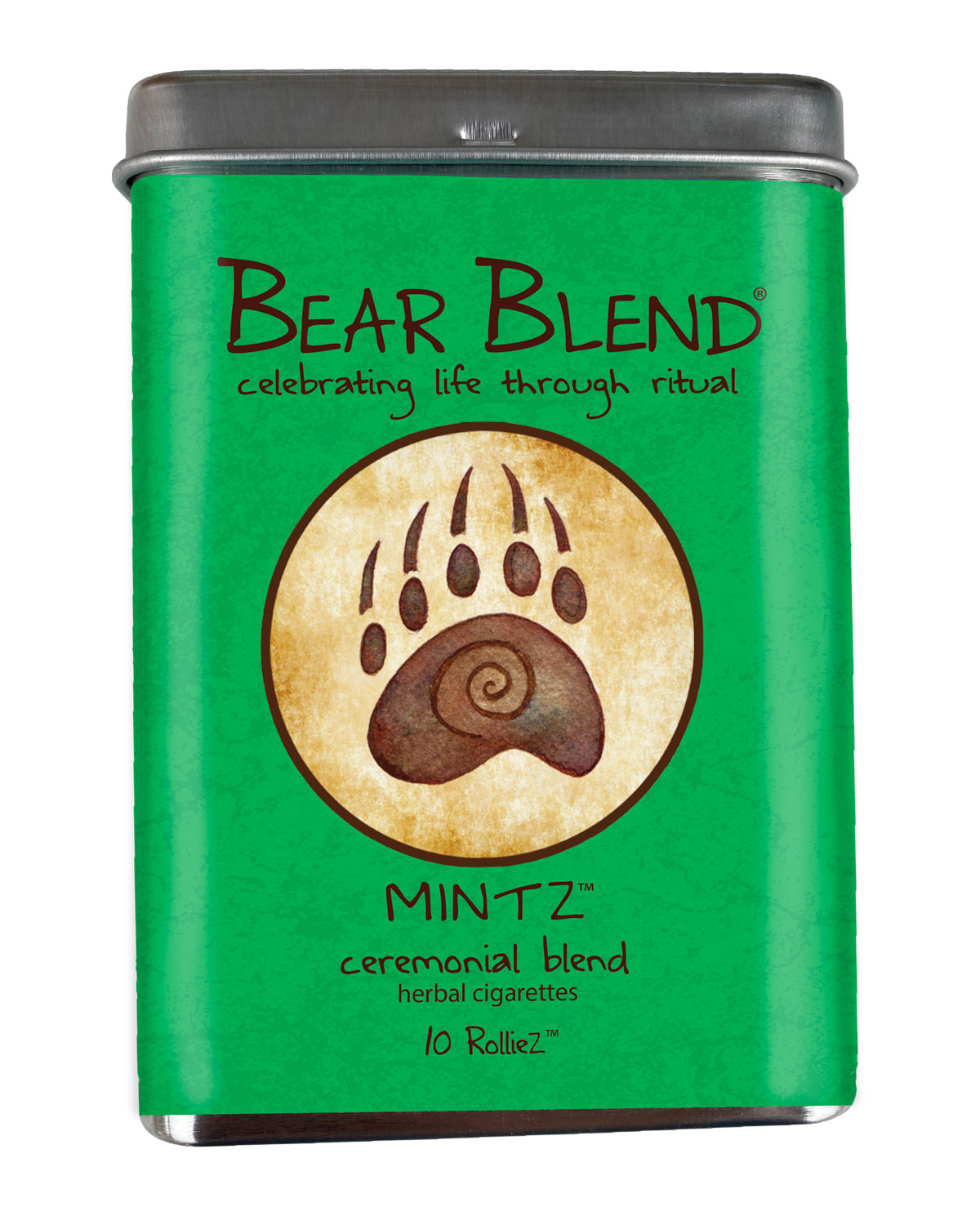
Mintz Rolliez
Balancing herbs, mint, and flowers, the Mintz is a hefty and refreshing blend. This is a m...
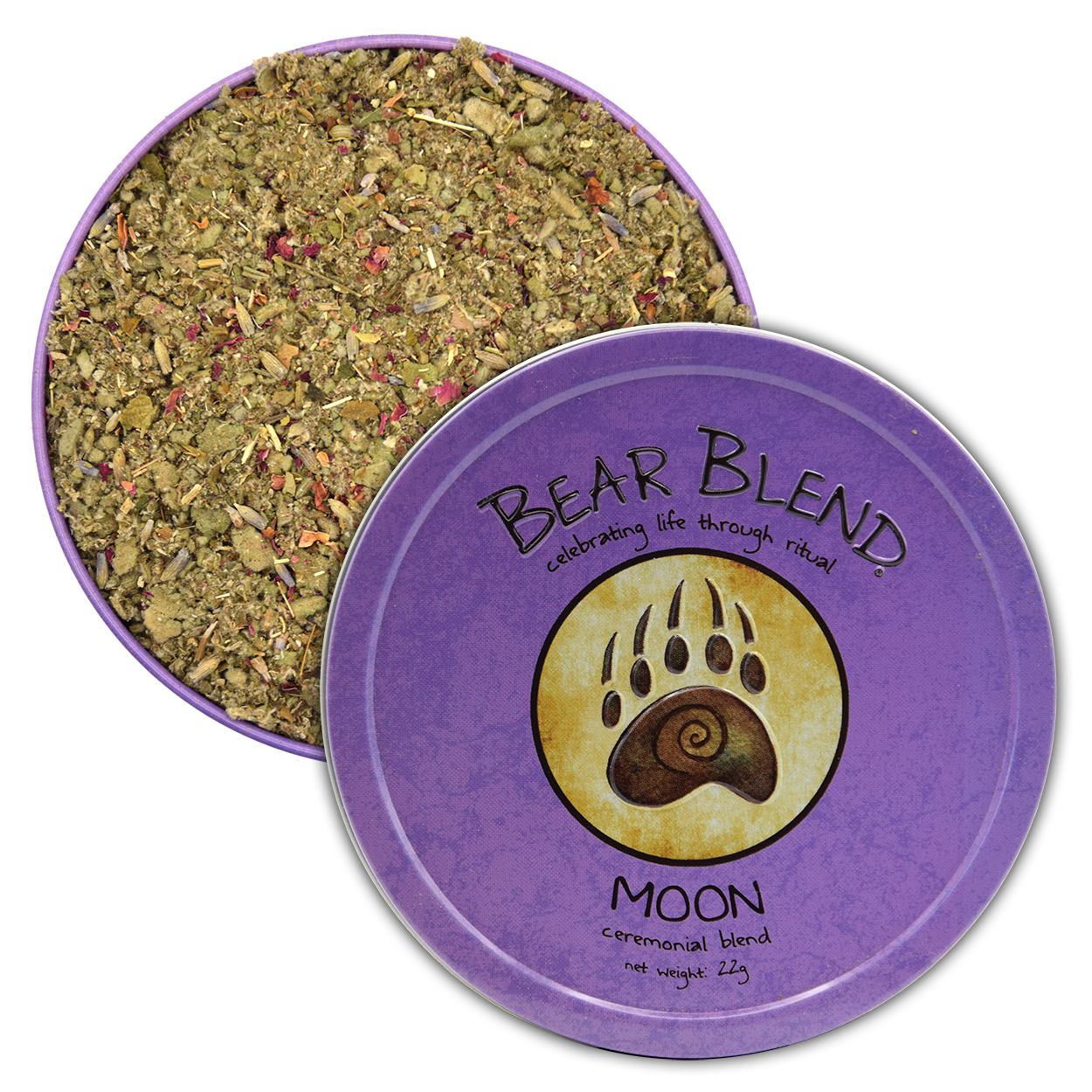
Moon Herbal Ceremonial Blend
The Moon Ceremonial Blend is our most magical blend. With a medium effect, the Moon brings...
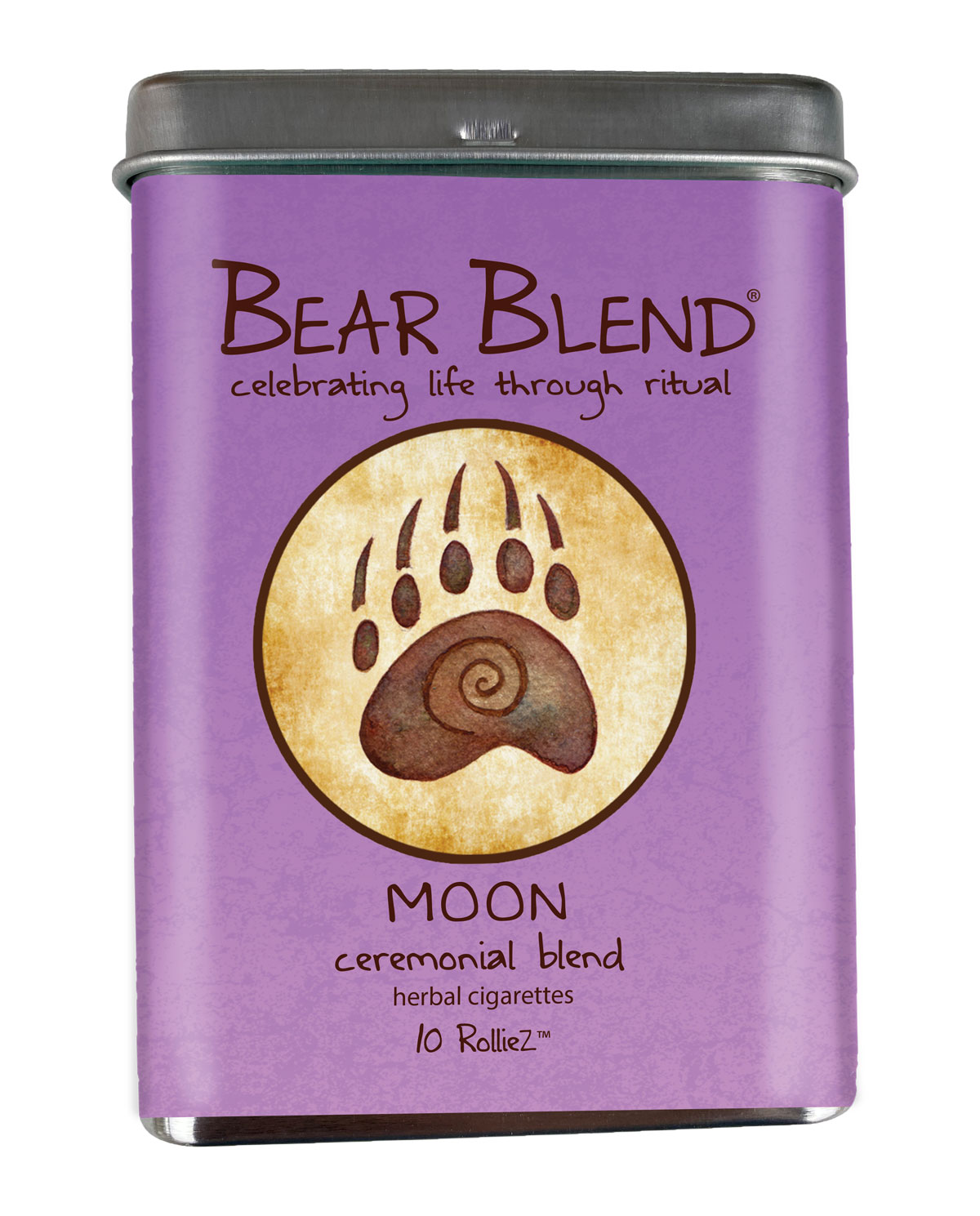
Moon Rolliez
The Moon Ceremonial Blend is our most magical formulation, designed to bring balance and d...
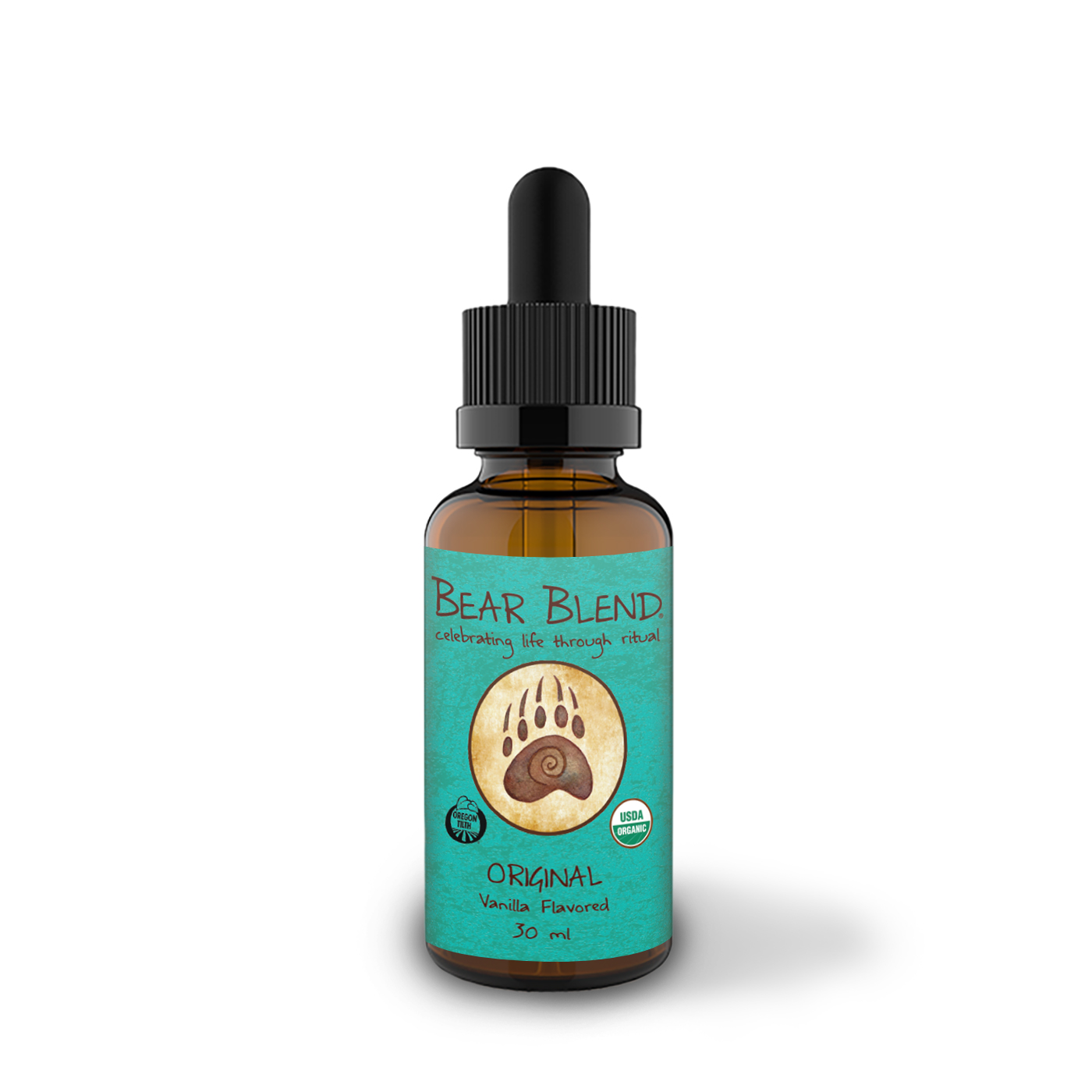
OG Bear Blend Liquid Herbz (Vanilla)
Vanilla Flavored Liquid Each bottle comes with 30 milliliters of OG Liquid Herbz. Created...
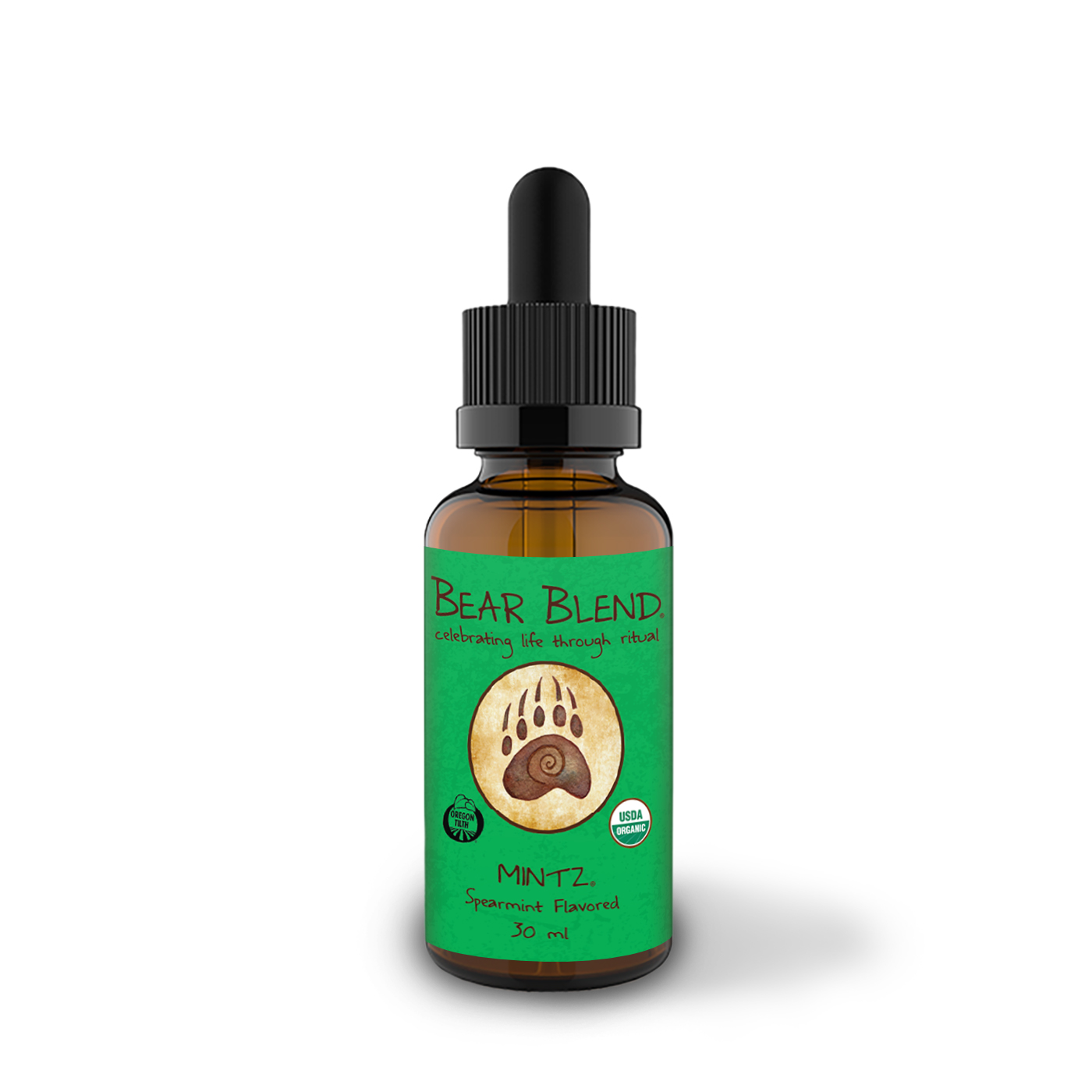
Mintz Liquid Herbz (Spearmint)
Spearmint Flavored Liquid Each bottle comes with 30 milliliters of Mintz Liquid Herbz. Bal...
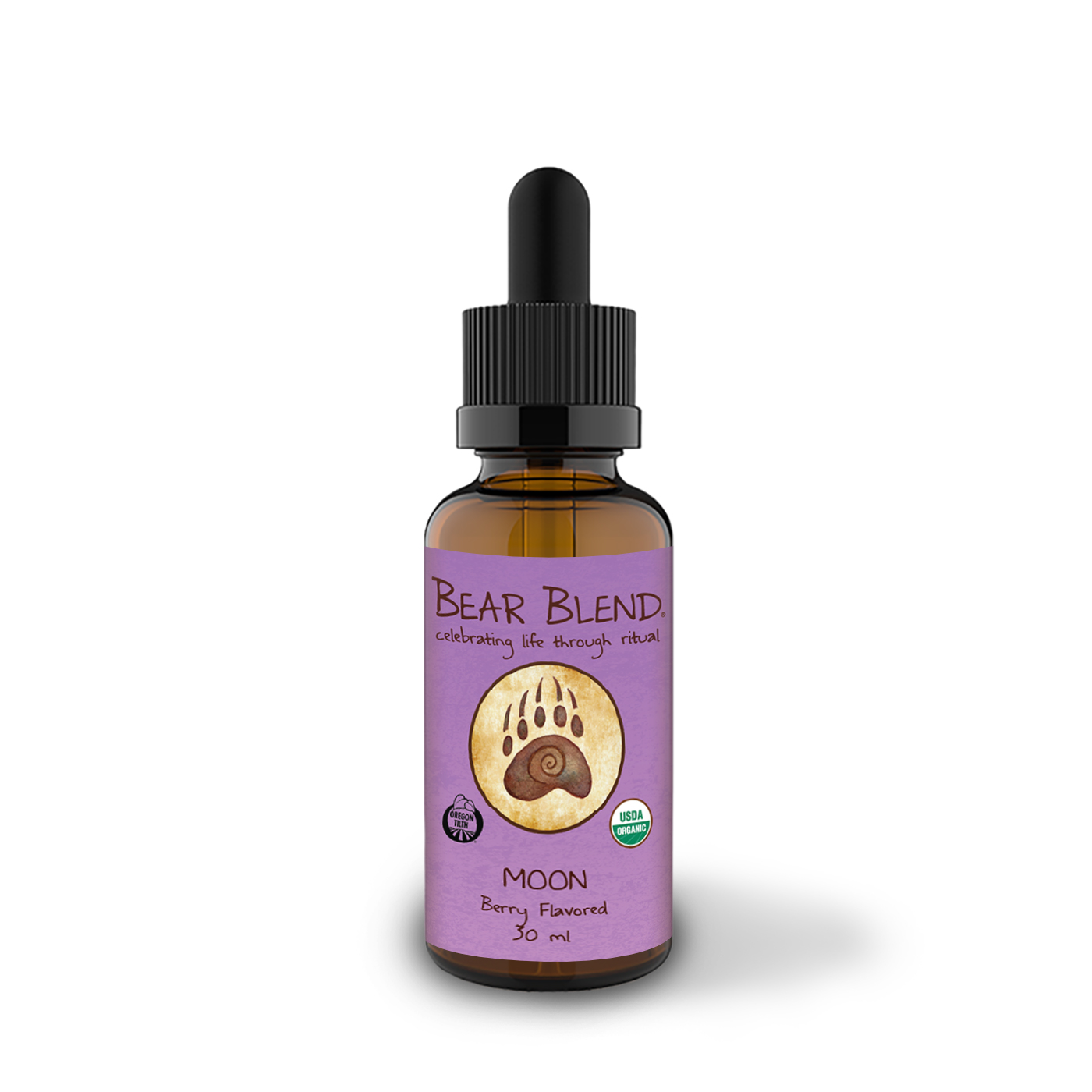
Moon Liquid Herbz (Berry)
Berry Blend Flavored Liquid Each bottle comes with 30 milliliters of Moon Liquid Herbz. Th...
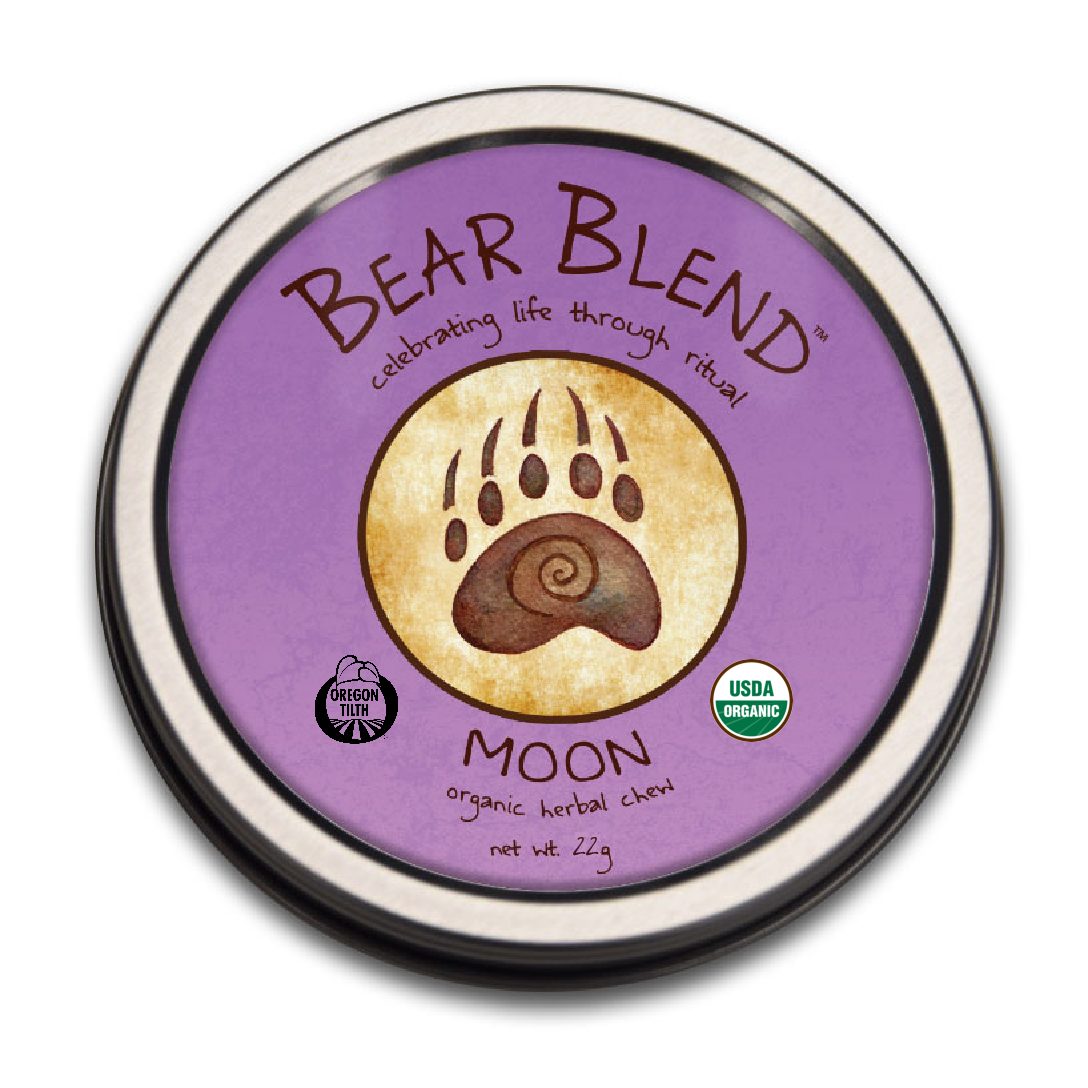
Moon Herbal Chew
The Moon Ceremonial Blend is our most magical blend. With a medium effect, the Moon brings...
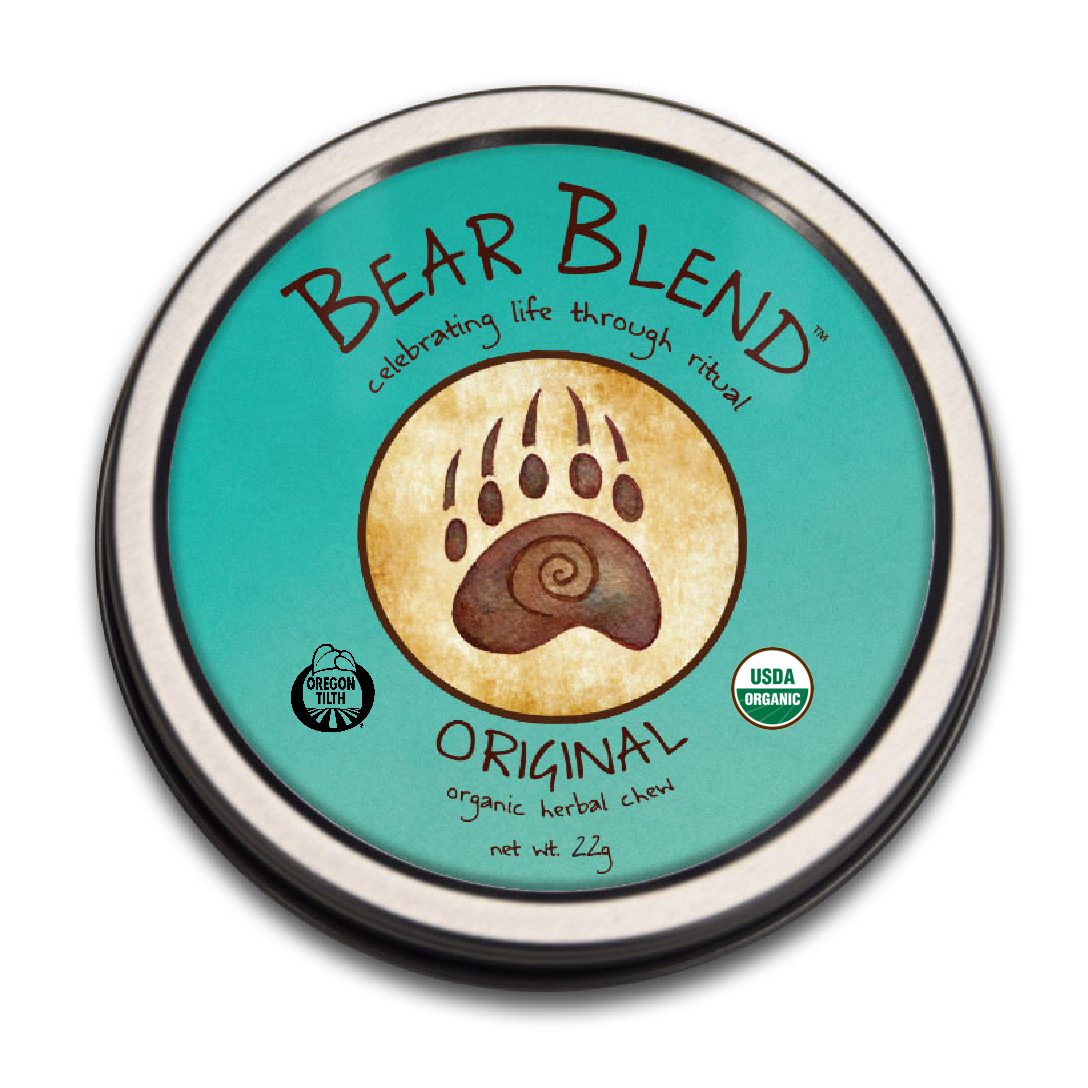
Original Bear Blend Herbal Chew
The OG Blend is our most floral and aromatic blend. It has a mild relaxing and soothing ef...
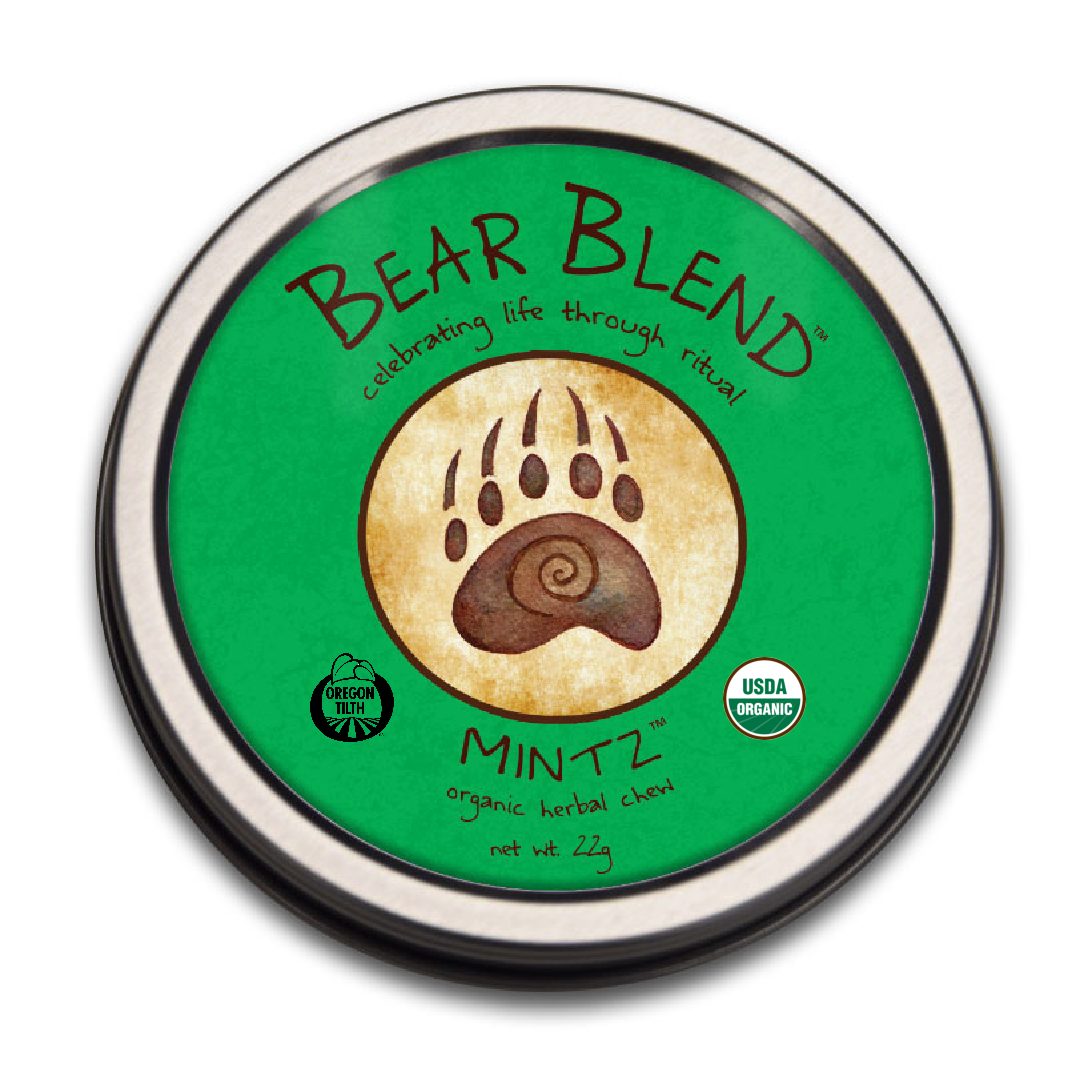
Mintz Herbal Chew
The Mintz is a perfect balance of flowers, herbs and mint. It is mildly stimulating and op...
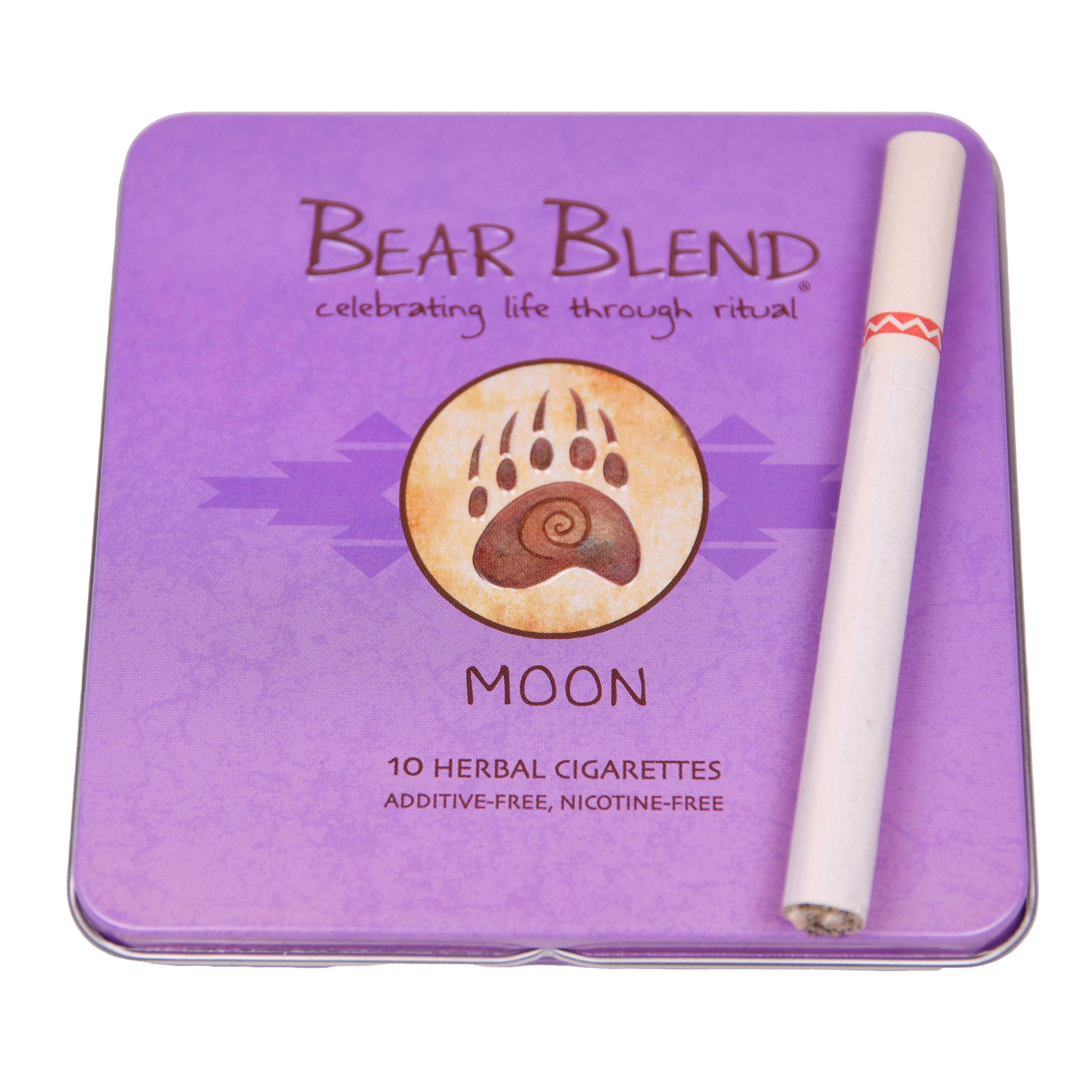
Moon Herbal Cigarettes
Experience the familiar ritual of smoking, completely reimagined. Moon is a soft, floral c...
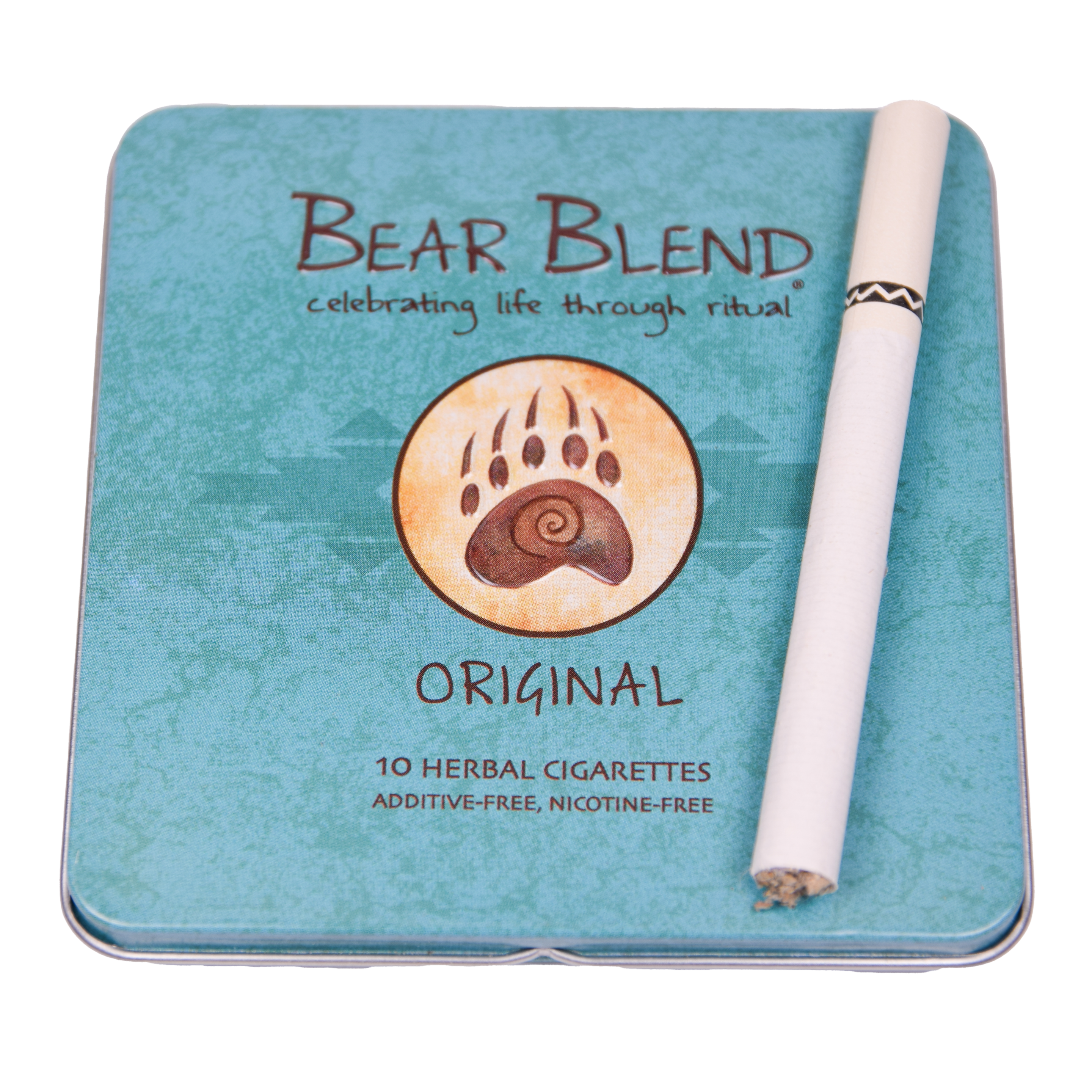
Original Herbal Cigarettes
Experience the familiar ritual of smoking, completely reimagined. Original is the floral,...
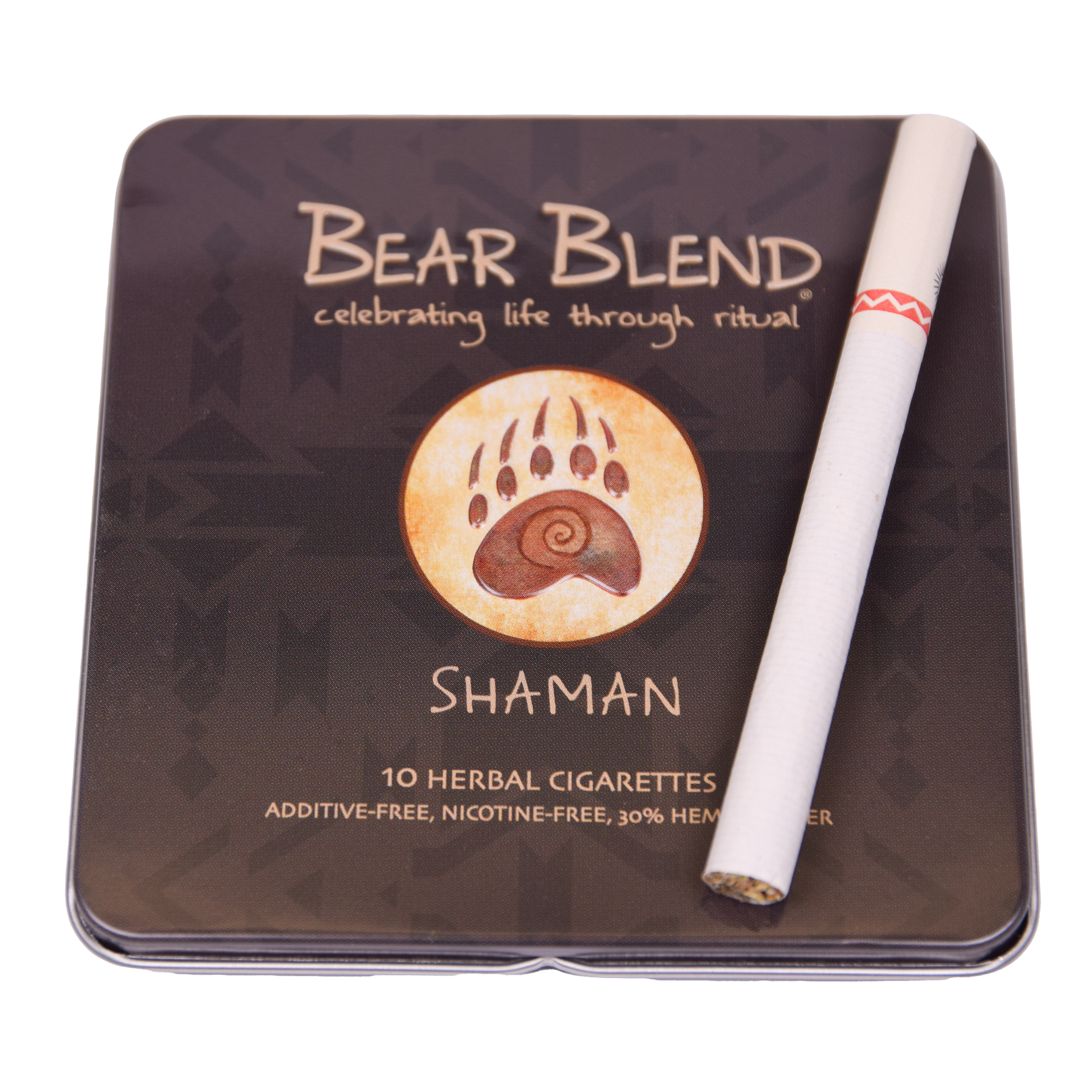
Shaman Herbal Cigarettes
Each tin comes with 10 Shaman Cigarettes, which contains 30% hemp flower.Shaman is an arom...
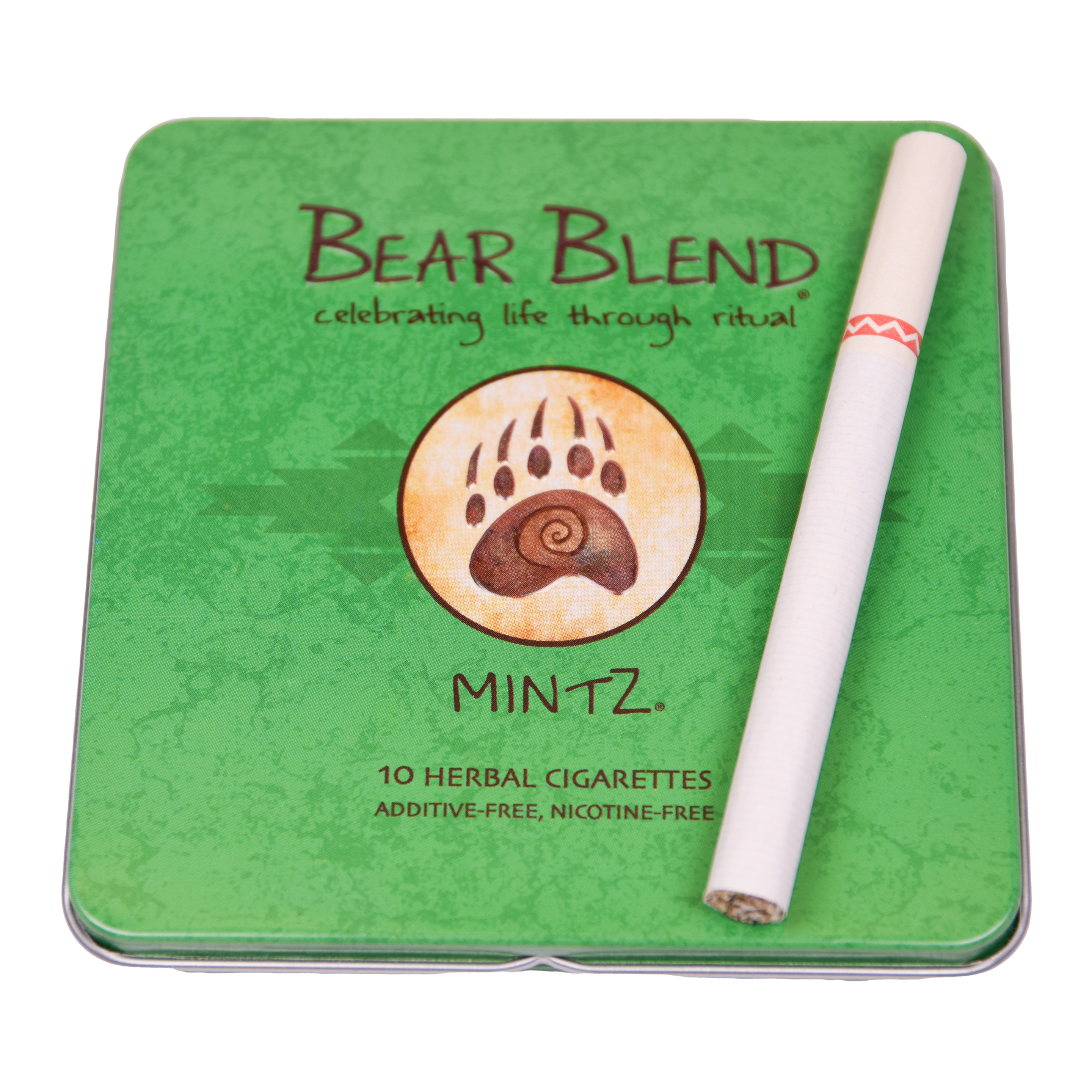
Mintz Herbal Cigarettes
Experience the familiar ritual of smoking, completely reimagined. Mintz is our crispest, c...
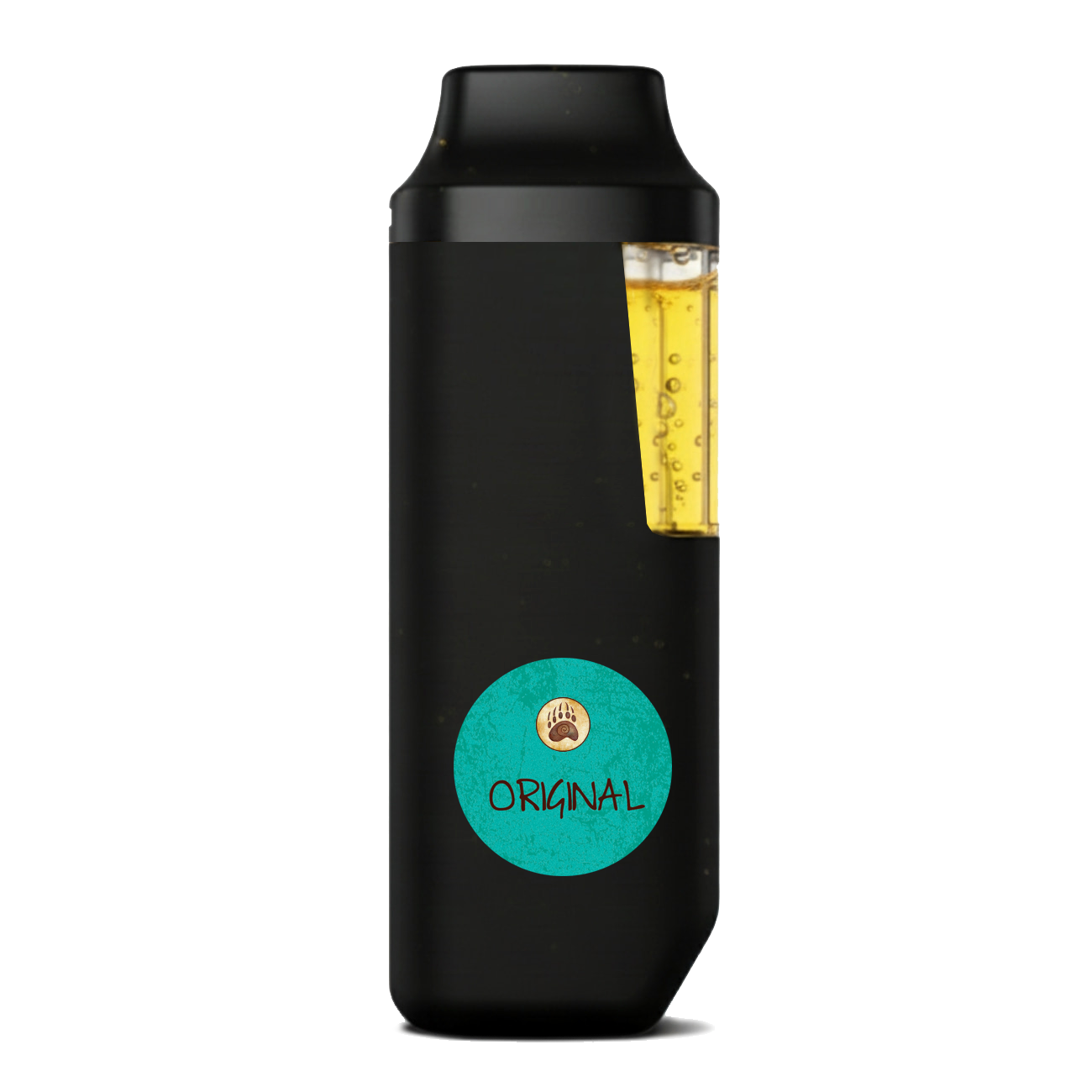
Bear Blend Original Herbal Diffuser — 2ml Disposable (Vanilla)
A prefilled 2 mL disposable diffuser featuring the Original blend — the blend that started...
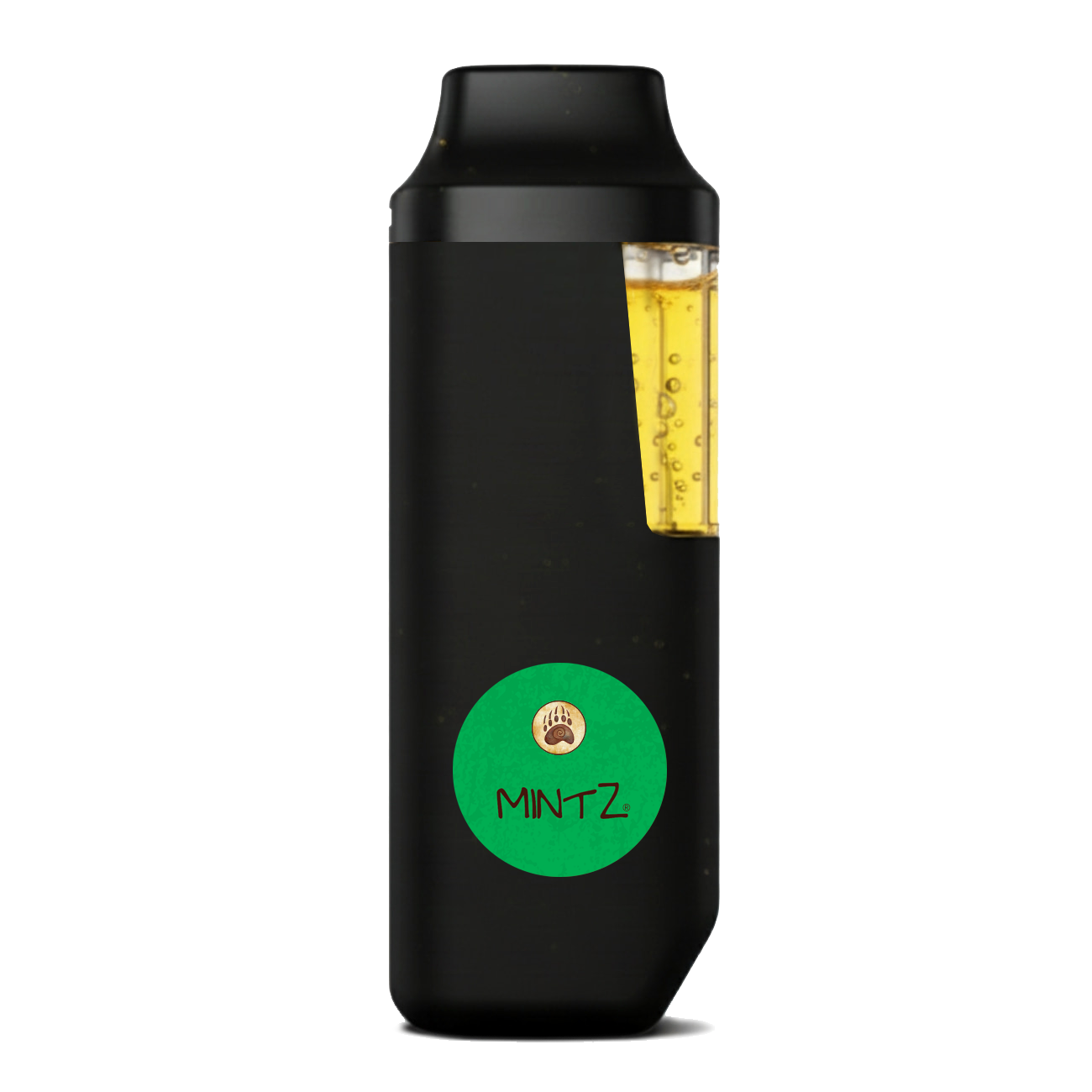
Bear Blend Mintz Herbal Diffuser — 2ml Disposable (Spearmint)
A prefilled 2 mL disposable diffuser featuring the Mintz blend — a cooling, refreshing ble...
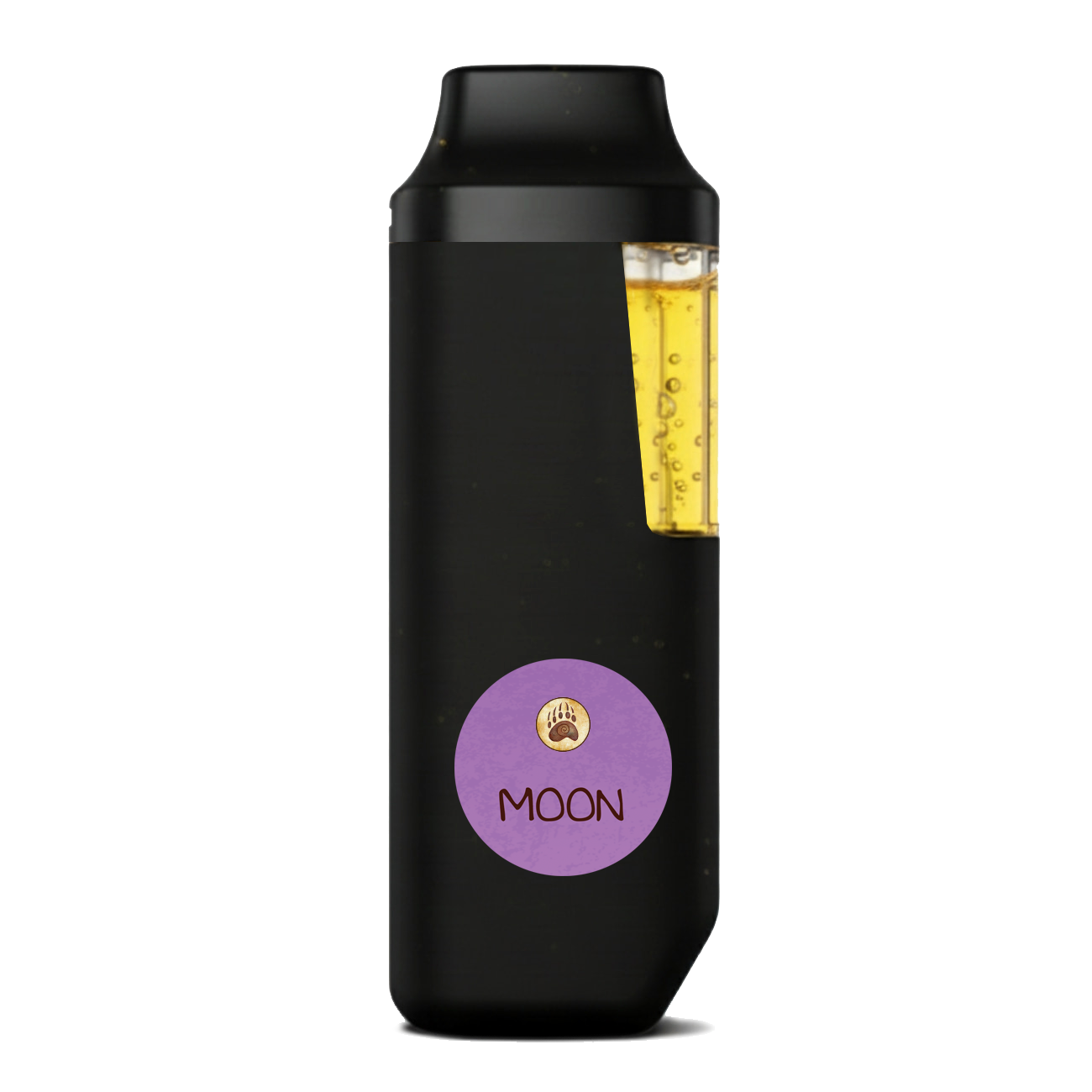
Bear Blend Moon Herbal Diffuser — 2ml Disposable (Berry)
A prefilled 2 mL disposable diffuser featuring the Moon blend — our most ceremonial blend,...
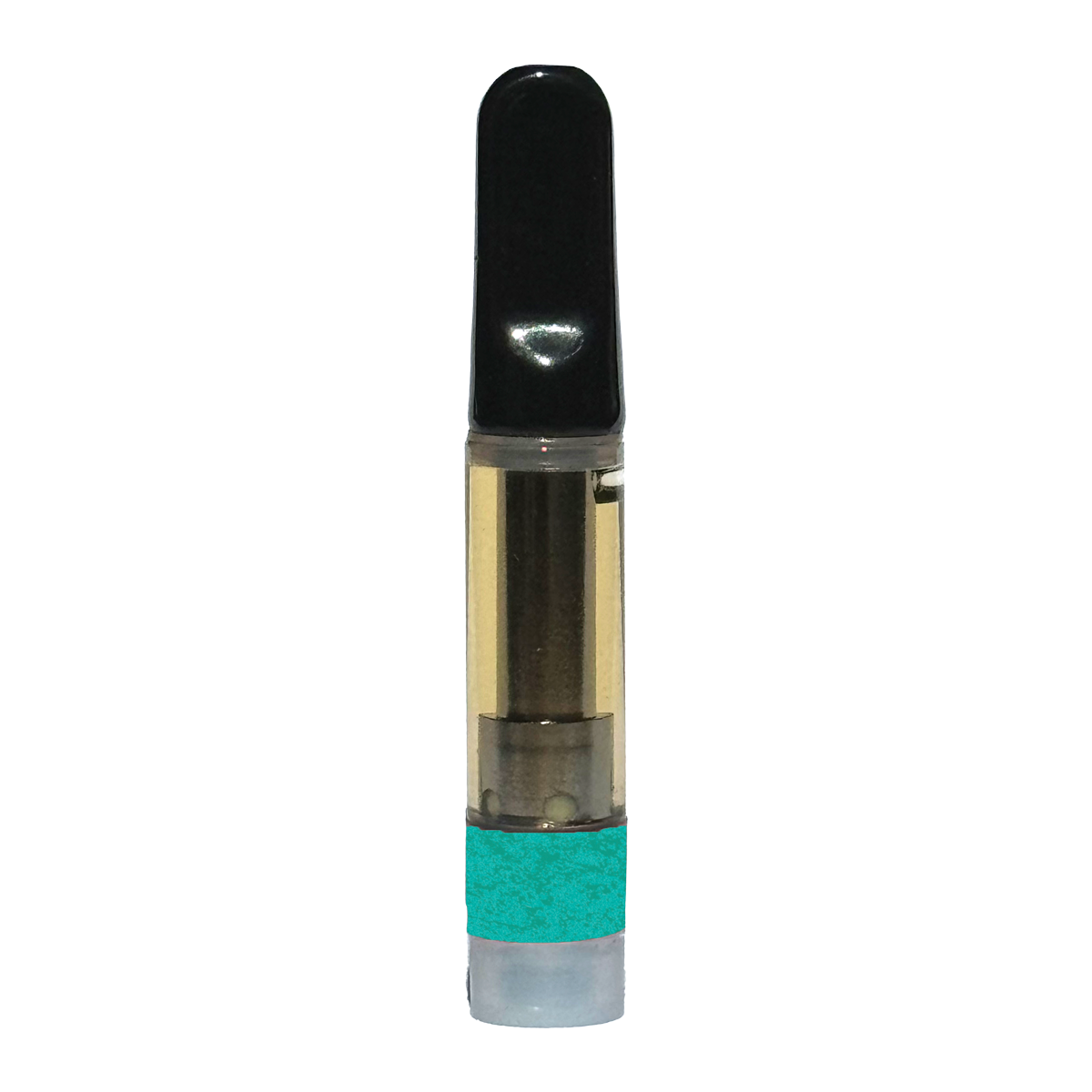
Bear Blend Original Herbal Diffuser Cartridge — 1ml (Vanilla)
A 1 mL refillable 510-thread diffuser cartridge featuring the Original blend — the blend t...
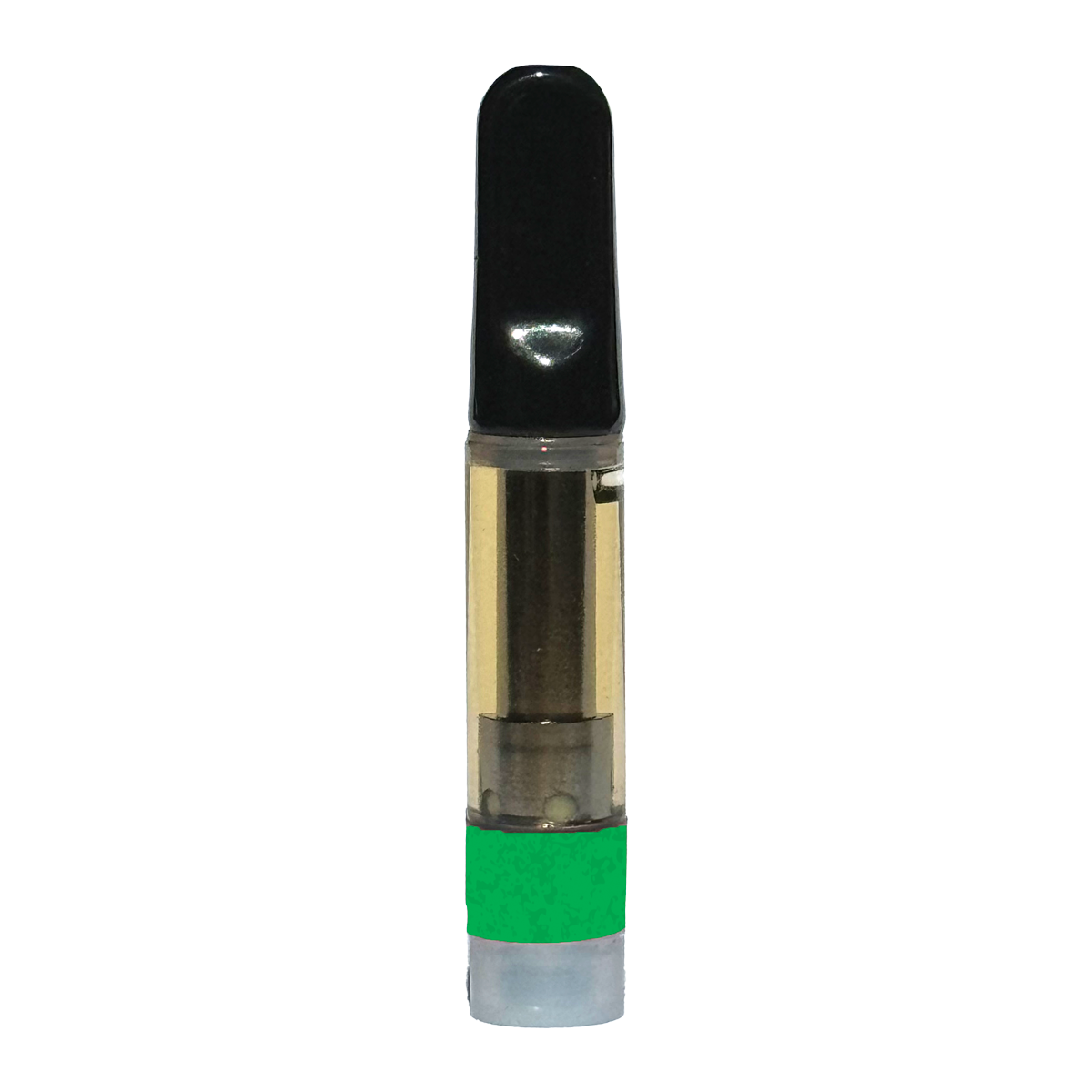
Bear Blend Mintz Herbal Diffuser Cartridge — 1ml (Spearmint)
A 1 mL refillable 510-thread diffuser cartridge featuring the Mintz blend — a cooling, ref...
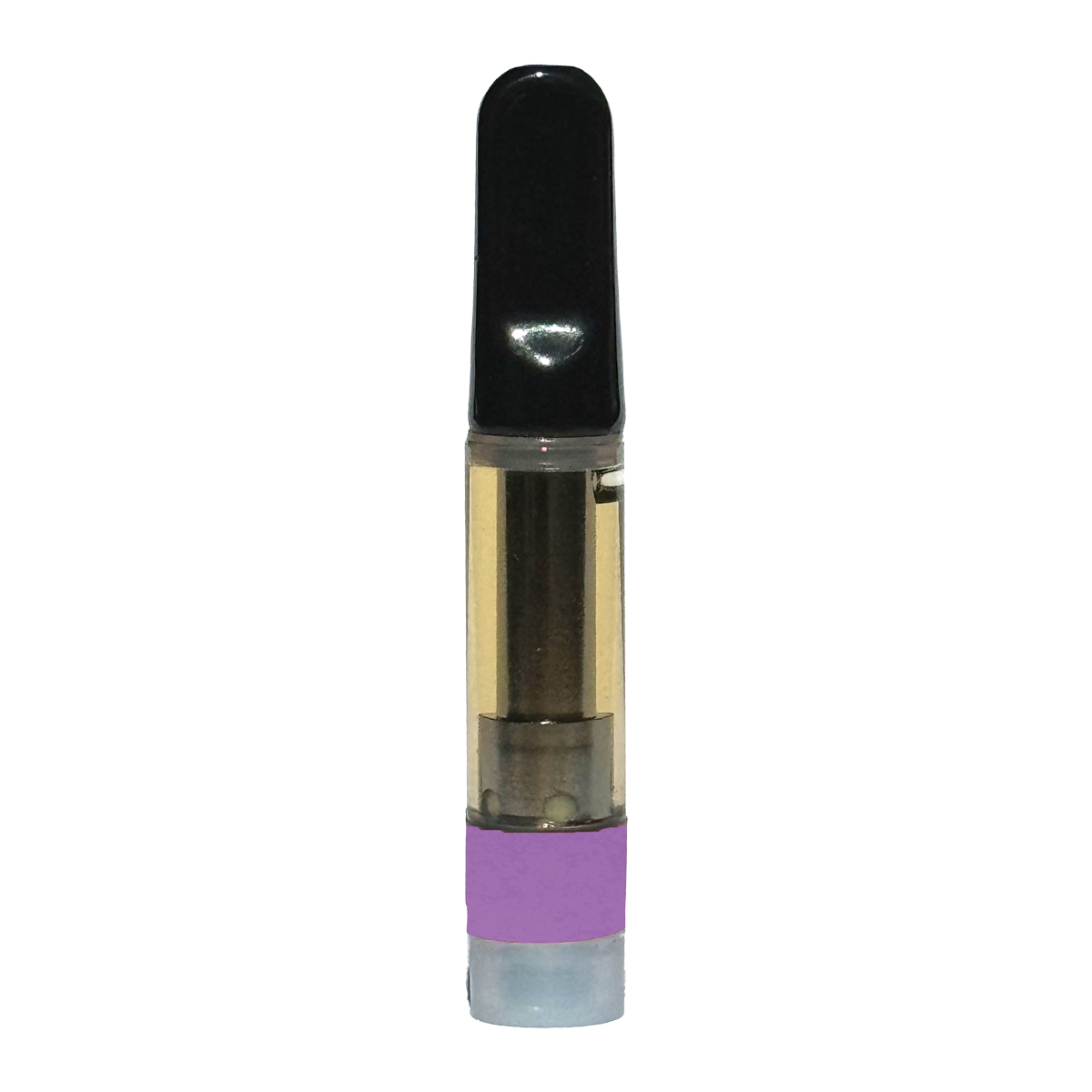
Bear Blend Moon Herbal Diffuser Cartridge — 1ml (Berry)
A 1 mL refillable 510-thread diffuser cartridge featuring the Moon blend — our most ceremo...
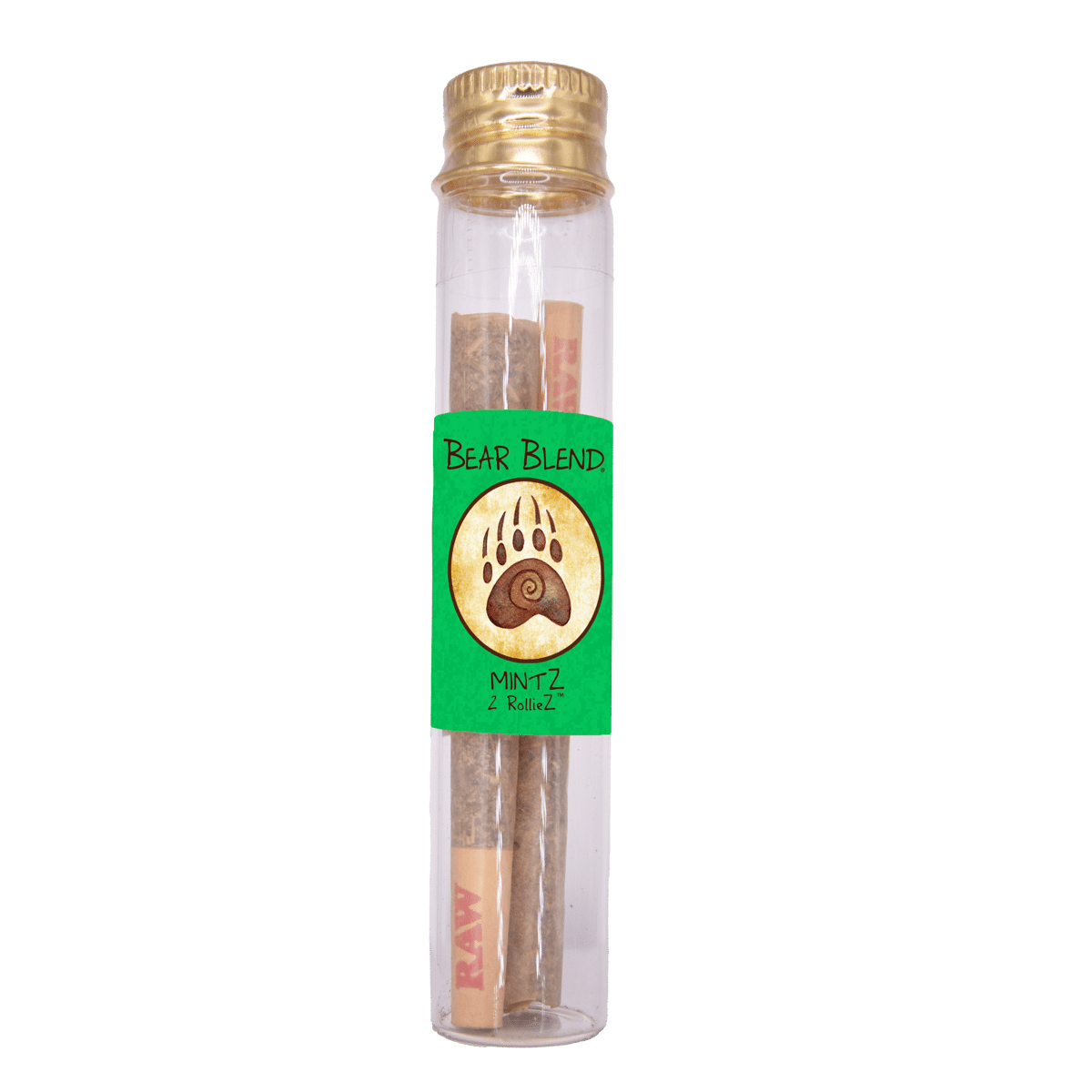
Tube of Two Mintz Rolliez
Balancing herbs, mint, and flowers, the Mintz is a hefty and refreshing blend. This is a m...
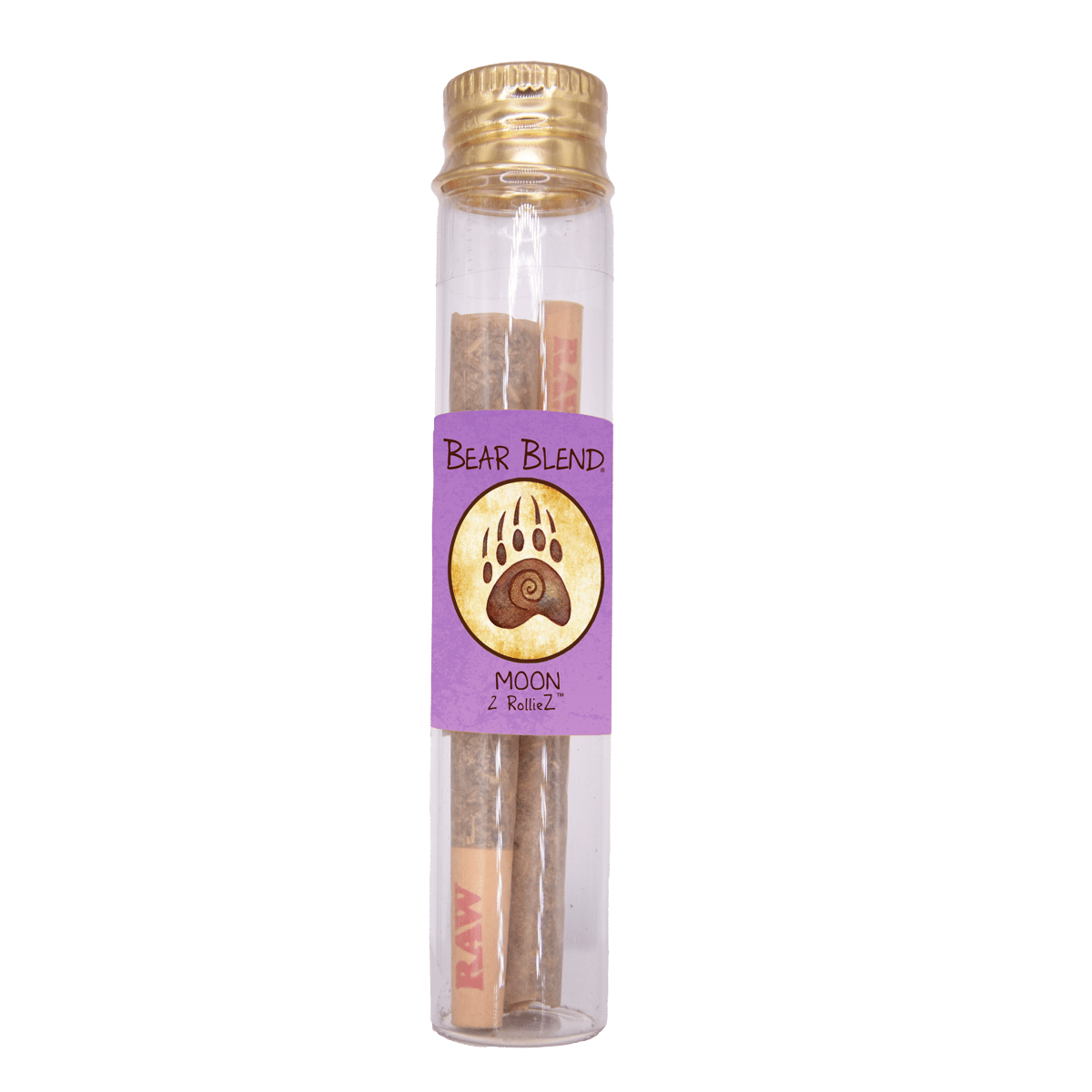
Tube of Two Moon Rolliez
The Moon Ceremonial Blend is our most magical blend. With a medium effect, the Moon brings...
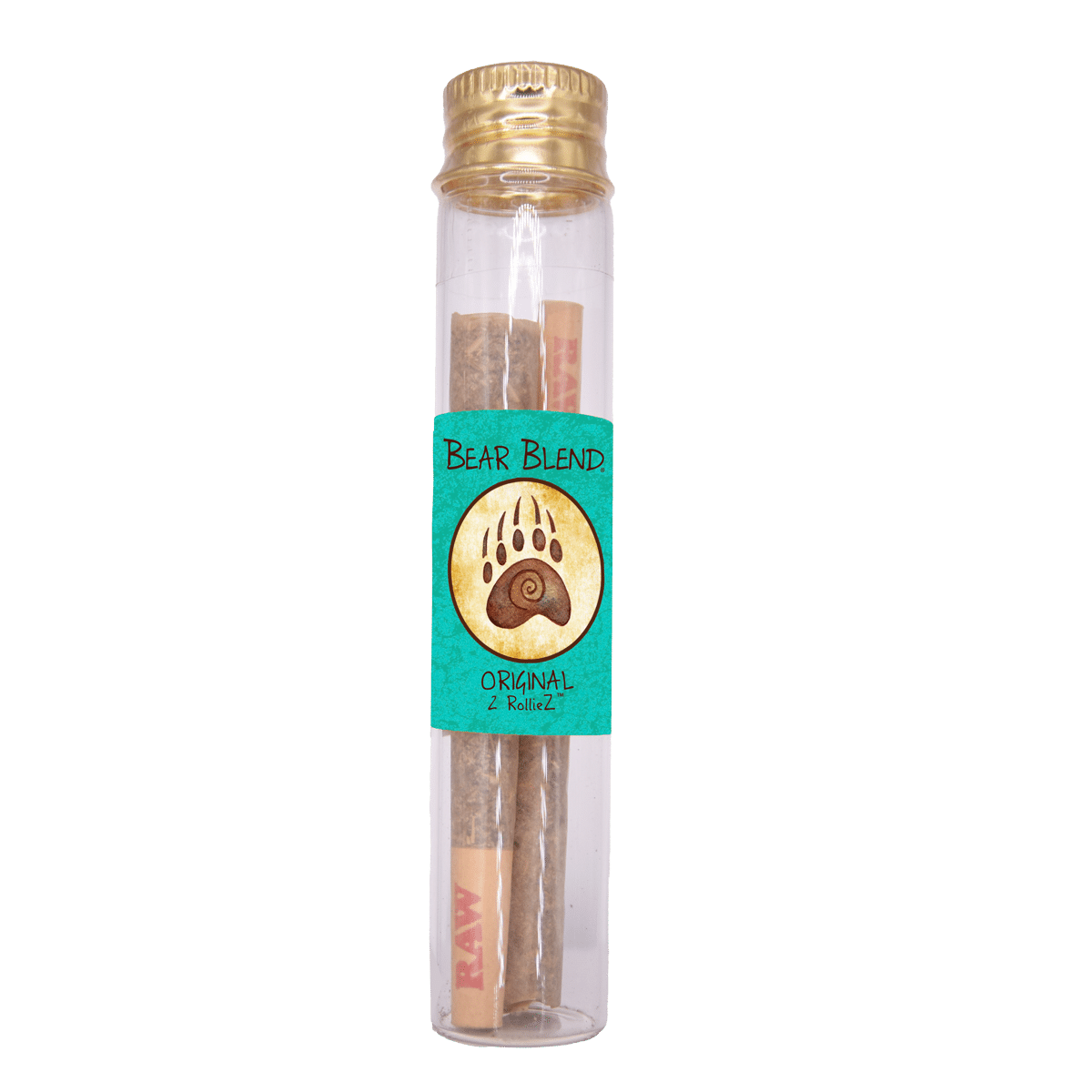
Tube of Two Original Rolliez
Created over twenty years ago, the OG Ceremonial Blend is the foundation of Bear Blend. Ou...
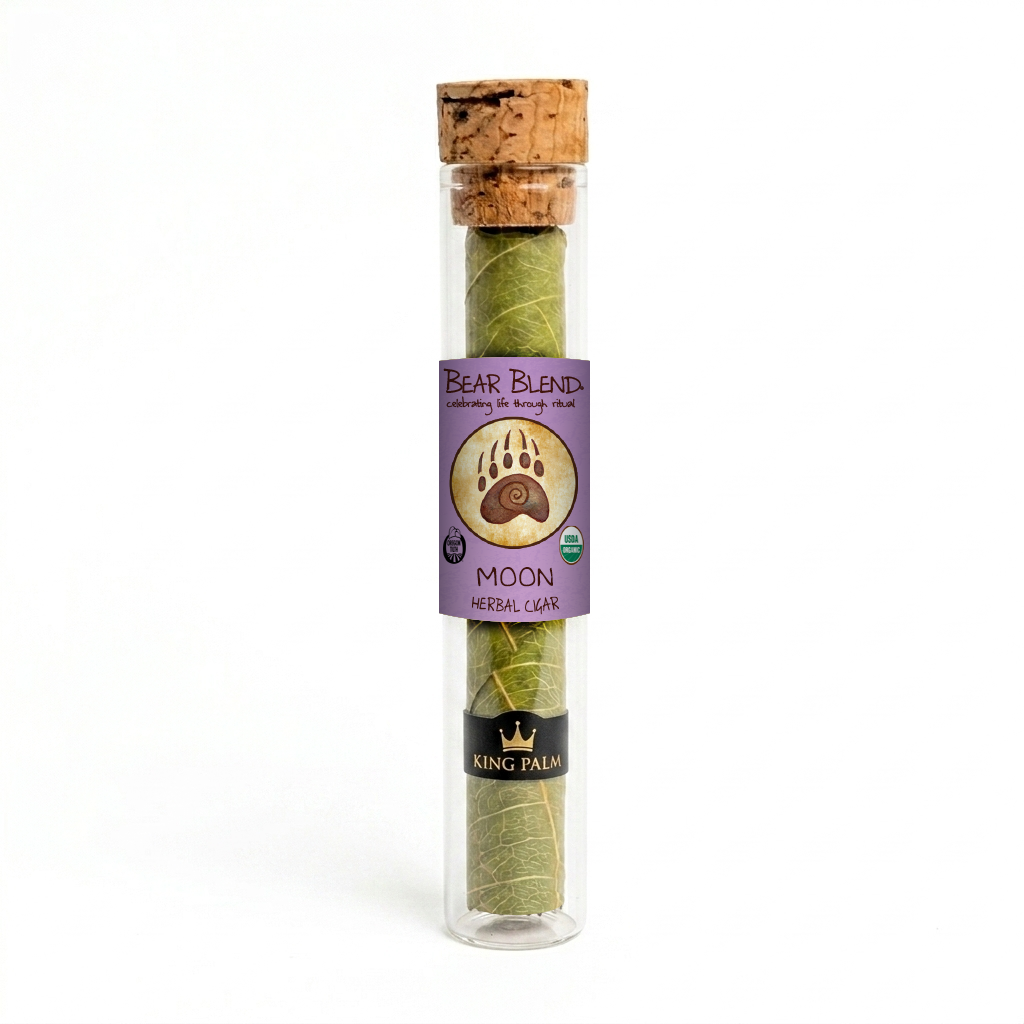
Moon Herbal Cigars
An XL slow-burn ceremony in a single roll — the Moon blend in its most unhurried, expansiv...
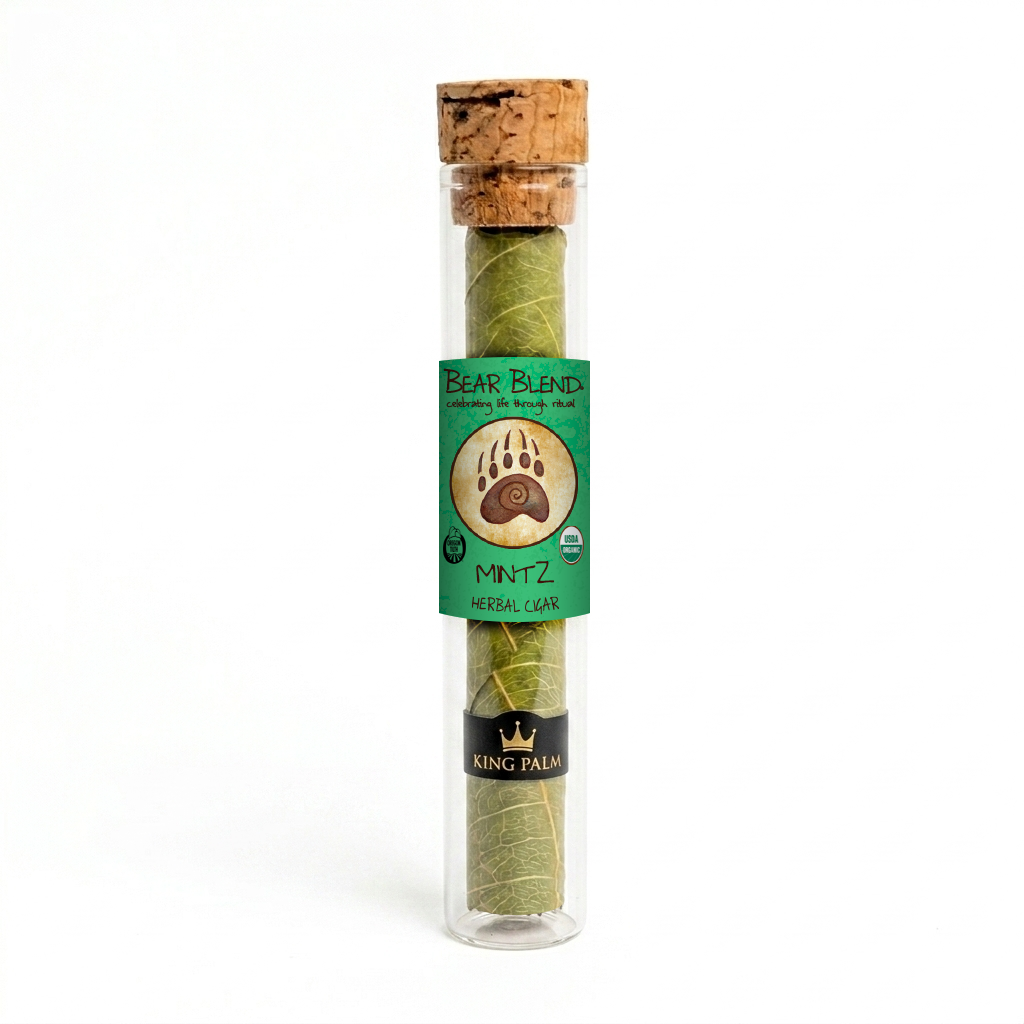
Mintz Herbal Cigars
Cool, slow, and ceremonial — the Mintz Herbal Cigar turns a quiet moment into a full ritua...
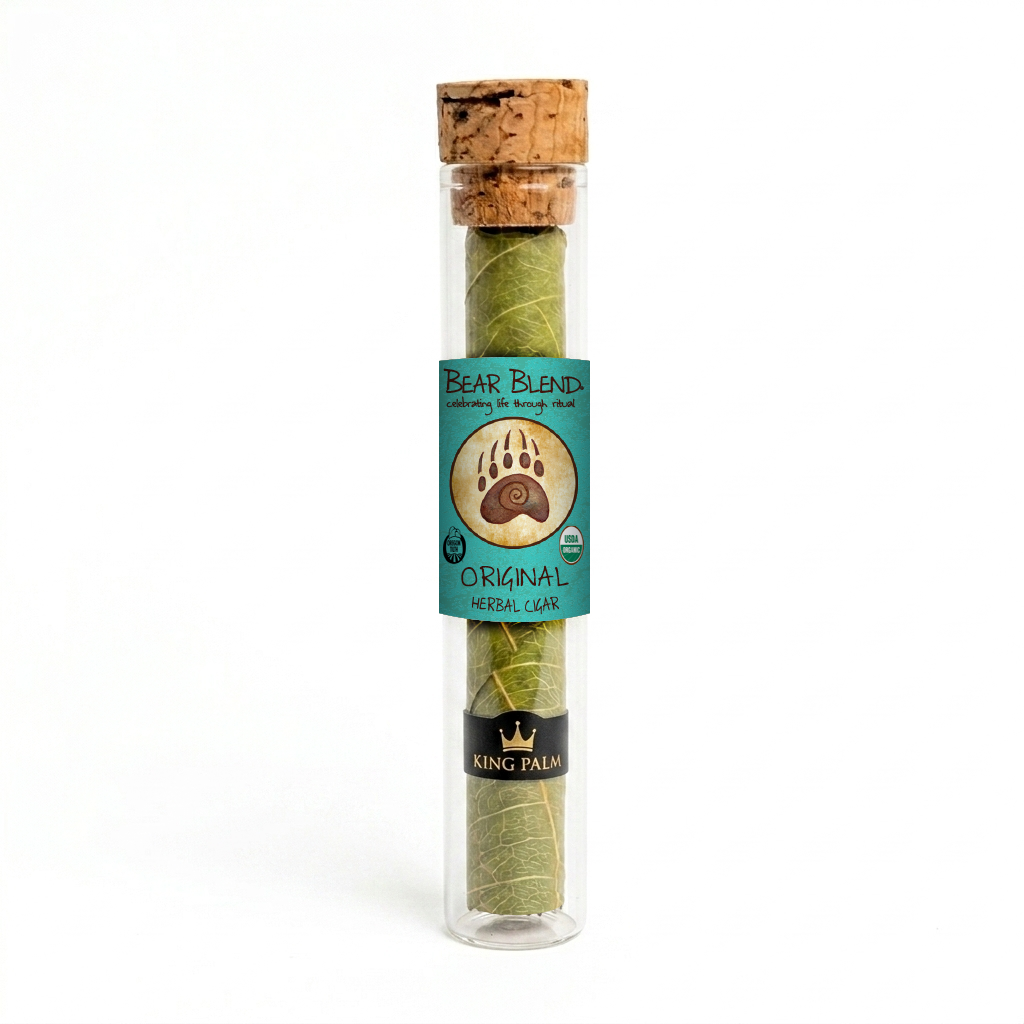
Original Herbal Cigars
A slow-burning, ceremonial-grade herbal cigar — 3g of proprietary botanical blend wrapped...
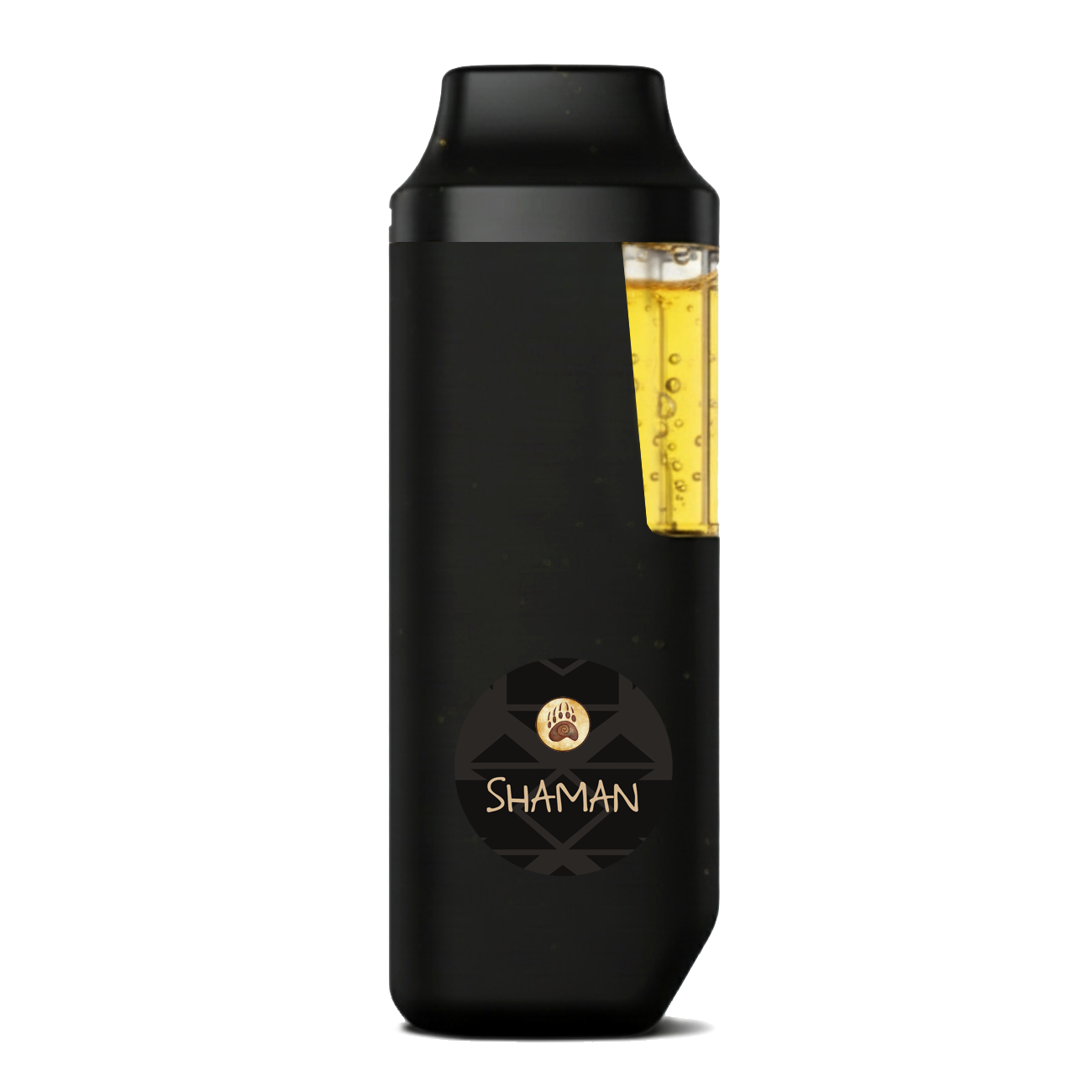
Bear Blend Shaman Herbal Diffuser — 2ml Disposable
The Shaman blend, distilled into a single breath — botanical ceremony in your pocket, read...
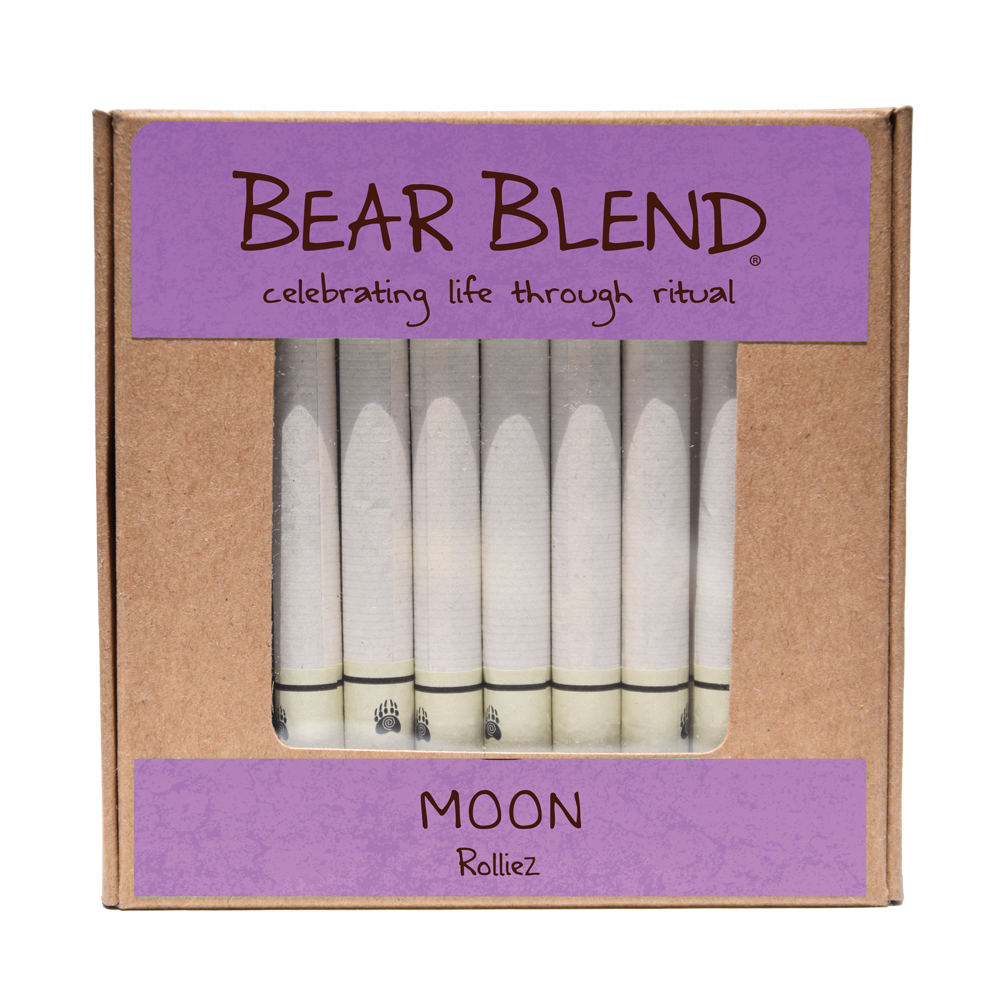
Moon Cigarettes 50 Pack
Fifty rolls of moon herbal cigarettes — the Moon blend's rose-and-lavender magic, rea...
of