Bear Blend — Celebrating Life Through Ritual
Bear Blend
Sign In Create Account Cart

Clove

(Syzygium aromaticum)

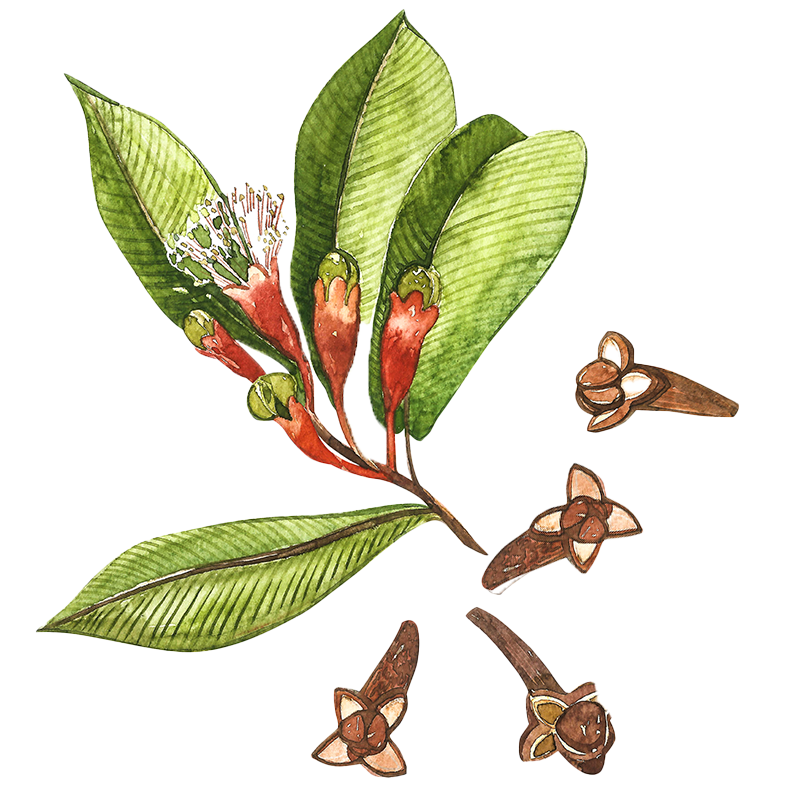
Clove botanical illustration

fig. 15 Syzygium aromaticum

There is an argument to be made that clove (Syzygium aromaticum) quietly shaped the modern world more than any boardroom ever did. A small, nail-shaped dried flower bud from the Maluku Islands of eastern Indonesia — the original Spice Islands — it carries within it a fragrance so concentrated, so unmistakable, that a single bud can perfume a room. That intensity is not accidental. It is the plant's own chemistry at work: clove is among the richest natural sources of eugenol on earth, an aromatic phenol that gives the bud its warm, almost electric bite.

The tree itself, Syzygium aromaticum, is a tropical evergreen that can live and produce for over a century. The buds are harvested just before they flower — at the precise moment the plant holds the most volatile oil in its tissues. There is something ceremonially apt about that: we are catching the plant at the threshold of its own blooming, preserving a moment of becoming. The dried bud that arrives in your hand is, in a sense, a flower that never quite opened — a small, potent pause.

As a smokable herb, clove brings a warming, slightly numbing, deeply aromatic quality to a blend. It is not a background note. Even in small proportion, it announces itself — which is exactly why it has been prized across millennia, traded across oceans, and fought over by empires.

across time

Tradition & Ritual

For most of recorded history, clove was one of the most valuable commodities on the planet — worth more than gold by weight at various points in the medieval spice trade. The Maluku Islands were the only place on earth where clove trees grew natively, and that geographical monopoly made them the center of a web of trade, diplomacy, and violence stretching from China to Rome. Arab traders controlled the routes for centuries before European powers — Portuguese, Dutch, Spanish — went to extraordinary and often brutal lengths to seize control of the supply. The Dutch VOC at one point ordered the destruction of clove trees on all islands except Ambon in an attempt to control prices. The trees, of course, eventually escaped — smuggled as seedlings by a French botanist named Pierre Poivre in the 18th century, eventually reaching Zanzibar and beyond. Plants have a way of outlasting the empires that try to own them.

In Chinese medicine, clove has been documented for over two thousand years, used to address digestive complaints and as a warming aromatic. In Ayurvedic tradition it is known as lavanga, one of the classic spices for igniting digestive fire and clearing the respiratory passages. Burned as incense in temples across South and Southeast Asia, its smoke was understood as purifying — a carrier of prayer, a cleanser of space. In Indonesian tradition, clove has a uniquely modern ceremonial expression: the kretek, the hand-rolled clove cigarette, which emerged in the late 19th century and became a deeply embedded cultural ritual, the smoke carrying both the herb's numbing warmth and a sense of communal belonging. Indonesia remains the world's largest consumer of cloves — primarily through kreteks — a tradition that blends the ancient aromatics of the spice with the social ritual of smoke.

In Western folk magic and folk medicine, clove appeared in pomanders — oranges studded with clove buds — hung in homes to purify air, ward off illness, and protect against malevolent energies. It appeared in incense formulas meant to attract prosperity, sharpen mental clarity, and consecrate sacred space. Its warmth was understood as yang energy: activating, clarifying, protective.

what it offers

Scientific & Medicine

Modern phytochemistry has spent considerable effort validating what traditional practitioners already knew. Clove bud essential oil is extraordinarily rich in eugenol — typically comprising 70–90% of the oil — a compound with well-documented antimicrobial, antifungal, and antioxidant properties in laboratory settings. Eugenol is also a recognized local anesthetic, which is why clove oil has long been used in dentistry — it remains an active ingredient in some dental cements and temporary fillings to this day. The numbing sensation you feel when clove touches your tongue or lip is real, measurable chemistry.

Beyond eugenol, clove contains beta-caryophyllene, a sesquiterpene also found in black pepper and cannabis, which interacts with CB2 receptors in the endocannabinoid system and has been studied for its anti-inflammatory properties. Clove also contains significant amounts of acetyl eugenol, eugenol acetate, and various flavonoids. Its antioxidant capacity, measured by ORAC values, is among the highest recorded for any plant food or spice.

In traditional medicine systems, clove has been used to support digestion, reduce nausea, ease respiratory congestion, and as a topical analgesic. As a smokable herb, it contributes aromatic depth and a characteristic mild numbing warmth to blends — a quality that has made it a natural companion to other herbs in ceremonial smoking contexts. This entry is informational only; nothing here constitutes medical advice, diagnosis, or dosing guidance.

the old stories

Legends & Myths

There is a story — apocryphal but persistent — that courtiers of the Han Dynasty in China were required to hold cloves in their mouths before addressing the emperor, so that their breath would not offend the imperial presence. Whether or not the story is literally true, it speaks to the cultural gravity clove carried: this was not a casual spice. It was a substance with enough power to mediate between the human and the exalted.

In the folklore of the Maluku Islands themselves, clove trees were understood as deeply personal — almost familial. It was customary to plant a clove tree at the birth of a child, and the health of the tree was believed to mirror the fortunes of the child. The tree and the person grew together, breathed together in some sense. When the Dutch colonial forces destroyed clove trees to enforce their monopoly, they were understood locally as committing something close to murder — an erasure of kinship, not merely commerce. That is a cosmology in which the plant world and the human world are not separate categories.

In European folk magic, clove was associated with Jupiter — expansive, warming, fortune-bringing — and was burned to attract abundance and drive away hostile forces. It appeared in the recipe for thieves' vinegar, the legendary preparation said to have protected grave robbers during the Black Death from contracting plague. Whether the clove deserves credit for that particular feat of epidemiology is, to put it gently, uncertain. But the folk instinct to reach for the most powerfully aromatic, most antimicrobially potent substance available in a time of epidemic is not entirely without logic.

from the bear

Bear Originals

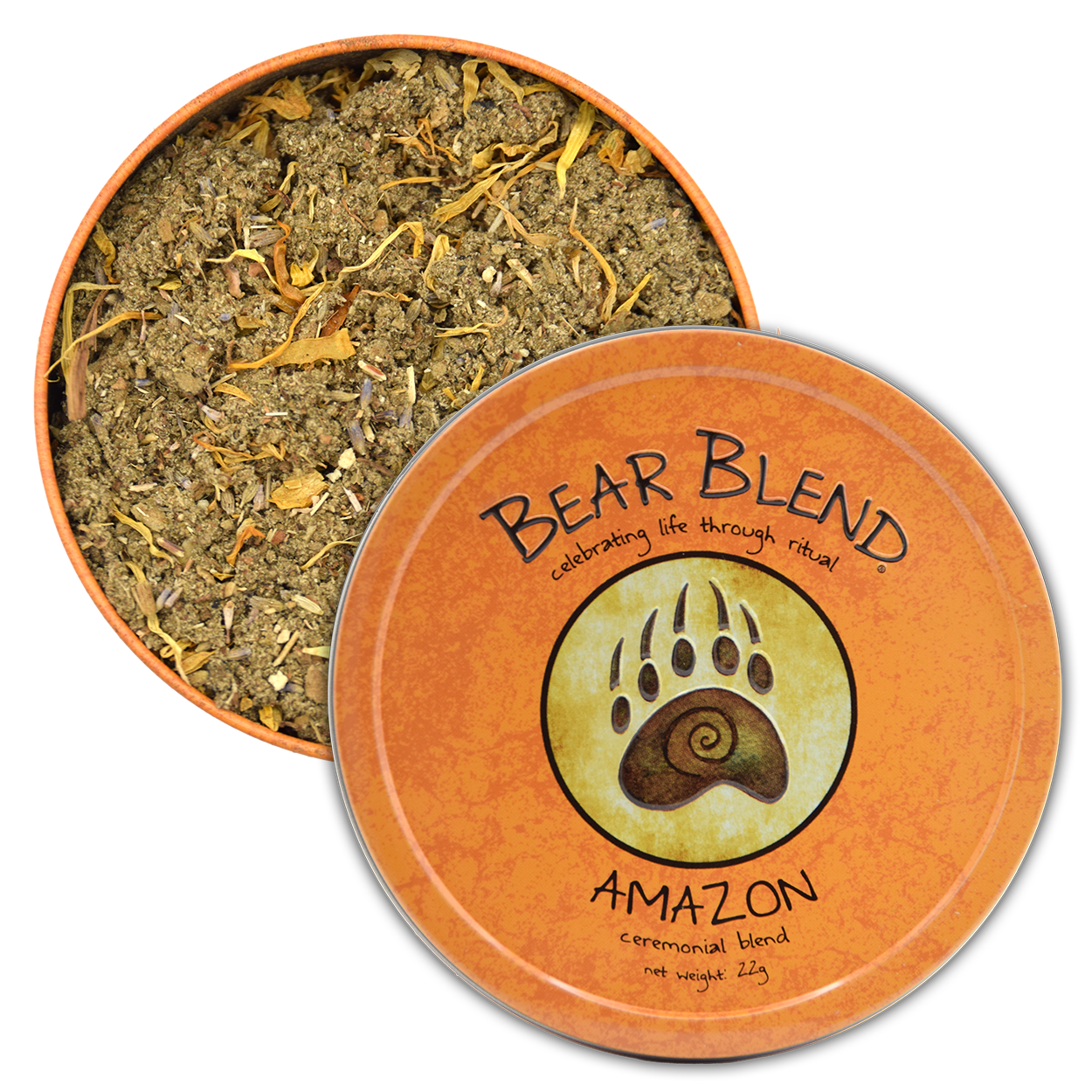
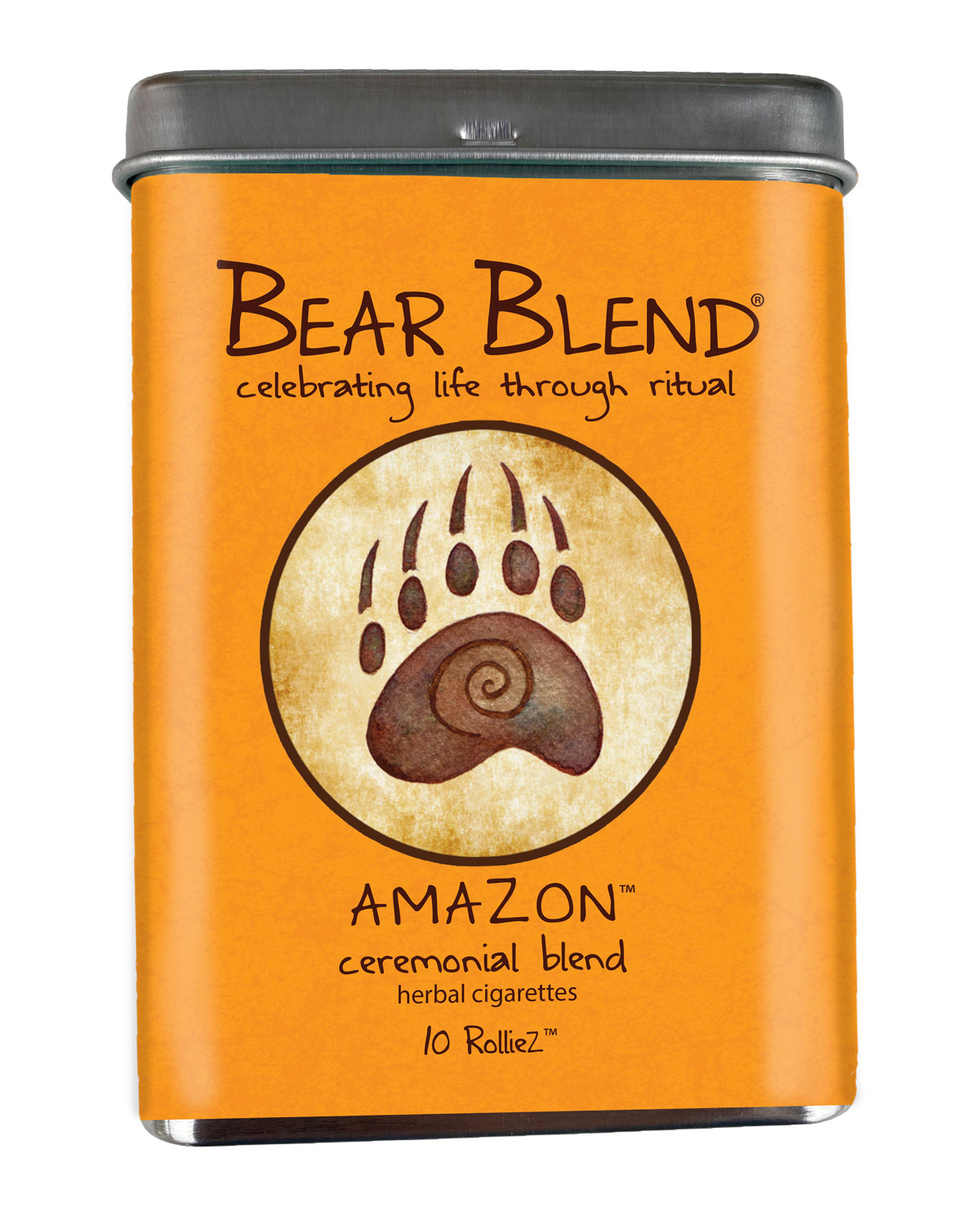
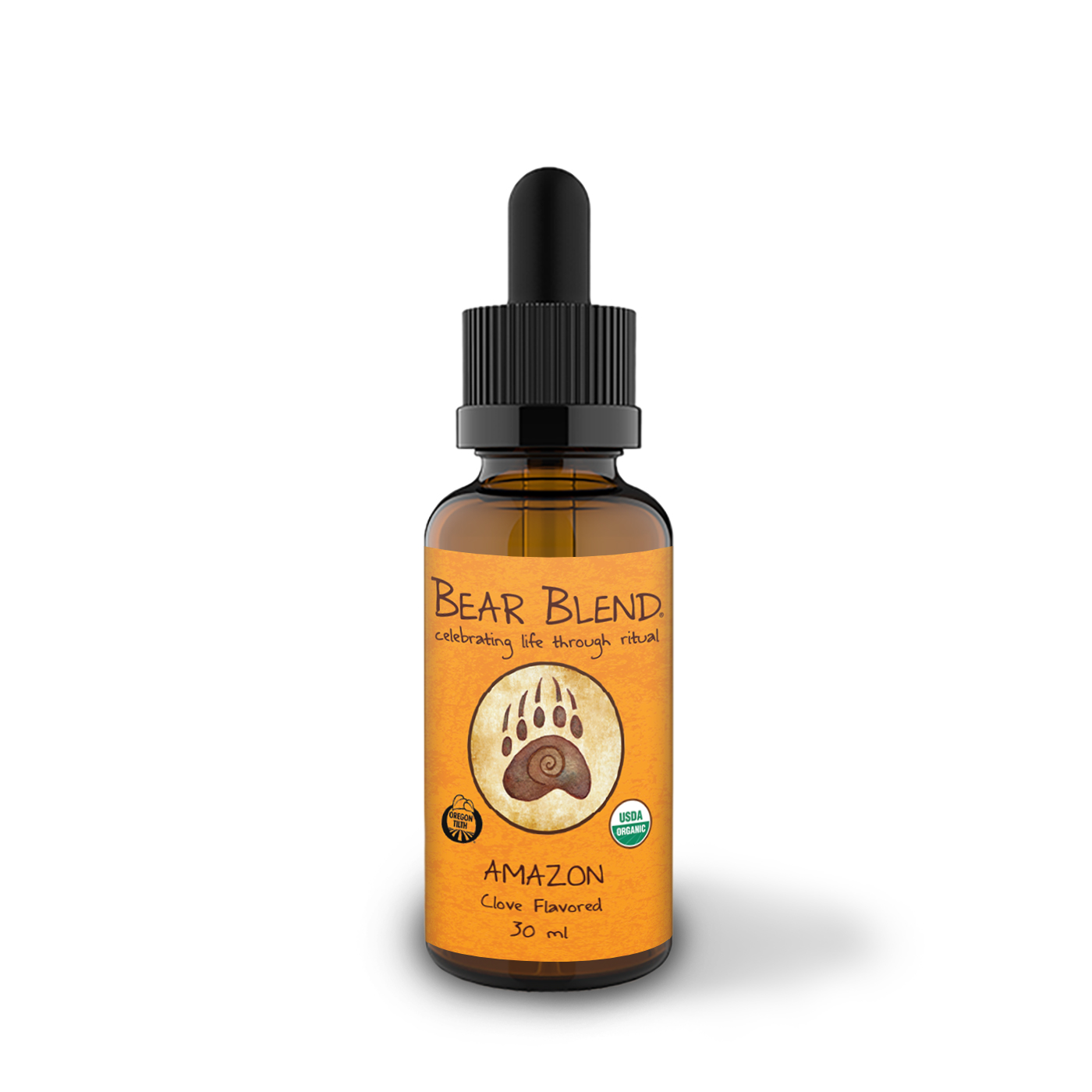
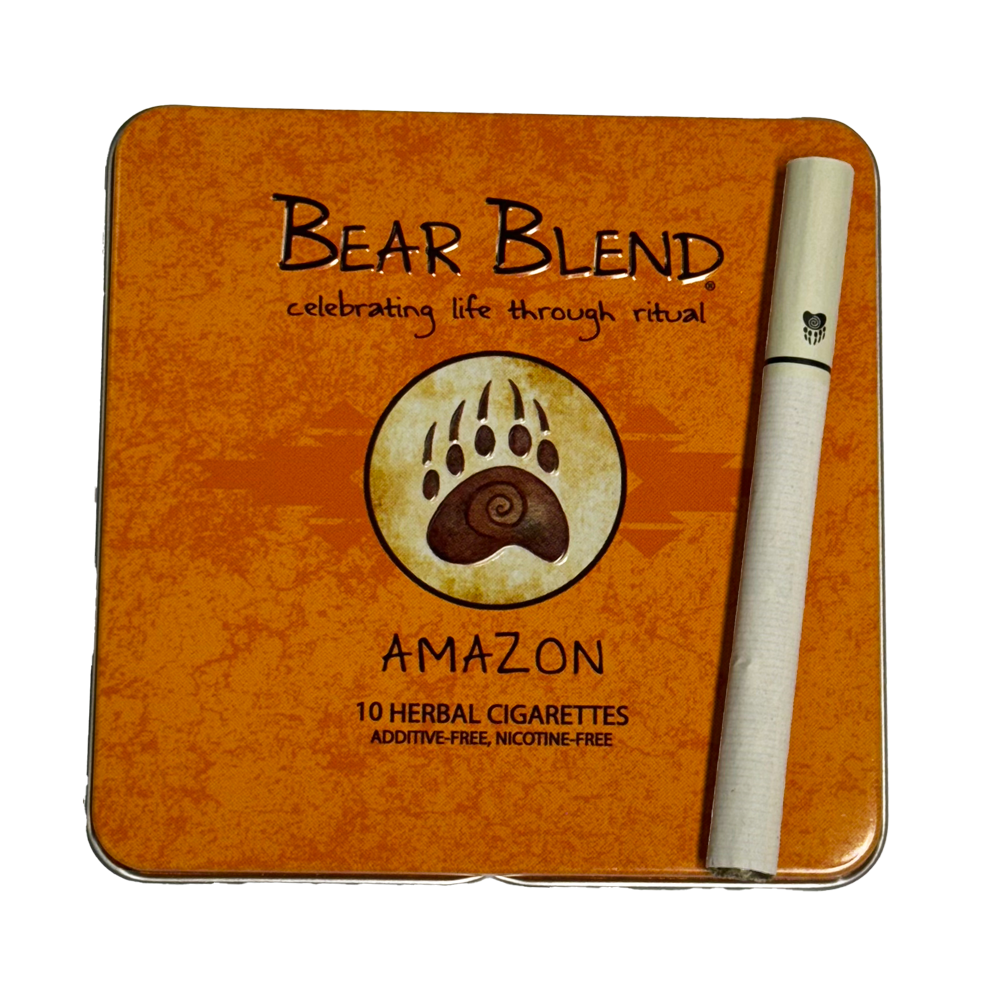
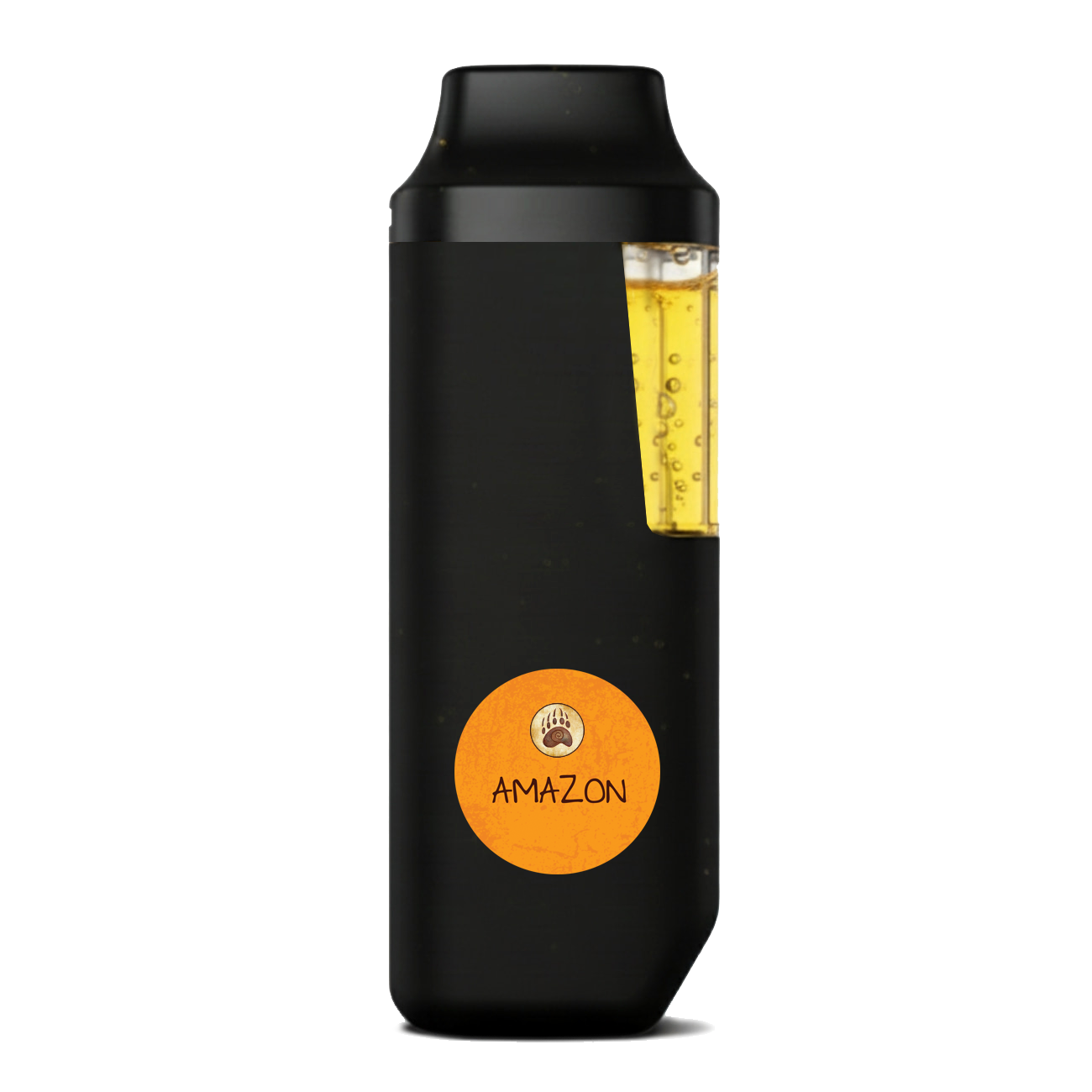
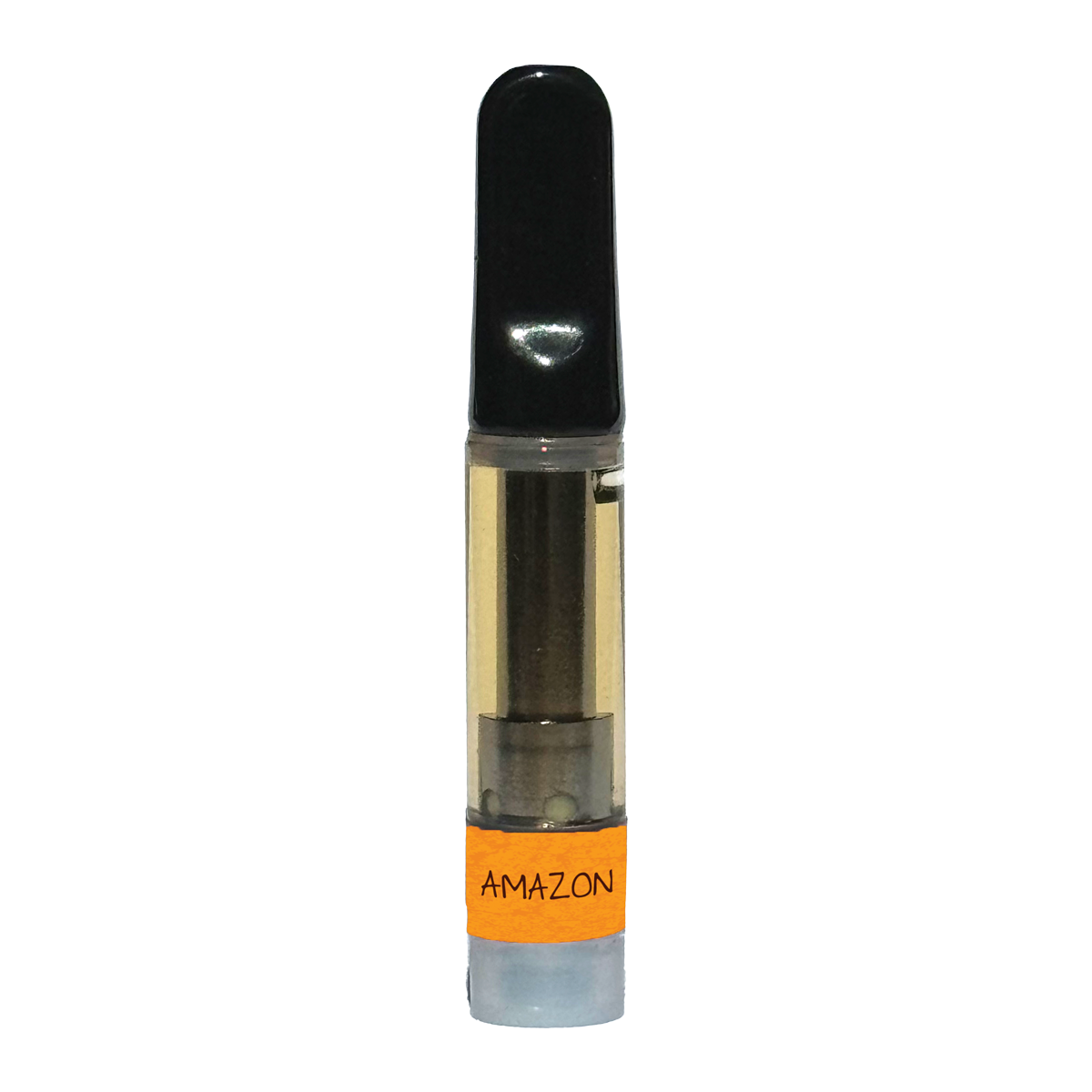
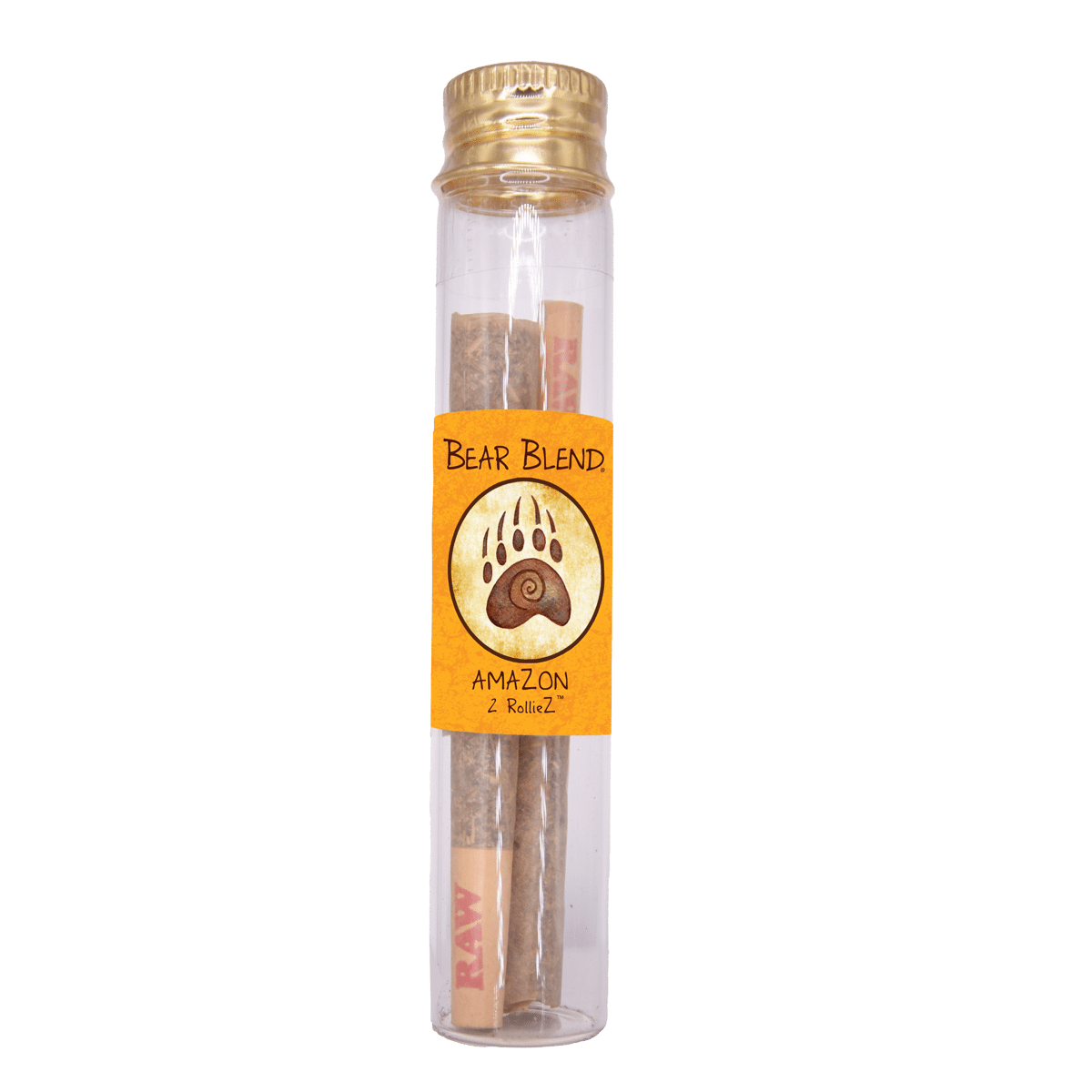
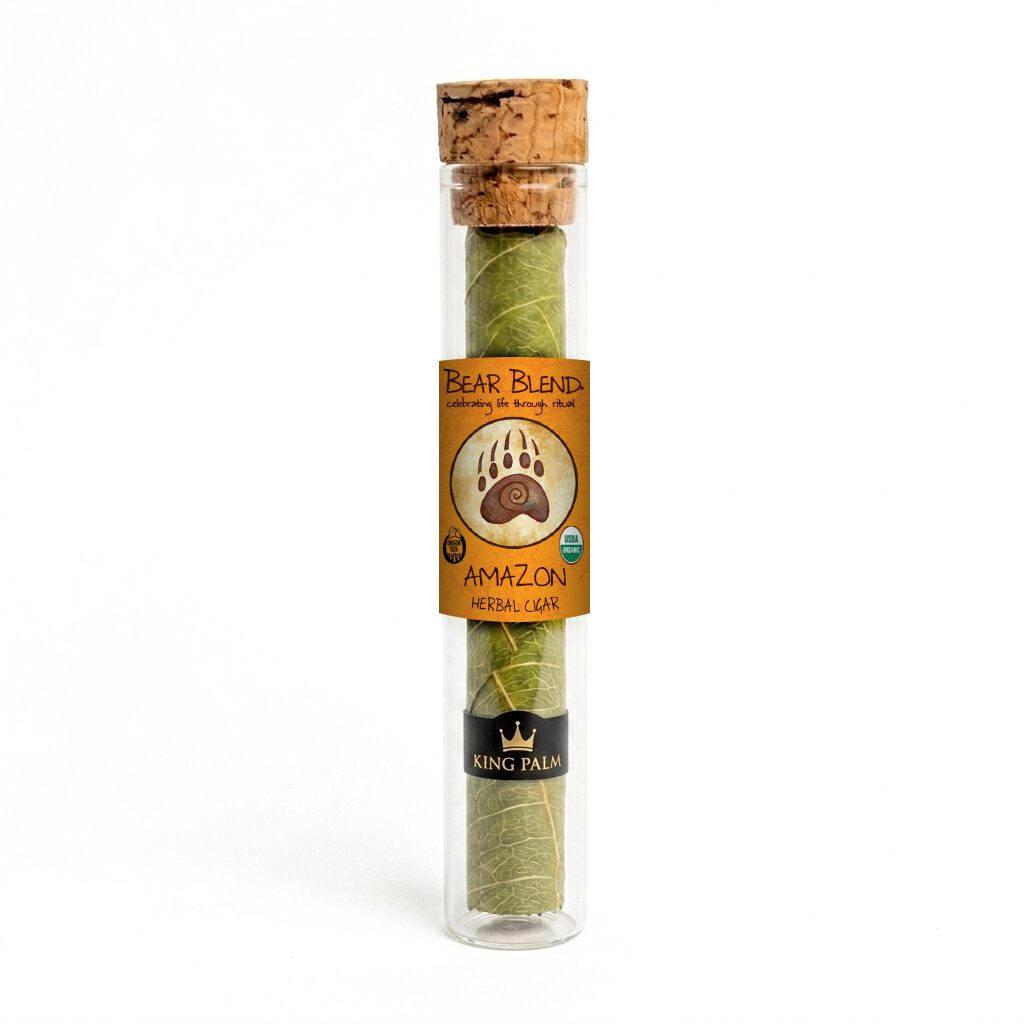
Clove is one of those herbs that earns its place in a blend by force of character. We work with it carefully and with respect for its intensity — it is not an herb that disappears into the background. In our Amazon Liquid Herbz line, clove provides the signature aromatic warmth that defines that expression, a nod to the botanical richness of Amazonian and equatorial plant traditions. Its presence in the vapor is unmistakable: warming, slightly sweet, with that characteristic edge that reminds you something alive and ancient is in the room with you.

More broadly, clove sits within our ceremonial philosophy as an herb of activation and clarification — a plant that sharpens the moment, marks a threshold, and brings a quality of intentional warmth to the ritual of smoke. When you encounter it in a blend, we invite you to notice that sensation: the mild opening of the airways, the aromatic bloom on the exhale. These are not incidental effects. They are the plant communicating in its own language, which it has been doing — with or without our attention — for a very long time.

You can explore our herb encyclopedia or browse the full shop to find clove in its various ceremonial contexts. If you have questions about which blend might suit you, our herbalists are glad to help.

Cautions & Contraindications

Clove is a potent herb and warrants honest respect. Eugenol, its primary active compound, can cause irritation to mucous membranes in concentrated form — clove essential oil applied directly to skin or gums undiluted can cause chemical burns and should be used only with care. In a smokable blend, clove is typically present in small proportions, which mitigates this risk considerably, but those with known sensitivity to eugenol or related phenols should approach with awareness.

Eugenol has mild anticoagulant properties. People taking blood-thinning medications such as warfarin, or those with bleeding disorders, should consult a qualified healthcare provider before using clove in any regular or significant quantity. The same applies during pregnancy — clove has historically been used to stimulate uterine contractions in some folk traditions, and regular use during pregnancy is not advised without medical guidance.

As with any smokable herb, those with respiratory conditions, asthma, or chronic lung disease should exercise caution and seek professional advice. This entry is for informational purposes only and does not constitute medical advice.
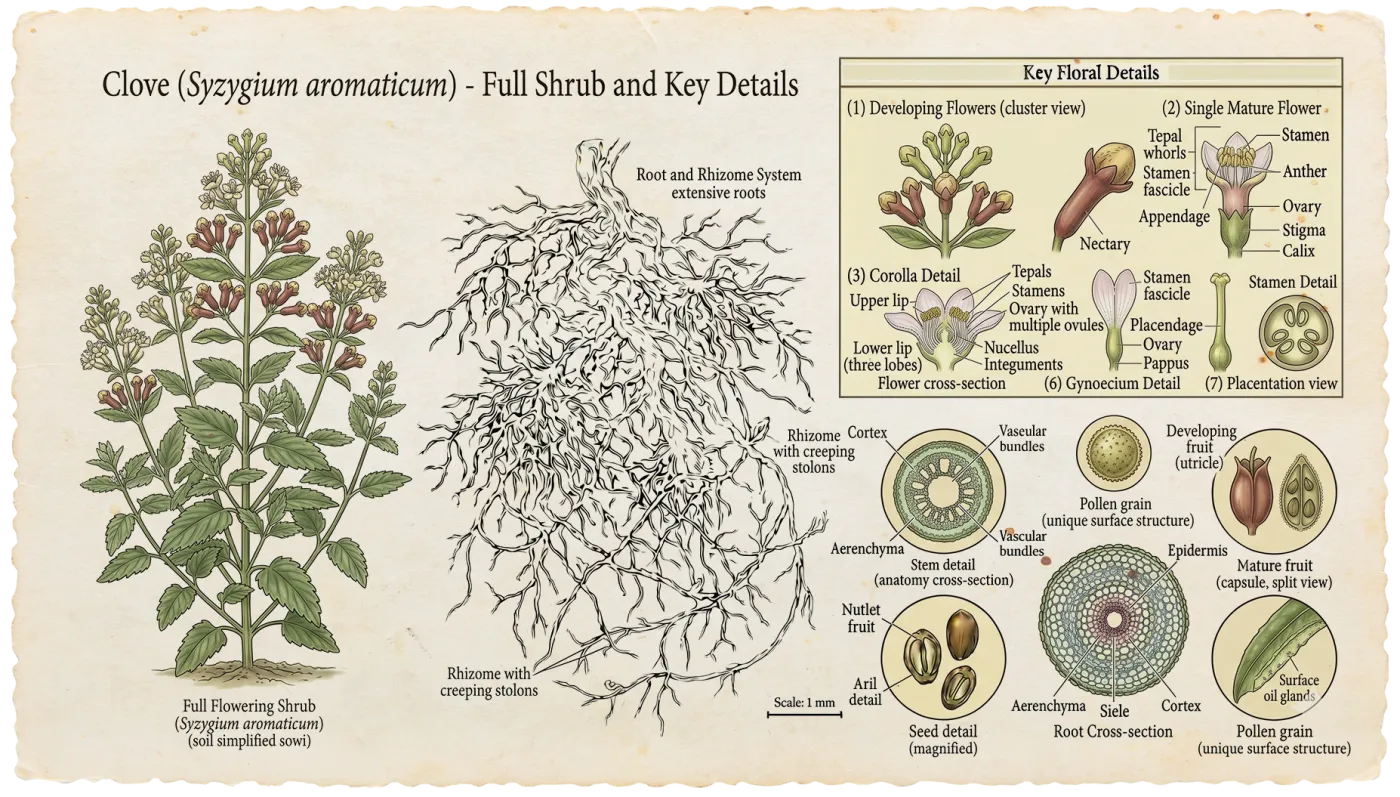
Botanical plate of Clove (Syzygium aromaticum)
of

of

cookies & such

We use essential cookies to run the shop (cart, checkout, sign-in) and, with your OK, analytics cookies to understand how folks use the site. See our Privacy Policy.