Bear Blend — Celebrating Life Through Ritual
Bear Blend
Sign In Create Account Cart

Peppermint

(Mentha × piperita)

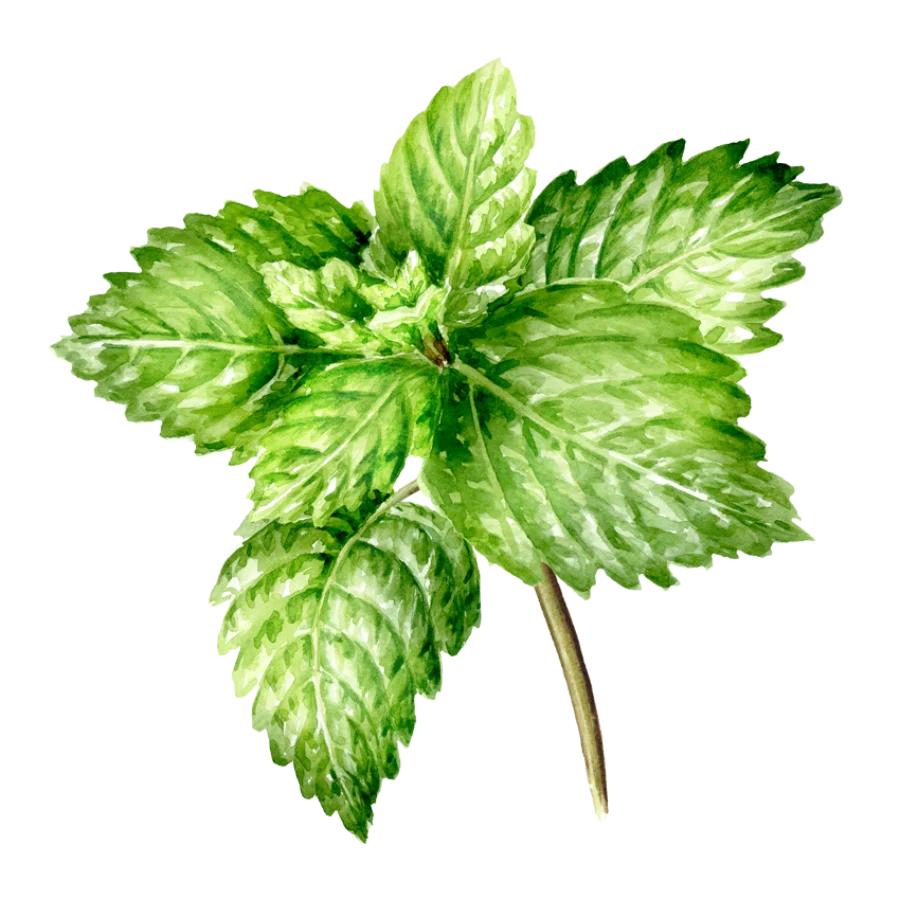
Peppermint botanical illustration

fig. 23 Mentha × piperita

Peppermint arrives before it is seen. The scent reaches you first — clean, cool, faintly electric — and for a moment the air around you reorganizes itself. Mentha × piperita is a natural hybrid of watermint and spearmint, almost certainly born somewhere along a riverbank in Europe or the Near East, though it has since colonized every continent that will have it. It is one of the most recognized plants on earth, and also one of the most underestimated, quietly running the global flavor industry while carrying a tradition of ritual and remedy stretching back several thousand years.

What gives peppermint its particular character is menthol — a compound that does not actually lower temperature but convinces the cold-sensing receptors in your skin and mucous membranes that it does. The result is a sensation of coolness produced entirely by the plant's chemistry acting on your nervous system. That a leaf can re-architect your sensory experience with such precision is, if you slow down long enough to consider it, remarkable. Peppermint has been doing this to mammals long before any of us thought to roll it into a blend or steep it in a cup.

The plant itself is a vigorous, rhizomatous spreader — give it moisture and a little sun and it will fill whatever space you offer it, and then the space next to that. Gardeners know peppermint as something between a gift and a mild takeover. There is something instructive in that. A plant this generous with itself, this committed to expansion, earns its reputation as one of the botanical world's great communicators.

across time

Tradition & Ritual

Ancient Egyptians cultivated peppermint and dried mint leaves have been recovered from Egyptian tombs dating as far back as 1000 BCE, suggesting the plant was valued enough to accompany the dead into whatever came next. In Greek and Roman culture, mint was woven into garlands for feasts, scattered across floors, and used to scent baths — a practice rooted in the belief that the herb brightened the mind and elevated the spirit of any gathering it entered.

In Ayurvedic tradition, peppermint has long been understood as a cooling herb in the elemental sense — useful for balancing excess heat in the body and mind. It appears in classical European herbalism as a digestive and a nervine, and in folk medicine across the British Isles it was hung in the home as a purifying plant, its scent understood to clear stagnant or negative energy from a space before ceremony or important work.

Across many Indigenous North American traditions, native species of mint — close botanical relatives of peppermint — were used ceremonially in sweat lodge preparations, burned as smudge, and brewed as cleansing teas before ritual. The cooling, clarifying quality of mint was read as a spiritual property: a plant that clears the fog. That association between mint's sensation and mental or spiritual clarity is one of the most consistent threads running through the herb's global history, spanning cultures that never had contact with one another.

In European folk practice, peppermint was kept near the threshold of the home as a protective herb, and placed in dream pillows to encourage vivid, clear dreams — a use that converges interestingly with mugwort in the tradition of oneiric herbs. The herb was also associated with hospitality: to offer mint was to offer welcome.

what it offers

Scientific & Medicine

Peppermint's primary active constituent is menthol, which accounts for between 35 and 55 percent of the essential oil in most cultivars. Alongside menthol sit menthone, menthyl acetate, menthofuran, and a range of flavonoids and phenolic acids. This chemistry has been the subject of substantial modern research, most of it consistent with what traditional herbalists observed over centuries.

The strongest contemporary evidence surrounds peppermint's effect on the digestive system. Multiple clinical trials and a number of systematic reviews have examined enteric-coated peppermint oil capsules for irritable bowel syndrome (IBS), with results generally favorable — the menthol appears to relax smooth muscle in the gastrointestinal tract. The German Commission E, one of the more rigorous traditional-medicine evaluation bodies, formally recognized peppermint for internal use in digestive complaints and topical use for tension headache.

Topically, menthol has a well-documented analgesic and counter-irritant effect, which is why it appears in such a wide range of muscle rubs and headache balms. Inhaled peppermint vapor has been studied for its effects on alertness, cognitive performance, and nausea — the results are suggestive if not yet definitive, which is to say the research is catching up to what people already knew.

As a smokable herb, peppermint leaf produces a cool, smooth smoke. It is not a nicotine-containing plant and carries no known dependency profile. As with any combusted plant material, smoking is not without respiratory consideration, and peppermint is no exception to that general principle. This entry is informational only and is not intended as medical advice.

the old stories

Legends & Myths

The myth of peppermint's origin is one of Greek mythology's more pointed love stories. Minthe (or Mintha) was a naiad — a freshwater nymph — and a lover of Hades, god of the underworld. When Persephone discovered the affair, she transformed Minthe into a plant and trampled her underfoot. Hades, unable to undo the transformation, gave the plant its enduring sweetness of scent, so that even crushed underfoot, Minthe would be beautiful. It is a story about love, jealousy, and the strange consolation of botanical immortality — and it explains, with elegant mythological economy, why mint releases its fragrance most powerfully when it is bruised.

In medieval European folklore, mint was associated with the devil in a peculiar reversal — some traditions held that Satan had mint growing in his garden, and that its intoxicating scent was part of his arsenal of temptation. This sits in productive tension with the herb's simultaneous use as a purifying and protective plant. Herbs with strong, penetrating characters tend to collect contradictory folklore; their power is acknowledged on both sides of the moral ledger.

In the language of flowers, Victorian-era floriography assigned peppermint the meaning of warmth of feeling — a counterintuitive assignment for the coolest-feeling plant in the garden, and perhaps a recognition that the sensation of mint on the body, however cold it feels, produces a kind of invigoration that is fundamentally warm in effect. Spearmint, its close cousin, was assigned the meaning of warm sentiment. The Victorians were paying attention.

Welsh and Celtic traditions associated mint with the fairy realm, suggesting the herb was a bridge plant — one that opened perception slightly toward what was otherwise invisible. This aligns with mint's consistent cross-cultural role as a clarifier, a plant that sharpens the senses and opens the mind to what is already present but overlooked.

from the bear

Bear Originals

Peppermint is one of those herbs that earns its place in a blend not by announcing itself but by shaping the entire character of what surrounds it. Its cooling, clarifying quality shifts the register of any blend it enters — smoothing the smoke, brightening the botanical complexity of companion herbs, and lending a freshness that invites slower, more deliberate inhalation. It is, in ceremonial terms, an herb that encourages presence.

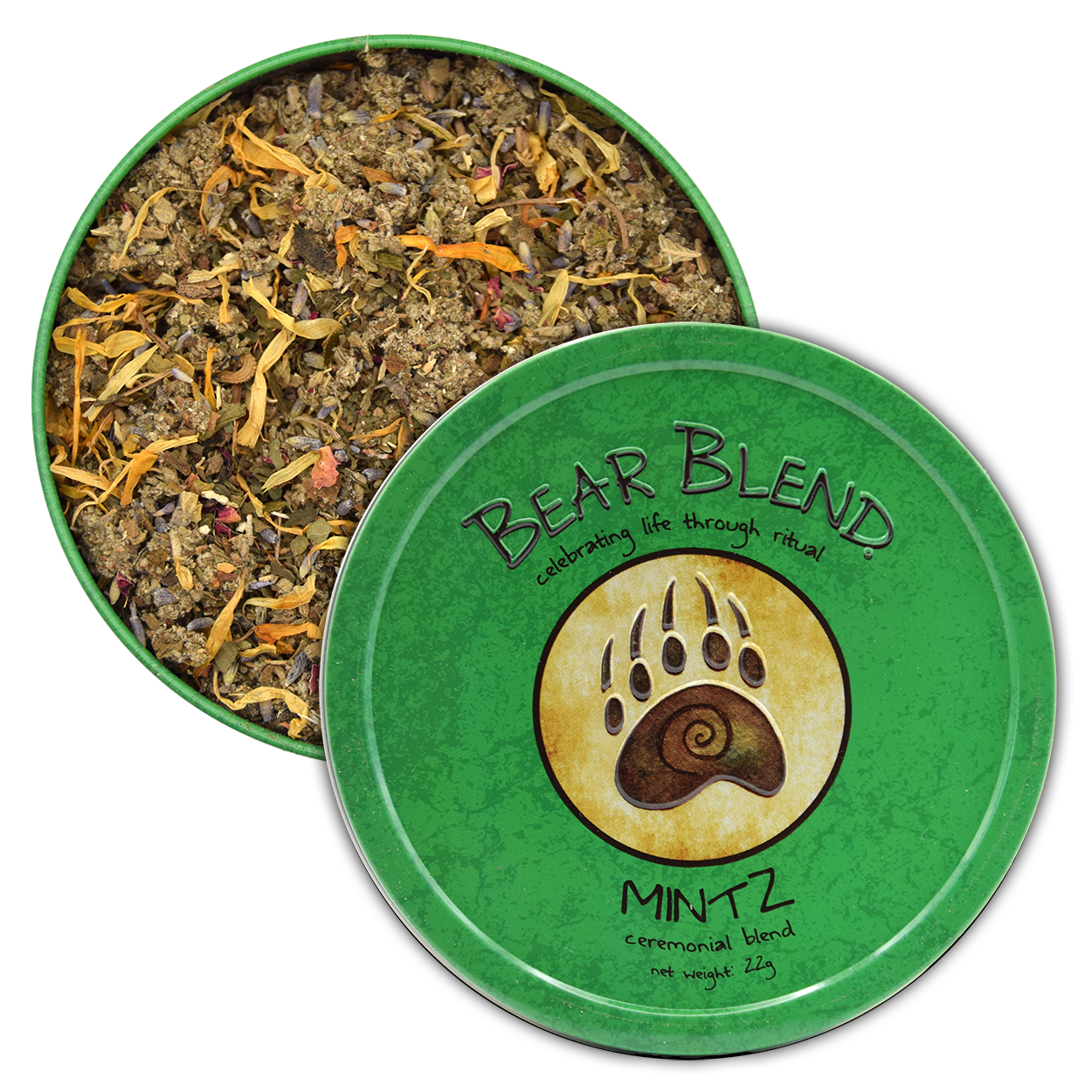
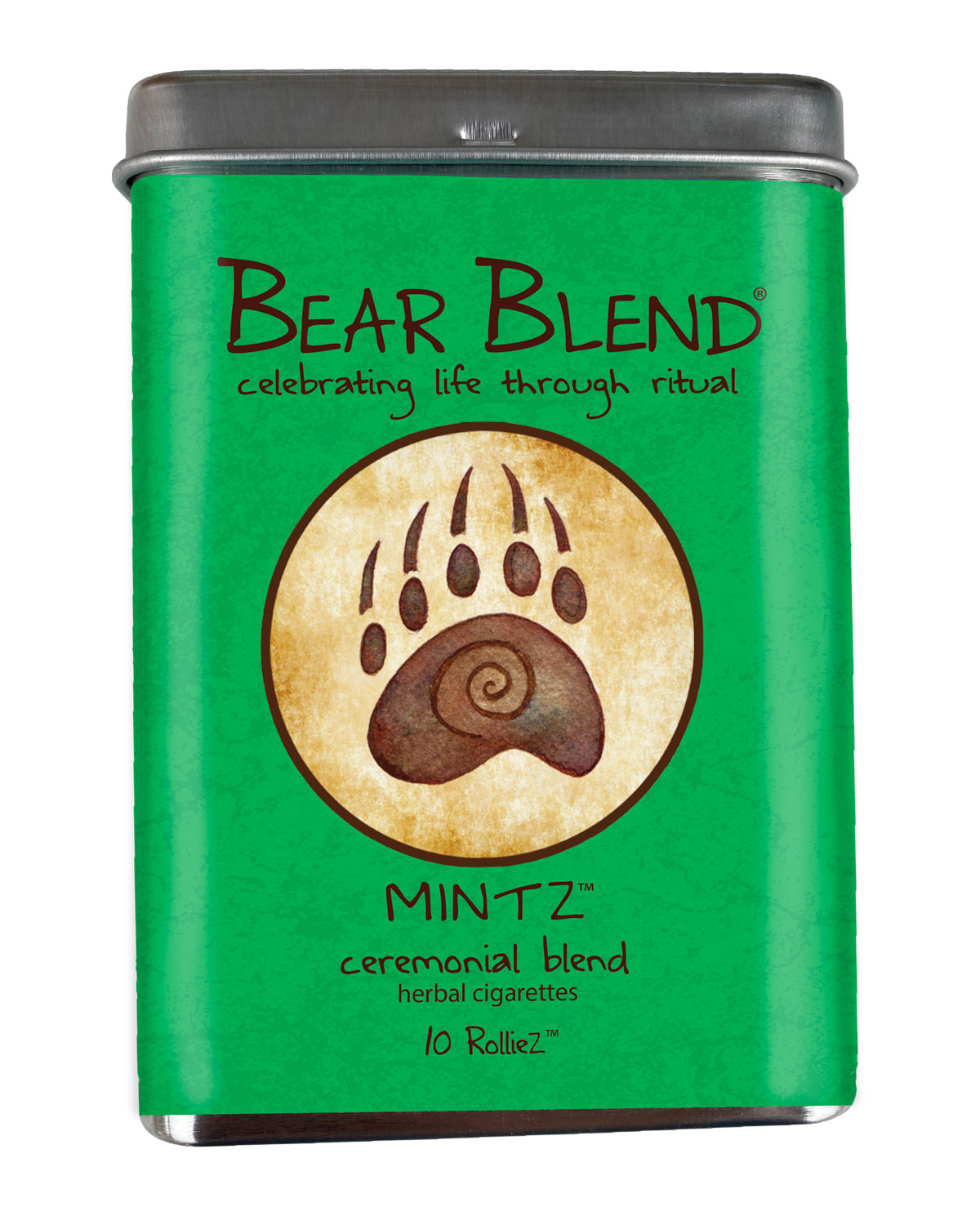
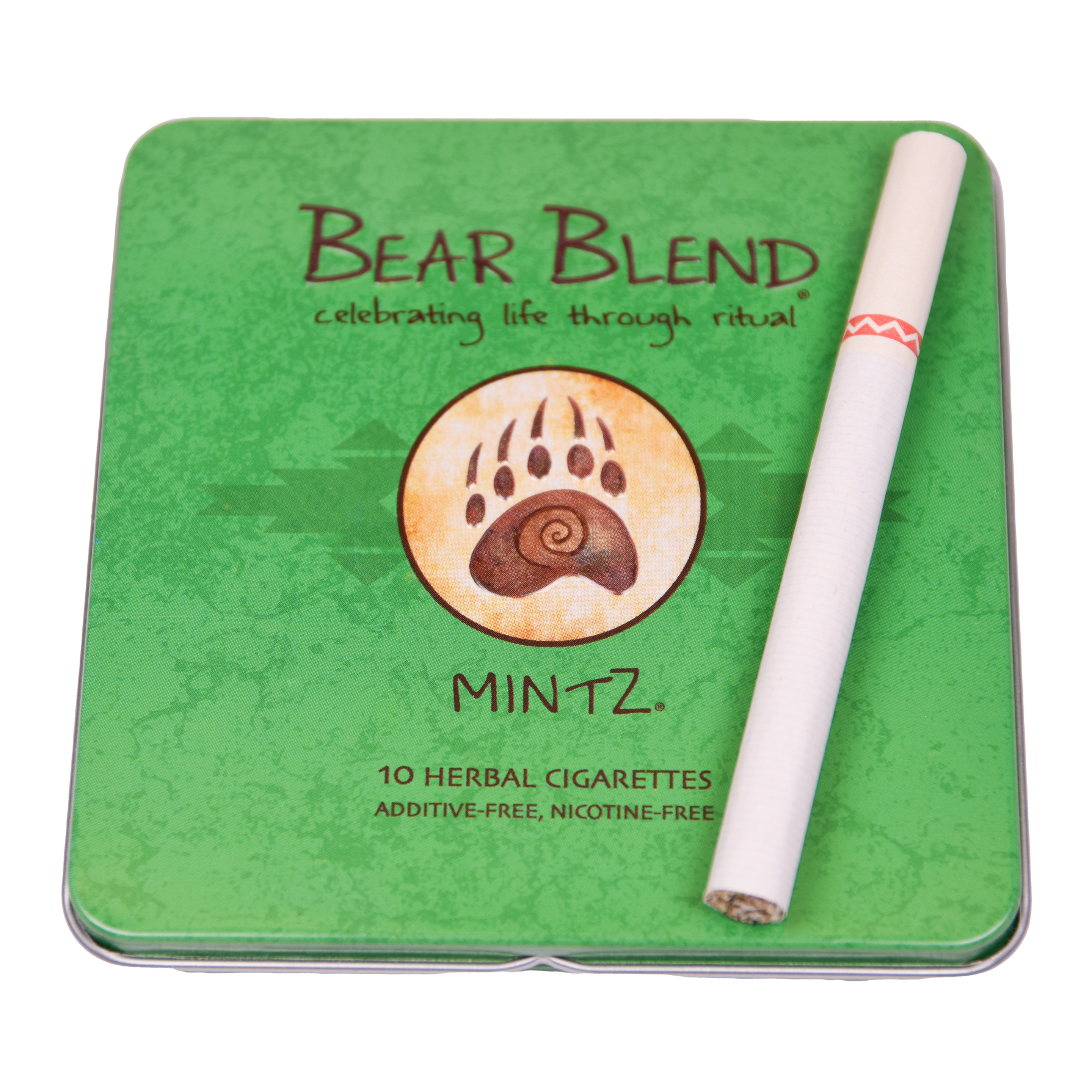
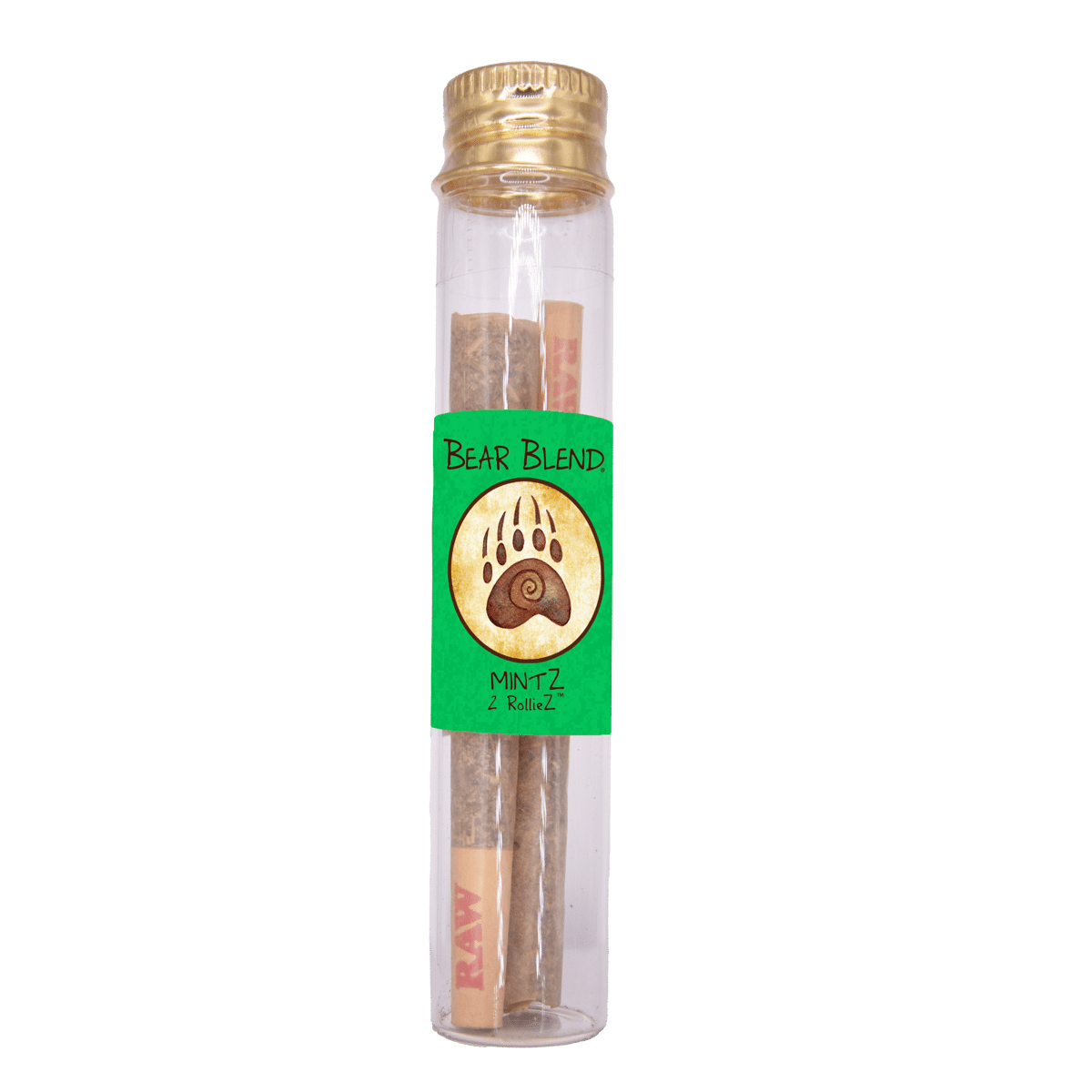
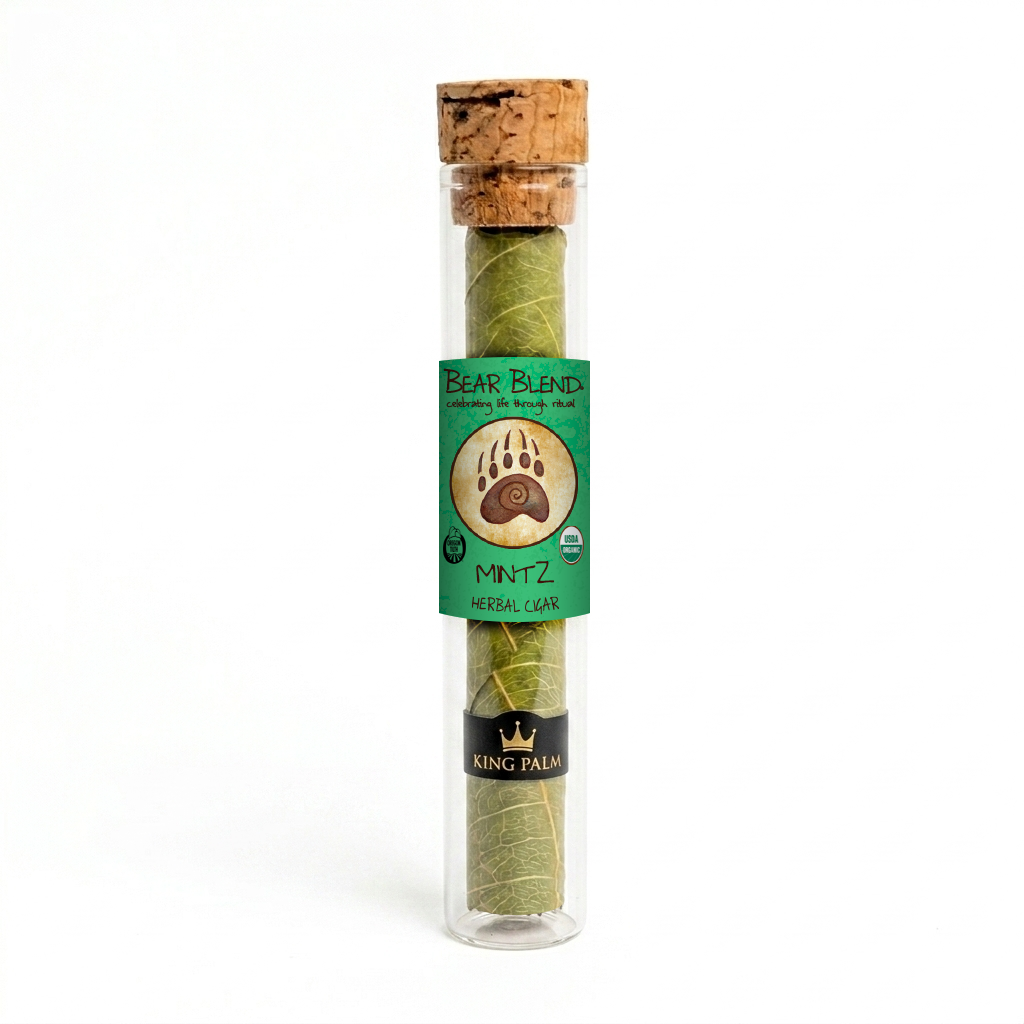
Our organic peppermint is available as a single smokable herb for those who want to work with it directly — blended into a roll-your-own, explored in a pipe, or layered with other botanicals from the shop. For those curious about how peppermint plays with other herbs, our Mintz ceremonial blend is the natural starting point — built around the mentholated cool of mint as a central character rather than a supporting note, it is our most refreshing smoke and one that holds up well at any hour of the day.

We source our peppermint to the same certified-organic, ethically traceable standard we hold across all our herbs. The ritual context we bring to peppermint is the one the plant has always carried: clarity, welcome, and the invitation to arrive fully in the moment. If you are curious about mixing it with other single herbs, the FAQ on blending is a good place to start.

Cautions & Contraindications

Peppermint is broadly considered safe for most adults when used in culinary and herbal quantities. The essential oil is considerably more concentrated than the whole herb and should not be used undiluted on skin or taken internally in large amounts — but this applies to the oil, not to peppermint leaf used in smoking blends or teas.

Individuals with gastroesophageal reflux disease (GERD) should be aware that peppermint relaxes the lower esophageal sphincter, which can worsen reflux symptoms in some people. This is an irony worth noting: the herb that traditionally aids digestion can, in specific physiological contexts, irritate it.

Peppermint essential oil should be kept away from the faces of infants and young children; menthol can cause respiratory distress in very small children when applied near the nose or mouth. Again, this applies to concentrated oil rather than whole-leaf use, but it bears mentioning.

As always, if you are pregnant, breastfeeding, or managing a health condition, it is worth a conversation with your healthcare provider before adding any herb to your regular practice. This entry is offered for educational purposes only and does not constitute medical advice.
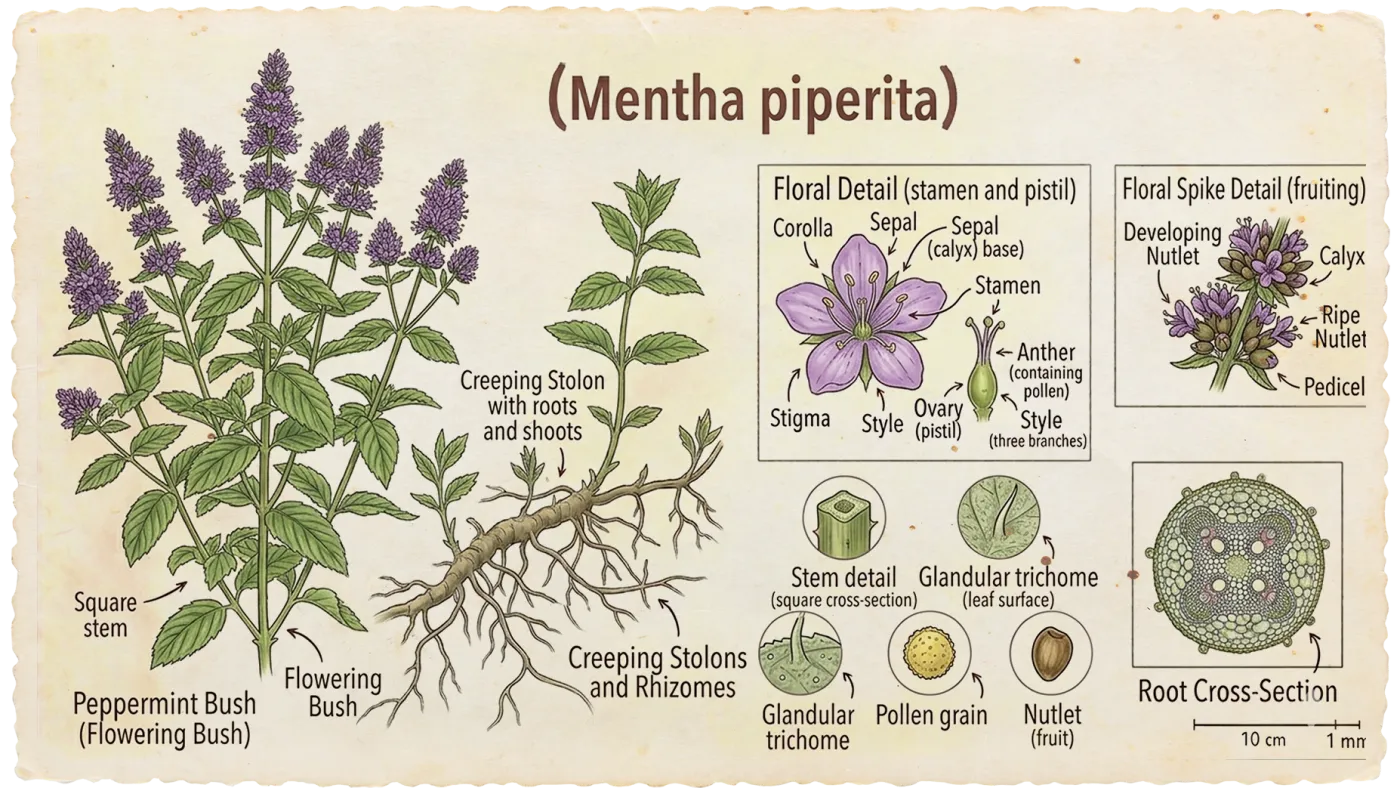
Botanical plate of Peppermint (Mentha × piperita)
of

of

cookies & such

We use essential cookies to run the shop (cart, checkout, sign-in) and, with your OK, analytics cookies to understand how folks use the site. See our Privacy Policy.