
Saint John's Wort
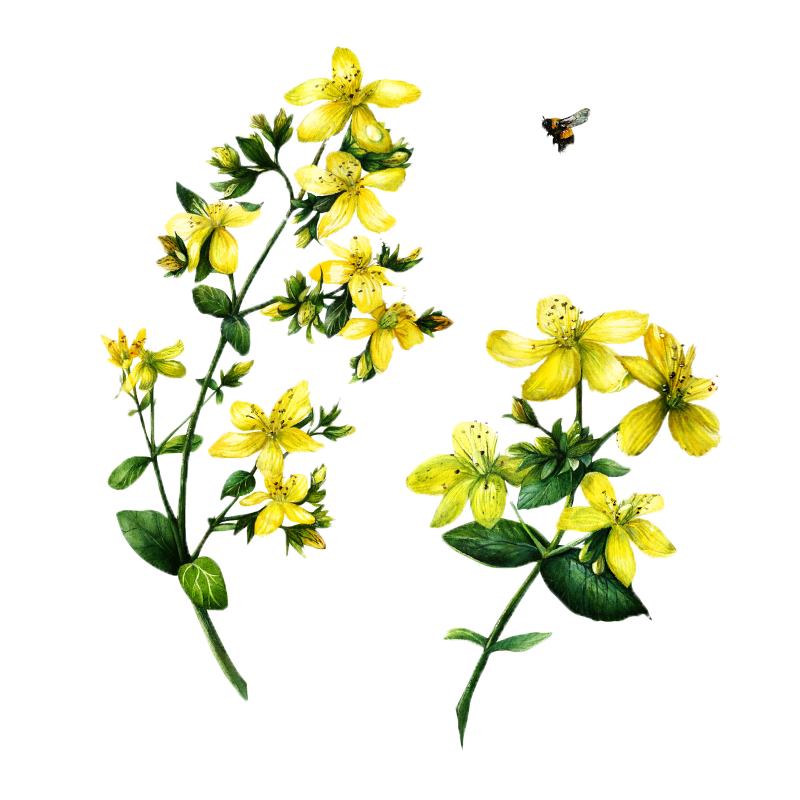
across time
Tradition & Ritual
what it offers
Scientific & Medicine
the old stories
Legends & Myths
from the bear
Bear Originals
Cautions & Contraindications
Saint John's Wort is one of the more important herbs to approach with awareness of its interactions, and this is not a theoretical concern. The herb is well-documented to induce certain liver enzymes — specifically the cytochrome P450 system — that are responsible for metabolizing a wide range of pharmaceutical medications. This means it can reduce the effectiveness of drugs including oral contraceptives, antiretroviral medications, certain heart medications, immunosuppressants, and anticoagulants such as warfarin, among others. These are not speculative interactions; they are among the better-characterized herb-drug interactions in the clinical literature. Anyone taking prescription medications should consult a qualified healthcare provider before working with Saint John's Wort in any concentrated form.
The compound hypericin is associated with photosensitization — increased sensitivity to UV light — particularly at higher doses. Fair-skinned individuals and those with significant sun exposure may want to take note. Historically this effect was most pronounced in livestock grazing heavily on the fresh plant, but it is a documented caution for human use as well. Pregnant and breastfeeding individuals are generally advised to avoid the herb, as safety data in these populations is insufficient. As with all herbs, if you have questions specific to your situation, a conversation with a knowledgeable healthcare provider is the right move — we are students of plant lore here, not medical advisors.
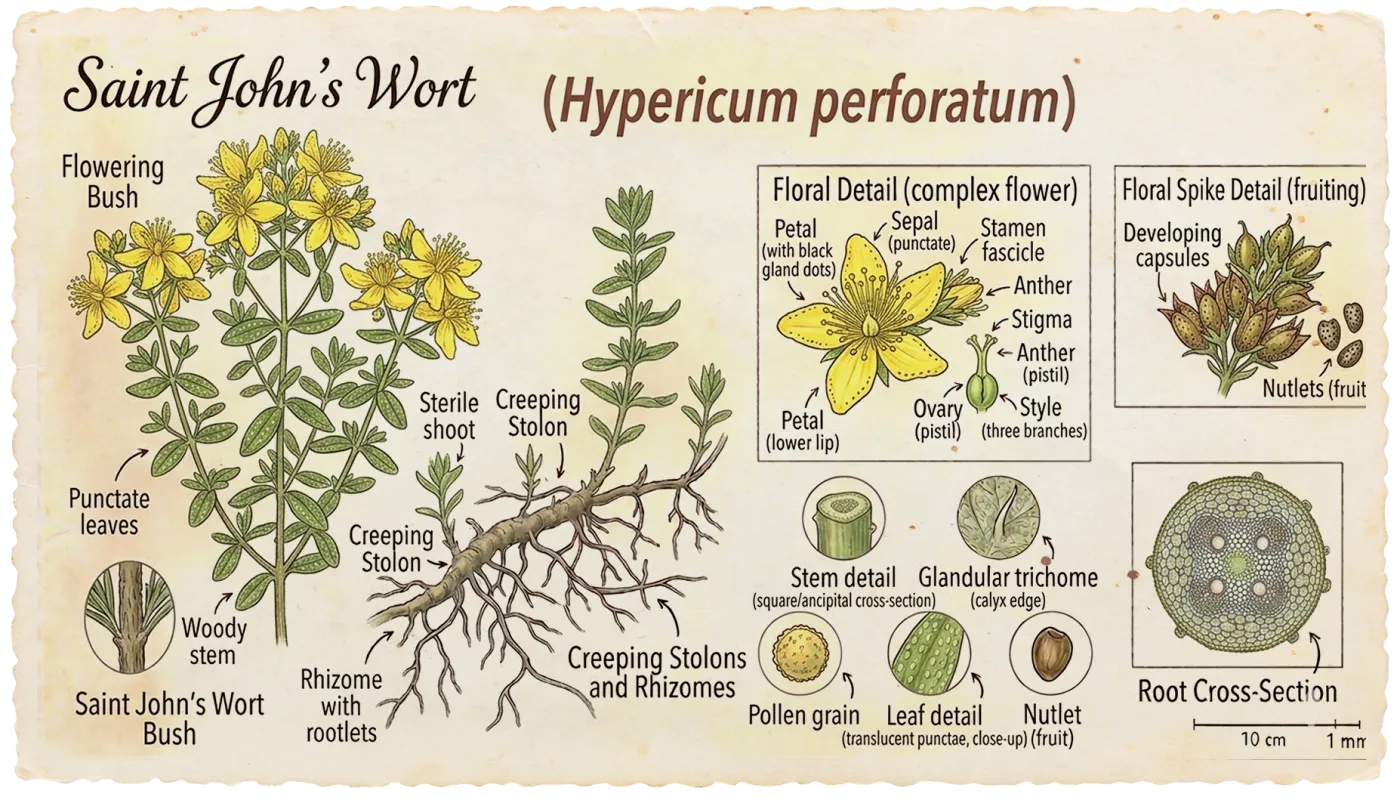
in the apothecary
Products w/ Saint John's Wort
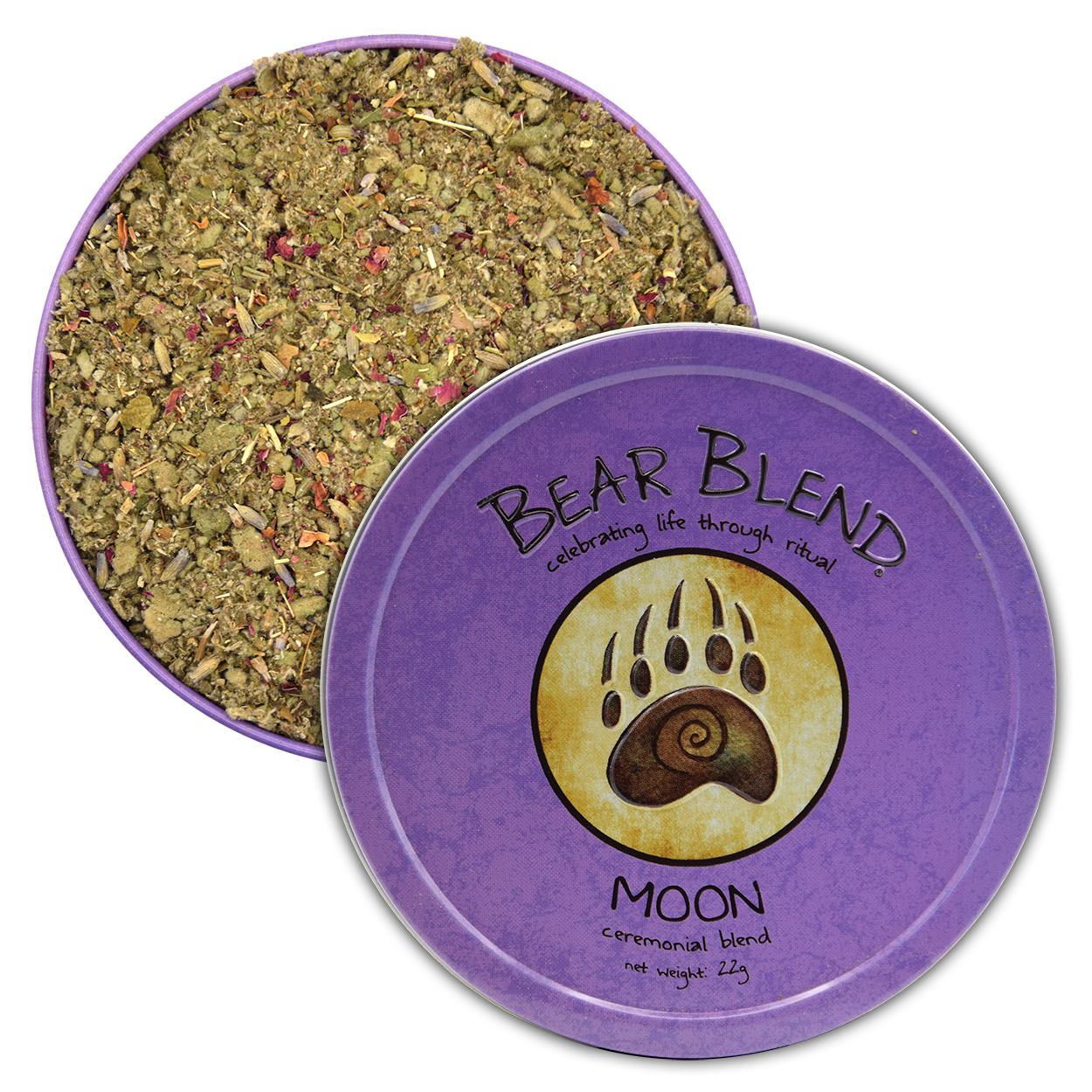
Moon Herbal Ceremonial Blend
The Moon Ceremonial Blend is our most magical blend. With a medium effect, the Moon brings...
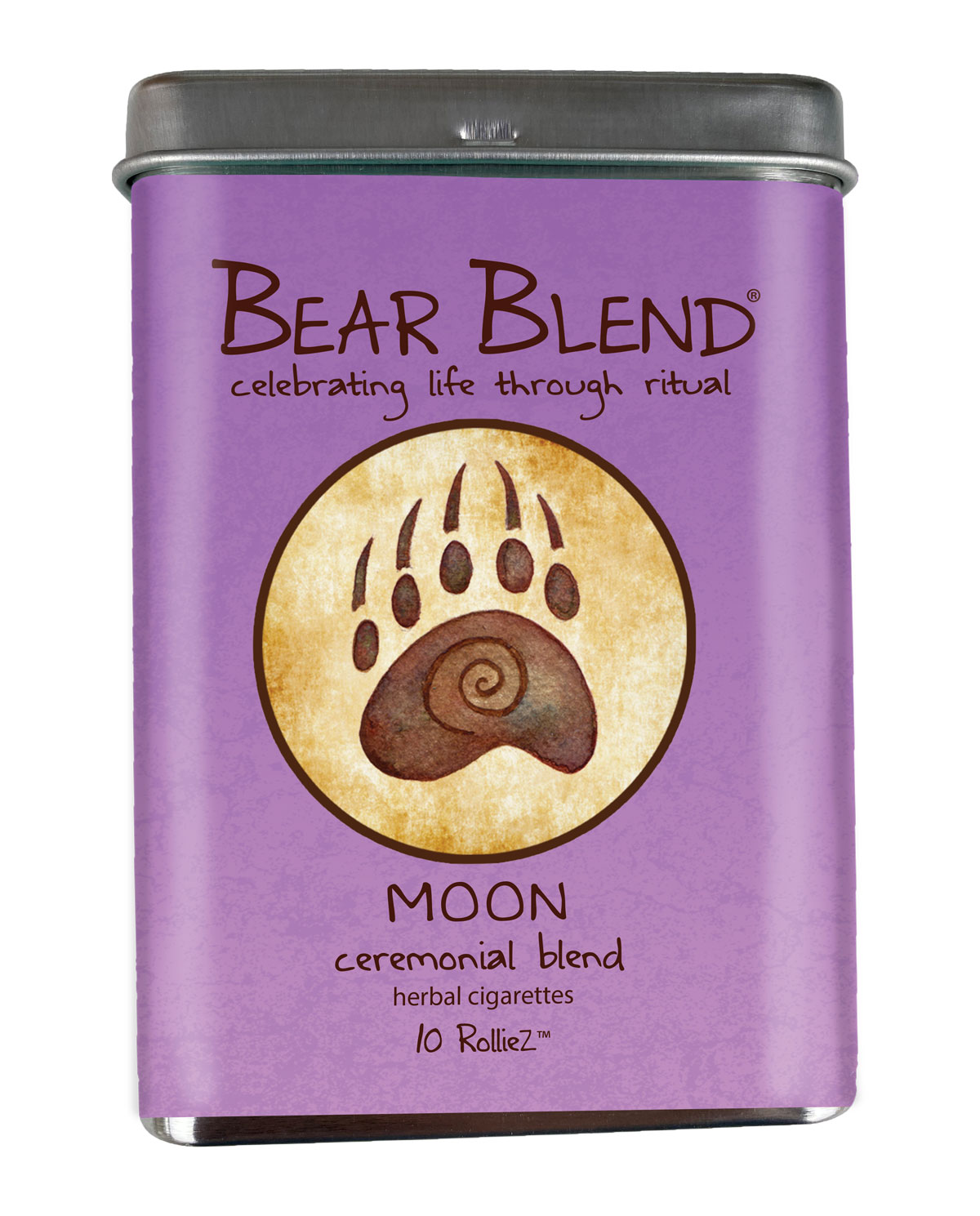
Moon Rolliez
The Moon Ceremonial Blend is our most magical formulation, designed to bring balance and d...
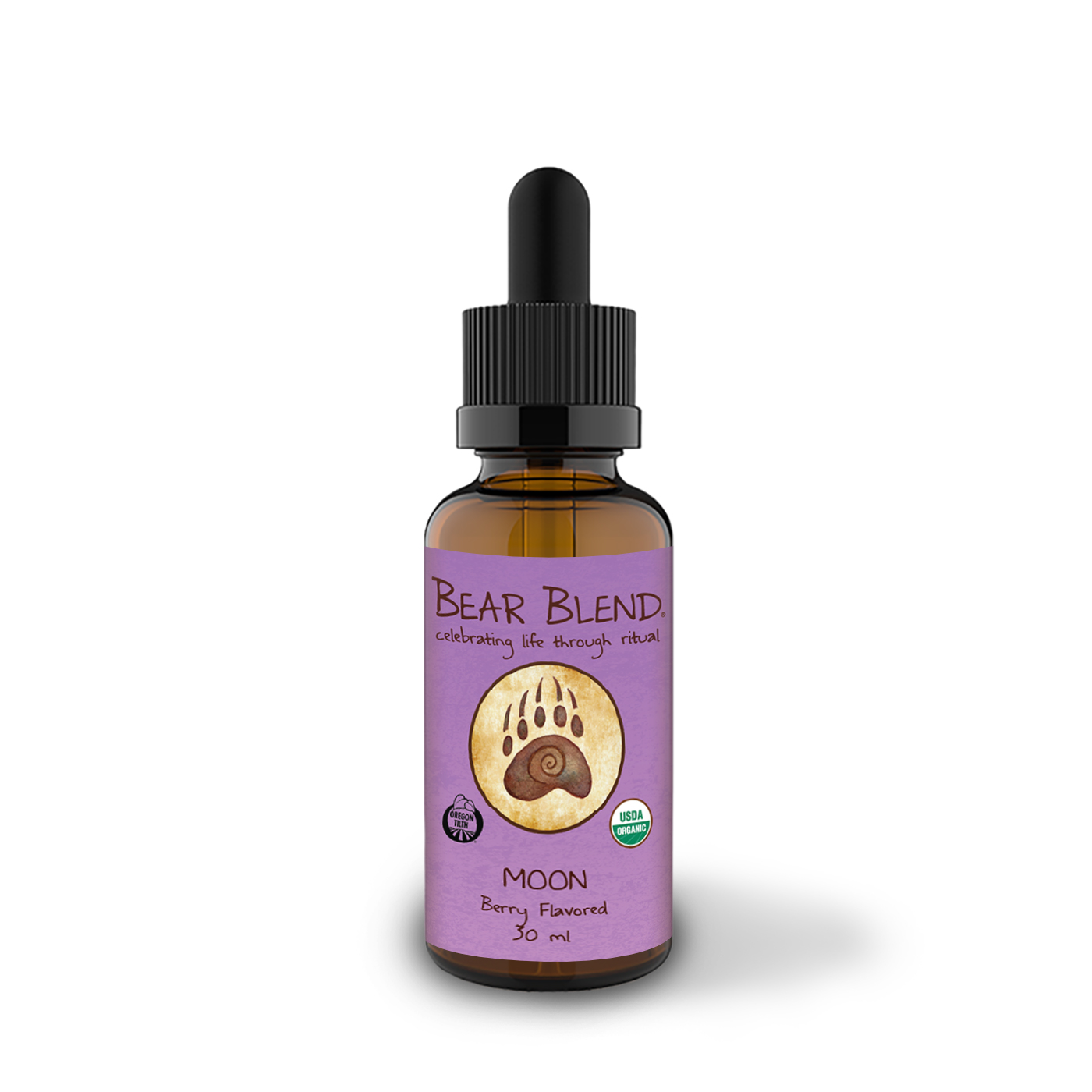
Moon Liquid Herbz (Berry)
Berry Blend Flavored Liquid Each bottle comes with 30 milliliters of Moon Liquid Herbz. Th...
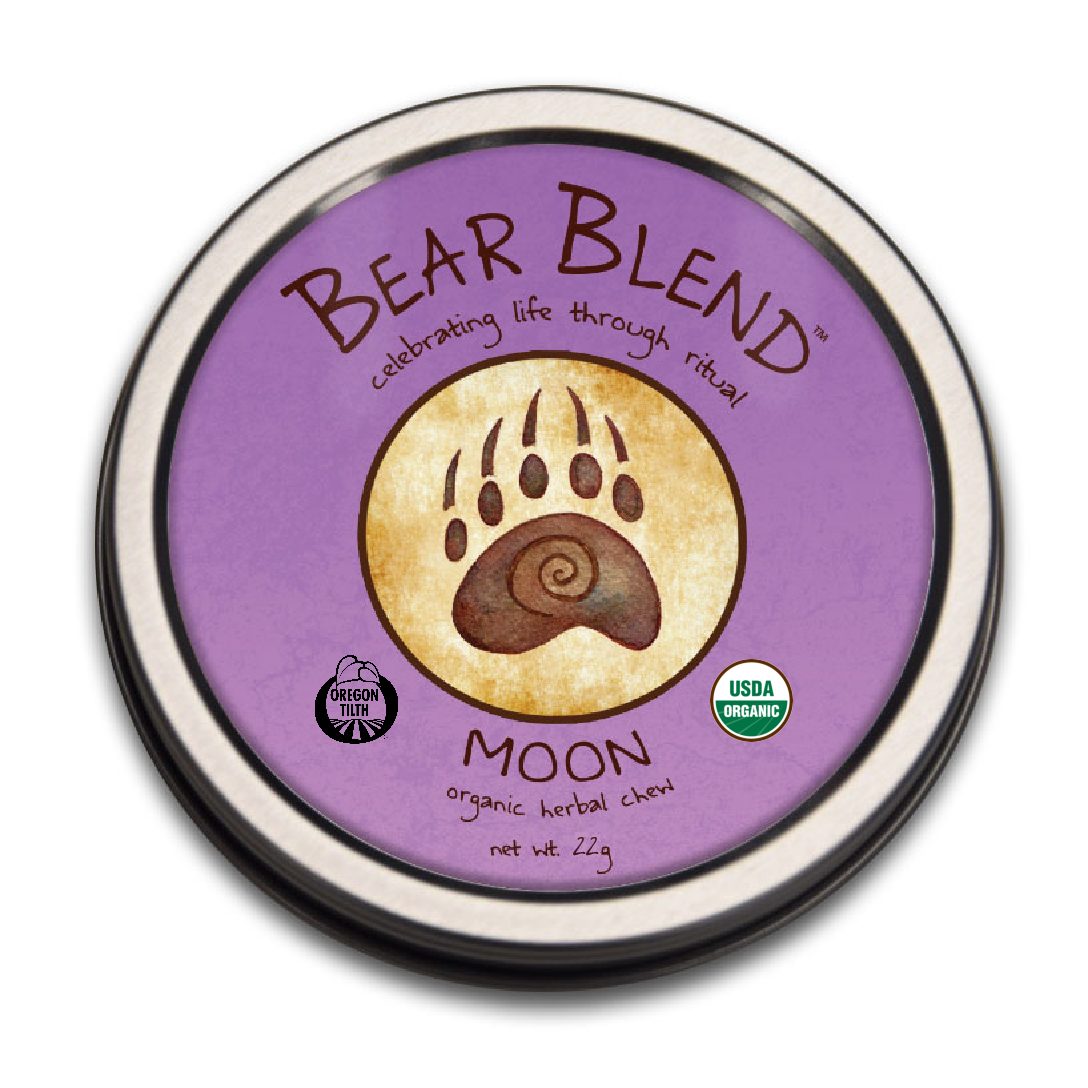
Moon Herbal Chew
The Moon Ceremonial Blend is our most magical blend. With a medium effect, the Moon brings...
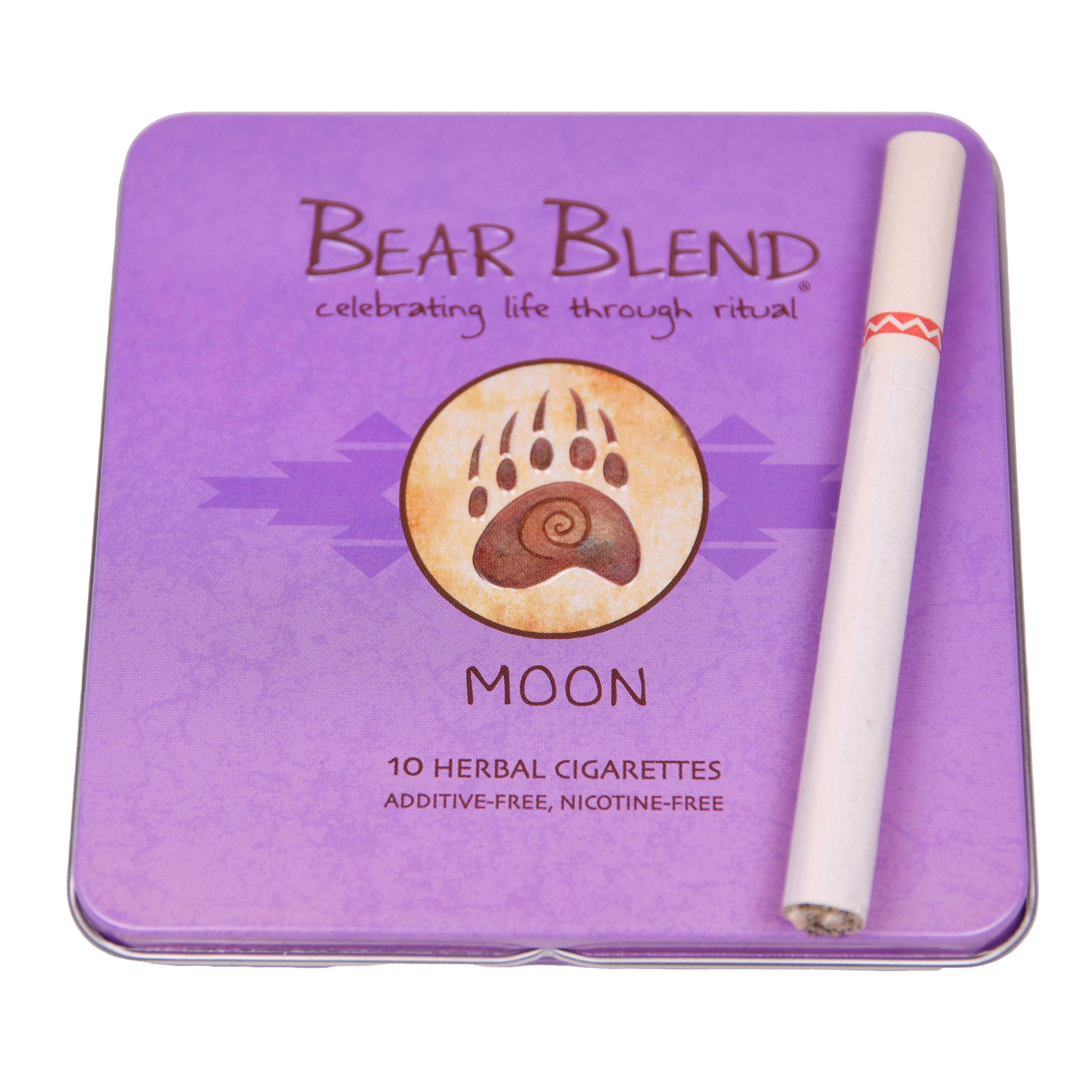
Moon Herbal Cigarettes
Experience the familiar ritual of smoking, completely reimagined. Moon is a soft, floral c...
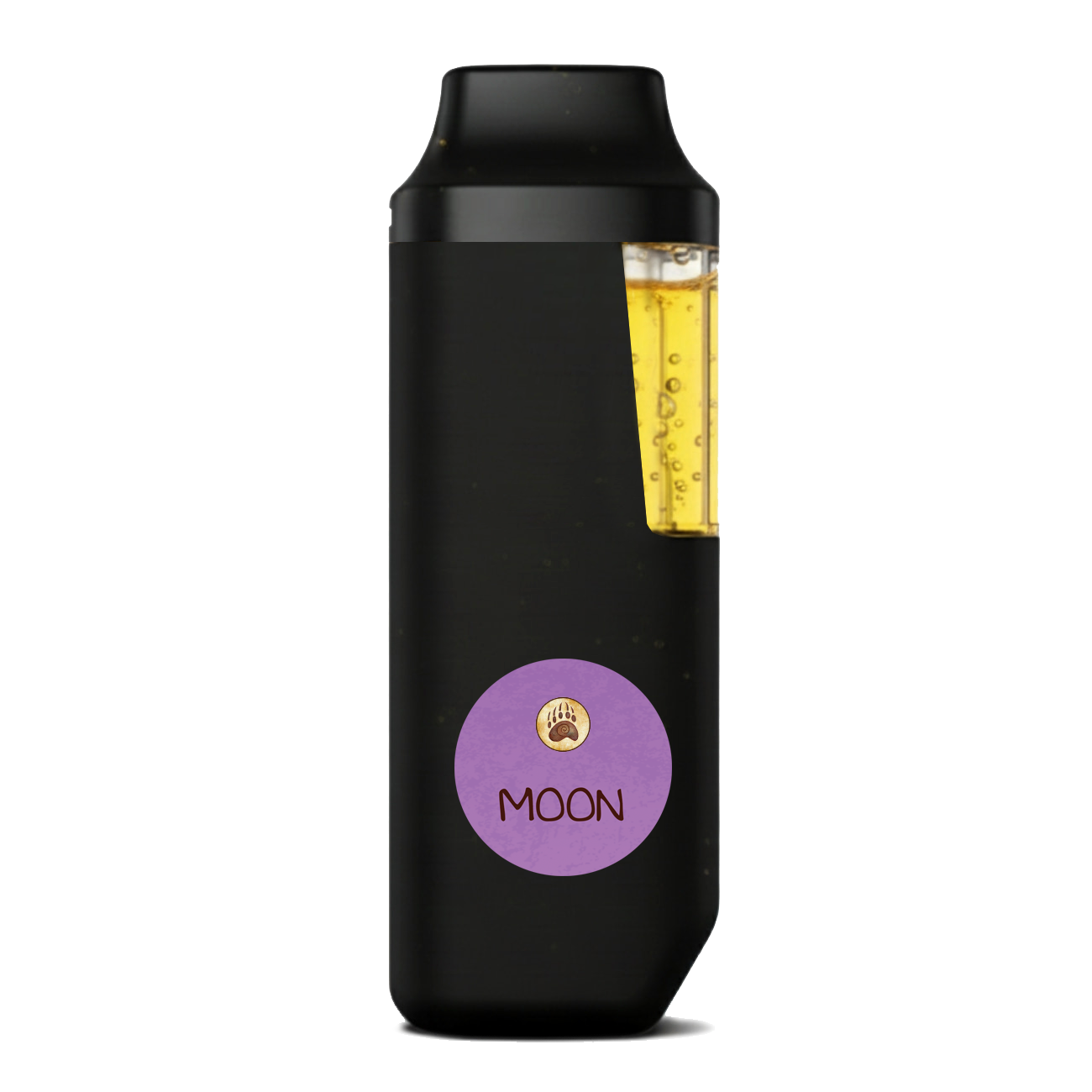
Bear Blend Moon Herbal Diffuser — 2ml Disposable (Berry)
A prefilled 2 mL disposable diffuser featuring the Moon blend — our most ceremonial blend,...
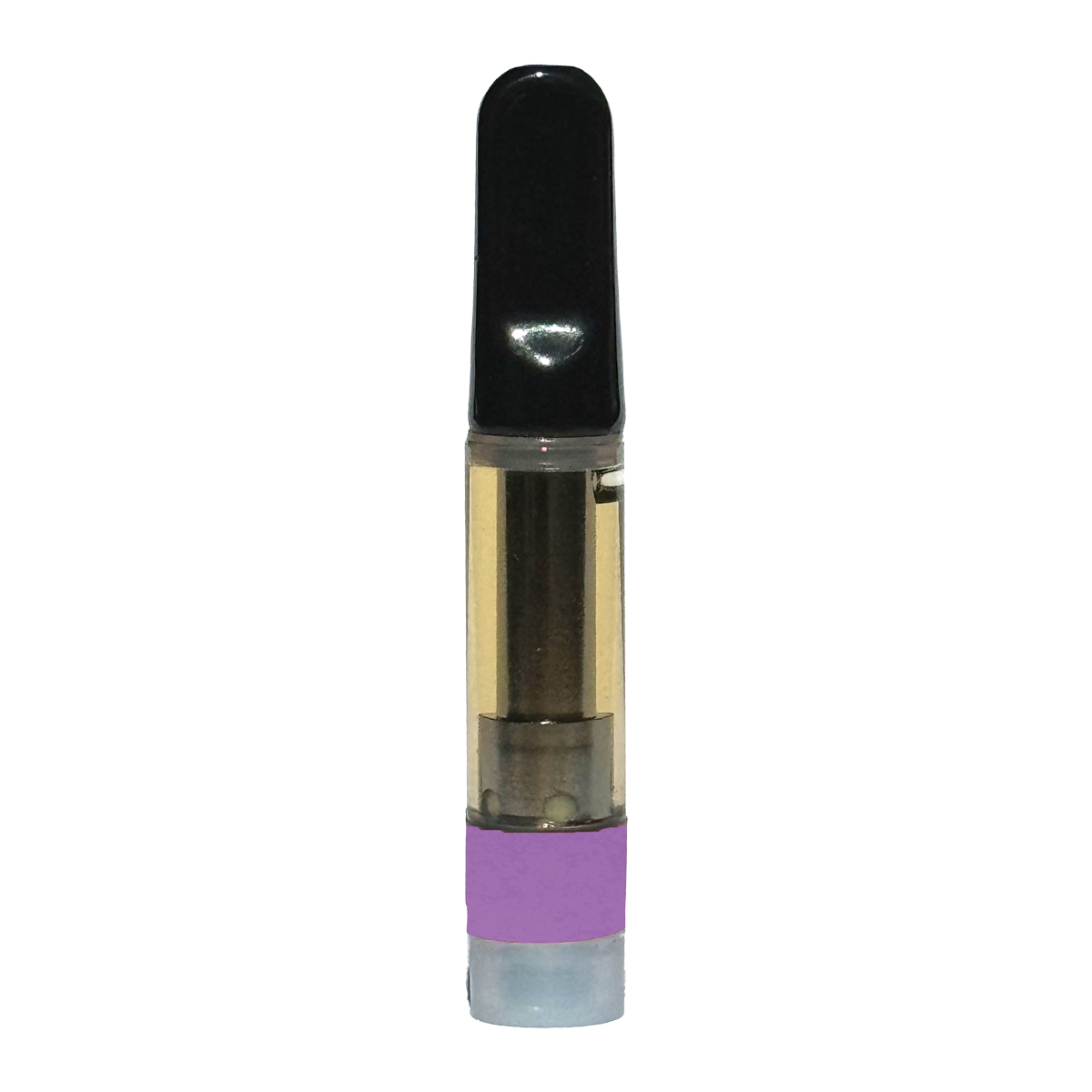
Bear Blend Moon Herbal Diffuser Cartridge — 1ml (Berry)
A 1 mL refillable 510-thread diffuser cartridge featuring the Moon blend — our most ceremo...
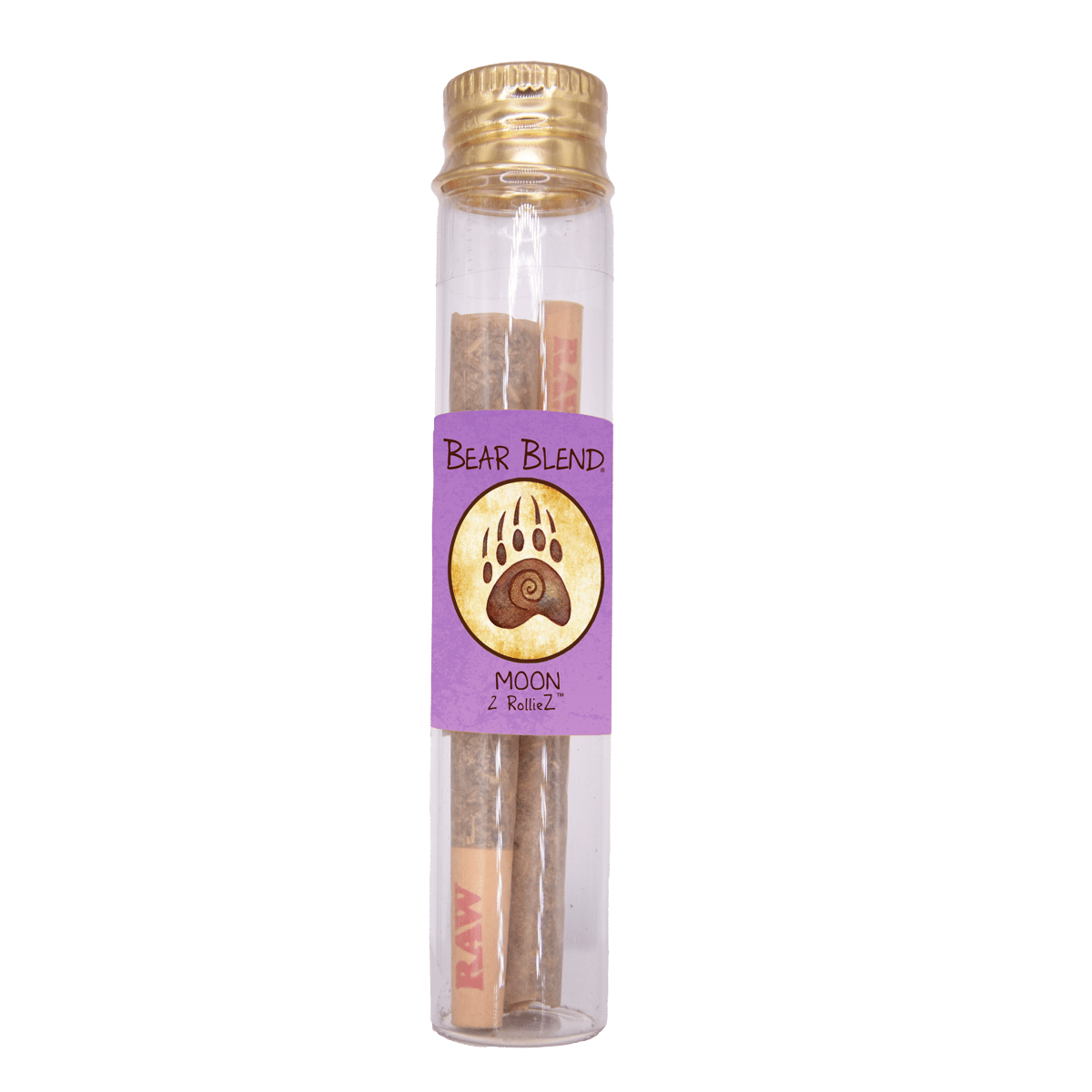
Tube of Two Moon Rolliez
The Moon Ceremonial Blend is our most magical blend. With a medium effect, the Moon brings...
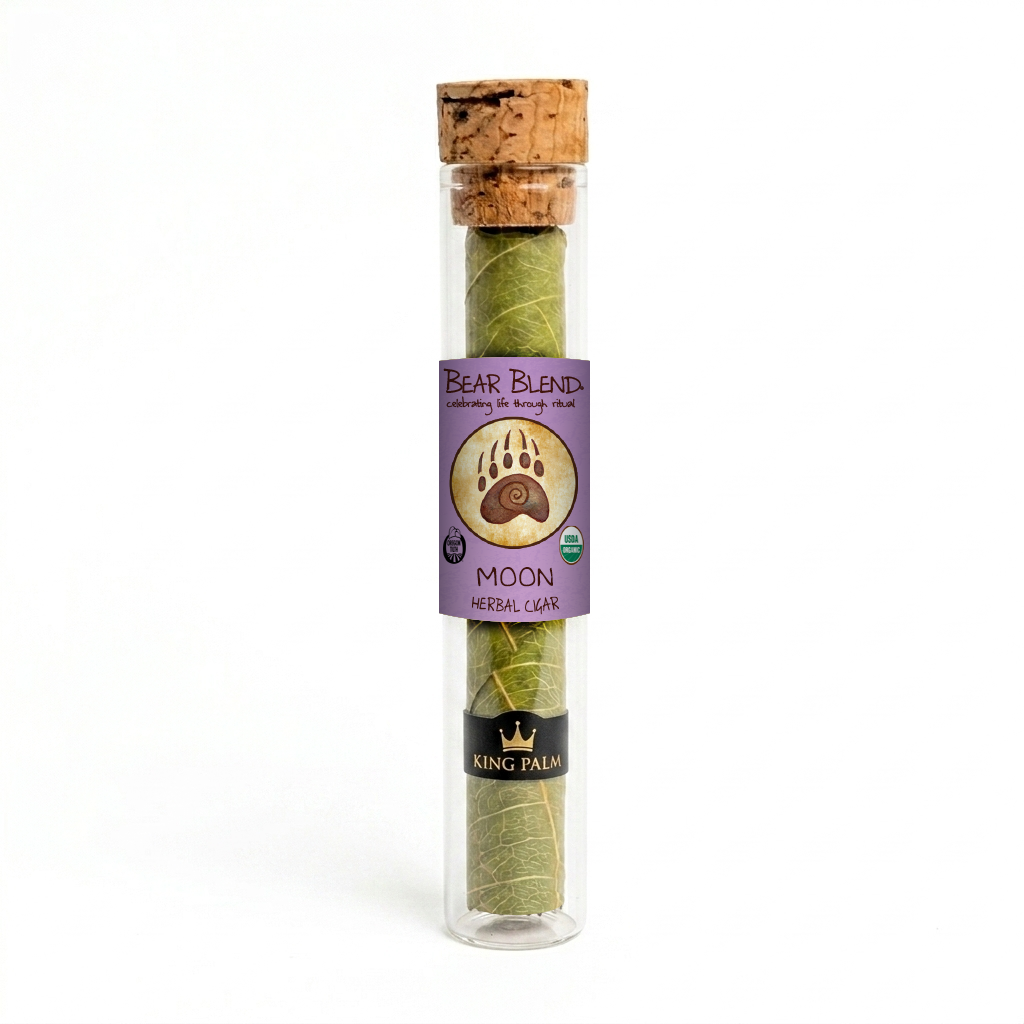
Moon Herbal Cigars
An XL slow-burn ceremony in a single roll — the Moon blend in its most unhurried, expansiv...
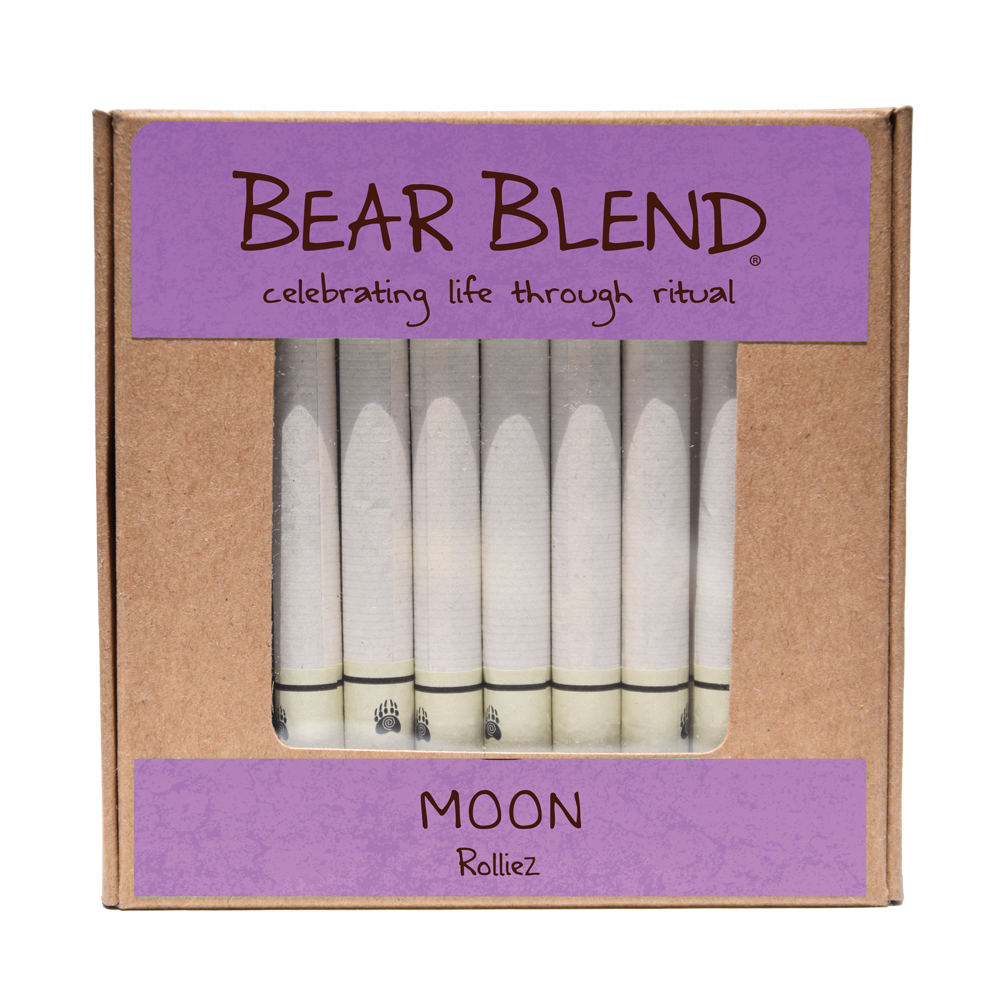
Moon Cigarettes 50 Pack
Fifty rolls of moon herbal cigarettes — the Moon blend's rose-and-lavender magic, rea...
of